
Pruning
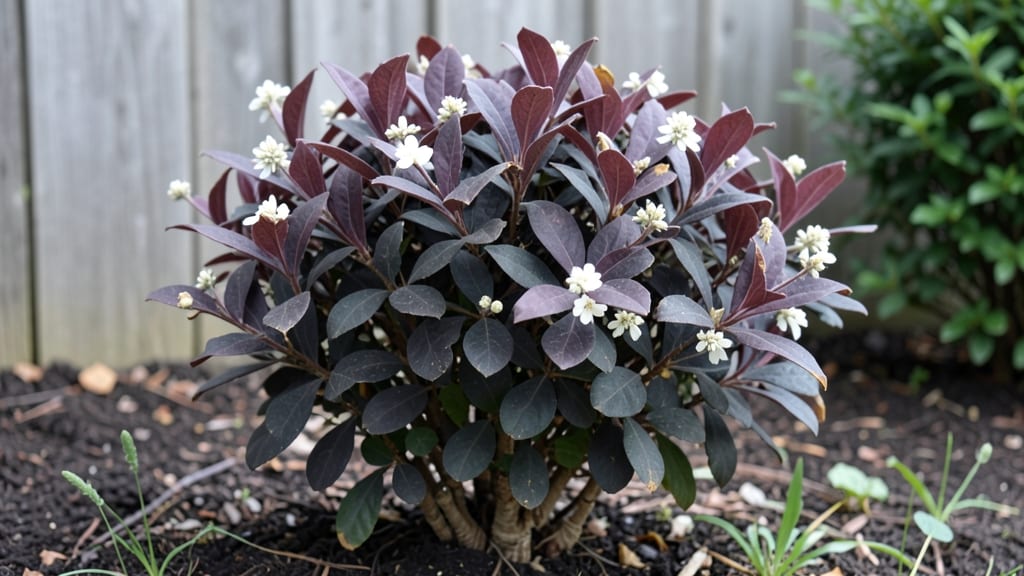
Growing a ninebark Diablo tree in the Pacific Northwest means adding a year-round showstopper to your landscape. This standout shrub bursts with deep red foliage that turns even more vibrant in winter, plus clusters of tiny white flowers and orange-red berries that birds adore.
The key to keeping it looking its best? Pruning at the right time—something I learned after my first Diablo nearly lost its shape during a late-summer trim.
This hardy plant thrives in zones 3-7 and handles everything from full sun to partial shade, though it really shines with at least 6 hours of sunlight daily.
Well-draining soil is a must—too much moisture leads to root rot, which I discovered after planting mine in a low spot that stayed soggy. Water deeply once established, but don’t overdo it; Diablo’s drought-tolerant once settled in.
The real magic happens when you prune in late winter or early spring, shaping it while it’s still dormant but before new growth starts.
What you’ll end up with is a bold, multi-season focal point—deep burgundy leaves that contrast beautifully with evergreens, delicate flowers in spring, and berries that add winter interest. The plant stays compact (usually 6-8 feet tall and wide) but can be trained into a small tree with proper pruning.
With just a few cuts a year, you’ll keep it dense, healthy, and looking like a pro’s design.
For Pacific Northwest gardeners, Diablo’s disease-resistant nature is a bonus—it rarely struggles with leaf spot or mildew if you avoid overhead watering. If you notice yellowing leaves, check for powdery mildew and treat with neem oil if needed.
The real secret? Pruning lightly in summer to encourage bushier growth, but saving the heavy shaping for winter. That’s how you keep it thriving for decades.
📚 In This Guide
- What you need
- Instructions
- Tips and common mistakes
- Wrapping up and next steps
What you need
- ● Pruning shears: Sharp, bypass-style shears (for small branches; 2-3 pairs recommended for efficiency).
- ● Loppers: Heavy-duty, 8–10-inch loppers (for thicker branches; 1–2 pairs).
- ● Pruning saw: Curved-tooth pruning saw (for branches 1–2 inches thick).
- ● Gloves: Heavy-duty, cut-resistant gloves (to protect hands from thorns and sharp branches).
- ● Disinfectant: 70% isopropyl alcohol or 10% bleach solution (to sterilize tools between cuts).
- ● Rubbing alcohol or hand sanitizer: For cleaning hands after pruning.
- ○ Pruning sealant: Optional but helpful for sealing large cuts (e.g., Tanglefoot Tree Wound Pruning Seal).
- ● Trash bags or bucket: For collecting pruned branches (1–2 large bags).
- ● Ladder or step stool: Sturdy, extendable ladder (if tree exceeds 6–8 feet in height).
- ● Extension pole pruners: For hard-to-reach branches (if tree is tall).
- ● Work gloves with grip: For extra comfort during extended pruning sessions.
- ● Gardening twine or zip ties: To temporarily secure branches during shaping.
- ● Notepad & pen: To sketch a pruning plan or mark branches to remove.
- ● Safety glasses: To protect eyes from debris.
Step-by-step guide to pruning your ninebark Diablo tree
Here’s how to keep your fiery red Diablo ninebark thriving in the Pacific Northwest’s climate.
Time Your Pruning for Optimal Growth
Late winter or early spring—just as new buds begin to swell—is the best time to prune your Diablo ninebark. This ensures you remove dead or weak branches while encouraging fresh, vibrant growth for the season. Avoid pruning in fall, as new growth won’t harden off before winter’s chill.
If you notice leggy branches stretching too far, a light pruning in mid-summer can help, but focus on shaping rather than heavy cuts. The key is to prune when the tree is dormant but about to wake up—around February to March in most PNW regions.
Remove Dead, Diseased, or Crossing Branches
Start by inspecting your tree for any branches that are dead, diseased, or rubbing against others. Use sharp, clean pruning shears to make clean cuts just outside the branch collar—the swollen area where the branch meets the trunk. This prevents unsightly stubs and promotes faster healing.
If a branch is larger than ½ inch in diameter, use a pruning saw for a smooth cut. Never leave stubs—this invites rot and weakens the tree. Look for branches growing inward or crossing others; these should be removed first to improve airflow and sunlight penetration.
Shape the Tree for a Balanced Canopy
Step back and visualize the tree’s natural shape. Diablo ninebark responds well to open, airy pruning—avoid cutting back too aggressively, as this can reduce foliage density. Focus on thinning out crowded areas by removing selective branches rather than shearing entire sections.
For a fuller look, prune the outer branches slightly more than the inner ones. This encourages new growth toward the center, keeping the tree’s signature bold red foliage vibrant. Limit pruning to no more than 25% of the tree’s total branches in one session to avoid stress.
Fertilize and Water After Pruning
Once pruning is complete, apply a balanced, slow-release fertilizer to support new growth. Water deeply at the base of the tree to help it recover from the pruning stress. Mulch around the root zone with 2-3 inches of organic mulch to retain moisture and regulate soil temperature.
Monitor the tree for the first few weeks—new shoots should appear within 4-6 weeks. If you notice yellowing leaves, it may indicate over-pruning or nutrient deficiency. Adjust future pruning to be more conservative and supplement with additional fertilizer if needed.
Tips & tricks for pruning your ninebark Diablo tree
Here’s what I’ve learned after years of shaping these stunning PNW trees—avoid these common pitfalls to keep your Diablo ninebark looking its fiery best.
Timing is Everything: The February to March window is critical because that’s when your tree’s natural growth cycle kicks into gear. I once pruned mine in late April and noticed significantly less vibrant foliage that season. If you miss the window, wait until mid-summer for light shaping only—never prune in fall, as new growth won’t harden off before winter. The PNW’s unpredictable weather means checking for bud swell is more reliable than sticking to calendar dates.
Tool Precision Makes All the Difference: I learned this the hard way after using dull shears that tore branches instead of making clean cuts. Always use sharp, clean pruning shears for branches under ½ inch and a pruning saw for anything thicker. The branch collar is your guide—cut just outside it to prevent unsightly stubs that can invite disease. I keep a small bottle of rubbing alcohol handy to wipe down tools between cuts, especially when dealing with diseased branches.
Shape with Purpose: When thinning crowded areas in Step 3, remember that Diablo ninebark responds best to selective pruning rather than heavy shearing. I make a point to remove branches that are growing inward first, as these compete for sunlight and nutrients. For a fuller look, I prune outer branches slightly more than inner ones, which encourages that signature dense foliage. The 25% rule is your safety net—exceeding this can stress the tree, especially in our wet PNW climate.
Post-Pruning Care is Non-Negotiable: After finishing all cuts, I always apply a balanced fertilizer and water deeply at the base. The 2-3 inches of organic mulch isn’t just decorative—it helps regulate soil temperature and retain moisture, which is especially important during our dry summer months. Watch for those first new shoots appearing in 4-6 weeks as your reward for proper care. If you see yellowing leaves, it’s a sign to back off next time and focus on nutrient support rather than aggressive pruning.
Pro Tips for Ninebark Diablo Tree
- Here’s what I’ve learned after years of shaping these stunning PNW trees—avoid these common pitfalls to keep your Diablo ninebark looking its fiery best.
- Timing is Everything: The February to March window is critical because that’s when your tree’s natural growth cycle kicks into gear.
- Tool Precision Makes All the Difference: I learned this the hard way after using dull shears that tore branches instead of making clean cuts.
Frequently asked questions
Got questions about keeping your Ninebark Diablo Tree thriving with its fiery red foliage? You’re not alone! Here are some of the most common queries from PNW gardeners—plus straightforward answers to keep your tree looking its best.
When is the best time to prune my Ninebark Diablo Tree?
The ideal time to prune is late winter or early spring (February–March in the PNW), just before new growth begins. This timing encourages vibrant red foliage and prevents disease. Avoid pruning in fall—it can stimulate tender new growth that won’t survive winter. Pro tip: Deadhead spent blooms in early summer to maintain shape and energy for fall color!
How much can I trim back my Ninebark Diablo Tree?
You can safely remove up to one-third of the tree’s height per year if needed, but avoid drastic cuts. Ninebark is forgiving, so light pruning (removing 10–20%) is ideal for shaping. Focus on thinning out crowded branches and dead or crossing stems to improve airflow and sunlight penetration.
Why is my Ninebark Diablo Tree’s foliage turning brown or yellow?
Brown/yellow leaves often signal overwatering, underwatering, or nutrient deficiencies. Check soil moisture—Ninebark prefers well-draining soil and tolerates drought once established. Yellow leaves may also indicate iron deficiency (common in alkaline PNW soils). Amend soil with compost or use a chelated iron supplement if needed.
Can I grow Ninebark Diablo Tree in full shade?
While it tolerates partial shade, Ninebark Diablo thrives in full sun (6+ hours/day) for the boldest red foliage. In shady spots, expect duller green or purple leaves and fewer flowers. If shade is unavoidable, choose a sunnier location or opt for a green-leafed ninebark variety like ‘Columnare’ for better adaptation.
What’s a good alternative if I want a low-maintenance red shrub?
If Ninebark Diablo’s pruning demands feel high, consider these PNW-friendly alternatives:
- Spirea ‘Goldflame (golden-yellow foliage, drought-tolerant)
- Weigela ‘Wine & Roses’ (deep purple foliage, minimal pruning)
- Cotoneaster ‘Fireberry’ (red berries + fall color, hardy)
Wrapping up and next steps
The Ninebark Diablo Tree isn’t just a stunning addition to your Pacific Northwest garden—it’s a low-maintenance star with show-stopping foliage and easy-care pruning. By mastering a few simple techniques, you’ll keep its vibrant red leaves thriving while encouraging lush growth and even more dramatic color. 🌿✨
Now that you’re armed with the right tools and tips, roll up your sleeves and give your Ninebark Diablo the TLC it deserves! Ready for next-level pruning? Check out our seasonal pruning calendar to stay on track year-round.