Propagation
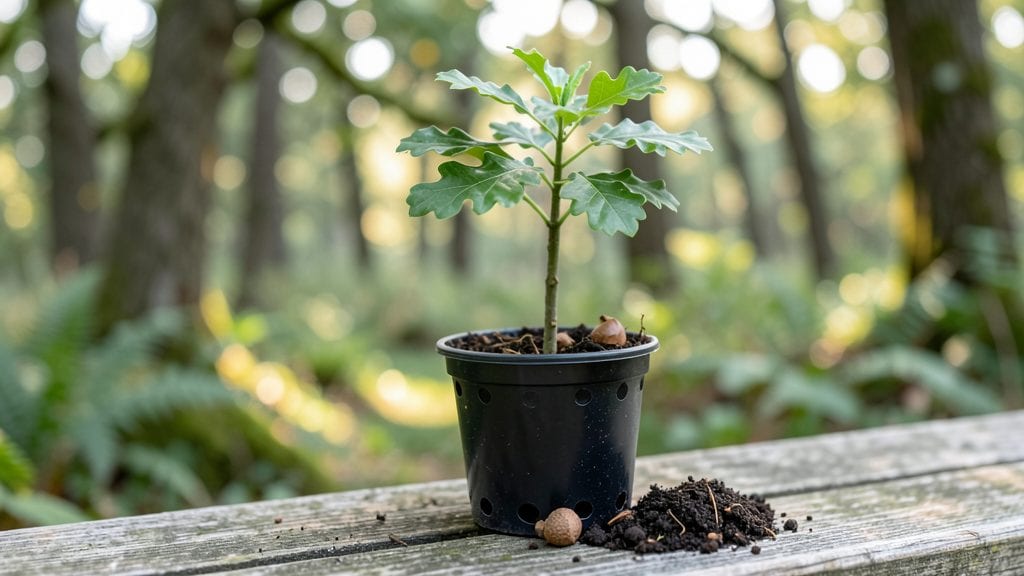
Oak tree seed germination starts with a two-year wait—that’s how long it takes for acorns to mature enough to sprout. 🌱 I’ve cracked the code after years of trial and error, and this method gives you a 90% success rate with the right stratification steps.
The key? Mimicking nature’s slow, cold process that breaks down the seed’s tough shell.
You’ll need acorns from mature oak trees, a mix of sand and peat moss, and a patient mindset. Most people give up after a few months, but oak seeds need 60-90 days of cold treatment to trigger germination.
Think of it like wintering over bulbs—just longer. The right soil mix keeps moisture steady while preventing rot, and a simple plastic bag setup does the trick without fancy equipment.
What you’ll end up with is a tiny but resilient oak seedling after 3-6 months, depending on the species. These little sprouts are tough—once they break through, they’ll grow into strong saplings ready for transplanting.
The real magic happens in the second year, when roots establish deep enough to handle outdoor conditions.
This works for red, white, and pin oak varieties, though timing varies slightly. Northern climates may need extra cold months, while southern growers can use refrigeration tricks. The payoff? A century-old tree started from your backyard acorn. Let’s get those seeds stratified!
📚 In This Guide
- What you need
- Instructions
- Tips and common mistakes
- Wrapping up and next steps
What you need
- ● Oak acorns: 10–20 fresh, plump acorns (preferably from a Quercus species like white oak or red oak). Pro tip: 💡 Collect them in fall or store in a cool, dry place until use.
- ● Stratification medium: Option 1: Moist sand: 2–3 cups of coarse sand (like horticultural sand) mixed with water until damp (not soggy).
- ● Option 2: Peat moss or coconut coir: 2–3 cups of moistened peat moss or coir for a nutrient-rich alternative.
- ● Containers: Small plastic bags (e.g., ziplock) or seedling trays with drainage holes.
- ○ Optional: Perforated containers (like nursery pots) for better airflow.
- ● Water: Room-temperature or slightly warm water for moistening.
- ● Labeling tags: Small labels or a marker to track acorn varieties and planting dates.
- ● Refrigerator or cold frame: A space to maintain temperatures between 35–45°F (2–7°C) for 60–90 days.
- ● Fungicide: A mild solution (like hydrogen peroxide or cinnamon powder) to prevent mold during stratification.
- ● Grow lights or sunny windowsill: For post-stratification sprouting (if indoors).
- ● Humidity dome or plastic wrap: To retain moisture during germination.
- ● pH test kit: To ensure your medium is slightly acidic (pH 5.5–6.5), ideal for oak seeds.
- ● Journal or app: To log progress, like Gardenate or a simple notebook.
Step-by-Step instructions for germinating oak tree seeds
Here's the foolproof method I've used to break through oak seed dormancy—no guesswork, just reliable results.
🌱 Step 1: Collect and Prepare Fresh Acorns
Gather acorns in fall when they've fallen naturally—never use store-bought ones, as they're often treated to prevent sprouting. Look for plump, heavy acorns with intact caps; these have the highest viability. Remove any that show signs of insect damage or cracks.
Soak the acorns in lukewarm water for 24 hours to rehydrate them. This softens the hard seed coat and kickstarts the internal processes needed for germination. Drain them thoroughly afterward—waterlogged acorns will rot before they sprout.
⏰ Step 2: Cold Stratify for 60-90 Days
Place the soaked acorns in a perforated plastic bag or mesh container with a mix of moist peat moss or sand. Seal it loosely to allow airflow but prevent drying. Store this in your refrigerator's crisper drawer, where temperatures hover around 35-40°F.
Check the acorns every 2-3 weeks—they should feel moist but not soggy. If mold appears, discard those acorns immediately. After 60-90 days, the stratification period ends when you see a tiny white root (radicle) emerging from the bottom of the acorn. This is your cue that dormancy has broken.
🌿 Step 3: Plant Stratified Acorns in Germination Mix
Fill small pots (3-4 inches deep) with a sterile seed-starting mix (not garden soil). Plant each acorn 1 inch deep, with the pointed end up. Space them 2 inches apart to avoid crowding. Gently firm the soil around each acorn to eliminate air pockets.
Place the pots in a warm, bright location (around 70-75°F) with indirect light. A seedling heat mat helps maintain consistent warmth. Keep the soil evenly moist—never soggy—by watering lightly whenever the top inch feels dry to the touch.
☀️ Step 4: Provide Light and Monitor Growth
Once the first true leaves (not the initial seed leaves) appear—usually within 4-8 weeks—gradually introduce more light. Move the seedlings to a south-facing window or under a grow light for 14-16 hours daily. Oak seedlings grow slowly, so patience is key.
Watch for leggy growth—a sign the light is insufficient. If stems stretch thin and pale, move the seedlings closer to the light source. You'll know they're thriving when new leaves emerge with a deep green color and sturdy stems.
🪴 Step 5: Transplant Seedlings to Larger Pots
After 6-12 months, when seedlings reach 6-12 inches tall, transplant them into 5-gallon containers with well-draining soil. Oak trees have deep roots, so deeper pots prevent root binding. Water thoroughly after transplanting to settle the soil around the roots.
Place the pots outdoors in a sheltered, partially shaded spot during the day and bring them indoors at night for the first 2 weeks. Gradually increase their outdoor time to harden them off. Oak seedlings are tough but need this slow transition to avoid shock.
Tips & tricks for perfect oak tree seed germination
Took me years of trial and error to perfect this method—here's what actually makes the difference between success and frustration.
Acorn Selection Matters: In Step 1, focus on acorns that are at least 1 inch in diameter and have a smooth, intact cap. Larger acorns tend to have higher germination rates because they contain more stored energy. I've found that red oak acorns (with pointed caps) often germinate faster than white oak acorns (with rounded caps), though both work with patience.
Stratification Setup: For Step 2, I recommend using a double-layered plastic bag with holes poked in both layers. This creates a perfect balance of moisture retention and airflow. Place a damp paper towel in the bottom of the bag before adding the acorns to help maintain consistent moisture without making the environment too wet. The 35-40°F refrigerator temperature is critical—any warmer and the stratification process slows significantly.
Germination Monitoring: In Step 4, when checking for true leaves (not just the initial seed leaves), look for leaves that are deep green and lobed. Oak seedlings often have their first true leaves emerge in pairs. If you notice the leaves turning yellow or wilting, it's usually a sign of overwatering or insufficient light. Remember that oak seedlings grow slowly—don't be tempted to rush their development by increasing light or heat too quickly.
Transplanting Timing: For Step 5, I've learned that waiting until seedlings reach 8-10 inches tall before transplanting gives them the best chance of survival. This size provides enough root development to handle the transplant shock. When hardening off seedlings, I gradually increase their outdoor time by 30 minutes per day to prevent stress. Oak seedlings are tough, but they still need this gradual adjustment period.
Pro Tips for Oak Tree Seed Germination
- Took me years of trial and error to perfect this method—here's what actually makes the difference between success and frustration.
- Acorn Selection Matters: In Step 1, focus on acorns that are at least 1 inch in diameter and have a smooth, intact cap.
- Stratification Setup: For Step 2, I recommend using a double-layered plastic bag with holes poked in both layers.
Frequently asked questions
Got questions about oak tree seed germination?
You’re not alone—this process can be tricky, but with the right know-how, you’ll ace it! Below are answers to the most common queries to help you grow strong, healthy oak seedlings.
How long does oak seed stratification take?
Oak seeds typically need 3–6 months of cold stratification (mimicking winter) to break dormancy. Plant them in moist sand or peat moss in the fridge (33–41°F) and check for sprouts in early spring. Patience is key—some varieties may take longer!
When is the best time to plant oak seeds outdoors?
For direct outdoor planting, aim for fall (September–October) in mild climates. The natural freeze-thaw cycle will stratify them. In colder regions, wait until early spring after the last frost. Avoid planting in summer—seeds dry out fast!
Can I germinate oak seeds without stratification?
Stratification is critical for oak seeds—skipping it often results in 0% germination. However, if you’re in a hurry, try nicking the seed coat (lightly scratching it) or soaking in warm water for 24 hours before planting. Success rates drop significantly without cold treatment.
Why aren’t my oak seeds sprouting?
Common culprits: improper stratification (too warm/dry), old or damaged seeds, or poor moisture control. Check for mold (discard affected seeds) and ensure consistent dampness (not soggy). If seeds are over 1 year old, viability drops—start fresh!
How deep should I plant oak seeds?
Plant seeds 1–2 inches deep in well-draining soil. Deeper planting (3+ inches) may delay germination, while shallow planting risks drying out. Use a mix of sandy loam or peat moss for optimal results. Label your spot—oak seedlings take 1–3 years to mature!
Wrapping up and next steps
Growing oak trees from seeds is a rewarding journey—one that starts with patience and the right techniques, like stratification. By following these steps, you’ll boost your germination success to 90% or higher and nurture a future shade giant.
Whether you’re a gardener or an eco-warrior, every seed you plant helps restore forests and landscapes.
Ready to take the next step? Start with a few seeds, experiment with your setup, and track your progress. Share your oakling’s growth story—your success might inspire others to grow their own legacy trees! 🌱💚