Pruning
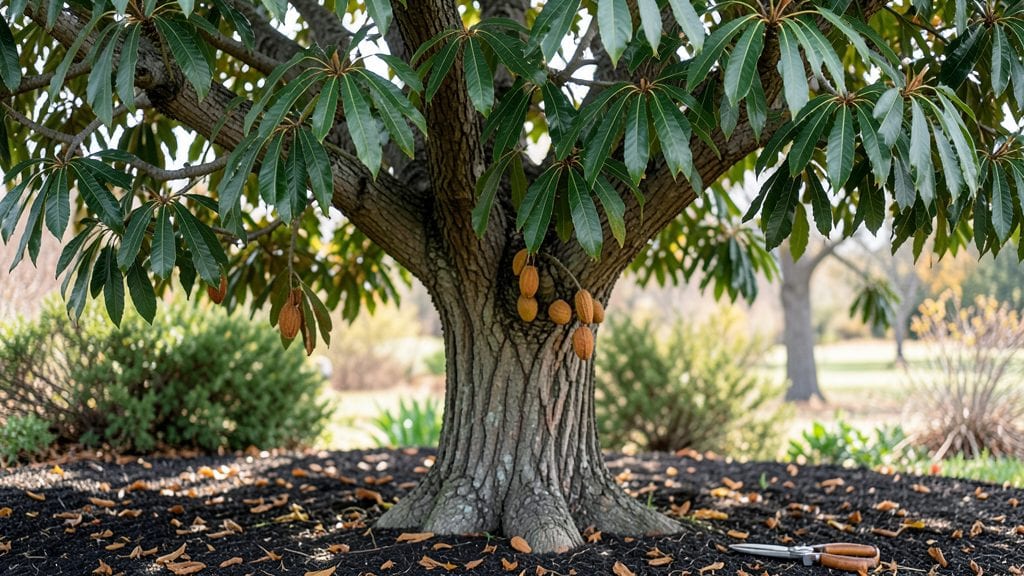
That gnarled old pecan tree in your yard might look past its prime, but with three strategic cuts, you can revive its frost resistance and fruit production.
I’ve nursed back several mature pecans using this method—cutting out dead wood, thinning crowded branches, and lifting the canopy to let light and air circulate. The difference in winter survival and summer harvests is shocking.
Most people overlook the structural health of old pecan trees, focusing instead on pests or diseases. But weak limbs and dense canopies create perfect conditions for fungal infections and pest infestations. My first step is always removing dead or diseased branches—they’re the tree’s weak points.
After that, I thin out crossing branches and lift the lower limbs to improve airflow and sunlight penetration.
What you’ll see after pruning is a tree that bounces back faster from frost and produces more nuts. The canopy opens up, reducing stress on the branches, and the tree’s energy shifts from maintenance to growth.
By late summer, you’ll notice new shoots and a stronger structure—proof the tree is revitalized. Plus, fewer hiding spots mean fewer pests and diseases to battle.
This method works for pecans in Zones 6-9, though timing matters: prune in late winter or early spring before new growth starts. If your tree is already struggling with weevils or scab, combine pruning with targeted treatments for even better results. Let’s get that tree back in fighting shape.
📚 In This Guide
- What you need
- Instructions
- Tips and common mistakes
- Wrapping up and next steps
What you need
- ● Pruning saw: A sharp, bypass pruning saw (18-24" blade) for thick branches (2"+ diameter). Example: Felco F-2 or Corona CS7200.
- ● Loppers: Bypass loppers (20-24" handles) for medium branches (½"–2" diameter). Example: Felco F-2H or Corona CS5500.
- ● Hand pruners: Bypass pruners (6-8" blades) for small branches (Example: Felco F-2 or Corona CS5500.
- ○ Extension pole saw: Optional but helpful for high branches (12-16 ft). Example: Fiskars X27.
- ● Work gloves: Heavy-duty, cut-resistant gloves (e.g., Mechanix Wear or Husqvarna).
- ● Safety glasses: ANSI-rated for debris protection.
- ● Ladder: Sturdy, extendable ladder (20-30 ft) with non-slip feet. Example: Werner 30-ft extension ladder.
- ● Disinfectant: 70% isopropyl alcohol or bleach solution (1 part bleach to 9 parts water) to sterilize tools between cuts.
- ● Heavy-duty trash bags: 30+ gallon bags for debris removal.
- ● Rope or tarps: To secure branches during removal.
- ● Tree wound dressing: Not recommended for pecans, but if used, opt for pruning sealant (e.g., Tanglefoot Tree Wound Pruning Seal).
- ● Chainsaw: For very large branches (3"+ diameter) with proper safety gear (chaps, helmet).
- ● Tree climbing gear: Harness and spikes if the tree is over 30 ft tall (only for experienced users!).
- ● Marking spray: Fluorescent paint to mark cuts before pruning.
- ● First aid kit: For minor cuts or scrapes.
How to prune an old pecan tree for frost hardiness
Reviving an aging pecan tree starts with these three strategic cuts—each one designed to strengthen its frost resistance.
Remove Dead or Diseased Branches First
Start at the base and work your way up, scanning for branches that look brittle, cracked, or hollow. These are the first to go—they’re not just dead weight, they’re also a breeding ground for pests and disease. Use sharp pruning shears to make clean cuts just outside the branch collar, where the branch meets the trunk. This ensures the tree can seal the wound naturally.
I always test for hidden rot by gently scraping the bark with my thumbnail. If you see black streaks or soft, spongy wood underneath, that branch needs to come out immediately. Never leave dead wood on the tree—it weakens the whole structure and invites frost damage during winter. Once removed, dispose of these branches far from the tree to prevent reinfestation.
Thin Out Crowded Canopy for Better Airflow
The goal here is to let sunlight and air circulate freely through the canopy. Focus on branches that cross or rub against each other—they create weak points where frost can concentrate. Start by removing smaller branches first, then work your way up to larger ones. Each cut should open up the tree’s interior, allowing light to reach the center.
I like to step back every few minutes to visualize the tree’s shape. You’re aiming for an open, vase-like structure that lets sunlight warm the trunk and branches during cold snaps. Avoid over-thinning—never remove more than 25% of the tree’s foliage in one season. Pecan trees are resilient, but drastic pruning shocks them and reduces their ability to recover from frost.
Shape the Tree for Frost Resistance
Now it’s time to refine the tree’s structure. Look for branches growing inward or downward—they’re the first to break under ice or heavy snow. Cut these back to a strong, outward-growing lateral branch or bud. This not only improves the tree’s shape but also reduces the risk of frost cracks, which form when rapid temperature drops cause the bark to split.
Pay special attention to the tree’s lower branches. While pecans don’t need to be pruned like fruit trees, removing a few of the oldest, thickest branches near the base can improve airflow at ground level. This helps prevent frost pockets from forming around the trunk. Always make cuts just above a bud or lateral branch—this encourages healthy regrowth and maintains the tree’s natural form.
Clean Up and Protect the Tree
After pruning, rake up all the fallen debris and dispose of it. Leaving branches or leaves on the ground creates a moist environment that attracts pests and fungal diseases, which can weaken the tree’s frost resistance. Now’s also the time to apply a thin layer of mulch around the base—2-3 inches deep—to insulate the roots and protect them from extreme cold.
If your pecan tree is particularly old or weak, consider wrapping the trunk with tree wrap or burlap during the winter months. This adds an extra layer of protection against frost cracks and sunscald. Water deeply before the first hard freeze to ensure the tree has enough moisture in its system to withstand cold temperatures. Avoid fertilizing after pruning—let the tree focus on healing before putting energy into new growth.
Tips & tricks for perfect old pecan tree pruning
Here's what nobody tells you about giving your pecan tree its best shot at surviving winter—these tricks make all the difference.
Branch Collar Precision: When you make those clean cuts in Step 1, take an extra moment to identify the branch collar—the swollen area where the branch meets the trunk. Cutting just outside this collar (about 1/8 inch) ensures the tree can heal properly. I learned this the hard way after seeing a cut too close to the trunk fail to seal, leaving the tree vulnerable to frost damage. This small detail prevents future problems that could take years to show.
Visualizing the Canopy: In Step 2, when you're thinning the canopy, step back every few cuts to visualize the tree's shape. You're aiming for sunlight to reach the center, so imagine light streaming through the branches like a stained-glass window. If you're unsure, snap a photo before you start—it's amazing how different the tree looks from a distance. This helps prevent over-thinning, which can stress the tree and reduce its frost resistance.
Seasonal Timing Wisdom: The best time to prune is late winter or early spring, just before new growth begins. This timing gives the tree time to heal before summer heat arrives. If you must prune in summer, do it on a cloudy day to reduce stress on the tree. I've seen trees pruned in hot summer months struggle with recovery, so timing matters more than you might think for frost resistance.
Pro Tips for Old Pecan Tree
- Here's what nobody tells you about giving your pecan tree its best shot at surviving winter—these tricks make all the difference.
- Branch Collar Precision: When you make those clean cuts in Step 1, take an extra moment to identify the branch collar—the swollen area where the branch meets the trunk.
- Visualizing the Canopy: In Step 2, when you're thinning the canopy, step back every few cuts to visualize the tree's shape.
Frequently asked questions
Got questions about pruning your old pecan tree? You’re not alone!
Whether you're a first-time pruner or just want to ensure your frost-hardy giant thrives, here are answers to the most common queries—plus a few pro tips to keep your tree in top shape.
When is the best time to prune an old pecan tree?
Prune your pecan tree in late winter or early spring (before buds swell) to avoid frost damage and encourage strong regrowth. Avoid heavy pruning in summer—it stresses the tree and attracts pests. For frost-prone areas, wait until after the last hard freeze (28°F or lower) to minimize shock.
How do I protect my pecan tree from frost after pruning?
After pruning, wrap the tree in tree wrap or burlap to shield bark from cold winds. Apply a 2-inch layer of mulch around the base (keep it 6 inches from the trunk) to insulate roots. Water deeply before the first frost to help the tree withstand freezing temps. Avoid overwatering—wet wood is more prone to frost cracks!
Can I prune a pecan tree in summer, or will it die?
You can prune in summer, but it’s risky. Heavy summer cuts stress the tree, making it vulnerable to borers, disease, and sunburn. If you must prune, do it early morning on a cloudy day to reduce stress. Limit cuts to 10-15% of the canopy and focus on removing dead or diseased branches first.
What if my old pecan tree has dead branches but no nuts?
Dead branches (no leaves, hollow, or crumbly wood) should be removed immediately to prevent disease spread. If your tree isn’t producing nuts, check for:
- Age: Young trees (under 5 years) need patience.
- Pollination: Pecans need two trees for cross-pollination.
- Nutrition: Soil tests can reveal deficiencies (e.g., zinc or magnesium).
- Drought stress: Deep watering every 7–10 days helps.
Pro Tip: How do I tell if a cut is “right”?
Use the “3-cut method” for branches thicker than 2 inches:
- Make an undercut 1–2 inches out from the branch collar (the swollen base of the branch).
- Cut above the undercut, leaving a small stub (1/3 of the branch width).
- Remove the stub by cutting just outside the branch collar—never flush with the trunk!
Wrapping up and next steps
Reviving your old pecan tree with the right pruning cuts isn’t just about aesthetics—it’s about giving it a frost-resistant, long-lasting future. 🌳 By focusing on three key cuts (removing deadwood, thinning the canopy, and shaping for airflow), you’re not just trimming branches—you’re crafting resilience.
Remember, patience and precision pay off, especially in colder climates.
Ready to take action? Grab your tools, schedule a sunny day, and start pruning—your tree (and future harvests!) will thank you. And if you’re new to pruning, watch a few tutorials first to build confidence. Happy pruning!