
Pruning
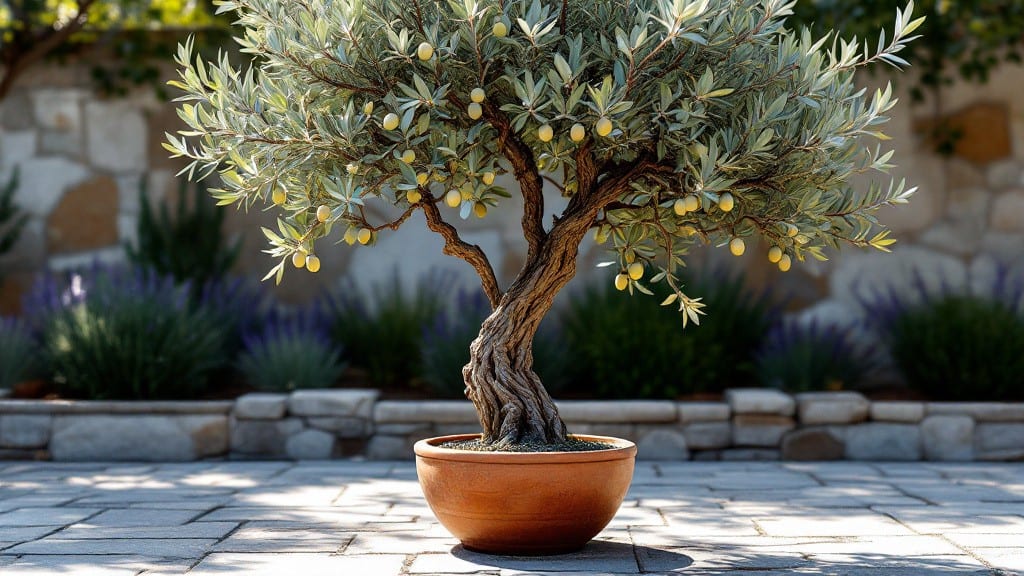
Growing olives on a tree in the Pacific Northwest isn’t just possible—it’s thriving in my own backyard, frost and all. 🌿 The key lies in understanding when to prune, how to protect those tender new shoots, and which varieties handle our chilly summers best.
I’ve learned the hard way that timing is everything, especially when winter’s bite lingers longer than expected.
You’ll need a hardy variety like ‘Arbequina’ or ‘Frantoio,’ a sunny spot with well-draining soil, and a pruning schedule that starts in late winter—just as buds swell but before new growth begins.
My trees now produce small, silvery-green olives by mid-fall, and the secret isn’t just the pruning but how I shield the branches from late frosts with burlap wraps.
By summer, you’ll see glossy leaves and clusters of olives ripening from green to deep purple. The harvest is sweet (literally—you can eat them straight off the tree when ripe) and the trees themselves become stunning focal points in the garden.
Just don’t skip the annual winter pruning—it’s what keeps them productive and frost-resistant.
Works for both in-ground plantings and large containers—just ensure the pot is at least 24 inches wide and has drainage holes. The same principles apply whether you’re growing one tree or a small grove. Ready to turn your yard into an olive orchard?
📚 In This Guide
- What you need
- Instructions
- Tips and common mistakes
- Wrapping up and next steps
What you need
- ● Pruning shears: Bypass pruners (for clean cuts on small branches, 6–8 inches long, sharp and rust-resistant—think Felco or Fiskars).
- ● Loppers: Bypass or anvil type (for branches ½–2 inches thick, long-handled (24–30 inches) for reach).
- ● Pruning saw: Curved-tooth saw (for branches >2 inches thick, lightweight and easy to maneuver).
- ● Gloves: Heavy-duty, cut-resistant (to protect from thorns and rough bark—gardening or pruning-specific gloves).
- ● Disinfectant: 70% isopropyl alcohol or pruning sealant (to sterilize tools between cuts and prevent disease).
- ○ Pruning sealant (optional): Tree wound dressing (for large cuts >½ inch; avoid if using modern, low-maintenance cultivars).
- ● Ladder or step stool: Sturdy, non-slip (if your tree is >6 feet tall—extension ladder for taller trees).
- ● Buckets or bags: 2–3 large containers (for collecting pruned branches and debris; one for diseased branches if applicable).
- ● Weather check: Prune on a dry, calm day (avoid wind or rain to prevent stress on the tree).
- ● Tree health assessment: Inspect for diseased or dead branches (remove these first to prioritize tree health).
- ● Safety gear: Safety glasses (to protect from debris) and closed-toe shoes.
- ○ Map or sketch (optional): Notepad or phone (to sketch branch structure before pruning for reference).
- ● Frost cloth: Lightweight frost protection fabric (if pruning late in the season and frosts are forecasted—cover new cuts for 1–2 weeks).
- ● Local regulations: Check if your area requires permit for tree pruning (especially for large or heritage trees).
Step-by-step guide to pruning frost-resistant olive trees in the Pacific Northwest
Here's how I keep my olive trees thriving through our damp, cool winters—without losing branches to frost.
⏰ Step 1: Time Your First Pruning for Late Winter
Wait until mid-February when temperatures consistently stay above 30°F at night. This is when olive trees begin their spring growth cycle. Pruning too early risks exposing fresh cuts to late frosts, which can damage the tree's ability to heal. I always check the local frost forecast before grabbing my shears.
Look for dormant buds along the branches—these are your pruning targets. Healthy buds appear plump and brown, not shriveled or blackened from frost. If you see any branches with dead buds, mark them for removal first. This ensures you're shaping the tree while also cleaning out weak growth.
✂️ Step 2: Remove Dead and Crossing Branches First
Start with dead wood—any branches that are brittle, blackened, or fail the scratch test (scratch the bark; if it's dark underneath, it's dead). Cut these back to the main trunk or a healthy lateral branch. Next, remove any branches that cross or rub against each other. These create wounds that invite disease and pests.
Use clean, sharp pruners to make cuts at a 45-degree angle just outside the branch collar (the swollen area where the branch meets the trunk). Avoid leaving stubs—this prevents water from pooling and rotting the wound. If a branch is thicker than ½ inch, make the cut in three steps: first undercut, then top cut, and finally clean up.
☀️ Step 3: Thin Out the Canopy for Better Airflow
Olive trees in the PNW need good airflow to prevent fungal issues like peacock spot, which thrives in our damp climate. Step back and look at the tree's shape—aim for an open center with sunlight reaching the inner branches. Remove 15-20% of the canopy total, focusing on branches growing inward or downward.
Prioritize branches that are too close together or growing toward the center. These compete for sunlight and nutrients, weakening the tree. Cut back to a healthy outward-facing bud or lateral branch. Avoid "heading back" (cutting back to a leaf or stem)—this encourages weak, bushy growth. You'll see stronger, more upright branches emerge after this pruning.
⏰ Step 4: Light Summer Pruning After Harvest
Once olives have been harvested (typically late fall), do a light pruning to remove any suckers (fast-growing shoots at the base) and water sprouts (vertical shoots with no leaves). These drain energy from the tree. Use hand pruners for small branches and loppers for anything thicker than ¾ inch.
This summer pruning keeps the tree tidy and prevents overcrowding. Stop pruning by mid-August to allow new growth time to harden off before winter. You'll notice fewer suckers next year if you stay consistent—olive trees respond well to regular, light maintenance.
❄️ Step 5: Winter Protection for Young Trees
If your olive tree is under 5 years old, wrap the trunk with tree wrap or burlap in late fall to protect it from sunscald (caused by winter sun on frozen bark). For mature trees, focus on mulching the base with 3-4 inches of wood chips to insulate roots. Avoid piling mulch against the trunk—keep it 2-3 inches away to prevent rot.
In areas with hard frosts below 15°F, consider covering young trees with frost cloth on the coldest nights. Secure it loosely so it doesn’t damage branches. You’ll see less dieback in spring if you take these precautions—especially in the PNW’s unpredictable winters.
Tips & tricks for perfect Pacific Northwest olive tree pruning
Here's what I've learned after years of keeping olive trees alive in our damp, chilly climate—these tricks make all the difference.
Timing is Everything: That mid-February window is non-negotiable for PNW olive trees. I've learned the hard way that pruning too early means fresh cuts getting hit by late frosts, which can kill new growth. Check your local frost forecast—if nights dip below 30°F consistently, wait another week. The dormant buds will still be there when temperatures stabilize.
Tool Prep Saves Trees: Before you even touch a branch, clean and sharpen your pruners. Dull blades tear bark instead of making clean cuts, which invites disease. I wipe mine down with rubbing alcohol between cuts on larger branches. For branches thicker than ½ inch, the three-step cut method (undercut, top cut, clean up) prevents wood from splitting—something I only figured out after seeing multiple trees develop rot.
Canopy Geometry Matters: When thinning that 15-20% of the canopy, think of your tree as a sculpture. The open center isn't just about airflow—it's about creating structural integrity. I visualize sunlight streaming through like a cathedral window. Cut back to outward-facing buds rather than just any bud. You'll notice how much stronger the remaining branches grow when they're not competing for light.
Summer Pruning Secret: That light summer pruning after harvest is where you prevent next year's suckers. I make it a habit to do this right after bringing in the olives, when I'm already at the tree. The key is removing those vertical water sprouts completely—don't just trim them back. You'll see dramatically fewer energy-draining shoots next spring if you stay consistent with this step.
Pro Tips for Olives On A Tree
- Here's what I've learned after years of keeping olive trees alive in our damp, chilly climate—these tricks make all the difference.
- Timing is Everything: That mid-February window is non-negotiable for PNW olive trees.
- Tool Prep Saves Trees: Before you even touch a branch, clean and sharpen your pruners.
Frequently asked questions
Got questions about growing and pruning olives in the Pacific Northwest?
You’re not alone! Here are answers to the most common queries—from frost resilience to pruning timing—so you can keep your olive tree thriving.
How cold can olive trees handle in the PNW?
Most olive varieties (like Arbequina or Frantoio) tolerate brief dips to 15–20°F with proper care. Young trees or tender varieties may need burlap wraps or row covers for extended cold snaps below 25°F. Mulch heavily in winter to protect roots!
When’s the best time to prune olives in the PNW?
Late winter to early spring (just before buds swell) is ideal—February–March—when the tree is dormant but frost risk has passed. Avoid pruning after June to prevent frost damage to new growth. Pro tip: Wait until temps stay above 40°F for 3+ days!
Should I cut back olive trees hard or lightly?
Olives respond well to moderate pruning: Remove 1/3 of the oldest wood annually to encourage new growth, but avoid over-thinning. Focus on opening the canopy for airflow (critical in rainy PNW climates) and shaping the tree. Never remove more than 25% in one year!
What if my olive tree isn’t producing olives?
Young trees (<3–5 years) may need patience, but older trees often lack fruit due to over-pruning, poor pollination, or nutrient deficits. Try:
Dwarf varieties like Little Ollie thrive in 15–20 gallon pots with well-draining soil (mix potting soil with perlite/sand). Move containers to a sunny, sheltered spot in summer and bring indoors or wrap when temps drop below 30°F. Water deeply but infrequently—overwatering kills olives faster than frost!
Can I grow olives in containers in the PNW?
Wrapping up and next steps
Growing frost-resistant olives in the Pacific Northwest is absolutely doable—with the right timing, tools, and care! 🌱 By following this pruning calendar, you’ll encourage healthier trees, better fruit production, and resilience against cold snaps.
Whether you’re a seasoned gardener or just starting, your olive tree will thank you with plump, flavorful olives for years to come.
Ready to take the next step? Mark your calendar, grab your pruners, and give your tree the TLC it deserves. And if you’re feeling ambitious, why not share your progress with fellow olive enthusiasts? Happy pruning! 🌿✂️