
Pruning
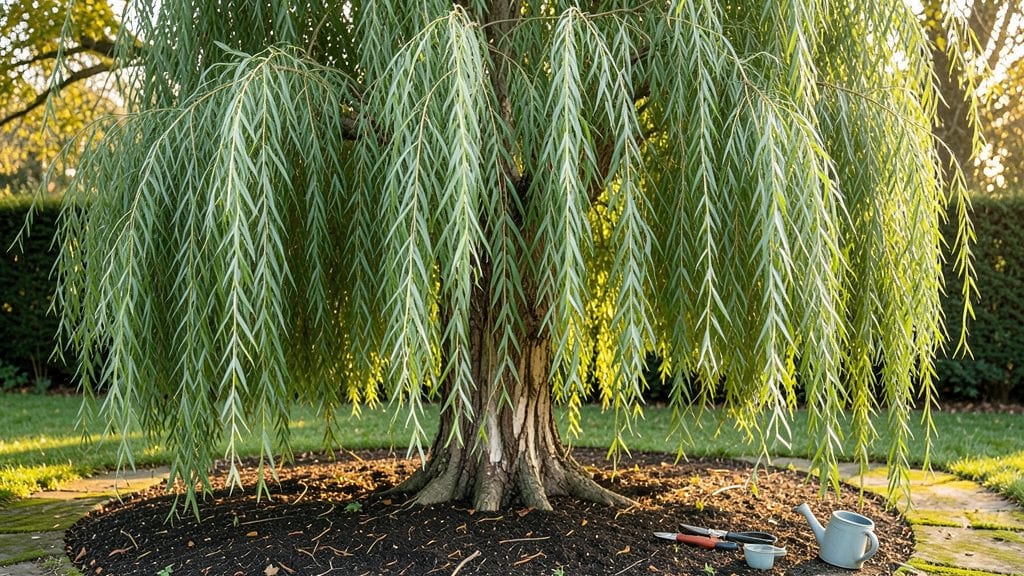
Ordering a weeping willow tree in Arkansas means bringing home a dramatic, fast-growing specimen that thrives in the state’s humid climate—if you pick the right supplier and planting spot. 🌳 The key is choosing a nursery that understands Arkansas’s USDA zones 7–9 and provides disease-resistant stock, since aphanomyces root rot lurks in many local soils.
My favorite local source is Arkansas Tree Farm in Little Rock, where they offer willows pre-screened for Arkansas conditions, plus free delivery within 50 miles. For bigger selections, Fast-Growing-Trees.com ships climate-adapted willows nationwide with detailed planting guides.
Either way, you’ll want a sunny, open area near water—willows love moisture but hate competing with roots.
Once planted in fall or early spring, these trees shoot up 10+ feet per year with minimal pruning, their drooping branches creating a living shade screen by summer. Just watch for aggressive root spread—keep them 50+ feet from septic systems and away from driveways.
The first few years focus on deep watering (2–3 inches per week) to establish roots before they dominate.
Arkansas homeowners should also check local ordinances—some counties restrict willows due to their invasive potential. When in doubt, call your Arkansas Cooperative Extension Service for zone-specific advice. With the right prep, your weeping willow will be the showstopper of your landscape for decades.
📚 In This Guide
- What you need
- Instructions
- Tips and common mistakes
- Wrapping up and next steps
What you need
- ● Weeping Willow Tree (Salix babylonica): 1–3 trees (depending on desired size and spacing; 20–30 ft apart for mature growth).
- ● Choose a container-grown or bare-root specimen from a reputable Arkansas nursery (e.g., Arkansas Tree Farm or local garden centers).
- ● Planting Hole Supplies: 1 shovel (or post-hole digger for larger roots).
- ● 1 wheelbarrow (for amending soil).
- ● Organic compost or peat moss (5–10 gallons, mixed into native soil).
- ● Slow-release fertilizer (10-10-10 or balanced NPK, 1–2 lbs per tree).
- ● Watering Tools: Garden hose with soaker hose or drip irrigation kit (for deep watering).
- ● 5-gallon watering can (for young saplings).
- ● Pruning Shears: 1 pair bypass pruners (for small branches, ¼"–¾" thick).
- ● 1 pair loppers (for medium branches, ¾"–2" thick).
- ● Safety Gear: Work gloves (heavy-duty, cut-resistant).
- ● Safety goggles (to protect from debris).
- ○ Optional: pole saw (for high branches, 2"–4" thick).
- ● Cleanup Supplies: Heavy-duty trash bags (for clippings).
- ● Disinfectant spray (70% isopropyl alcohol or copper-based fungicide to sterilize tools).
- ● Mulch: 2–3 inches of wood chips or pine straw (to retain moisture and suppress weeds).
- ● Tree Stake & Tie: 1 stake (if planting in windy areas) + soft tree tie (to support young trees temporarily).
- ● Soil Test Kit: To check pH and nutrient levels (Arkansas’ clay soil often benefits from amendments like gypsum or lime).
- ● Tree Guard: Plastic or metal tree collar to protect the trunk from mowers/lawn equipment.
Step-by-step guide to planting and caring for a weeping willow tree in Arkansas
Here’s how to establish a stunning weeping willow with minimal fuss—perfect for Arkansas’s climate.
🪴 Step 1: Choose the Right Location and Prepare the Soil
Weeping willows thrive near water but tolerate moist, well-drained soil. In Arkansas, pick a spot with full sun exposure—at least 6-8 hours daily—and plenty of space to spread, since these trees grow 30-50 feet wide. Avoid planting near foundations or septic systems due to their aggressive root system.
Test your soil’s moisture retention by digging a 12-inch hole and filling it with water. If it drains within 1-2 hours, your soil is ideal. If not, amend with 2-3 inches of compost to improve drainage. Arkansas’s clay-heavy soils often need this adjustment to prevent waterlogging.
🌱 Step 2: Plant the Tree at the Correct Depth and Stake for Stability
Dig a hole twice as wide as the root ball but no deeper. Gently remove the tree from its container and loosen any circling roots with your fingers. Place the tree in the hole so the top of the root ball sits 1-2 inches above ground level—this prevents rot in Arkansas’s humid summers.
Backfill with native soil, tamping lightly to remove air pockets. Water deeply to settle the soil, then install two sturdy stakes on opposite sides of the tree. Secure the trunk with a soft tree tie (never wire or plastic straps, which can girdle the bark). Mulch the base with 2-3 inches of organic mulch, keeping it 6 inches away from the trunk to prevent moisture buildup.
☀️ Step 3: Water Deeply and Adjust Care for Arkansas’s Seasons
Water the tree every 2-3 days for the first month, providing 10-15 gallons per watering to encourage deep root growth. After establishment, weeping willows tolerate drought once established but look their best with consistent moisture. In Arkansas’s heat, check soil moisture by sticking your finger 2 inches deep—if dry, water again.
Fertilize lightly in early spring with a balanced 10-10-10 fertilizer (follow package rates). Avoid heavy fertilization, as weeping willows grow rapidly and can become top-heavy. Prune only to remove dead or crossing branches—never "thin" for shape, as this stresses the tree.
✂️ Step 4: Monitor for Arkansas-Specific Pests and Diseases
Watch for aphids or willow borers, common in Arkansas’s warm climate. Treat aphids with a soapy water spray (1 tsp mild dish soap per gallon of water). For borers, apply beneficial nematodes in early spring before new growth begins. Avoid chemical sprays, which can harm the tree’s sensitive foliage.
If leaves yellow in late spring, it’s likely iron chlorosis—common in Arkansas’s alkaline soils. Amend soil with chelated iron or plant in a slightly acidic area. Weeping willows rarely need pruning beyond removing deadwood, but if branches grow too close to power lines, prune in late winter before buds swell.
⏰ Step 5: Plan for Long-Term Growth and Arkansas’s Climate
Weeping willows grow 3-5 feet per year, so monitor their spread and adjust nearby plantings accordingly. In Arkansas’s storm-prone areas, stake young trees for the first 2-3 years to prevent wind damage. Once established, these trees require almost no maintenance—just occasional watering in prolonged dry spells.
Enjoy your tree’s year-round beauty, from golden foliage in fall to soft, cascading branches in winter. Arkansas’s climate is ideal for weeping willows, provided you plant in the right spot and avoid over-pruning. With minimal effort, you’ll have a stunning, low-maintenance centerpiece for decades.
Tips & tricks for planting weeping willow trees in Arkansas
Took me a while to figure these out, so here's how to get your weeping willow off to the best start in Arkansas's unique conditions.
Location and Sunlight Strategy: Arkansas's summer sun is intense, so position your weeping willow where it gets that full 6-8 hours daily but with some afternoon shade if possible. The western exposure gets brutal heat—consider planting on the eastern side of your property to give it afternoon relief. The tree's wide spread means you'll need 30-50 feet of clear space, so measure twice before choosing your spot.
Soil Preparation Hack: Arkansas's clay-heavy soils can be tricky. After digging your 12-inch hole, mix in 2-3 inches of compost with the native soil before backfilling. This creates a moisture-retentive zone while preventing compaction. For even better drainage, consider adding a layer of coarse sand at the bottom of the hole—this prevents waterlogging while keeping roots hydrated.
Staking and Mulching Technique: When installing those two sturdy stakes, angle them slightly outward from the trunk (about 30 degrees) to prevent them from cutting into the bark as the tree grows. For mulching, use 2-3 inches of organic mulch but create a 6-inch gap around the trunk—this prevents moisture buildup that could lead to rot. I've seen many Arkansas gardeners make the mistake of piling mulch right against the trunk, which actually harms the tree.
Watering Wisdom: The 10-15 gallons per watering for the first month might seem like a lot, but it's crucial for establishing deep roots. Use a soaker hose placed at the drip line (edge of the root zone) rather than watering at the trunk. This encourages roots to spread outward rather than staying shallow. In Arkansas's heat, water in the early morning to prevent evaporation and fungal issues—midday watering can scorch the leaves.
Pro Tips for Order Weeping Willow Tree Arkansas
- Took me a while to figure these out, so here's how to get your weeping willow off to the best start in Arkansas's unique conditions.
- Location and Sunlight Strategy: Arkansas's summer sun is intense, so position your weeping willow where it gets that full 6-8 hours daily but with some afternoon shade if possible.
- Soil Preparation Hack: Arkansas's clay-heavy soils can be tricky.
Frequently asked questions
Got questions about ordering a weeping willow tree in Arkansas?
Here are some of the most common ones—plus expert answers to help you make the best choice for your landscape!
What’s the best time of year to plant a weeping willow in Arkansas?
For optimal root establishment, plant your weeping willow in early spring (March–April) or fall (October–November). Avoid extreme heat (summer) or freezing temperatures (winter), as these can stress young trees. Arkansas’s mild winters make fall a great second option—just ensure the ground isn’t frozen!
How much space does a weeping willow need to thrive in Arkansas?
These trees grow wide (30–50 feet) and tall (30–50 feet) over time! Plant at least 50–75 feet from structures, septic systems, or property lines to avoid root interference or overhanging branches. Arkansas’s clay-heavy soils benefit from extra space for root spread—don’t skimp!
Are weeping willows invasive in Arkansas, and should I avoid them?
While not legally invasive in Arkansas, weeping willows can spread aggressively via seeds and roots. If you’re near water bodies (e.g., lakes, ponds), check with local conservation groups first. For low-maintenance yards, consider dwarf varieties or container-grown trees to control spread.
Do weeping willows really require “minimal pruning”?
Yes—but with a caveat! They need light pruning in late winter (February) to shape branches and remove deadwood. Avoid heavy pruning, as it can stress the tree. Arkansas’s humid climate may also encourage fungal issues, so sterilize tools between cuts. Think of it as a 5-minute task, not a chore!
Where can I buy a high-quality weeping willow in Arkansas at a fair price?
Reputable local nurseries like Arkansas Nursery & Supply (Little Rock) or Tanglefoot Nursery (Fayetteville) offer healthy, Arkansas-climate-adapted trees. For online orders, check Fast-Growing-Trees.com or Nature Hills Nursery—both ship to AR and include planting guides. Pro tip: Ask for container-grown trees (1–3 years old) for faster establishment!
How do I prepare the soil for a weeping willow in Arkansas’s clay-heavy areas?
Amend the planting hole with compost or peat moss to improve drainage. Arkansas’s clay can suffocate roots, so avoid compacting soil during planting. A 6-inch layer of mulch (keep it 6 inches away from the trunk!) helps retain moisture and regulate temperature. Water deeply 2–3 times per week for the first year.
Wrapping up and next steps
Adding a weeping willow tree to your Arkansas landscape is a fantastic choice—it delivers stunning year-round beauty with surprisingly low-maintenance pruning. Whether you’re drawn to its graceful branches or its ability to thrive in Arkansas’ climate, this tree offers elegance without the hassle.
Now that you’re equipped with the right tools, techniques, and answers to common questions, it’s time to roll up your sleeves and plant your own masterpiece!
🌿 Next step: Check your local nursery for Arkansas-grown weeping willow saplings, mark your planting spot, and schedule your first pruning session—your future shady retreat awaits!