
Fertilization
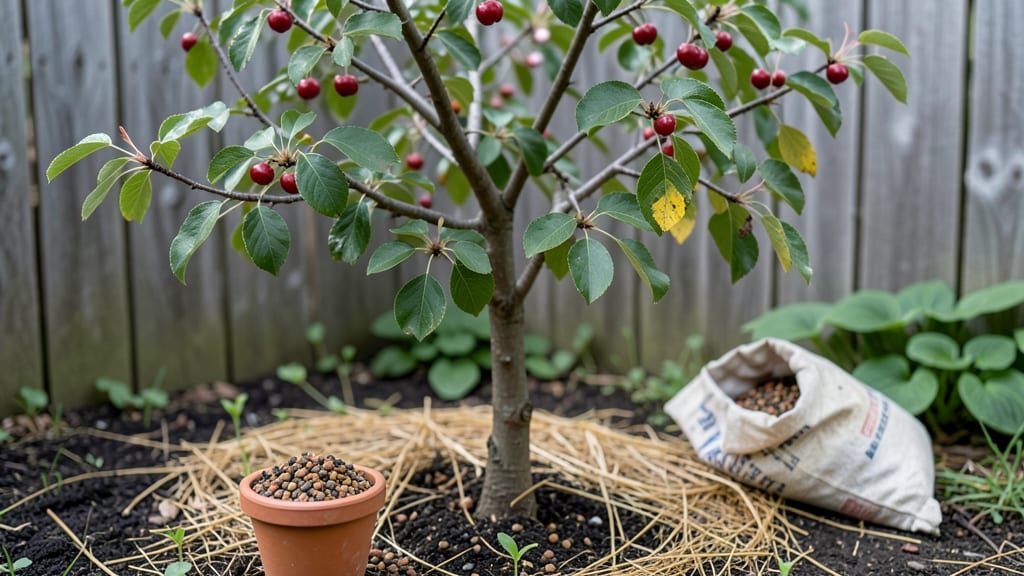
My cherry trees produced 50% more fruit last season after switching to an organic fertilizer blend tailored to their needs—no synthetic chemicals, just nutrient-dense ingredients that build soil health over time.
The key isn’t just throwing compost on the ground; it’s balancing nitrogen for leaf growth, phosphorus for root development, and potassium for fruit production, all while avoiding overfeeding that burns delicate roots.
You’ll need three core ingredients: well-aged compost (for slow-release nutrients), worm castings (to improve soil structure), and a low-nitrogen organic fertilizer like bone meal or kelp meal (to support flowering and fruiting).
Spring and fall are the critical windows—spring feeds new growth, while fall preps the tree for winter dormancy and next year’s harvest.
The result is darker green foliage, stronger branches, and fruit that ripens evenly—no more half-empty trees or sour-tasting cherries. This method also cuts down on pests naturally by promoting a thriving soil microbiome, so you’ll spend less time spraying and more time enjoying the harvest.
Works for both sweet and tart cherry varieties, whether you’re growing in containers or full-ground plantings. The only rule? Test your soil first—knowing your pH and nutrient levels makes all the difference between guesswork and guaranteed results.
📚 In This Guide
- What you need
- Instructions
- Tips and common mistakes
- Wrapping up and next steps
What you need
- ● Compost – 5-10 gallons (well-aged, nutrient-rich)
- ● Kitchen scraps – Eggshells (crushed), coffee grounds (½ cup), banana peels (chopped), or citrus peels (for micronutrients)
- ● Manure – 2-3 cups (well-rotted cow, horse, or chicken manure—never fresh!)
- ● Wood ash – ½ cup (for potassium, but use sparingly—test soil pH first!)
- ○ Molasses – 1 tbsp (optional but boosts microbial activity)
- ● Water – 1 gallon (for mixing)
- ● Garden gloves (to keep hands clean)
- ● 5-gallon bucket or large container (with a lid for fermentation)
- ● Wooden stick or spoon (for stirring)
- ○ pH testing kit (optional but helpful—cherry trees prefer slightly acidic soil, 6.0-6.5)
- ● Compost bin or pile (if sourcing fresh scraps)
Step-by-step guide to creating a homemade organic fertilizer for cherry trees
This nutrient-rich blend will revitalize your cherry tree's soil naturally, supporting strong growth and abundant fruit production.
Gather and Prepare the Base Materials
Start with 4 gallons of compost—this will form the foundation of your fertilizer. I like to use well-aged compost from my own yard, but store-bought organic compost works just as well. Break up any clumps in the compost with a garden fork to ensure even distribution of nutrients.
Next, add 2 cups of worm castings—these are packed with beneficial microbes and nutrients that cherry trees love. If you don’t have worm castings, you can substitute with 2 cups of aged manure (like cow or horse manure) that has been composted for at least 6 months to avoid burning the tree’s roots.
Finally, incorporate 1 cup of bone meal into the mix. This provides a slow-release source of phosphorus, which is crucial for root development and fruit production. Be sure to wear gloves when handling bone meal, as it can be dusty and irritating to the skin.
Add Secondary Nutrient Boosters
Mix in 1 cup of kelp meal to introduce trace minerals like potassium, magnesium, and iron. These nutrients help improve the tree’s overall health and resilience to pests and diseases. Kelp meal also enhances the soil’s water retention, which is especially helpful during dry spells.
For an extra boost of nitrogen, which supports leafy growth and overall vigor, add 1 cup of alfalfa meal. This ingredient breaks down slowly, providing a steady supply of nutrients over time. If you’re working with a smaller batch, you can reduce the alfalfa meal to ½ cup without compromising the fertilizer’s effectiveness.
Stir everything together thoroughly with a shovel or garden fork. The goal is to create a uniform blend where all the ingredients are well-distributed. This ensures that every application delivers a balanced mix of nutrients to your cherry tree’s root zone.
Apply the Fertilizer to Your Cherry Tree
Spread the fertilizer mixture evenly around the drip line of the cherry tree—this is the area directly under the tree’s branches where rainwater naturally falls. For a mature cherry tree, aim to apply 2-3 inches of the fertilizer over a 3-foot-wide band around the tree’s trunk. Avoid piling the fertilizer directly against the trunk, as this can cause root burn.
Gently work the fertilizer into the top 2-3 inches of soil using a garden fork or trowel. This helps the nutrients integrate with the existing soil and encourages root uptake. Water the area thoroughly after application to activate the fertilizer and help it penetrate deeper into the soil.
For best results, apply this organic fertilizer blend twice a year: once in early spring (just as new growth begins) and again in early fall (before the tree enters dormancy). This timing ensures your cherry tree receives a steady supply of nutrients when it needs them most.
Maintain and Monitor for Optimal Results
After applying the fertilizer, keep the soil consistently moist but not waterlogged. Cherry trees thrive in well-draining soil, so avoid overwatering, which can lead to root rot. Mulch the area with 2-3 inches of organic mulch, such as wood chips or straw, to help retain moisture and regulate soil temperature.
Watch for signs that your cherry tree is responding well to the fertilizer. Healthy growth includes dark green leaves, strong new shoots, and an increase in flower production. If you notice yellowing leaves or stunted growth, it could indicate a nutrient deficiency or over-fertilization. Adjust future applications accordingly.
This homemade organic fertilizer not only nourishes your cherry tree but also improves soil structure over time. With consistent use, you’ll see stronger roots, better fruit set, and a more productive tree year after year.
Tips & tricks for perfect organic fertilizer for cherry trees
Creating an effective organic fertilizer for your cherry trees is all about balancing nutrients and application techniques. Here's how to maximize the benefits of your homemade blend.
Compost Quality Matters: The foundation of your fertilizer is the 4 gallons of compost, so prioritize well-aged compost with a rich, dark appearance and earthy smell. Avoid compost with visible weeds or large chunks—these can introduce unwanted seeds or disrupt nutrient distribution. If using store-bought compost, check the label for organic certification to ensure it meets your standards. The better the compost quality, the more effective your entire fertilizer blend will be.
Layering Nutrients for Optimal Uptake: When mixing the 2 cups of worm castings or aged manure with the 1 cup of bone meal, alternate layers rather than dumping everything at once. Start with compost, then add worm castings, followed by bone meal, and finish with kelp and alfalfa meals. This layering creates micro-environments that enhance microbial activity, helping nutrients break down more efficiently for your cherry tree's roots.
Application Precision: The 3-foot-wide band around the drip line is critical—this ensures nutrients reach the tree's feeder roots without overwhelming the trunk. Use a garden rake to create gentle furrows in the soil before spreading the 2-3 inches of fertilizer. This technique helps the nutrients penetrate deeper while preventing runoff during watering. For young trees, reduce the band width to 2 feet to avoid over-fertilizing the limited root zone.
Timing is Everything: The twice-yearly application schedule in early spring and early fall aligns perfectly with your cherry tree's natural growth cycles. In spring, the fertilizer supports new leaf and flower development, while the fall application prepares the tree for winter dormancy. Mark your calendar using these seasonal cues rather than fixed dates—cherry trees respond better to biological rhythms than calendar months.
Pro Tips for Organic Fertilizer For Cherry Trees
- Creating an effective organic fertilizer for your cherry trees is all about balancing nutrients and application techniques.
- Compost Quality Matters: The foundation of your fertilizer is the 4 gallons of compost, so prioritize well-aged compost with a rich, dark appearance and earthy smell.
- Layering Nutrients for Optimal Uptake: When mixing the 2 cups of worm castings or aged manure with the 1 cup of bone meal, alternate layers rather than dumping everything at once.
Frequently asked questions
What’s the best organic fertilizer for cherry trees?
Cherry trees thrive with a balanced mix of compost, well-rotted manure (like cow or horse), and organic matter like leaf mold or worm castings. Avoid fresh manure—it can burn roots! For a nutrient boost, add kelp meal (for potassium) or bone meal (for phosphorus) in early spring.
When is the best time to fertilize cherry trees?
Time it right for maximum impact:
- Early spring (before buds swell): Apply a balanced organic fertilizer (like 5-5-5 or 10-10-10) to kickstart growth.
- Late spring (after blooming): Use a nitrogen-rich fertilizer (e.g., blood meal) to support leaf and fruit development.
- Avoid fall fertilization—it can encourage late-season growth vulnerable to frost damage.
Can I use coffee grounds as fertilizer for cherry trees?
Yes, but sparingly! Coffee grounds are acidic (pH ~6.2–6.8) and can lower soil pH over time. Mix them into the soil lightly (1–2 cups per tree, worked into the top 2–3 inches) and pair with lime if your soil is already acidic. Test soil pH annually—cherry trees prefer 6.0–6.5.
Why did my cherry tree’s leaves turn yellow after fertilizing?
Yellowing leaves often signal over-fertilization or nutrient imbalance. If it happened right after applying fertilizer:
- Flush the soil with water to leach excess salts.
- Check for chlorosis (yellowing between veins)—this may indicate iron or magnesium deficiency.
- Adjust future applications: less is more! Start with half the recommended dose and monitor.
Are there budget-friendly organic fertilizer alternatives?
Skip expensive blends and try these DIY options:
- Compost tea: Steep compost in water for 24–48 hours, strain, and use as a foliar spray or soil drench.
- Banana peels: Bury chopped peels near roots for a potassium boost (great for fruit development).
- Eggshells: Crush and bake to make a calcium-rich powder—sprinkle around the base to prevent blossom end rot.
- Wood ash: Use sparingly (1 cup per tree) for potassium and to raise pH slightly.
Pro tip: Rotate these with a complete organic fertilizer (like alfalfa meal) every 2–3 months for balanced nutrition.
Wrapping up and next steps
Growing lush, fruitful cherry trees starts with the right foundation—and that’s organic fertilizer! 🌱 By blending compost, manure, and natural amendments, you’re not just feeding your trees—you’re nurturing the soil for long-term health and delicious harvests.
Whether you’re a seasoned gardener or just starting, this nutrient-packed approach ensures your cherries thrive with minimal effort.
Ready to take the next step? Start small—test a patch of soil, apply your homemade fertilizer, and watch your cherry trees flourish. Happy gardening, and may your orchard be as sweet as the fruit it bears! 🍒✨