
Pruning
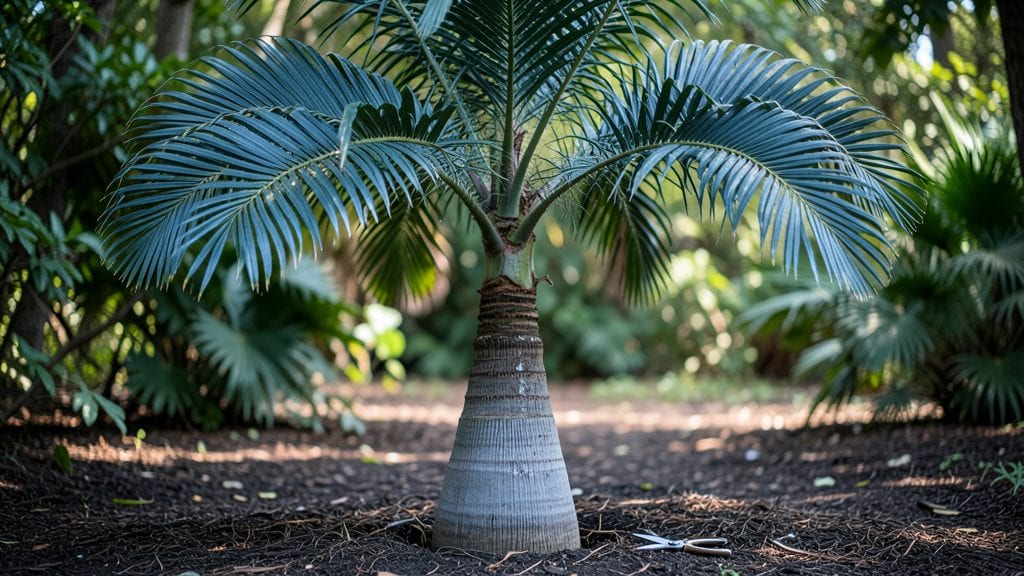
The palm royal tree thrives in Pacific Northwest gardens where most palms would freeze—its secret is knowing when and how to prune for resilience. I’ve watched mine survive winters that kill neighbors’ tropical plants, all thanks to strategic cuts that encourage strong regrowth.
The key isn’t just trimming dead fronds; it’s timing the prune to avoid frost damage while keeping the crown healthy enough to bounce back.
You’ll need sharp pruners, a ladder (for mature trees), and a clear day when temperatures stay above 40°F—this prevents shock and lets wounds heal faster.
Start by removing only the brown, dry fronds at the base; never cut more than a third of the fronds at once, or you’ll stress the tree. The goal is to mimic nature: let it shed old leaves gradually while keeping the canopy open enough for air circulation.
What you’ll end up with is a frost-hardier palm that pushes out fresh, vibrant fronds by spring, often with fewer brown patches than before. The tree’s natural resilience kicks in after pruning, and you’ll notice new shoots emerging from the trunk within 6-8 weeks.
This isn’t just about aesthetics—it’s about giving your palm the best shot at surviving PNW winters.
Works for both young palms in containers and established trees in the ground, though container palms need extra winter protection. The same principles apply whether you’re shaping a small patio specimen or maintaining a 20-foot garden centerpiece. Let’s get those fronds trimmed the right way!
📚 In This Guide
- What you need
- Instructions
- Tips and common mistakes
- Wrapping up and next steps
What you need
- ● Pruning shears: Bypass pruners (sharp, 6-8" blades) for small fronds and stems.
- ● Loppers: Heavy-duty (20-24" handles) for thicker branches (cutting capacity: 1.5-2" diameter).
- ● Pole saw: Extendable (10-15 ft) for high fronds—look for a smooth-cutting blade to avoid tearing.
- ● Safety gear: Work gloves (cut-resistant, e.g., Mechanix or Tough Outdoors).
- ● Safety goggles (ANSI Z87.1 rated).
- ● Long sleeves/pants (lightweight, breathable fabric).
- ● Disinfectant: 70% isopropyl alcohol or horticultural-grade pruning sealant (1 bottle).
- ● Heavy-duty trash bags: 30-gallon size (2-3 bags) for debris removal.
- ● Ladder: Extension ladder (16-20 ft, D-rated) with non-slip feet.
- ● Rope or harness: Safety harness (if working >10 ft high) + secure anchor point.
- ● Pruning saw: For stubborn, thick stems (avoid if using a pole saw).
- ● Leaf blower: Cordless (20V+) for quick cleanup.
- ● Tree wound dressing: Pruning paste (1 small tube) to seal cuts >0.5" diameter.
- ● Camera/phone: For documenting before/after progress.
- ● Cooling towel: For PNW’s unpredictable weather (trust us, it’s a game-changer!).
Step-by-step guide for pruning your palm royal tree
Here's how I keep my Pacific Northwest palms healthy through seasonal changes.
✂️ Step 1: Identify the Right Time to Prune
Prune your Palm Royal tree in late winter or early spring, just as new growth begins but before buds swell. This timing ensures you remove dead fronds while leaving enough foliage for photosynthesis during winter's shorter days. I wait until temperatures consistently stay above 40°F—any colder and new cuts may struggle to heal properly.
Look for brown, dry fronds that hang limp—these are ready for removal. Healthy fronds should be green with some yellowing at the edges. If you prune too early, you risk exposing the trunk to cold damage. If you wait too long, dead fronds can harbor pests or diseases that spread to fresh growth.
✂️ Step 2: Gather the Right Tools and Safety Gear
You'll need sharp pruning shears for smaller fronds and a pruning saw for thicker stems. I always wear gloves (palm fronds have sharp edges) and eye protection—sap can irritate eyes, and falling fronds are heavy. A ladder helps reach higher branches safely, but never stand on the top rung.
Disinfect your tools with rubbing alcohol or a 10% bleach solution before and after pruning. This prevents spreading fungal spores or bacterial infections between cuts. I keep a small spray bottle of the bleach mix handy for quick cleanups between fronds.
✂️ Step 3: Remove Dead and Damaged Fronds
Cut each frond at its base, where it meets the trunk. Make clean cuts at a 45-degree angle about ½ inch above the trunk to prevent water from pooling and rotting the tissue. Avoid leaving stubs—they trap moisture and invite disease. If a frond is too thick for shears, use the pruning saw to sever it cleanly.
Work from the outside in, removing the largest dead fronds first. This prevents shading healthy growth while you work. If you notice yellowing fronds with brown tips, these are likely nutrient-deficient and should be pruned too. Never remove more than ⅓ of the fronds at once—this ensures the tree retains enough foliage for energy production.
✂️ Step 4: Prune for Shape and Airflow
Step back and assess the tree's shape. Palm Royals grow naturally upright, but crossing or rubbing fronds should be trimmed to prevent damage. Focus on inner fronds that may be blocked by outer growth—these often receive less light and can become weak. Cut these back to encourage stronger, sun-exposed growth.
Thin out fronds that grow too close together to improve air circulation, which reduces humidity-related diseases like fungal leaf spot. Aim for a balanced, open canopy that lets sunlight reach the lower trunk. If you're unsure about a cut, leave it—better to err on the side of caution with palms.
✂️ Step 5: Clean Up and Monitor Recovery
Rake up all debris and dispose of it in the trash—never compost palm fronds, as they can harbor pests. I sweep the area under the tree to remove fallen leaves and sap. Water the base of the tree deeply after pruning to help it recover, but avoid overwatering, which can stress fresh cuts.
Watch for new growth at the crown within 4-6 weeks. Healthy fronds will unfurl green and firm, not yellow or wilted. If you see oozing sap at pruning sites, it’s normal—just keep the area dry. Avoid fertilizing immediately after pruning; wait until new growth appears before applying nutrients.
Tips & tricks for pruning your palm royal tree
Here's what I've learned after years of pruning these Pacific Northwest stalwarts—tricks that'll keep your tree thriving through our wet winters.
Timing is Everything: The late winter/early spring window is critical because it gives your tree time to recover before summer's heat. I've found that waiting until temperatures consistently stay above 40°F makes all the difference—cold weather can shock the tree and slow healing. If you're in doubt, check your local frost dates as a general guideline.
Tool Prep Prevents Problems: Before you even touch a frond, disinfect your tools with that 10% bleach solution—it's your first line of defense against spreading disease. I keep my pruning shears and saw in a bucket of the solution between cuts, especially when working on multiple trees. This simple step has saved me from dealing with fungal infections in past seasons.
Cutting Technique Matters: That 45-degree angle cut about ½ inch above the trunk isn't just arbitrary—it's what prevents water from pooling and rotting the tissue. I've seen too many pruning jobs where people leave stubs or cut too close, leading to those ugly blackened spots at the base. Take your time with this step; it's worth the extra few seconds per frond.
Monitor Recovery Like a Pro: Those 4-6 weeks until new growth appears can feel like forever, but it's crucial to resist the urge to fertilize or prune again too soon. I've learned to mark my calendar and check the tree weekly during this period. Healthy new fronds should unfurl bright green and firm—not yellow or wilted. If you see sap oozing, just keep the area dry and let nature take its course.
Pro Tips for Palm Royal Tree
- Here's what I've learned after years of pruning these Pacific Northwest stalwarts—tricks that'll keep your tree thriving through our wet winters.
- Timing is Everything: The late winter/early spring window is critical because it gives your tree time to recover before summer's heat.
- Tool Prep Prevents Problems: Before you even touch a frond, disinfect your tools with that 10% bleach solution—it's your first line of defense against spreading disease.
Frequently asked questions
Got questions about nurturing your palm royal tree in the Pacific Northwest’s chilly climate? You’re not alone! Here are answers to the most common queries—from pruning tips to frost resilience and beyond.
How do I know when to prune my palm royal tree?
Prune your palm royal tree after new fronds unfurl in late spring or early summer (May–June). Avoid pruning in winter, as cold stress weakens the tree. Pro tip: Never remove more than 20% of fronds at once—this ensures the tree retains energy for frost recovery.
Can palm royal trees survive PNW winters?
Yes! Palm royal trees are frost-resistant (down to 20°F) but may show temporary browning. Prune dead fronds in early spring only after new growth appears. Mulch the base with 6–12 inches of wood chips to insulate roots.
What’s the best way to prune damaged fronds?
Use sterilized pruning shears to cut fronds at the base where they meet the trunk. Avoid leaving stubs—this prevents disease. For large fronds, wear gloves (they’re serrated!). Disinfect tools with rubbing alcohol between cuts.
Are there alternatives to palm royal trees for cold climates?
If you want a tropical look but need hardier options, consider:
- Windmill palm (Trachycarpus fortunei) – Survives 10°F!
- Dwarf palmetto (Sabal minor) – Cold-tolerant and low-maintenance.
- Japanese windmill palm (Trachycarpus wagnerianus) – Thrives in USDA Zones 7–10.
Why are my palm royal tree’s fronds turning yellow/brown?
Yellowing fronds often mean overwatering or nutrient deficiency. Brown tips? Likely underwatering or salt buildup (from tap water). Fix it:
- Water deeply once a week (check soil moisture 2” down).
- Flush soil with rainwater to reduce salt.
- Fertilize in spring with palm-specific fertilizer (low nitrogen).
Wrapping up and next steps
The palm royal tree thrives in the Pacific Northwest with the right care—especially when it comes to pruning for frost resilience. By following the steps outlined—timing, tools, and techniques—you’ll ensure a strong, healthy tree that stands up to cold snaps while keeping its majestic beauty. 🌿❄️
Ready to give your palm royal the TLC it deserves? Start with a quick health check this season: inspect for frost damage, sharpen your pruners, and plan your cuts. Your tree (and future garden vibes) will thank you!