
Pruning
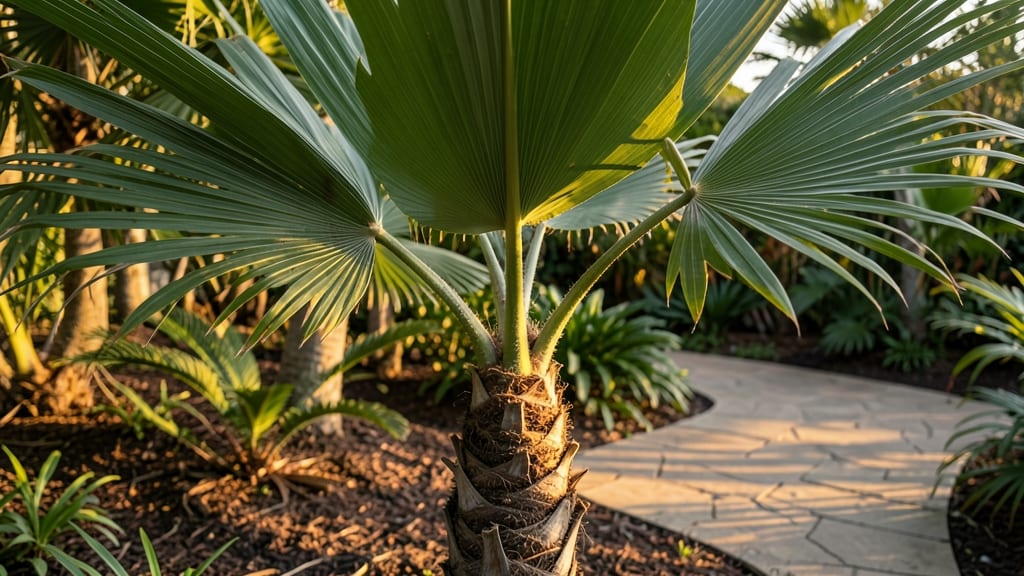
When palm tree fronds turn brown or yellow, it’s not just an eyesore—it’s a sign your tree needs a strategic trim. ✂️ I’ve been pruning palms for years, and I’ve learned that three simple cuts can revive a struggling tree or keep a healthy one thriving all year.
The key is knowing which fronds to remove (and which to save) before pests or disease take over.
Most people wait until fronds are completely dead to prune, but that’s too late. Instead, I remove fronds that are more than 30% brown, have pest damage, or are blocking sunlight from reaching the crown.
You’ll need a sharp pruning saw, gloves, and a ladder—though smaller palms can be done from the ground with the right tool. The process takes under an hour for most trees.
What you’ll end up with is a palm that looks neat, balanced, and full of new growth. The right cuts encourage fresh fronds to unfurl, and you’ll notice fewer pests lingering in dead leaves.
Plus, your tree will have better air circulation, which cuts down on fungal issues. Think of it like a haircut—regular maintenance keeps things looking sharp and healthy.
This method works for indoor palms, outdoor landscape trees, and even large varieties like Canary Island palms. Just adjust your approach based on the size and type—some palms need more frequent trims than others. Let’s get those fronds looking fresh again!
📚 In This Guide
- What you need
- Instructions
- Tips and common mistakes
- Wrapping up and next steps
What you need
- ● Pruning shears or loppers: Choose bypass pruners (for clean cuts) or loppers (for thicker fronds). Size: 6–10" blades for most palms.
- ● Heavy-duty gloves: Leather or cut-resistant (palm fronds have sharp serrations!). Quantity: 1 pair.
- ● Safety glasses: Protect your eyes from debris. Type: ANSI-rated for impact resistance.
- ● Ladder or lift: Extension ladder (24–30 ft for tall palms) or a cherry picker (for professional-grade work). Safety tip: Use stabilizers!
- ● Disinfectant (70% isopropyl alcohol or bleach solution): Clean tools between cuts to prevent disease spread.
- ● Heavy-duty trash bags or bin: Size: 30–50 gallon for frond debris.
- ○ Rope or harness (optional but recommended): For working at heights—fall protection is key!
- ● Pruning saw: For very thick fronds (e.g., coconut palms). Blade type: Curved or bow saw.
- ● Hose or bucket of water: Dampen fronds slightly to reduce dust and make cutting easier.
- ● Sharpie or marker: Mark cutting lines on fronds for precision (great for beginners!).
- ● Compost bin: Break down fronds into mulch for your garden!
- ● Friend or assistant: Safety in numbers! One person to hold the ladder while you work.
Step-by-step guide to palm tree frond pruning
Here’s the straightforward method I’ve used to keep palms thriving—no complicated tools or guesswork.
✂️ Step 1: Identify Dead or Yellowing Fronds
Start by examining your palm from top to bottom. Look for fronds that are completely brown, dry, or brittle—these are dead and need removal. I also check for yellowing fronds that haven’t recovered after several weeks, as these can drain energy from the plant. Healthy fronds have vibrant green blades and flexible stems.
Gently shake each frond—if it crumbles easily, it’s dead. If it’s still slightly green but weak, wait a few more weeks before pruning. The goal is to remove only what’s truly dead or dying. This ensures you don’t accidentally harm the palm’s ability to photosynthesize.
✂️ Step 2: Cut Dead Fronds at the Base
Use clean, sharp pruning shears or a handsaw (for thicker stems) to make a clean cut about 1 inch above the point where the frond meets the trunk. Avoid cutting into the trunk itself—this can introduce disease. I angle the cut slightly downward to prevent water from pooling and rotting the wound.
For very large fronds, I cut them into manageable sections before removing them entirely. This makes cleanup easier and reduces the risk of damaging nearby fronds. After cutting, I dispose of the dead material immediately to prevent pests or disease from spreading.
✂️ Step 3: Trim Ragged or Torn Fronds for Aesthetics
Once you’ve removed the dead fronds, scan the remaining healthy ones for any that are torn, split, or overly ragged. These don’t need full removal but can be trimmed to improve the palm’s appearance. Use pruning shears to snip off the damaged sections, cutting back to clean, healthy tissue.
Here’s the thing—don’t overdo it. Only trim what’s necessary to maintain the palm’s shape and health. Over-pruning can stress the plant, especially in hot or dry conditions. After trimming, step back and admire your work—the palm should look balanced and well-maintained.
💧 Step 4: Clean Up and Monitor for Recovery
After pruning, remove all debris from the base of the palm and surrounding area. This prevents pests and disease from taking hold. I also give the palm a light watering to help it recover, especially if the weather is dry. Avoid heavy watering immediately after pruning, as the open cuts can absorb too much moisture and rot.
Watch the palm closely in the days and weeks after pruning. New growth should emerge from the center of the crown within a few months. If you notice any unusual wilting, browning, or pest activity, address it promptly. A well-pruned palm will reward you with fresh, vibrant fronds and a stronger overall structure.
Tips & tricks for perfect palm tree frond pruning
Here’s what nobody tells you about keeping your palm looking its best with minimal effort.
Timing is Everything: The best time to prune is during the warmest part of the day when temperatures are above 70°F. This helps prevent shock to the plant and allows any small wounds to heal faster. I’ve found that early afternoon works best—just avoid pruning during extreme heat or cold snaps, which can stress the palm.
Tool Selection Matters: While pruning shears work for most fronds, a sturdy handsaw is essential for thicker stems. I always keep a clean, sharp pair of shears on hand for smaller cuts, but for larger fronds, a handsaw makes the job much easier. Just be sure to disinfect your tools with rubbing alcohol before and after use to prevent spreading disease between cuts.
Visual Cues for Healthy Growth: After pruning, healthy new fronds should emerge from the center of the crown within 2-3 months. Look for fresh, vibrant green growth as a sign that your palm is recovering well. If you don’t see new growth after 4-6 months, it might be time to assess other factors like sunlight, water, or soil health.
Safety First: Wear gloves when handling palm fronds—they can be sharp and sometimes harbor pests. I also recommend wearing long sleeves and eye protection, especially when dealing with large fronds that might snap back unexpectedly. Always prune from a stable ladder or stand, and never reach too far to avoid losing your balance.
Pro Tips for Palm Tree Frond
- Here’s what nobody tells you about keeping your palm looking its best with minimal effort.
- Timing is Everything: The best time to prune is during the warmest part of the day when temperatures are above 70°F.
- Tool Selection Matters: While pruning shears work for most fronds, a sturdy handsaw is essential for thicker stems.
Frequently asked questions
Got questions about pruning palm tree fronds? You’re not alone! Here are some of the most common concerns—and straightforward answers—to keep your palms thriving with minimal stress.
When is the best time of year to prune palm tree fronds?
Prune only when fronds are dry and brown (never green or healthy ones!). The best time is late winter to early spring before new growth starts. Avoid pruning during extreme heat or cold—palms heal fastest in mild weather. Pro tip: If you’re in a warm climate (like Florida or California), you can prune year-round as long as fronds are dead.
How do I tell if a frond is dead vs. just dormant?
Dead fronds are crispy, brown, and brittle—they’ll snap easily when bent. Dormant fronds (common in winter) are still green or slightly yellow but flexible. Wait until they’re completely dry (no moisture when squeezed) before cutting. Never prune green fronds—it stresses the tree and invites pests!
Can I prune palm fronds too much? What are the signs?
Yes! Over-pruning removes the tree’s food source (fronds produce energy via photosynthesis). Signs of over-pruning include yellowing new fronds, stunted growth, or exposed trunk (more than 1/3 of the crown removed). Rule of thumb: Never remove more than 1/3 of the fronds at once, and always leave at least 6–8 healthy fronds on mature palms.
What can I do with palm fronds after pruning?
Don’t toss them! Palm fronds are versatile:
- Compost: Chop into small pieces and add to your compost pile (rich in potassium!).
- Mulch: Spread around the base of other plants to retain moisture.
- DIY Projects: Weave into baskets, use for natural roofing, or make eco-friendly decorations.
- Animal Bedding: Great for horse stalls or pet areas (absorbs odors!).
Why do my palm fronds keep getting infested after pruning?
Infestations often happen when sap or debris lingers on the tree. After pruning:
Prune during dry, sunny days to deter fungal growth—moisture invites pests!
Wrapping up and next steps
Pruning your palm tree fronds doesn’t have to be intimidating—just a few strategic cuts can keep your tree thriving year-round! 🌿 Whether you’re removing dead fronds, shaping for aesthetics, or encouraging new growth, mastering these three simple techniques ensures a healthier, more vibrant palm.
Start small, stay consistent, and watch your tree flourish with minimal effort.
Ready to take action? Grab your tools and schedule your next pruning session—your palm (and your curb appeal) will thank you! For extra confidence, watch a quick tutorial or consult a local arborist to refine your skills. Happy pruning!