
Pruning
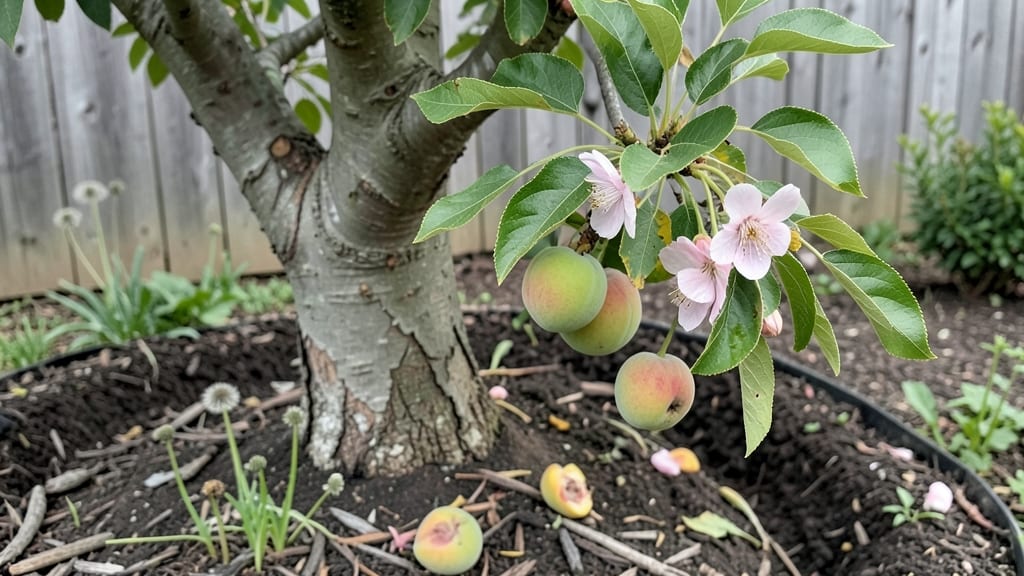
The peach tree cycle in the Pacific Northwest demands a different rhythm than most guides suggest—late frosts, damp winters, and short growing seasons mean timing is everything. 🌱 I’ve spent years watching my trees struggle with off-schedule blooms and fruit drop, only to learn the real secret isn’t just pruning but reading the climate’s cues.
The wrong cut in early spring can leave your tree vulnerable to frost damage, while skipping winter prep might invite pests to move in.
This cycle starts in late winter, when dormant trees need their first pruning to shape branches and remove dead wood—before buds even swell. Then comes the high-stakes bloom period in early spring, where a single late frost can wipe out weeks of growth.
Summer’s focus shifts to thinning fruit for bigger, sweeter peaches, and by fall, you’re prepping for winter by fertilizing and protecting bark from gnawing rodents. Each phase builds on the last, and missing one throws off the whole year.
By following this calendar, you’ll harvest juicy, flavorful peaches instead of small, sour ones—and avoid the heartbreak of frost-killed blossoms. The key is adjusting to your microclimate: in colder zones, delay pruning until after the last frost date, while milder areas can start earlier.
I’ll show you exactly when to act, what to look for, and how to troubleshoot if your tree seems off-schedule.
Whether you’re a first-time grower or a veteran with frost-bitten regrets, this guide keeps your peach tree thriving through the Pacific Northwest’s unpredictable seasons. Let’s get those branches in shape for next year’s harvest.
📚 In This Guide
- What you need
- Instructions
- Tips and common mistakes
- Wrapping up and next steps
What you need
- ● Pruning shears: Bypass pruners (sharp, 6–8" blades) for small branches.
- ● Loppers: 10–12" bypass loppers for thicker branches (½–2" diameter).
- ● Pruning saw: Curved-tooth saw for branches >2" in diameter.
- ● Disinfectant: 70% isopropyl alcohol or 10% bleach solution (1 part bleach to 9 parts water) to sterilize tools between cuts.
- ● Gloves: Heavy-duty gardening gloves (cut-resistant for safety).
- ○ Pruning sealant: Optional but helpful for sealing large cuts (e.g., Tanglefoot Tree Wound Pruning Sealer).
- ● Peach tree variety: Choose frost-resistant cultivars like Redhaven, Suncrest, or Reliance for PNW’s chilly climate.
- ● Weather check: Prune on a dry, calm day (avoid frost or rain within 24 hours).
- ● Safety gear: Long sleeves/pants and closed-toe shoes to protect from thorns and debris.
- ● Cleanup supplies: Heavy-duty trash bags (for pruned branches) and a bucket of soapy water (to clean tools post-pruning).
Step-by-step guide to managing a frost-resistant peach tree in the Pacific Northwest
Here’s how I keep my peach tree thriving through our region’s tricky climate—pruning, protection, and timing all matter.
✂️ Step 1: Late Winter Pruning (Before Bud Break)
Start pruning your peach tree in late February or early March, just as buds begin to swell but before any green shows. This timing ensures you remove weak growth while preserving energy for spring. I use clean, sharp pruners to make cuts at a 45-degree angle, about ¼ inch above a bud—this prevents water from pooling and rotting the branch.
Remove any dead, diseased, or crossing branches first. Then thin the canopy to let light reach the center—peach trees need 6-8 hours of sun daily. Aim to keep the tree open and airy; this reduces frost pockets where cold air can collect and damage blossoms. If you’re unsure which branches to cut, look for suckers (shoots growing from the base) and water sprouts (vertical shoots with no buds). These steal energy from fruit production.
🌿 Step 2: Frost Protection for Blooming Trees (Mid-April)
When your peach tree starts flowering, late April frosts can wipe out blossoms overnight. Here’s how I protect mine: First, wrap the tree trunk with tree wrap or bubble wrap in early spring to prevent sunscald. Then, on nights when frost is forecasted, drape frost cloth over the branches or set up a fan to circulate warm air from a nearby heat source (like a south-facing wall).
If you’re planting a new tree, choose frost-resistant varieties like ‘Redhaven’ or ‘Elberta’—they handle our region’s chill better than others. Avoid over-fertilizing in early spring; too much nitrogen encourages leafy growth at the expense of frost hardiness. Instead, apply a balanced 10-10-10 fertilizer in early May, once the danger of frost has passed.
☀️ Step 3: Summer Care (June–August)
Once fruit sets, focus on watering deeply once a week (about 10-15 gallons per tree) to encourage strong root growth. Peach trees hate soggy soil, so ensure your planting site has well-draining soil. Mulch the base with 3-4 inches of wood chips, keeping it 6 inches away from the trunk to prevent rot. This keeps roots cool and conserves moisture.
Watch for peach tree borers—tiny holes in the bark or sawdust-like frass are telltale signs. If you spot them, apply beneficial nematodes or neem oil in early summer. Thin out overcrowded fruit in June to leave 6-8 inches between peaches; this prevents branches from breaking under the weight. You’ll know you’ve thinned enough when you can see sunlight through the canopy.
⏰ Step 4: Fall Preparation (October–November)
In late October, remove any remaining fruit that hasn’t ripened—it won’t survive the winter, and leaving it on the tree attracts pests. Prune again lightly to remove suckers and weak growth, but avoid heavy cuts this late in the season. Apply a 2-3 inch layer of mulch around the base to insulate roots from freezing temperatures. I also wrap the trunk with tree guard to protect it from rodents and sunscald.
Peach trees go dormant in November, but don’t prune then—wait until late winter. If you’re in a cooler microclimate (like the Cascades), consider planting near a south-facing wall to capture winter sun. This extra warmth can mean the difference between a tree that survives and one that struggles. By mid-November, stop watering entirely—wet soil freezes harder and can damage roots.
Tips & tricks for managing your frost-resistant peach tree
These practical strategies will help you navigate our region's unique challenges and keep your tree thriving year-round.
Timing is Everything: The late February to early March window for pruning is critical—buds should be swollen but not yet green. I learned this the hard way after pruning too early and accidentally removing potential fruit-bearing branches. Check daily during this transition period and mark your calendar for the exact moment when buds begin to plump up. This precise timing ensures you're removing only the weak growth while preserving next year's harvest potential.
Frost Protection Hacks: For those unpredictable late April frosts, I've found that combining methods works best. Start with tree wrap in early spring, then add frost cloth when temperatures dip below 32°F. The key is to create airflow—don't let the frost cloth touch the branches. I also keep a small fan handy to circulate warm air from nearby walls. If you're in a frost-prone microclimate, consider planting near a south-facing wall to capture that extra winter sun.
Summer Watering Wisdom: Those 10-15 gallons per week might seem like a lot, but peach trees actually need less frequent, deeper watering. I use a rain gauge to track moisture levels—when it's been dry for a week, I water slowly at the base until I see water draining from the soil. The 3-4 inch mulch layer helps tremendously by locking in moisture. Pro tip: Water in the morning so the foliage has time to dry before evening, reducing disease risk.
Fall Cleanup Strategy: When removing unripe fruit in late October, don't just toss it—compost it or use it for homemade peach jam. The 2-3 inch mulch layer you add now will protect roots through winter, but make sure to keep it 6 inches away from the trunk to prevent rot. I also recommend wrapping the trunk with tree guard before the first hard freeze—this protects against both rodent damage and winter sunscald that can occur when temperatures fluctuate.
Pro Tips for Peach Tree Cycle
- These practical strategies will help you navigate our region's unique challenges and keep your tree thriving year-round.
- Timing is Everything: The late February to early March window for pruning is critical—buds should be swollen but not yet green.
- Frost Protection Hacks: For those unpredictable late April frosts, I've found that combining methods works best.
Frequently asked questions
Got questions about timing, frost resistance, or peach tree care? Here are some of the most common ones—plus expert-backed answers to keep your tree thriving in the Pacific Northwest’s unique climate.
When is the best time to prune a peach tree in the PNW?
The ideal window is late winter to early spring (February–March), after the worst frost risk has passed but before buds swell. This balances frost protection with early-season growth. Avoid pruning in fall—it invites disease and weakens frost resistance.
How do I protect my peach tree from late frosts?
Use frost cloths or row covers for young trees, and prune to open the canopy for better airflow. Mature trees benefit from mulching (3–4 inches of wood chips) to insulate roots. Never prune heavily in fall—it stresses trees and makes them more frost-sensitive.
Can I prune a peach tree in summer?
Summer pruning is risky in the PNW—it can stimulate late-season growth that’s vulnerable to frost. If you must, do light pruning (removing only water sprouts or diseased branches) in early summer (June). Avoid heavy cuts after July.
Why aren’t my peaches ripening, even after pruning?
Check for 3 key issues:
- Frost damage: Late frosts can kill blossoms. Monitor forecasts and protect flowers with frost blankets.
- Over-pruning: Too many cuts reduce energy for fruit. Aim for 20–30% removal max.
- Nutrient deficiency: Test soil for zinc or boron—common in PNW soils—and amend if needed.
Are there frost-resistant peach tree alternatives?
Yes! Consider these PNW-friendly varieties:
Variety
Frost Tolerance
Notes
Redhaven
Moderate (survives ~20°F with protection)
Classic choice; needs spring frost protection.
Suncrest
Better (handles ~18°F)
Yellow-fleshed; self-pollinating.
Reliance
Top pick (tolerates ~15°F)
Dwarf variety; great for containers.
Wrapping up and next steps
Understanding the peach tree cycle in the Pacific Northwest—and its unique frost-resistant needs—is your first step to a thriving orchard. By pruning at the right times (late winter to early spring) and preparing for late frosts, you’ll protect your tree’s health and boost fruit production. You’ve got this! 🌱
Ready to take action? Start by marking your calendar for late February or early March—the ideal window for pruning—then gather your tools and dive in. Every cut brings you closer to a bountiful harvest! 🍑