
Size
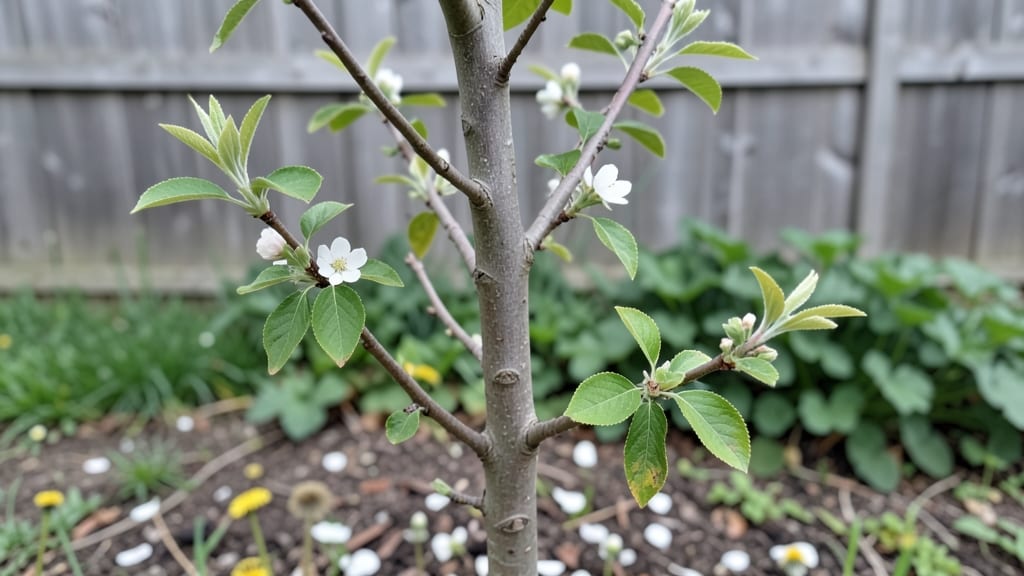
In a garden, growing a peach tree in the Pacific Northwest means choosing varieties like 'Redhaven' or 'Elberta'—and giving it the right conditions to flourish despite damp summers and chilly winters. 🌱 I’ve watched my own tree go... from a bare-root sapling to a fruit-laden beauty by following a few key rules: sheltering it from rain, pruning for airflow, and protecting it when temperatures dip below 20°F.
The secret to success here isn’t complicated: well-draining soil, a sunny spot (at least 6 hours of direct light daily), and consistent watering—especially during the first two years.
Most gardeners overlook winter protection, but wrapping the trunk with burlap or using a tree guard can mean the difference between a thriving tree and a frost-damaged one. Even experienced growers forget this step until it’s too late.
By late summer, you’ll be harvesting sweet, juicy peaches that taste better than anything from the store. The tree’s glossy leaves and fragrant blossoms in spring make it a showstopper, and with proper care, it can produce fruit for decades.
The only trade-off? Patience—it takes 3-5 years before your tree bears its first real harvest.
This method works for both backyard gardens and urban spaces with containers (dwarf varieties like 'Bonanza' are perfect for small yards).
Whether you’re a beginner or a seasoned gardener, these steps will help you avoid the most common pitfalls—like fungal diseases from poor airflow or blossom rot from too much rain.
📚 In This Guide
- What you need
- Instructions
- Tips and common mistakes
- Wrapping up and next steps
What you need
- ● Peach tree variety: Choose a Pacific Northwest-friendly cultivar like ‘Redhaven’, ‘Elberta’, or ‘Suncrest’ (dwarf or semi-dwarf for smaller spaces). 1-2 trees (cross-pollination helps!).
- ● Well-draining soil: Test for pH (ideal: 6.0–6.5). Amend with 2–3 inches of compost or aged manure.
- ● Organic mulch: 3–4 inches of wood chips, straw, or pine bark (keeps roots cool and moist).
- ● Fertilizer: Balanced 10-10-10 or citrus-specific fertilizer (low nitrogen in early years).
- ● Shovel or spade (for digging the planting hole).
- ● Pruning shears (sterilized with rubbing alcohol).
- ● Garden hose or watering can (deep watering is key!).
- ● Gloves & knee pads (for comfort and protection).
- ○ Trellis or stakes (optional, for dwarf varieties).
- ● Sunlight: 6–8+ hours of full sun daily (PNW’s mild climate helps, but peaches love warmth!).
- ● Protection from wind: Plant near a fence or use windbreaks (peach blossoms are fragile!).
- ● Winter chill hours: Ensure your zone (6–9) gets 400–700 hours below 45°F (critical for fruiting!).
How to establish a thriving peach tree in the Pacific Northwest
Here’s the foolproof approach I’ve used to grow healthy, productive peach trees in our damp, cool climate—no guesswork involved.
🌱 Step 1: Choose the Right Variety and Planting Site
Select a Pacific Northwest-hardy peach variety like ‘Redhaven’ or ‘Suncrest,’ which tolerate cooler summers better than most. Avoid late-blooming varieties—they’ll struggle with our unpredictable spring frost dates. Your site needs full sun (at least 6-8 hours daily) and well-draining soil, or you’ll battle root rot.
Test your soil’s drainage by digging a 12-inch hole and filling it with water. If it drains in less than 30 minutes, your soil is fine. If water pools after an hour, amend with 2-3 inches of compost mixed into the top 12 inches of soil. Peach trees hate soggy roots—this is non-negotiable.
🪴 Step 2: Plant at the Correct Time and Depth
Plant your bare-root tree in late winter or early spring, just as buds begin to swell but before new growth starts. This timing lets roots establish before summer heat arrives. Dig a hole twice as wide as the root ball but only as deep—peach trees planted too deep suffocate and decline.
Loosen the roots gently if they’re circling, then place the tree in the hole so the graft union (visible bump near the base) sits 2-3 inches above soil level. Backfill with native soil, firming it lightly to eliminate air pockets. Water deeply until the soil 12 inches down feels moist. Mulch with 3 inches of wood chips, keeping it 6 inches away from the trunk to prevent rot.
☀️ Step 3: Water and Fertilize for Strong Early Growth
Water deeply once a week during the first growing season, aiming for 1-2 gallons per week depending on tree size. Shallow watering encourages weak roots. You’ll know you’re doing it right when the soil 6 inches down stays consistently moist but not waterlogged. Overwatering in our damp climate is just as deadly as underwatering.
Apply a balanced 10-10-10 fertilizer at ¼ pound per inch of trunk diameter in early spring, then again in mid-summer. For a 3-inch caliper tree, that’s about 1 cup. Avoid high-nitrogen fertilizers—they promote leafy growth at the expense of fruit development. Here’s the thing: peach trees need boron and zinc for fruit set. If your soil tests low, add a trace mineral supplement in early spring.
✂️ Step 4: Prune for Structure and Disease Prevention
Prune in late winter (before buds swell) to remove dead, crossing, or inward-growing branches. Use clean, sharp pruners to make cuts just outside the branch collar. Open the tree’s center to improve airflow—this prevents fungal diseases like brown rot, which thrive in our humid summers. Aim for a vase-shaped structure with a dominant central leader.
Thin fruit in late spring when peaches are golf-ball sized, leaving 6-8 inches between fruits. This ensures larger, higher-quality peaches and reduces disease pressure. Real talk: skipping this step leads to tiny, misshapen fruit and overloaded branches that snap. It’s worth the effort.
🌿 Step 5: Protect Against Pacific Northwest Challenges
Apply a dormant oil spray in late winter to smother overwintering pests like peach leaf curl fungus. Follow up with a copper fungicide in early spring just as buds swell. Our cool, wet springs create perfect conditions for this devastating disease. If you see curled, puckered leaves in spring, act fast—it’s already too late for that season’s crop.
Wrap the trunk with tree guard in early fall to protect against voles and deer, which love young peach bark. In summer, monitor for peach tree borers—look for sawdust-like frass at the base of the trunk. If you spot it, scrape away infested bark and treat with beneficial nematodes or Bt spray. Prevention is easier than cleanup.
Tips & tricks for thriving Pacific Northwest peach trees
Here's what I learned after years of trial and error growing peaches in our damp climate—these details make all the difference.
Site Selection: The 6-8 hours of daily sun requirement is non-negotiable, but don't just look at sunlight—consider wind exposure too. Plant your tree where it's sheltered from prevailing winds (usually westerly in PNW) to reduce stress. I've seen trees struggle in open areas where winter winds dry out the bark. A northern exposure works best for our climate, balancing sunlight with protection from afternoon heat.
Soil Preparation: That 30-minute drainage test is your best friend. If your soil fails, don't just add compost—amend with a mix of sand and compost (50/50 ratio) to improve both drainage and moisture retention. I've had to dig out entire planting holes and reamend them when the original soil was too dense. Peach roots need oxygen—compacted soil suffocates them. For heavy clay soils, consider planting on a mound to improve drainage.
Planting Depth: The 2-3 inches above soil level for the graft union is critical—this prevents the union from being buried, which can lead to disease. Here's what nobody tells you: if your tree comes with a root collar marked with a paint line, that's your guide. Plant so this line sits just above the final soil level. Also, don't be tempted to plant deeper to "anchor" the tree—this is a common mistake that leads to poor growth.
Winter Protection: In our cold winters, young trees need extra care. After planting, mound soil around the base up to the graft union for the first two winters—this creates natural insulation. I've seen trees survive -10°F winters with this protection that would otherwise suffer bark damage. Just remember to remove the mound in early spring before buds swell to prevent rot.
Pro Tips for Peach Tree Grow A Garden
- Here's what I learned after years of trial and error growing peaches in our damp climate—these details make all the difference.
- Site Selection: The 6-8 hours of daily sun requirement is non-negotiable, but don't just look at sunlight—consider wind exposure too.
- Soil Preparation: That 30-minute drainage test is your best friend.
Frequently asked questions
Got questions about growing peach trees in your Pacific Northwest garden? You’re not alone! Here are answers to the most common concerns—from timing to troubleshooting—so you can cultivate sweet, juicy peaches with confidence.
What’s the best time to plant a peach tree in the PNW?
Plant your peach tree in early spring (March–April) or late fall (October–November) when the soil is workable but not frozen. Avoid summer planting—heat stress can stunt young roots. Choose a mild day (50–60°F) and water deeply after planting to help it establish.
Can peach trees survive PNW winters?
Yes! Opt for dwarf or semi-dwarf varieties like ‘Redhaven’ or ‘Elberta,’ which tolerate PNW winters better than standard trees. Mulch heavily (4–6 inches) with straw or wood chips to insulate roots. Young trees may need winter protection—wrap the trunk with burlap or use frost blankets if temps dip below 10°F.
How do I protect my peach tree from pests in the PNW?
PNW peach trees often face peach leaf curl (fungus) and aphids. Prevent leaf curl by applying copper fungicide in late fall or early spring. For pests, blast off aphids with water or use neem oil. Bird netting can save ripe fruit from hungry starlings! Monitor regularly for early signs.
Do peach trees need cross-pollination?
Most peach trees are self-pollinating, but yields improve with a second tree nearby (even 10–15 feet away). For the PNW, plant two compatible varieties (e.g., ‘Suncrest’ + ‘Flavor Grenade’) to ensure better fruit set. Check your tree’s label—some labeled “self-fruitful” still benefit from neighbors!
Why aren’t my peach tree’s fruits ripening?
Common culprits: lack of sunlight (peaches need 6+ hours daily), poor pollination, or over-fertilizing with nitrogen (prioritize bloom-boosting fertilizers like 10-10-10 in early spring). Thin fruit early (leave 6–8 inches between peaches) to improve size and ripening. If blooms drop, hand-pollinate with a paintbrush!
Are there low-maintenance peach tree alternatives for small gardens?
Yes! Try dwarf peach trees (grafted onto ‘Lovell’ or ‘Nemaguard’ rootstock) or peach bush varieties like ‘Bonanza.’ These stay under 8 feet tall, thrive in containers (with large pots), and produce fruit faster. Just ensure they get full sun—even dwarfs need space to breathe!
Wrapping up and next steps
Growing a peach tree in your Pacific Northwest garden is a rewarding journey that blends patience, care, and a touch of regional know-how. 🌱 From selecting the right variety to protecting it through winter and nurturing it year-round, every step brings you closer to that sweet, juicy reward.
Remember, even the most experienced gardeners started somewhere—so don’t hesitate to experiment and learn along the way!
Now that you’re armed with the essentials, take the next step: sketch a simple planting plan for your space, gather your tools, and mark your calendar for key tasks like pruning or pest checks.
Before you know it, your peach tree will be thriving—and maybe even sharing its bounty with neighbors! 🍑✨