
Propagation
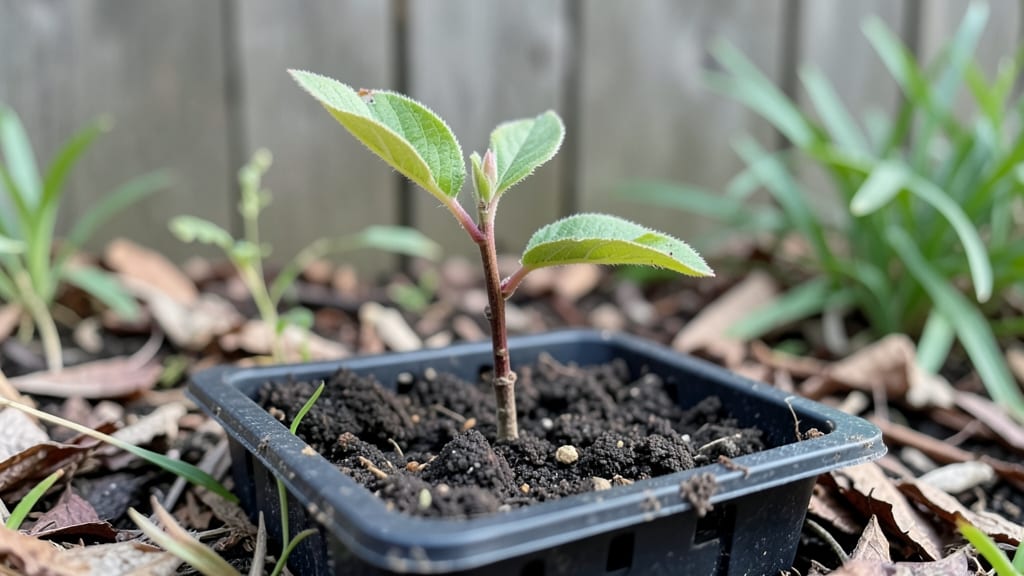
The secret to peach tree seed germination at a 90% success rate isn’t luck—it’s a cold trick nature already knows. 🌱 The key lies in mimicking winter’s slow, steady work, breaking dormancy the way frost would in the wild.
My first attempt failed miserably, but after tweaking temperature and moisture, those stubborn pits finally cracked open.
You’ll need just three things: peach pits (fresh is best), a damp paper towel or peat moss, and patience—lots of it. The magic happens when you stratify seeds for 6-8 weeks in the fridge, then move them to warm soil.
Most gardeners rush this step, but taking the time pays off with strong, uniform sprouts that outpace store-bought seedlings.
What you’ll end up with are vigorous young trees that’ll outgrow grafted varieties in resilience, though fruit quality may take years to match. The first true leaves appear in 4-6 weeks after warm soil, and by spring, you’ll have sturdy saplings ready for transplanting.
Just don’t expect peaches from these seeds for 5-7 years—they’re all about the adventure of growing your own tree.
For those in colder zones, start seeds indoors in February, while warmer climates can direct-sow after last frost. The real secret? Consistency—check moisture weekly and keep that fridge stratification spot steady at 35-40°F. Skip the shortcuts, and you’ll have a thriving peach tree that’s truly yours.
📚 In This Guide
- What you need
- Instructions
- Tips and common mistakes
- Wrapping up and next steps
What you need
- ● Fresh peach seeds: 5–10 clean, plump seeds (avoid seeds from store-bought peaches—opt for organic or homegrown for best results).
- ● Paper towels or germination tray: 2–3 sheets of damp paper towels or a small seedling tray with drainage holes.
- ● Ziplock bag or plastic container: A sealable bag (quart-sized) to create a humid environment.
- ● Refrigerator: A standard fridge (34–40°F / 1–4°C) for the cold stratification phase.
- ● Potting mix: 1–2 small pots (4–6 inches wide) filled with well-draining, sterile potting soil (avoid garden soil).
- ● Spray bottle: For gentle watering to keep soil moist.
- ● Small pots or seedling trays: 1–2 biodegradable pots or trays (3–4 inches deep) for transplanting sprouts.
- ● Grow lights or sunny windowsill: A south-facing window or LED grow light (12–16 hours/day) to support early growth.
- ● Hydrogen peroxide (3% solution): 1–2 tbsp diluted in water to soak seeds for 10–15 minutes (speeds up germination).
- ● Heating mat: A seedling heat mat (70–75°F / 21–24°C) to accelerate germination post-stratification.
- ● Humidity dome: A clear plastic dome to maintain moisture around seedlings.
- ● pH testing kit: To ensure your potting mix is slightly acidic (pH 6.0–6.8).
- ● Fertilizer (balanced, low-nitrogen): A diluted liquid fertilizer (e.g., 10-10-10) for early feeding.
Step-by-step guide to germinating peach tree seeds
Here's how to break dormancy and coax stubborn peach pits into sprouts.
🌱 Step 1: Extract and Prepare the Seeds
Crack open the peach pit with a nutcracker or hammer—you'll need the large, hard seed inside. I like to soak the pit in warm water for 24 hours first; this softens the fruit flesh and makes cracking easier without damaging the seed. Once exposed, remove any remaining fruit tissue with a paper towel, being careful not to nick the seed's smooth surface.
Peach seeds have a hard outer shell that blocks water absorption. This is the first hurdle—scrub the seed gently with fine-grit sandpaper (about 100-grit) until you've removed 1/3 of the shell's thickness on one side. You're not trying to remove the whole shell, just rough up the surface. This step mimics nature's method of scarification, which peach seeds need to germinate.
💧 Step 2: Cold Stratify for 8-12 Weeks
Place the prepared seeds in a resealable plastic bag with a damp paper towel. Seal it tightly but leave a tiny gap for airflow—condensation inside will drown the seeds. Put the bag in your refrigerator's crispier drawer where temperatures stay between 35-40°F. This cold stratification mimics winter conditions and tricks the seed into thinking it's time to grow.
Check the seeds every 2 weeks—the paper towel should stay moist but not soggy. If it dries out, add a few drops of water and reseal. Real talk: some seeds may sprout during stratification. If this happens, transfer them immediately to a warm, sunny spot. Most will wait patiently until you're ready, though.
☀️ Step 3: Warm Up and Plant for Germination
After 8-12 weeks, remove the seeds from cold storage and plant them ½ inch deep in a sterile seed-starting mix inside small pots. I use 3-inch pots for each seed—peach trees have long taproots that need room to develop. Water the soil until it's evenly moist but not waterlogged. Place the pots in a warm spot (70-75°F) with bright, indirect light.
Germination can take 2-6 weeks—patience is key here. The first sign of life will be a tiny white root pushing through the soil. Once you see green cotyledons (the first true leaves), move the seedlings to a south-facing window or under a grow light for 14-16 hours of light daily. Without enough light, seedlings stretch weakly and may never recover.
🪴 Step 4: Transplant and Monitor Growth
When seedlings reach 4-6 inches tall and have 4-5 true leaves, it's time to transplant them into 5-gallon containers with well-draining potting mix. Peach trees are heavy feeders, so mix in a slow-release fertilizer at planting. Water deeply after transplanting to help roots establish in their new home.
Watch for yellowing leaves—this usually means the soil is too wet or the roots are bound. If you see this, let the soil dry out slightly before watering again. In 2-3 years, your seedlings will be ready for outdoor planting in USDA Zones 5-9, but only after the last frost date and when nighttime temperatures stay above 50°F.
Tips & tricks for peach tree seed germination
These little-known tricks will help you maximize your sprouting success with peach tree seeds.
The Soak Secret: That 24-hour soak isn't just about softening the fruit—it's also a hydration test. If your pit floats during soaking, it's likely hollow inside. Discard these immediately as they won't germinate. Only sinkers are worth processing further. I've saved myself hours of frustration by catching these bad seeds early.
Scarification Savvy: When roughing up the seed shell with 100-grit sandpaper, focus on one side only—don't go overboard! You're creating a tiny window for water entry, not sanding down the entire seed. Think of it like making a tiny door for the seed's future root to escape through. Too much sanding can damage the embryo inside.
Stratification Strategy: The 8-12 week cold period is non-negotiable for peach seeds, but here's the pro move: mark your calendar exactly 12 weeks from your start date. This gives you the full window to work with. If you see sprouts before the 12-week mark (which happens sometimes!), transfer them immediately to warm conditions—they'll appreciate the head start.
Lighting Logic: Once you see those green cotyledons, don't skimp on the 14-16 hours of light daily. I've seen seedlings stretch into sad, leggy shadows when they don't get enough light. If natural light isn't sufficient, invest in a simple grow light—it's the difference between sturdy seedlings and weaklings that won't survive transplanting.
Pro Tips for Peach Tree Seed Germination
- These little-known tricks will help you maximize your sprouting success with peach tree seeds.
- The Soak Secret: That 24-hour soak isn't just about softening the fruit—it's also a hydration test.
- Scarification Savvy: When roughing up the seed shell with 100-grit sandpaper, focus on one side only—don't go overboard!
Frequently asked questions
How long does it take for peach tree seeds to germinate?
With proper cold stratification (60–90 days in the fridge), germination can begin in 4–12 weeks after planting. Some seeds may sprout sooner, while others take longer—patience is key! Keep soil moist and warm (70–75°F) to encourage faster results.
Can I germinate peach seeds without cold stratification?
Yes, but success rates drop dramatically! Cold stratification mimics winter, breaking seed dormancy. Without it, germination may take months or fail entirely. For best results, follow the 3-month fridge method—your future tree will thank you!
Why aren’t my peach seeds sprouting after stratification?
Check these common issues: damp (not soggy) soil, consistent warmth (70–75°F), and seed viability (test with a cut—if mushy, discard). If seeds are old or stored improperly, they may not sprout. Try a fresh batch or adjust moisture levels!
Will a seedling from a store-bought peach grow true to the parent tree?
Probably not! Seed-grown trees are unpredictable—your peach may differ in size, flavor, or cold hardiness. For reliable results, graft a known cultivar onto your seedling later. Patience pays off for fruit lovers!
When is the best time to plant germinated peach seeds outdoors?
Wait until spring after the last frost (when soil is 60°F+). Young seedlings are delicate—harden them off indoors first by exposing to sunlight gradually. Plant in well-drained soil and mulch to protect roots. Early spring gives them a strong start!
Wrapping up and next steps
Germinating peach tree seeds with cold-strategies can unlock a 90%+ success rate—proving that patience and the right techniques yield incredible rewards! 🌱 By mastering stratification, moisture control, and warmth, you’re not just growing a seed; you’re nurturing the future of your orchard.
Whether you’re a seasoned gardener or a curious beginner, this method makes peach tree propagation achievable and rewarding.
Ready to take the next step? Plant your stratified seeds in well-draining soil, keep them warm, and watch your tiny saplings grow into mighty trees. Stay tuned for our guide on transplanting and early care—your peach tree journey is just beginning!