
Trees
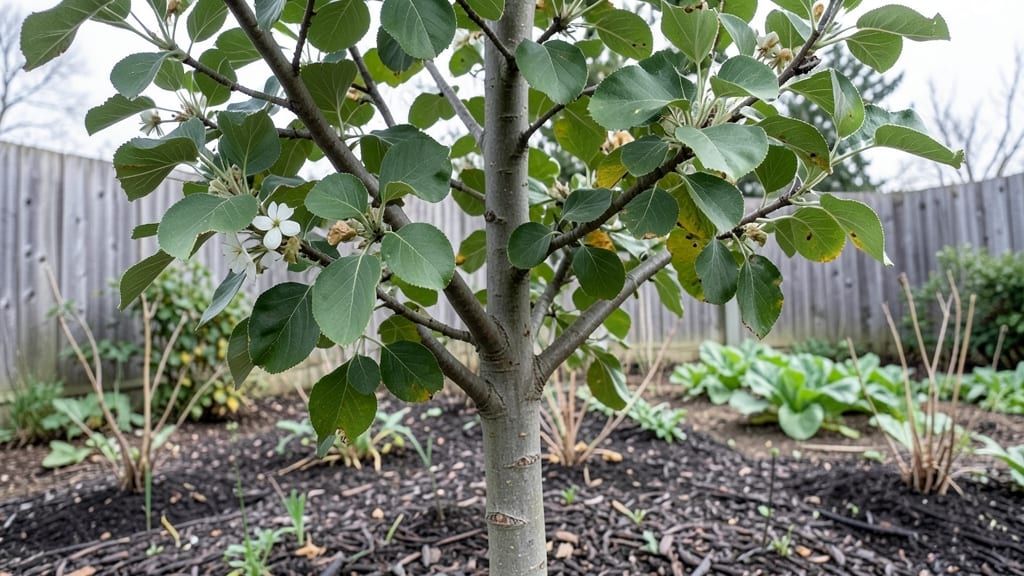
Ohio’s unpredictable winters make growing pear trees a gamble—unless you choose the right cold-resistant varieties like Moonglow or Kieffer, which thrive in the Buckeye State’s hardiness zones.
I’ve planted both in my backyard near Columbus, and after years of trial and error, I’ve learned which varieties survive our deep freezes while still producing sweet, juicy fruit. The secret isn’t just the tree—it’s the timing, soil prep, and a few tricks to outsmart Ohio’s late frosts.
You’ll need well-draining soil with a pH between 6.0 and 7.0, and a spot that gets at least 6 hours of sunlight daily. Planting in early spring—after the last frost—gives roots time to establish before summer heat hits.
Ohio’s clay-heavy soil? No problem. Mix in compost before planting, and mulch heavily to protect roots from temperature swings. These trees need space too: 15–20 feet apart for dwarf varieties, more for standard trees.
By mid-summer, you’ll see those first blush-pink blooms, followed by fruit that ripens in late August or September. The payoff? Pears that stay crisp through fall, resist cracking in heavy rains, and handle Ohio’s erratic weather better than most.
Prune in late winter to shape the tree and remove dead wood, and watch for fire blight—a common Ohio pest. A copper spray in early spring keeps it at bay.
Ohio gardeners also swear by Bartlett for canning and Seckel for snacking, but these need extra winter protection. Whether you’re in Toledo’s Zone 5 or Cincinnati’s Zone 6, the key is matching the variety to your microclimate.
Start with one tree, and you’ll be harvesting your own pears in just a few years—no grocery store needed.
📚 In This Guide
- What you need
- Instructions
- Tips and common mistakes
- Wrapping up and next steps
What you need
- ● Pear Tree Saplings: Cold-hardy varieties (e.g., Moonglow, Kieffer, or Seckel) – 2-3 trees (for cross-pollination).
- ● Bare-root or container-grown (1-2 years old).
- ● Planting Supplies: High-quality soil mix (loamy, well-draining; amend with compost if needed).
- ● Organic mulch (wood chips or straw, 2-3 inches).
- ● Slow-release fertilizer (10-10-10 or organic options like cottonseed meal).
- ● Tools: Shovel or transplant spade (for digging).
- ● Pruning shears (sterilized, sharp).
- ● Watering hose or can (with a gentle spray nozzle).
- ● Garden gloves (to protect hands).
- ● Tree Guards: Plastic or wire cages to protect young trees from deer/browsing.
- ● Drip Irrigation: For consistent watering (especially in Ohio’s dry summers).
- ● Pest Control: Neem oil or horticultural soap (for aphids/mites).
- ● Soil Test Kit: To check pH (ideal: 6.0–7.0 for pears).
- ● Trellis or Stakes: For support if growing dwarf varieties.
How to plant and care for cold-hardy pear trees in Ohio
Ohio’s winters demand tough trees—here’s how to pick and grow pears that thrive in your climate.
Choose the Right Variety for Ohio’s Climate
Look for fire blight-resistant varieties like Moonglow, Seckel, or Kieffer—these handle Ohio’s winter lows down to -20°F without flinching. Avoid European pears unless you’re willing to deal with their finicky pollination needs. Moonglow, in particular, is a top pick because it produces sweet, reliable fruit even in short Ohio summers.
Check the USDA Hardiness Zone map for your exact location—most of Ohio falls in Zones 5-6, so stick to varieties labeled for those zones. If you’re in the colder northern regions, Kieffer is your best bet for consistent harvests. For southern Ohio, Seckel matures early enough to escape late frosts.
Plant in Early Spring for Strong Root Establishment
Dig a hole twice as wide as the root ball but no deeper—pear trees hate soggy roots. Loosen the sides of the hole with a shovel to help roots spread into native soil. Amend the backfill with 2-3 inches of compost mixed into the top 6-8 inches of native soil to boost early growth.
Place the tree so the graft union (the bump near the base) sits 2-3 inches above soil level. This prevents rot if soil settles over time. Water deeply right after planting to eliminate air pockets, then mulch with 3-4 inches of wood chips in a 3-foot radius around the trunk. Keep mulch 6 inches away from the trunk to avoid rot.
Water Deeply and Fertilize Strategically
Newly planted pears need 1-2 inches of water per week for the first two growing seasons. Water at the base, not overhead, to prevent fungal diseases like fire blight. Let the soil dry slightly between waterings—pear trees hate soggy feet but also won’t tolerate drought stress. You’ll know you’re doing it right when the top 2-3 inches of soil feel dry before the next watering.
Apply a balanced 10-10-10 fertilizer in early spring (just as buds swell) and again in late summer (after harvest). Avoid high-nitrogen fertilizers in fall—they encourage tender new growth that won’t survive winter. If your soil tests low in phosphorus or potassium, supplement with bone meal or greensand, but keep nitrogen moderate to avoid excessive leafy growth at the expense of fruit.
Prune for Airflow and Disease Prevention
Prune in late winter or early spring (before buds break) to remove dead, crossing, or inward-growing branches. Use clean, sharp pruners and make cuts just outside the branch collar to heal properly. Thin out 25-30% of the canopy in young trees to improve airflow—this reduces humidity and cuts down on fire blight risk.
Watch for suckers (shoots growing from the base) and remove them immediately. Suckers drain energy from the main tree. If you see blackened branches or oozing cankers, prune 6 inches below the damage and sterilize your tools with rubbing alcohol to prevent spreading fire blight. A well-pruned tree will have an open center with sunlight reaching the inner branches.
Protect Young Trees from Ohio’s Unpredictable Weather
Wrap the trunk of young trees with tree guard (available at garden centers) in late fall to prevent rodent damage. Wrap it loosely—too tight can girdle the bark. For extra protection in Zone 5, mound 4-6 inches of mulch around the base in late fall to insulate roots from freezing temperatures. Remove the extra mulch in early spring once the ground thaws.
If a late spring frost threatens blossoms, cover the tree with a frost cloth at night. Pears are particularly sensitive to frost damage during bloom, which can ruin the entire season’s fruit. You’ll know it’s working when the cloth stays in place without flapping in the wind—secure it with stakes or bricks if needed.
Tips & tricks for perfect cold-hardy pear trees in Ohio
Ohio’s climate can be tough on fruit trees, but these practical tips will help you grow thriving pears that survive winter and produce reliably.
Variety Selection Wisdom: When choosing between Moonglow, Seckel, or Kieffer, consider your specific Ohio microclimate. Moonglow handles Ohio’s short summers well, but if you’re in northern Ohio’s colder regions (like Zone 5), Kieffer’s extra cold hardiness down to -20°F makes it the safer bet. For southern Ohio where late frosts are more common, Seckel’s early maturity gives it an edge. I always check the USDA map for my exact location—some counties in Ohio actually straddle two zones!
Planting Depth Matters: The graft union should sit 2-3 inches above soil level to prevent rot from settling soil. This is non-negotiable—if you bury it deeper, the tree may develop weak growth or even die. I’ve seen gardeners accidentally plant too deep, and the tree struggles for years. Pro tip: Mark the graft union with a piece of tape before planting so you can verify placement. Also, that 2-3 inches of compost in the backfill makes all the difference for young roots establishing properly in Ohio’s heavy clay soils.
Watering Strategy: The 1-2 inches of water per week for two growing seasons is crucial, but timing matters just as much as quantity. Water in the morning so leaves dry quickly, preventing fungal diseases like fire blight that Ohio’s humid summers love to encourage. I always check soil moisture by feeling the top 2-3 inches—if it’s dry, it’s time to water. Overhead watering spreads disease, so stick to deep, base watering only. A drip irrigation system set up at planting time makes this effortless.
Pruning Precision: When you’re thinning out 25-30% of the canopy in young trees, focus on removing branches that cross or grow inward. These create rubbing points that can open wounds where fire blight enters. I sterilize my pruners with rubbing alcohol between cuts to prevent spreading any potential infection. The open center you’re aiming for isn’t just about looks—it’s about airflow that keeps your tree healthy in Ohio’s damp climate. And remember, those suckers at the base? Remove them immediately—they’re energy vampires for your main tree.
Pro Tips for Pear Trees In Ohio
- Ohio’s climate can be tough on fruit trees, but these practical tips will help you grow thriving pears that survive winter and produce reliably.
- Variety Selection Wisdom: When choosing between Moonglow, Seckel, or Kieffer, consider your specific Ohio microclimate.
- Planting Depth Matters: The graft union should sit 2-3 inches above soil level to prevent rot from settling soil.
Frequently asked questions
Got questions about growing pear trees in Ohio’s climate? You’re not alone! Here are answers to the most common queries—from planting tips to pest troubleshooting—to help you cultivate a thriving orchard.
What are the coldest-hardy pear varieties for Ohio?
Ohio’s winters can be brutal, but varieties like Moonglow, Seckel, and Kieffer thrive in USDA Zones 4–6. These pears tolerate temperatures down to -25°F and produce reliably. For extra insurance, plant near a south-facing wall or use windbreaks to shield young trees from harsh winds.
When is the best time to plant pear trees in Ohio?
Late fall (November) or early spring (March–April) are ideal. Planting in fall lets roots establish before winter, while spring gives trees time to grow before summer heat. Avoid planting in summer—Ohio’s humidity can stress young trees. Pro tip: Water deeply after planting and mulch to retain moisture!
How do I protect my pear trees from common Ohio pests?
Ohio’s top threats include codling moths (larvae burrow into fruit) and pear psylla (leaves curl and blacken). Use organic sprays like neem oil or insecticidal soap early in the season. For severe infestations, wrap tree trunks with tree band traps to catch adult pests. Prune in winter to remove damaged branches and improve airflow.
Can I grow pear trees in containers in Ohio?
Yes! Dwarf varieties like Hooded or Pineapple pears work well in large containers (15+ gallons). Place them in full sun, use well-draining soil, and move pots indoors (or to a garage) if temperatures drop below 10°F. Warning: Container-grown trees may produce smaller harvests, but they’re perfect for patios or small yards!
Why aren’t my pear trees fruiting in Ohio?
Common reasons include poor pollination (plant two compatible varieties), young age (trees need 3–5 years to bear fruit), or nutrient deficiencies. Test soil pH (ideal: 6.0–6.5) and fertilize with high-nitrogen in early spring, switching to phosphorus-rich fertilizer when buds form. Bonus: Thinning fruit in summer improves size and quality!
Wrapping up and next steps
Growing pear trees in Ohio is a rewarding journey—especially with cold-resistant varieties like ‘Kieffer,’ ‘Moonglow,’ or ‘Seckel.’ These hardy trees thrive in Ohio’s climate, offering sweet harvests with minimal fuss.
Whether you’re a seasoned gardener or a beginner, the key is patience, proper care, and choosing the right variety for your space.
Ready to plant your own? Start small—pick a sapling, prep your soil, and watch your orchard grow! 🌱 For extra tips, check out Ohio’s local agricultural resources or connect with fellow gardeners in your area. Happy planting!