
Pruning
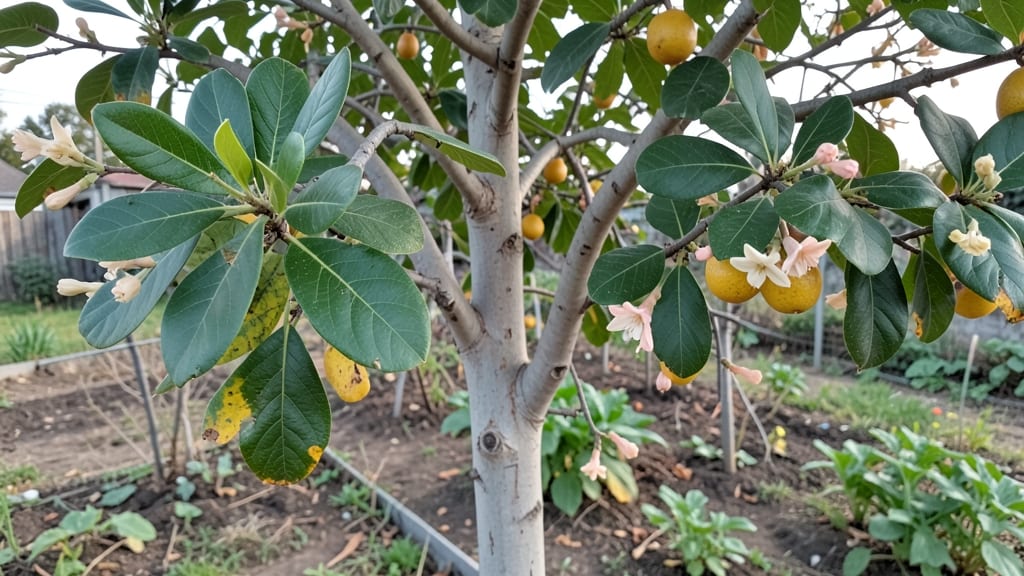
A pinapple guava tree in the Pacific Northwest delivers that lush, tropical vibe—without the frostbite fears—since these resilient plants flourish where finicky varieties fold. 🌱 I planted mine last spring, and now it’s a lush, fruiting centerpiece that neighbors ask about constantly.
The secret isn’t just the tree itself; it’s the right spot, soil, and a little pruning know-how to keep it productive.
These trees love full sun to partial shade and well-draining soil—think sandy loam mixed with compost. My tree gets 6+ hours of sun daily, and the difference in growth is night and day. Watering’s simple: deep soaks once a week (more in summer), but avoid soggy roots.
The real magic happens when you prune for shape and fruit—cutting back in late winter opens up the canopy for better airflow and bigger harvests.
By summer, you’ll see glossy leaves and clusters of tiny, fragrant white flowers leading to those sweet, pineapple-scented fruits. The first harvest is always a surprise—plucking ripe guavas straight from the tree feels like a tropical vacation.
With the right care, your tree will keep producing for decades, becoming a shade-providing, fruit-bearing landmark in your garden.
Whether you’re in Seattle’s mild climate or the cooler parts of Oregon, this tree adapts beautifully. Start with a 1-2 gallon container for young plants, then transplant when established.
The key? Patience—it takes 2-3 years for full fruiting, but every season after that, you’ll wonder why you didn’t plant one sooner.
📚 In This Guide
- What you need
- Instructions
- Tips and common mistakes
- Wrapping up and next steps
What you need
- ● Pruning shears: Bypass pruners (for cuts under ½ inch) – sharp, clean, and sterilized (e.g., Felco F-2 or equivalent).
- ● Loppers: 8–12 inch bypass loppers (for cuts ½–2 inches thick).
- ● Pruning saw: Curved-tooth saw (for branches >2 inches thick).
- ● Gloves: Heavy-duty leather or nitrile-coated (to protect from thorns and sap).
- ● Disinfectant: 70% isopropyl alcohol or 10% bleach solution (for tool sterilization between cuts).
- ○ Pruning sealant (optional): Tree wound paint (for cuts >1 inch in diameter on older wood).
- ● Ladder or step stool: Sturdy, extendable (for reaching higher branches safely).
- ● Heavy-duty trash bags: 3–5 gallons (for collecting pruned debris).
- ● Sharpie or marker: Permanent (for labeling cuts if training branches).
- ● Timing: Prune during dormant season (late winter/early spring) or right after fruiting (summer). Avoid pruning in wet or freezing conditions.
- ● Weather check: Choose a dry, calm day (no rain forecasted for 24 hours).
- ● Safety gear: Long sleeves, closed-toe shoes, and eye protection (pinapple guava thorns are serious!).
- ● Tree health assessment: Inspect for pests/disease (e.g., scale, fungal spots) before pruning.
- ● Water & snacks: Stay hydrated—pruning is harder work than it looks! 💦
- ● Extension pole saw: For high branches without a ladder.
- ● Tree growth regulator: (e.g., hydrogen peroxide spray) to reduce sap bleeding.
- ● Digital caliper: For precise measurements of branch thickness.
- ● Notebook & pen: To sketch your pruning plan before starting.
How to plant and establish a cold-hardy pinaple guava tree in the Pacific Northwest
Here's the straightforward method I've used to grow thriving pinaple guava trees in cooler climates.
🪴 Step 1: Select the Right Location and Prepare the Soil
The pinaple guava thrives in full sun but handles the Pacific Northwest's mild summers better than tropical relatives. Choose a sheltered spot with at least 6 hours of direct sunlight daily, protected from strong coastal winds that can damage young leaves. I always test the soil pH first—pinaple guavas prefer slightly acidic to neutral soil (6.0-7.0).
Amend the planting area with 2-3 inches of compost mixed into the top 12 inches of native soil. This improves drainage while retaining moisture—critical for winter survival. The tree's extensive root system needs loose soil to establish properly. I like to work in a slow-release organic fertilizer at planting to support early growth without burning roots.
🌱 Step 2: Plant at the Correct Depth and Stake for Support
Dig a hole twice as wide as the root ball but only as deep—planting too deep suffocates roots. Gently remove the tree from its container and loosen any circling roots with your fingers. Place it in the hole so the top of the root ball sits level with the surrounding soil—never mound soil against the trunk.
Backfill with native soil mixed with compost, tamping lightly as you go to eliminate air pockets. Water thoroughly to settle the soil, then install a stake system if needed—young pinaple guavas can get top-heavy. I use two 5-foot bamboo stakes tied with soft tree ties, positioned 6-8 inches from the trunk to prevent girdling. Mulch with 2-3 inches of wood chips, keeping it 6 inches away from the trunk to prevent rot.
☀️ Step 3: Water Strategically and Monitor Early Growth
Water deeply twice weekly for the first month, then taper to once weekly once established. The key is consistent moisture—let the top 2 inches of soil dry between waterings, but never let it become bone-dry. Overwatering leads to root rot, while underwatering causes leaf drop. I check by sticking my finger in the soil—if it feels dry past the first inch, it's time to water.
Watch for new leaf growth as your signal that roots are establishing. If leaves yellow at the edges, it's often a sign of chlorosis—common in Pacific Northwest soils. Apply a chelated iron supplement at the first sign. Fertilize lightly in early spring with a balanced 10-10-10 formula to encourage flowering, but avoid heavy feeding in fall as new growth won't harden off for winter.
⏰ Step 4: Prune for Structure and Winter Hardiness
Prune in late winter before new growth begins, removing any dead, crossing, or weak branches. I always cut back to just above a bud or leaf node, using clean, sharp pruners. The pinaple guava's natural shape is vase-like, so I aim to maintain an open canopy that allows sunlight to reach all branches—this prevents fungal issues in damp Pacific Northwest summers.
For young trees, I do a light structural pruning in early summer to encourage branching. Never remove more than 25% of the canopy in one season. After pruning, apply a dormant oil spray in late fall to protect against overwintering pests. The tree's cold hardiness improves with age—mature specimens handle brief dips to 15°F better than young plants.
Tips & tricks for perfect pinaple guava tree establishment
These practical insights will help you navigate the unique challenges of growing pinaple guavas in our cooler climate.
Sunlight Strategy: While the instructions call for at least 6 hours of direct sunlight, I've found that pinaple guavas actually thrive with 8-10 hours in the Pacific Northwest. Position your tree where it gets morning sun and afternoon shade if your summers are particularly hot—this prevents leaf scorch while still providing enough light for photosynthesis. The key is finding that balance between full sun exposure and protection from our intense afternoon sun.
Soil Preparation Secret: When amending your soil with 2-3 inches of compost and mixing it into the top 12 inches, I recommend adding a handful of perlite or vermiculite to improve aeration. This is especially important in our region where soils can become compacted from winter rains. The improved drainage helps prevent root rot while maintaining moisture retention—critical for winter survival. Think of it as creating a sponge-like environment for those extensive roots.
Staking System: The instructions mention using two 5-foot bamboo stakes, but I've discovered that adding a third stake in a triangular configuration provides even better support, especially in windy coastal areas. Position the third stake on the opposite side of the trunk from the first two, creating a more stable triangle. This prevents the tree from swaying too much, which can damage the trunk over time. Remember to check the ties every few months—they can tighten as the tree grows.
Watering Wisdom: While the instructions specify watering deeply twice weekly for the first month, I've learned that early morning watering is ideal. This allows the soil to absorb moisture before the heat of the day evaporates it. If you notice the top 2 inches of soil drying out between waterings, that's your cue—but don't let it get bone-dry. In our region, we often experience periods of rain followed by dry spells, so maintaining consistent moisture is absolutely critical during these transitions.
Pro Tips for Pinaple Guava Tree
- These practical insights will help you navigate the unique challenges of growing pinaple guavas in our cooler climate.
- Sunlight Strategy: While the instructions call for at least 6 hours of direct sunlight, I've found that pinaple guavas actually thrive with 8-10 hours in the Pacific Northwest.
- Soil Preparation Secret: When amending your soil with 2-3 inches of compost and mixing it into the top 12 inches, I recommend adding a handful of perlite or vermiculite to improve aeration.
Frequently asked questions
Got questions about growing and pruning your pinapple guava tree in the Pacific Northwest?
Here are answers to the most common ones to help you keep your tree thriving—even in cooler climates!
How cold-hardy is the pinapple guava tree really?
The pinapple guava (Feijoa sellowiana) is one of the hardiest guava varieties, tolerating temperatures down to 10–15°F (-12 to -9°C) with proper care. Young trees or newly planted specimens may need winter protection (like burlap wraps or mulch) until established. In the PNW, mature trees often survive unprotected in zones 8–10!
When’s the best time to prune my pinapple guava tree?
Prune your tree late winter to early spring (February–March) before new growth begins. This timing promotes airflow, removes dead wood, and encourages fruiting. Avoid heavy pruning in fall—it can stimulate tender new growth vulnerable to frost. Light shaping in summer (after harvest) is fine, but skip major cuts then.
Why isn’t my pinapple guava tree producing fruit?
Common reasons include young age (trees take 3–5 years to bear fruit), lack of pollinators (hand-pollinate with a soft brush if bees are scarce), or over-pruning. Ensure it gets full sun (6+ hours/day) and well-draining soil. Cross-pollination with another variety (like ‘Coolidge’) can also boost yields!
Can I prune my pinapple guava tree too much?
Yes! Over-pruning—especially cutting back more than 25–30% of the canopy—can stress the tree, reduce fruiting, and expose it to pests. Focus on removing dead/diseased wood and opening the center for sunlight. Thin out crowded branches gradually to avoid shocking the tree.
What’s a good alternative if my pinapple guava struggles in my PNW microclimate?
If your zone dips below 10°F (-12°C) or you have poor drainage, consider ‘Unique’ feijoa (slightly more cold-tolerant) or hardy fig varieties like ‘Chicago Hardy.’ For a similar tropical vibe, loquat trees (down to 15°F/-9°C) or quince (20°F/-6°C) are great PNW-friendly picks!
Wrapping up and next steps
The pinapple guava tree is a cold-hardy gem for Pacific Northwest gardens—offering lush foliage, fragrant blooms, and delicious fruit while thriving in cooler climates.
With the right pruning techniques, you’ll ensure a healthy, productive tree that stands up to winter winds and summer heat. Now’s the time to roll up your sleeves!
Start by gathering your tools, reviewing the pruning steps, and scheduling your first trim this season. Whether you’re a novice or a seasoned gardener, a little patience and care will reward you with a stunning, fruit-bearing centerpiece for years to come. Happy pruning! 🌿✂️