
Pruning
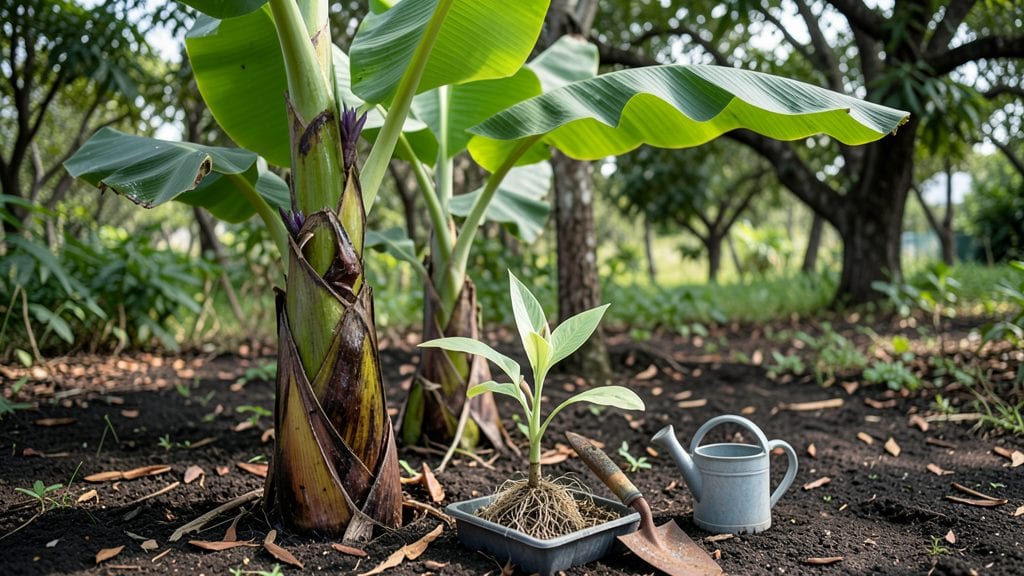
Planting a banana tree in cold climates feels like cheating the system—until you know the tricks. 🌱 I’ve grown these tropical giants in zone 7 by treating them like perennials, not annuals, and the secret starts with the right soil mix and protected spot.
The key isn’t just warmth; it’s sheltering the roots from winter’s worst while still giving them enough sun to thrive.
You’ll need a well-draining soil mix (think 60% garden soil, 30% compost, 10% perlite) and a location that gets at least 6 hours of sunlight daily, whether that’s a large pot on your patio or a sheltered corner of your yard.
Banana trees from rhizomes (not seeds) establish faster, but even seedlings can adapt if given time and patience. The first year is all about root growth—so don’t rush the harvest.
What you’ll end up with is a tropical oasis that produces fruit in its second or third year, even in cooler zones. The large, dramatic leaves become a conversation piece, and the harvest—when it comes—is worth every bit of winter prep.
Just imagine slicing into a banana you grew yourself, knowing it survived temperatures that would kill most tropical plants.
Works for both container growers and in-ground planters, though pots let you move the tree indoors before frost. Here’s how to make it work without losing your plant to winter’s chill.
📚 In This Guide
- What you need
- Instructions
- Tips and common mistakes
- Wrapping up and next steps
What you need
- ● Banana plant (Musa spp.) – Choose a cold-hardy variety like Musa acuminata ‘Dwarf Cavendish’ or Musa balbisiana hybrids (available as nursery plants or pups). 1-2 plants per container or in-ground planting.
- ● Well-draining potting mix – A blend of 50% coconut coir/peat moss, 30% perlite or pumice, and 20% compost (for containers). For in-ground planting, amend soil with 3-4 inches of compost.
- ○ Large container (optional but recommended for cold climates) – 15-20 gallon pot with drainage holes (if growing in pots). Use a lightweight, sturdy material like plastic or fabric.
- ● Slow-release fertilizer – Balanced 10-10-10 or 8-3-9 (organic options like fish emulsion or banana peel compost work too!). 1 cup per plant mixed into soil at planting.
- ● Mulch – Straw, wood chips, or pine needles (2-3 inches thick) to insulate roots in winter.
- ● Watering can or hose with gentle spray nozzle – Banana trees love moisture but hate soggy roots!
- ● Pruners or sharp shears – For trimming dead leaves or adjusting plant size.
- ○ Grow lights or sunny indoor space (optional) – If starting indoors, use full-spectrum LED grow lights (12-14 hours/day) until transplanting.
- ● Sunlight – At least 6-8 hours of direct sunlight daily (use a south-facing window or grow lights indoors).
- ● Warmth – Bananas thrive in 75-85°F (24-29°C) during the day. Use a heat mat (70-75°F) indoors if needed.
- ● Humidity – Aim for 50-70% humidity (use a humidifier or pebble tray if air is dry).
- ● Protection from frost – If temperatures drop below 50°F (10°C), move pots indoors or cover with frost cloth.
- ● 🌡️ Start small! Pups (offspring plants) are easier to overwinter than mature trees.
- ● ✨ Repot annually in spring to refresh soil and encourage growth.
- ● 🔥 Use black plastic pots—they absorb heat and protect roots in chilly areas.
Step-by-step guide to planting banana trees in cooler climates
Growing bananas where frost is a threat takes strategy—but these steps make it doable.
🪴 Step 1: Choose the Right Container and Soil Mix
Banana trees need room to spread, so pick a container at least 18 inches wide and deep—think large whiskey barrels or half-whiskey barrels if you're growing multiple plants. Drainage is critical: drill holes in the bottom if your container doesn’t have them, then line with 1 inch of gravel to prevent root rot.
Fill the bottom third with a mix of 50% coconut coir and 50% perlite for aeration. The top two-thirds should be a rich blend of 60% potting soil, 20% compost, and 20% sand. This mimics their tropical soil while preventing compaction. Press down lightly to eliminate air pockets, but don’t pack it like dirt—roots need space to breathe.
☀️ Step 2: Plant and Position for Maximum Sunlight
Dig a hole in the soil mix just deep enough to bury the banana plant’s root ball up to where the trunk starts—this prevents rot. Gently tease the roots outward if they’re circling, then cover with soil and pat firmly. Water immediately until it drains from the bottom holes, then let it dry slightly before watering again.
Place your container in the sunniest spot possible, ideally where it gets at least 6-8 hours of direct sunlight daily. South-facing windows or patios work best, but if you’re using grow lights, position them 12 inches above the plant and keep them on for 12-14 hours per day. Bananas are heavy feeders, so rotate the container a quarter turn weekly to prevent lopsided growth.
💧 Step 3: Water and Fertilize for Tropical Growth
Banana trees love moisture but hate soggy roots. Water deeply every 2-3 days until water runs freely from the drainage holes, then let the top 2 inches of soil dry out before watering again. In summer, you may need to water daily—check by sticking your finger in the soil. Mulch the surface with 2 inches of straw to retain moisture and keep roots cool.
Feed your banana tree every 2 weeks with a balanced liquid fertilizer (like 10-10-10) diluted to half strength. In spring and summer, switch to a high-potassium fertilizer (like 5-10-15) to boost fruit production. Avoid fertilizing in fall or winter—the plant enters dormancy and needs to rest. You’ll know it’s thriving when new leaves unfurl every 2-3 weeks and the plant grows at least 6 inches per month.
✂️ Step 4: Protect from Cold and Prune Strategically
When temperatures drop below 50°F at night, move your banana tree indoors or to a garage with at least 50°F protection. If frost is forecast, cover the plant with a thick blanket or frost cloth and wrap the pot in bubble wrap to insulate the roots. In extreme cold (below 32°F), the leaves may blacken, but the plant can regrow from the root crown if kept alive.
Prune only in late winter or early spring. Cut back any blackened or damaged leaves to 6 inches above the soil line, but leave the healthy pseudostem intact. Never prune more than one-third of the plant at once, or you’ll shock it. After pruning, fertilize lightly to encourage new growth. Watch for new shoots emerging from the base—these signal the plant is recovering and ready for warmer weather.
Tips & tricks for planting a banana tree in cold climates
Cold climates don't have to stop you from growing bananas—these essential tricks will help you nurture a thriving tropical plant.
Container Selection: The 18-inch minimum width and depth is non-negotiable, but don't overlook the material. Terracotta pots help regulate soil temperature better than plastic, which can get too hot in summer and too cold in winter. If using plastic, add extra insulation during cold snaps by wrapping the pot in bubble wrap during nighttime temperature drops below 50°F. This simple step can mean the difference between a healthy plant and frost damage.
Soil Layering Strategy: When creating your soil mix, focus on the bottom third layer of coconut coir and perlite—this isn't just for aeration, it's for insulation. The coir helps maintain moisture while the perlite prevents compaction that can suffocate roots. For the top two-thirds, I recommend sifting your 60% potting soil to remove any large clumps that could create air pockets. Think of this layer as a sponge that needs to hold moisture but still allow air circulation.
Lighting Optimization: That 6-8 hours of sunlight requirement can be tricky in cooler climates. If you're using grow lights, position them 12 inches above the plant and use full-spectrum bulbs that mimic natural sunlight. Place a small thermometer near the plant to monitor temperatures—bananas thrive between 75-85°F during daylight hours. If your home gets chilly at night, consider a small space heater with a thermostat set to maintain 60°F minimum temperatures during the growing season.
Cold Protection Layering: When temperatures approach 50°F at night, don't just move the plant indoors—create a layered protection system. Start with the thick blanket or frost cloth over the top, then wrap the pot in bubble wrap. For extra insulation, place the entire pot inside a larger cardboard box with straw or newspaper stuffed around the sides. This creates a microclimate that can protect against brief cold snaps, giving your banana tree time to adjust to indoor conditions.
Pro Tips for Planting Banana Tree
- Cold climates don't have to stop you from growing bananas—these essential tricks will help you nurture a thriving tropical plant.
- Container Selection: The 18-inch minimum width and depth is non-negotiable, but don't overlook the material.
- Soil Layering Strategy: When creating your soil mix, focus on the bottom third layer of coconut coir and perlite—this isn't just for aeration, it's for insulation.
Frequently asked questions
Got questions about planting banana trees in colder climates? You’re not alone! Here are answers to the most common concerns—from timing to troubleshooting—to help you grow your tropical dream tree with confidence.
Can I grow a banana tree in a cold climate?
Yes! While banana trees thrive in tropical zones (USDA zones 10-11), hardy varieties like 'Dwarf Cavendish' or 'Red Dwarf' can survive brief cold snaps (down to 25°F/-4°C) with proper care. Plant in containers for winter moves indoors or use mulch to protect roots. Pro tip: Choose a microclimate (like a sunny wall) to extend the growing season.
When is the best time to plant a banana tree?
Spring is ideal—after the last frost when soil temps reach at least 60°F (15°C). In warmer zones, fall planting (3 months before frost) works too. Avoid winter planting unless using containers (risk of root rot in cold, wet soil). Test soil moisture: Stick your finger 2 inches deep; if dry, it’s time to plant!
Should I plant a banana tree in a pot or in the ground?
Both work! In-ground: Best for permanent warm climates (dig a hole twice as wide as the root ball, amend soil with compost). Containers: Perfect for cold zones—use a 15+ gallon pot with drainage holes, and move indoors when temps drop below 40°F (4°C). Pots let you control soil quality and protect roots from freeze-thaw cycles.
Why isn’t my banana tree growing? Troubleshooting tips
Check these common issues:
- Yellow leaves: Overwatering or poor drainage. Let soil dry between waterings and ensure pots have drainage.
- No new growth: Needs more sun (6+ hours daily) or nutrients. Fertilize with banana-specific food or compost every 2 months.
- Black spots on leaves: Fungal disease. Prune affected leaves and spray with neem oil. Improve air circulation.
- Slow growth in cold areas: Move to a warmer spot or use a greenhouse or cold frame during winter.
How long does it take for a banana tree to produce fruit?
Patience is key! Dwarf varieties may fruit in 1–2 years, while larger types take 3–5 years. Focus on care first: consistent watering, sunlight, and fertilizer. Remove flower stalks the first year to encourage stronger growth—fruit comes later!
What’s the lowest temperature a banana tree can tolerate?
Most banana trees die at 20°F (-7°C), but hardy varieties can survive brief dips to 25°F (-4°C). Protect yours with:
- Mulch (straw or leaves) around the base.
- Burlap wraps or frost cloth for young trees.
- Container insulation (move pots to a garage or wrap in bubble wrap).
Wrapping up and next steps
Planting a banana tree in colder climates is absolutely doable with the right care and preparation! By selecting the perfect variety, providing proper shelter, and following a few key steps, you can enjoy tropical vibes—and delicious fruit—even in chilly regions. 🌱❄️
Now that you’re armed with knowledge, why not take the next step? Start small by planting a single banana tree in a container or a protected spot in your garden. With patience and love, you’ll soon be harvesting sweet, homegrown bananas—proving that even cold climates can grow tropical treasures!