
Trees
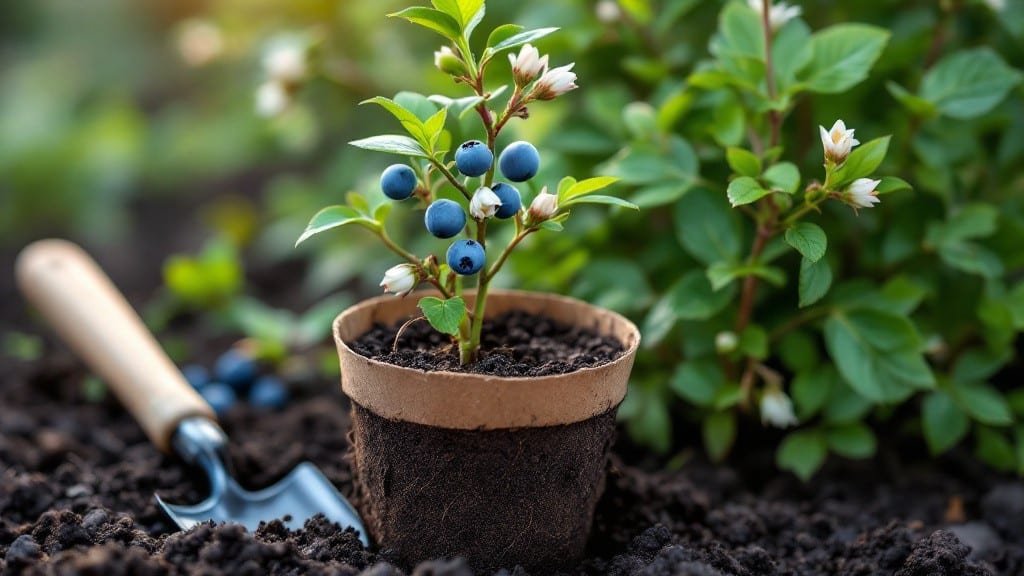
Planting blueberry trees in the Pacific Northwest means frost-hardy varieties that thrive in your chilly, rainy climate—like 'Duke' or 'Bluecrop'—once you get the soil right. 🌿 I learned the hard way that regular garden soil won’t cut it; these plants demand acidic, well-draining soil (pH 4.5-5.5) to produce those sweet, juicy berries.
The key isn’t just digging a hole—it’s amending the soil months ahead with peat moss, sulfur, and compost to mimic their natural bog habitat.
Start with bare-root plants in early spring or fall, when the ground isn’t frozen. Space them 8-10 feet apart for full-size bushes (closer for dwarf varieties) to give roots room to spread—crowding leads to disease and poor yields.
My first attempt had them too close, and by year three, I was fighting fungal issues. A mulch ring of pine needles or wood chips keeps roots cool in summer and acidic year-round, saving you from constant soil tests.
After planting, water deeply once a week (more in summer) to encourage strong roots, but avoid soggy soil—blueberries hate "wet feet." The first harvest might take 2-3 years, but with patience, you’ll get pounds of berries per bush.
The real magic? Watching those white spring blooms turn into deep blue clusters by midsummer, a sight that makes every early-morning watering worth it.
Container growing works too—just use a 15-gallon pot with acidic potting mix and drain holes. Whether in-ground or in pots, the secret is consistency: acidic soil, regular water, and no overcrowding. Skip the shortcuts, and you’ll have a blueberry patch that keeps giving for decades.
📚 In This Guide
- What you need
- Instructions
- Tips and common mistakes
- Wrapping up and next steps
What you need
- ● Blueberry plants: 3–5 frost-hardy varieties (e.g., ‘Duke,’ ‘Jersey,’ ‘Bluecrop,’ or ‘Rubel’) for cross-pollination. Choose southern highbush (SHB) or half-high varieties for PNW’s mild winters.
- ● Well-draining soil: Acidic (pH 4.5–5.5). Test your soil or amend with peat moss (1–2 bags per 10 sq ft) or sulfur (1–2 lbs per 100 sq ft) if needed.
- ● Organic mulch: Pine needles (3–4 inches) or wood chips to retain moisture and acidify soil over time.
- ● Fertilizer: Acid-loving plant fertilizer (e.g., Espoma Azalea/Rhododendron) or cottonseed meal (1–2 lbs per plant) at planting and annually.
- ● Watering supplies: Drip irrigation or soaker hose (avoid overhead watering to prevent disease).
- ● Shovel or spade (for digging holes 12–18 inches wide/deep).
- ● Garden trowel (for delicate root adjustments).
- ● Pruning shears (sterilized with rubbing alcohol).
- ● Garden gloves (to protect from thorns and soil).
- ● pH testing kit (to monitor soil acidity).
- ● Measuring tape (to space plants 4–6 feet apart for SHB, 6–8 feet for rabbiteye).
- ● Epsom salt (magnesium sulfate)—mix 1 tbsp per gallon of water monthly for lush foliage.
- ● Bird netting—to protect ripe berries from hungry critters.
- ● Mulch volcano blocker—keeps mulch away from the trunk to prevent rot.
- ● Blueberry cage or trellis—supports heavy branches (especially for ‘Top Hat’ dwarf varieties).
- ● Compost or worm castings—boosts soil health and microbial activity.
Step-by-step guide for planting frost-hardy blueberry trees
Here's how to establish thriving blueberry bushes in the Pacific Northwest's climate—where cool summers and mild winters create ideal conditions.
🪴 Step 1: Select and Prepare the Planting Site
Blueberries thrive in acidic soil with a pH between 4.5 and 5.5—test your soil first using a home kit. If your soil tests neutral or alkaline, amend it with 2-3 pounds of sulfur per 100 square feet, worked in 3-4 months before planting. The Pacific Northwest’s natural acidity in many areas means you might only need to add sulfur to heavier clay soils.
Choose a location with full sun exposure (at least 6-8 hours daily) and well-draining soil. Avoid low spots where cold air settles, as blueberries are sensitive to winter frost damage. Dig a hole twice as wide as the root ball but only as deep—planting too deep suffocates roots. I like to loosen the soil at the bottom of the hole with a fork to encourage root spread.
🌱 Step 2: Plant Bare-Root or Container-Grown Trees Correctly
If planting bare-root trees, soak the roots in lukewarm water for 1-2 hours before handling. Position the tree so the top of the root flare (where roots meet trunk) sits 1-2 inches above soil level—this prevents rot from settling soil. For container-grown trees, remove the pot and gently tease apart roots that circle the root ball to encourage outward growth.
Backfill the hole with a mix of native soil and 50% peat moss or pine fines (never use compost or manure—it raises pH). Water deeply to settle the soil, then add a 2-inch layer of pine needles or wood chips around the base. This mulch retains moisture and slowly acidifies the soil. Avoid piling mulch against the trunk—keep it 3-4 inches away to prevent rot.
☀️ Step 3: Water and Fertilize for First-Year Establishment
Water deeply 2-3 times per week during the first growing season, ensuring moisture reaches 12-18 inches down. Blueberries are shallow-rooted, so consistent moisture prevents stress. You’ll know it’s enough when the soil feels damp but not soggy at the 4-inch depth. In the Pacific Northwest’s damp climate, you might reduce this to once weekly after the first month if rainfall is steady.
Apply a slow-release acidic fertilizer (like one formulated for blueberries) in early spring and again in mid-summer. Follow package rates—over-fertilizing burns roots. I skip fall fertilization entirely, as blueberries go semi-dormant in cooler months. If your soil is very poor, a balanced 10-10-10 fertilizer at half strength in spring can give young trees a boost without shocking them.
✂️ Step 4: Prune and Protect for Long-Term Health
Prune in late winter or early spring (before buds swell) to remove dead, crossing, or weak branches. Cut back to an outward-facing bud to encourage an open canopy. Avoid heavy pruning in the first year—just shape lightly to remove any damaged growth. Blueberries produce berries on second-year wood, so pruning too aggressively reduces fruit next season.
In the Pacific Northwest, winter protection is key for young trees. Wrap the trunk with tree guard or burlap in late fall to prevent rodent damage. If your area gets hard freezes below 10°F, mound 4-6 inches of mulch around the base for insulation. Remove mulch in early spring to avoid overheating roots as temperatures rise.
Tips & tricks for perfect blueberry tree planting in the Pacific Northwest
These practical insights will help you avoid common pitfalls and maximize your blueberry bushes' potential in our region's unique climate.
Soil Preparation Secret: The 3-4 month lead time for sulfur amendment is non-negotiable—it takes this long for the pH to stabilize properly. I've seen gardeners rush this step and end up with stressed plants that struggle to establish. Test your soil again just before planting to confirm the pH is in that critical 4.5-5.5 range. For heavy clay soils common in the PNW, consider adding a 50-50 mix of peat moss and perlite to improve drainage while maintaining acidity.
Root Handling Technique: When soaking bare-root trees, use lukewarm water—not cold tap water—that can shock the roots. After soaking for 1-2 hours, gently massage the roots to encourage them to spread naturally. For container-grown trees, scoring the bottom of the root ball with a knife before planting helps break up compacted soil and encourages new root growth into the surrounding earth.
Watering Wisdom: The 2-3 times weekly watering schedule assumes average summer conditions. In the Pacific Northwest's variable climate, check soil moisture at 4-inch depth daily—if it's dry, water immediately. A simple way to monitor this is to insert a wooden skewer into the soil; if it comes out clean, you need water. Mulching with pine needles helps maintain consistent moisture while slowly acidifying the soil over time.
Winter Protection Strategy: The 4-6 inch mulch mound for winter protection is your best defense against hard freezes below 10°F. I've found that adding a layer of straw over the pine needle mulch provides extra insulation. Remember to remove any mulch piled against the trunk in early spring—this prevents moisture buildup that can lead to rot. For young trees, consider wrapping the trunk with tree guard to deter hungry rodents during winter dormancy.
Pro Tips for Planting Blueberry Trees
- These practical insights will help you avoid common pitfalls and maximize your blueberry bushes' potential in our region's unique climate.
- Soil Preparation Secret: The 3-4 month lead time for sulfur amendment is non-negotiable—it takes this long for the pH to stabilize properly.
- Root Handling Technique: When soaking bare-root trees, use lukewarm water—not cold tap water—that can shock the roots.
Frequently asked questions
Got questions about planting blueberry trees in the Pacific Northwest? You’re not alone!
Here are the answers to some of the most common concerns—from timing to troubleshooting—so you can grow thriving bushes with confidence.
When is the best time to plant blueberry trees in the PNW?
The ideal window is late fall to early spring (October–March), when the soil is workable but not frozen. This gives roots time to establish before summer heat. If planting in summer, water deeply and mulch heavily to reduce stress. Avoid transplanting during extreme heat or drought.
How cold-hardy are blueberry trees, and will they survive PNW winters?
Most frost-hardy varieties (like ‘Duke,’ ‘Bluecrop,’ or ‘Jersey’) tolerate temperatures down to -15°F to -20°F. However, young trees or bare roots may need winter protection—like mulch or burlap wraps—until established. Southern PNW areas (e.g., Willamette Valley) have milder winters, while Eastern WA/OR may need extra care.
Do blueberry trees need cross-pollination, or can I plant just one?
Most varieties are self-pollinating, but planting two or more bushes (even different types) boosts fruit yield by 20–30%. For the PNW, pair ‘Bluecrop’ (mid-season) with ‘Duke’ (late-season) for continuous harvests. Bees love them—just ensure no pesticides harm pollinators!
Why aren’t my blueberry trees fruiting, even after 2–3 years?
Common culprits:
- Immaturity: Trees need 2–5 years to bear fruit.
- Soil pH: Blueberries thrive in acidic soil (pH 4.5–5.5). Test and amend with sulfur or peat moss if needed.
- Pruning mistakes: Over-pruning or cutting old wood reduces fruit production. Prune after harvest to shape, not thin.
- Nutrient deficiency: Lack of nitrogen, phosphorus, or micronutrients (like zinc) can stunt growth. Use a balanced organic fertilizer in early spring.
If issues persist, check for pests (e.g., blueberry maggots) or fungal diseases (like mummy berry).
Can I grow blueberries in containers, or do I need a yard?
Dwarf varieties like ‘Top Hat’ or ‘Peach Sorbet’ thrive in 5–10-gallon pots with well-draining, acidic soil. Place containers in full sun (6+ hours/day) and water consistently—containers dry out faster. Just ensure pots have drainage holes and use a slow-release fertilizer tailored for acid-loving plants.
Pro Tip:
For bigger harvests, plant blueberries near companion plants like thyme, lavender, or clover. These deter pests, improve soil health, and attract pollinators—without competing for nutrients!
Wrapping up and next steps
Planting blueberry trees in the Pacific Northwest is a rewarding journey—especially when you choose frost-hardy varieties like ‘Duke,’ ‘Bluecrop,’ or ‘Jersey.’ With the right soil, spacing, and care, you’ll soon enjoy a bountiful harvest of sweet, antioxidant-rich berries. Remember: patience is key! Start small, monitor your trees, and soon you’ll be sharing jars of homemade jam with neighbors.
Ready to take the next step? Mark your calendar for early spring planting—or order your saplings today! Whether you’re a seasoned gardener or a beginner, every blueberry bush planted is a step toward a healthier, tastier future. Happy growing! 🌱✨