
Pruning
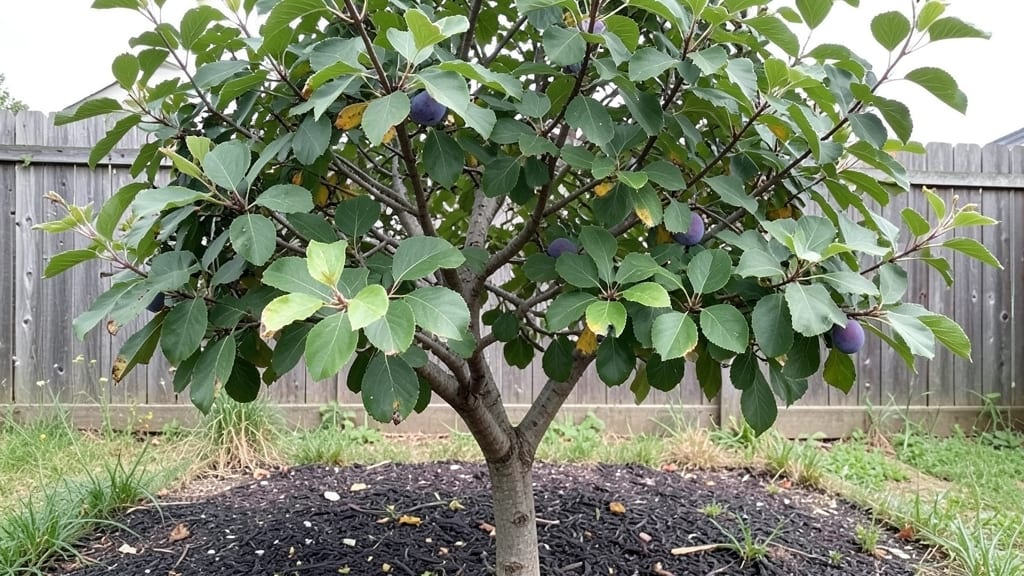
Growing plum trees in Tampa means choosing the right varieties and pruning them to handle Florida’s heat and humidity—my Santa Rosa plums now produce gallons of fruit each season after mastering this technique.
The key isn’t just cutting branches; it’s shaping the tree to balance sunlight, airflow, and fruit load so you don’t end up with half the crop rotting on the ground.
I learned the hard way when my first tree sagged under 50-pound branches, so I developed a pruning schedule that works with Tampa’s climate.
You’ll need sharp pruners, a ladder for taller branches, and a clear day to work—pruning after rain just makes everything messy. The best time is late winter or early spring, right before buds swell but before new growth starts.
For Tampa’s heat, focus on thinning out crowded branches to improve airflow and reduce humidity-related diseases like brown rot. My trees now yield fruit that’s sweeter and ripens more evenly, all because I learned to prune for Florida’s conditions rather than following generic guides.
What you’ll end up with is a plum tree that thrives in Tampa’s heat, producing heavy crops without breaking under the weight. The fruit stays firmer on the branch longer, ripens more uniformly, and tastes richer because the tree isn’t struggling to support too much fruit at once.
Plus, the open structure makes it easier to harvest and reduces the risk of pests hiding in dense foliage. You’ll know you’ve done it right when your neighbors start asking for cuttings.
This method works for any plum variety that does well in Florida’s climate, from Santa Rosa to Florida Gold. Whether you’re pruning a young tree or reviving an overgrown one, the same principles apply—just adjust the intensity based on the tree’s age and health.
Let’s get those branches in shape for next season’s harvest.
📚 In This Guide
- What you need
- Instructions
- Tips and common mistakes
- Wrapping up and next steps
What you need
- ● Pruning shears: Bypass pruners (sharp, high-quality) for small branches (1/4"–3/4" diameter). Example: Fiskars PowerGear or Felco F2.
- ● Loppers: For medium branches (3/4"–2" diameter). Look for ratcheting or bypass loppers (e.g., Corona or Bahco).
- ● Pruning saw: For thick branches (2"+ diameter). A curved-tooth pruning saw (like the blank">Felco F-28) minimizes tear-out.
- ● Extension pole: 6–10 ft telescoping pole with pruning saw or shears attachment (for high branches).
- ● Disinfectant: 70% isopropyl alcohol or 10% bleach solution (1 part bleach to 9 parts water) to sterilize tools between cuts.
- ● Heavy-duty gloves: Cut-resistant (e.g., Mechanix or blank">Wright & McGill) to protect from thorns and splinters.
- ● Safety gear: Safety glasses and long sleeves/pants (plum trees have sharp thorns!).
- ● 5-gallon bucket: For collecting debris (or a tarp to drag branches away).
- ● Sealing wax: Pruning sealant (e.g., blank">Tanglefoot Tree Wound Pruning Seal) for large cuts (>2" diameter) to reduce disease risk.
- ● Ladder: Sturdy, extension ladder (rated for your height needs) if branches are >12 ft high.
- ● Marking spray: Fluorescent paint or tape to mark branches for removal (great for complex pruning plans!).
- ● Tree growth regulator: Dormant oil spray (applied post-pruning) to protect against pests like scale insects.
- ● Notebook & pen: To sketch your pruning plan or jot down notes on branch angles/sizes.
- ● Knowledge of plum tree anatomy: Familiarize yourself with water sprouts, scaffold branches, and the central leader (or open-center structure) of your tree.
- ● Weather check: Prune on a dry, cloudy day (avoid wet or windy conditions). Tampa’s humid climate means sterilizing tools is non-negotiable!
- ● Tree health assessment: Inspect for diseases (e.g., silver leaf fungus) or pests before pruning. Report severe issues to blank">UF/IFAS Extension Hillsborough County.
- ● Local regulations: Check Tampa’s HOA or city ordinances if your tree is near property lines or power lines.
Step-by-Step guide to pruning plum trees in Tampa’s climate
Here’s how to keep your tree productive and healthy through Florida’s long growing season.
Time Your Pruning for Tampa’s Seasons
Prune your plum tree during its dormant phase, which in Tampa typically runs from late February to early March. This timing avoids stressing the tree when it’s already working hard to fruit. If you missed the dormant window, wait until just after harvest in late May—but avoid heavy pruning during summer heat, which can invite disease.
Here’s the thing—Florida’s humidity means pruning wounds heal slower than in drier climates. I always use clean, sharp pruning shears to make cuts at a 45-degree angle just above a bud or branch collar. This prevents water from pooling in the cut and reduces rot risk. If you see any dead or diseased branches during the growing season, remove them immediately to protect the rest of the tree.
Remove Dead, Diseased, and Weak Branches First
Start by inspecting the tree for branches that are dead, diseased, or crossing—these compete for energy and can spread problems. Dead branches snap easily when bent; diseased ones may ooze sap or have strange growths. Cut these out completely at the branch collar, where the branch meets the trunk. The goal is to open the canopy for better airflow and sunlight penetration, which is critical in Tampa’s sticky summers.
If you spot any suckers (shoots growing from the base or trunk), remove them too. These sap-suckers drain energy from fruit production. I like to use my pruners for smaller suckers and a hand pruner for thicker ones. Don’t leave stubs—always cut cleanly to avoid inviting pests or disease. You’ll know you’re on the right track when the tree’s center looks open and light can reach the inner branches.
Thin Out Crowded Branches for Better Fruit Production
Plum trees in Tampa often bear heavy fruit loads, which can weigh branches down and reduce next year’s harvest. Thin out one-third of the branches that are too close together or growing inward. Focus on removing smaller branches first—they’re easier to cut and won’t disrupt the tree’s structure as much. Aim to leave a 6- to 12-inch gap between branches to improve airflow and sunlight exposure.
Watch for branches that grow straight upward—these are called water sprouts and rarely produce fruit. Cut them back to a lateral branch or bud. You’ll see the difference in fruit quality after a season of proper thinning. The tree will redirect energy to fewer, stronger branches, resulting in larger, sweeter plums. If you’re unsure which branches to keep, prioritize those that angle outward and have a history of good fruit production.
Shape the Tree for Balance and Airflow
Step back and assess the tree’s overall shape. Tampa’s heat and humidity can stress a poorly shaped plum tree, so aim for a balanced, open-center form. Remove any branches that rub against each other—the friction can create wounds that invite disease. If the tree has become top-heavy, prune slightly more from the top to encourage a sturdier structure.
For younger trees, you can guide their shape more aggressively. Cut back the tallest branches by one-third to encourage branching lower on the trunk. This makes future pruning easier and improves fruit accessibility. Older trees need gentler shaping—never remove more than 25% of the canopy in one season. You’ll know you’ve done it right when the tree looks balanced, with light filtering through the center and branches spaced evenly.
Clean Up and Protect Your Tree
After pruning, rake up and dispose of all clippings—especially if they show signs of disease. Burning them is the safest option, but if you can’t, seal them in a plastic bag for the trash. Never leave pruned branches on the ground, as they can harbor pests or fungi that will reinfect the tree. I also like to apply a copper fungicide spray right after pruning to prevent any potential issues from taking hold.
Finally, give the tree a deep watering to help it recover from the stress of pruning. Mulch around the base with 2-3 inches of organic mulch, keeping it a few inches away from the trunk to prevent rot. This helps retain moisture and regulates soil temperature, which is especially important in Tampa’s hot, dry spells. Your tree will thank you with stronger growth and a better fruit harvest next season.
Tips & tricks for pruning plum trees in Tampa’s climate
A few key strategies will help you prune with confidence and keep your Florida plum tree thriving for years to come.
Timing is Everything: The late February to early March window is ideal for Tampa’s climate because it coincides with the tree’s dormant phase, when it’s less stressed. If you miss this window, late May after harvest is your next best option—but avoid pruning during summer’s intense heat, which can stress the tree and invite fungal diseases. I’ve seen trees in Tampa suffer from heavy summer pruning, so timing really matters here.
Tool Prep Matters: Always use clean, sharp pruning shears to make precise cuts at a 45-degree angle just above the branch collar. Dull tools crush branches, creating larger wounds that heal slowly in Florida’s humid climate. I also recommend sterilizing your tools with rubbing alcohol between cuts to prevent spreading disease from branch to branch.
Branch Selection Strategy: When thinning branches in Step 3, focus on removing one-third of the crowded branches first—these are the ones growing inward or crossing others. Look for water sprouts (straight-up branches) that rarely produce fruit and cut them back to a lateral branch. This redirection of energy leads to stronger, more productive branches that bear larger fruit.
Post-Pruning Care: After finishing, give your tree a deep watering to help it recover from the stress. Apply 2-3 inches of organic mulch around the base, keeping it a few inches away from the trunk to prevent rot. This mulch layer helps regulate soil temperature and retain moisture, which is especially important during Tampa’s hot, dry spells.
Pro Tips for Plum Tree Tampa
- A few key strategies will help you prune with confidence and keep your Florida plum tree thriving for years to come.
- Timing is Everything: The late February to early March window is ideal for Tampa’s climate because it coincides with the tree’s dormant phase, when it’s less stressed.
- Tool Prep Matters: Always use clean, sharp pruning shears to make precise cuts at a 45-degree angle just above the branch collar.
Frequently asked questions
Got questions about growing and maintaining a plum tree in Tampa’s unique climate? You’re not alone! Here are some of the most common concerns—and straightforward answers—to help you keep your tree thriving and productive.
When’s the best time to prune a plum tree in Tampa’s heat?
Prune your plum tree in late winter or early spring (February–March) before buds swell but after cold snaps pass. Tampa’s humidity and heat can stress fresh cuts, so avoid pruning during summer’s peak. Focus on removing dead wood, crossing branches, and thinning the canopy to improve airflow—critical for fungal resistance in Florida’s climate.
How much can I prune without harming fruit production?
For established trees, remove no more than 20–25% of the canopy per year to avoid shocking the tree. Prioritize:
- Dead/diseased branches (cut to the healthy wood).
- Water sprouts (shoot up from the trunk).
- Crossing branches (rubbing limbs).
- Overcrowded areas (thin out to sunlight’s reach).
Will pruning affect plum yield or fruit size?
Pruning correctly actually boosts yield by improving air circulation and sunlight penetration. Open the canopy to reduce humidity-related diseases (like brown rot) and encourage larger, sweeter fruit. Just avoid over-pruning—too many cuts can divert energy from fruiting. Aim for a balanced shape with 6–8 main scaffold branches.
How do I prevent plum tree diseases after pruning?
Tampa’s wet season (June–September) is prime time for fungal issues. After pruning:
- Seal cuts with pruning paint or tree wound sealant (optional but helpful for large cuts).
- Sterilize tools with 70% rubbing alcohol between cuts.
- Apply copper fungicide preventatively if your tree is prone to brown rot.
- Mulch around the base (2–3 inches) to retain moisture but keep mulch away from the trunk.
Can I grow plums in Tampa without a full-size tree?
Consider these space-saving alternatives:
- Dwarf varieties (e.g., ‘Santa Rosa’ or ‘Methley’): Grow in containers or small yards (6–10 ft tall).
- Semi-dwarf trees (12–15 ft): Need less space than standard trees but still produce heavily.
- Espaliered plums: Train branches flat against a fence/wall to save space while maximizing fruit.
What if my plum tree isn’t fruiting after pruning?
Check these common culprits:
- Age: Young trees (under 3–4 years) focus on growth, not fruit.
- Pollination: Plums need cross-pollination. Plant two compatible varieties (e.g., ‘Flamecrest’ + ‘Angeleno’).
- Nutrients: Test soil for low nitrogen or zinc (common in Florida). Amend with compost or a balanced fertilizer.
- Over-pruning: If you cut too aggressively, the tree may prioritize regrowth over fruit.
Wrapping up and next steps
Growing a thriving plum tree in Tampa with a heavy fruit load is totally doable—just follow Florida-friendly pruning techniques! With the right tools, timing, and care, you’ll keep your tree healthy, productive, and well-balanced. Now’s the perfect time to put your new skills to work!
Ready to harvest those juicy plums? Start by scheduling your next pruning session—whether it’s shaping young branches or thinning dense growth. Grab your pruners and get growing! 🌱🍑