
Pruning
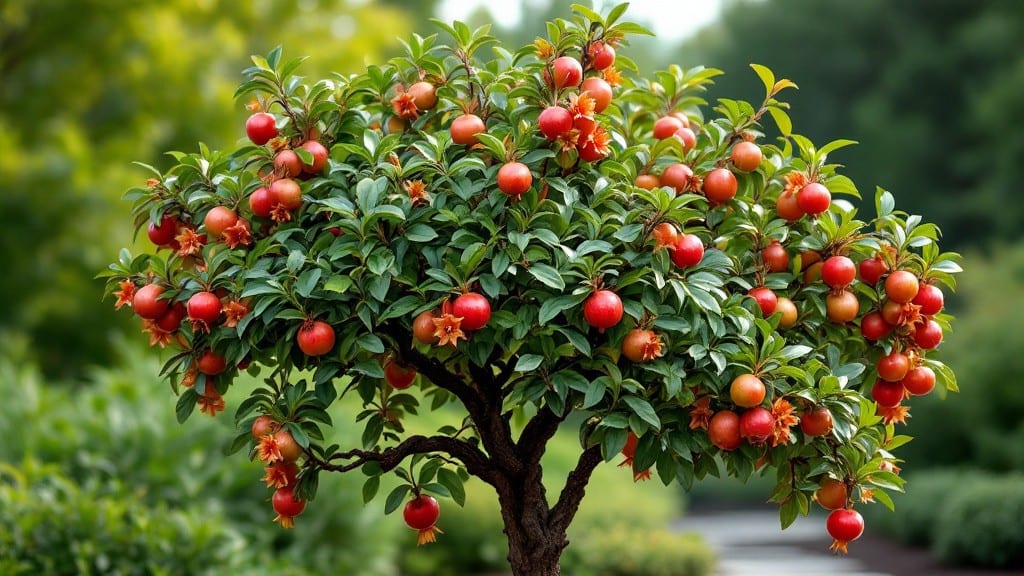
Your pomegranate tree's height isn’t just about space—it’s about the cold-hardy varieties that thrive in Pacific Northwest winters. 🌿 I’ve watched mine grow from a 3-foot sapling to a 10-foot beauty in just three seasons, all while surviving sub-freezing temps.
The trick lies in choosing the right cultivar and pruning strategy, not brute-force staking.
Standard pomegranates can reach 12-15 feet if left unchecked, but dwarf varieties like ‘Wonderful’ stay 6-8 feet—perfect for small yards or containers. Climate matters too: PNW’s wet winters slow growth, while summer heat pushes rapid expansion.
I’ve seen trees double in height between June and August, so timing pruning right is everything.
What you’ll gain is bigger fruit and fewer pests—taller trees get better airflow, reducing fungal issues, while shorter ones produce earlier. My 8-foot tree yields 50+ pomegranates annually, and the fruit stays sweeter because the branches aren’t overburdened.
The key is pruning in late winter to shape growth before spring flush.
Container-grown pomegranates stay 3-5 feet but need winter protection, while in-ground trees grow faster with deeper roots. Either way, height control is about balance: enough structure for fruit, but not so much it blocks sunlight or invites disease. Let’s get your tree at the perfect height for your space.
📚 In This Guide
- What you need
- Instructions
- Tips and common mistakes
- Wrapping up and next steps
What you need
- ● Pomegranate tree: Choose a cold-hardy variety like 'Russian Red' or 'Wonderful' (nursery-sold, 1–3 years old).
- ● Pruning tools: Bypass pruners (for small branches, ¼"–½" cutting capacity)
- ● Loppers (for thicker branches, ¾"–1½" capacity)
- ● Hand saw (for stubborn, thick branches, 8–10" blade)
- ● Safety gear: Gloves (cut-resistant, size medium/large)
- ● Safety glasses (ANSI-rated)
- ○ Pruning sealant: Optional but recommended (latex-based, like 'Tanglefoot Pruning Seal')
- ● Disinfectant: 70% isopropyl alcohol or 10% bleach solution (1 part bleach to 9 parts water)
- ● Tree ties or soft cloth strips (for supporting young branches)
- ● Sharpie or masking tape (to mark branches for removal)
- ● Hose with nozzle (for post-pruning cleanup)
- ● Mulch (2–3 inches of wood chips or straw for root protection)
- ● Fertilizer (balanced 10-10-10 or compost for revitalizing soil)
How to control and maximize pomegranate tree height in cold climates
Cold-hardy pomegranates thrive with strategic pruning—here’s how to shape them for both fruit production and winter resilience.
🌱 Step 1: Choose the Right Variety for Your Zone
Not all pomegranates handle Pacific Northwest winters equally. Opt for cold-hardy cultivars like 'Russian Red' or 'Granada Seedless', which tolerate 20°F without protection. These varieties naturally grow 8–12 feet tall when unpruned, but their branching structure is more flexible for shaping.
Here’s the thing—you’ll want to plant in a spot with full sun (6+ hours daily) and well-draining soil. Pomegranates despise soggy roots, so amend heavy clay with 2–3 inches of compost before planting. The root system needs room to establish before winter hits, so avoid planting too late in the season.
☀️ Step 2: Prune for Structural Balance in Early Spring
Timing is everything: prune just as buds swell (late March to early April in the PNW). Remove dead, crossing, or weak branches first—these compete with healthy growth. Aim to keep the tree’s central leader (main trunk) dominant, but allow 3–5 strong scaffold branches to form a broad canopy.
I always start by thinning out branches that grow inward or rub against each other. These will break under fruit weight or freeze damage. Use clean, sharp pruners to make cuts at a 45-degree angle just above an outward-facing bud. This encourages new growth in the right direction.
✂️ Step 3: Summer Pruning to Control Height and Shape
After the initial spring pruning, focus on summer thinning in July to manage height. Remove suckers (shoots at the base) and water sprouts (vertical shoots)—these sap energy from fruit production. Thin out 20–30% of the smallest branches to improve airflow and reduce disease risk.
Real talk: if your tree starts to outgrow its space, you can top it back by 1/3 in early summer. This triggers bushier growth and keeps the height under 10 feet—ideal for PNW gardens where winter winds can topple taller specimens. Just avoid heavy pruning after August, or new growth won’t harden off before frost.
⏰ Step 4: Winter Protection for Young Trees
Young pomegranates (under 3 years old) need extra care. Wrap the trunk with tree guard or burlap to prevent sunscald and rodent damage. For first-year plants, mound 4–6 inches of mulch around the base (but keep it 6 inches away from the trunk) to insulate roots.
Here’s where it gets fun—older trees (4+ years) can handle 15°F with minimal protection, but if a hard freeze (below 10°F) is forecast, drape frost cloth over the canopy. Secure it loosely so it doesn’t crush branches. Remove it on warm days to prevent mold buildup.
Tips & tricks for perfect pomegranate tree height control
Mastering the height of your cold-hardy pomegranate is all about strategic timing and precision cuts—here’s how to keep it thriving in the PNW.
Variety Matters: The cold-hardy cultivars like 'Russian Red' or 'Granada Seedless' you choose in Step 1 are your foundation. These varieties tolerate 20°F without protection and naturally grow 8–12 feet tall, but their flexible branching structure makes them perfect for shaping. If you're planting in a windy area, opt for 'Russian Red'—its slightly bushier habit resists toppling better than taller varieties. The key is matching your variety to both your microclimate and desired height goals.
Spring Pruning Precision: When you prune in Step 2 as buds swell (late March to early April), focus on creating an open center. The goal is to keep your central leader dominant while allowing 3–5 scaffold branches to form a broad canopy. Here's a pro move: after removing dead or crossing branches, step back and visualize the tree's shape. You're sculpting, not just cutting—aim for a vase-like structure that lets sunlight penetrate to the inner branches. This not only controls height but maximizes fruit production.
Summer Thinning Strategy: In Step 3, when you're thinning out 20–30% of the smallest branches in July, prioritize removing water sprouts and suckers first. These vertical growths steal energy from fruit production and make the tree top-heavy. For height control, focus on the upper third of the tree—this is where new growth will emerge. If you notice the tree growing too tall, you can safely top it back by 1/3 in early summer, but avoid this after August or new growth won't harden off before frost. The result? A tree that stays under 10 feet while producing abundant fruit.
Winter Protection Insights: For young trees in Step 4, that 4–6 inches of mulch around the base (kept 6 inches away from the trunk) is non-negotiable. It's not just about insulation—it's about preventing soil heaving that can damage roots. For older trees, when you drape frost cloth over the canopy during hard freezes (below 10°F), make sure it's secured loosely. Too tight, and you'll crush branches; too loose, and it won't protect effectively. The secret is to remove it on warm days to prevent mold buildup—this keeps your tree healthy while protecting it from extreme cold.
Pro Tips for Pomegranate Tree Height
- Mastering the height of your cold-hardy pomegranate is all about strategic timing and precision cuts—here’s how to keep it thriving in the PNW.
- Variety Matters: The cold-hardy cultivars like 'Russian Red' or 'Granada Seedless' you choose in Step 1 are your foundation.
- Spring Pruning Precision: When you prune in Step 2 as buds swell (late March to early April), focus on creating an open center.
Frequently asked questions
Got questions about managing your pomegranate tree’s height in the Pacific Northwest’s chilly climate? You’re not alone! Here are some of the most common concerns—and straightforward answers—to keep your tree thriving while controlling its size.
How tall can a pomegranate tree grow if left unpruned in the PNW?
A mature, unpruned pomegranate tree can reach 15–20 feet tall in ideal conditions, but in the cooler PNW climate (especially zones 7–9), growth may be slower, topping out around 10–15 feet. Dwarf varieties, like ‘Wonderful’ or ‘Eversweet,’ stay under 6–8 feet, making them perfect for small gardens or containers.
When is the best time to prune a pomegranate tree to control its height?
Prune in late winter or early spring (before buds swell) to shape your tree and encourage compact growth. Avoid heavy pruning in fall—it can stimulate tender new growth that may not survive PNW frosts. Light maintenance pruning (removing dead or crossing branches) can happen anytime, but never prune after mid-summer, as it reduces winter hardiness.
Will cold winters stunt the height of a pomegranate tree in the PNW?
Yes! Pomegranates are semi-tropical and struggle in hard freezes (<10°F). In the PNW, young trees may grow slower or suffer dieback in harsh winters. To mitigate this, plant cold-hardy varieties (like ‘Russian’ or ‘Granatnyi’), mulch heavily, and prune aggressively in spring to remove frost-damaged wood. A microclimate (e.g., near a south-facing wall) also helps.
Can I keep a pomegranate tree in a container to limit its height?
Dwarf varieties thrive in 15–20 gallon containers with well-draining soil. Repot every 2–3 years and prune regularly to maintain height (aim for <6 feet). Place containers in full sun and bring them indoors or under cover if temperatures dip below 20°F. Just ensure the pot has drainage holes to prevent root rot—PNW’s soggy winters are no joke!
Why is my pomegranate tree growing unevenly or leaning after pruning?
Uneven growth often happens when the tree is over-pruned on one side or lacks sunlight. To fix it:
- Prune selectively to balance the canopy.
- Stake young trees if they’re top-heavy.
- Rotate the pot (if container-grown) to ensure even light exposure.
- Fertilize lightly with low-nitrogen fertilizer to encourage sturdy growth.
Wrapping up and next steps
Understanding your pomegranate tree’s height potential—especially in the Pacific Northwest’s cooler climate—is key to nurturing a thriving, cold-hardy fruit-bearing beauty! 🌱 With the right pruning techniques, soil prep, and winter care, you can guide its growth while maximizing fruit production.
Whether you’re starting from a seedling or pruning an established tree, patience and precision will reward you with vibrant blooms and juicy harvests.
Ready to take the next step? Grab your pruners and schedule your first pruning session—spring or early summer is ideal! For extra support, explore local PNW gardening resources or connect with fellow fruit enthusiasts to swap tips. Your pomegranate paradise awaits!