
Pruning
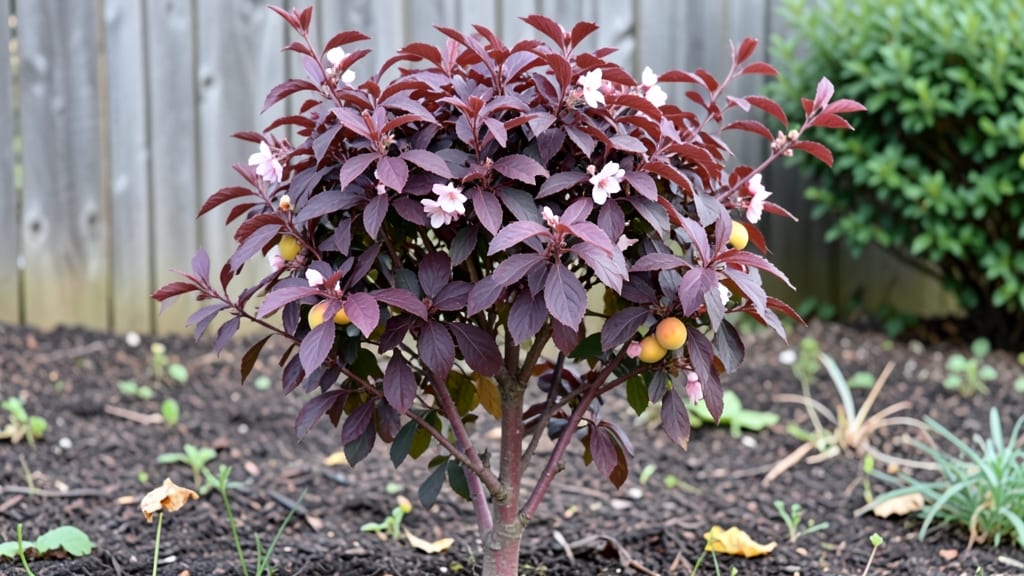
Growing a purple leaf peach tree means year-round drama in your garden—deep purple foliage that turns fiery red in fall, followed by delicate white blossoms and even fruit if you're lucky. 🌿 I planted mine in a sunny corner last spring, and the neighbors still ask about it every time they see the bold color show.
The secret isn't just the variety; it's the right spot and a little seasonal TLC that keeps it thriving.
This tree thrives in well-draining soil and full sun, but it’s tougher than most people think—it handles heat, drought, and even light frost once established. My tree got through last winter with just a thin layer of mulch, and the roots stayed happy in average garden soil.
The key is spacing it right: give it 15-20 feet from other trees or structures so it has room to grow without competition.
You’ll spend most of your time pruning to shape it and keep it healthy—cut back dead branches in late winter and thin out crowded growth in early summer.
The foliage stays vibrant all season, and the flowers add a sweet bonus. Even if it doesn’t fruit where you live, the color alone makes it worth growing.
Perfect for small urban yards, large landscapes, or even as a striking container specimen in milder climates. With the right care, your purple leaf peach tree will be the showstopper of the neighborhood—no fruit required.
📚 In This Guide
- What you need
- Instructions
- Tips and common mistakes
- Wrapping up and next steps
What you need
- ● Pruning shears: Bypass pruners (sharp, 6-8" blades) for clean cuts on small branches.
- ● Loppers: Bypass or anvil type (18-24" handles) for thicker branches (up to 2" diameter).
- ● Pruning saw: Curved-tooth or folding saw for branches over 2" in diameter.
- ● Gloves: Heavy-duty, cut-resistant (e.g., leather or reinforced fabric) to protect hands from thorns and sharp tools.
- ● Disinfectant: 70% isopropyl alcohol or bleach solution (1 part bleach to 9 parts water) to sterilize tools between cuts and prevent disease.
- ○ Pruning sealant: Optional but helpful (e.g., tree wound paint) for larger cuts to reduce sap loss and infection risk.
- ● Weather check: Prune on a dry, cloudy day (avoid extreme heat or cold). Ideal temps: 50–75°F.
- ● Safety gear: Safety glasses (to shield eyes from debris) and long sleeves/pants (to protect skin).
- ● Tree assessment: Study your tree’s structure beforehand—identify dead, crossing, or overcrowded branches to target.
- ● Cleanup supplies: Trash bags or compost bin for disposing of pruned branches (avoid leaving debris near the tree).
- ● Pole saw or extension pruners: For high branches (if you’re not using a ladder).
- ● Tree bag: A mesh bag to collect pruned branches easily.
- ● Ladder: Sturdy, non-slip (if your tree is over 6–8 feet tall).
- ● Notebook & pen: To sketch a pruning plan or track cuts for future reference.
Step-by-Step instructions for planting and caring for a purple leaf peach tree
Here's how to get vibrant purple foliage that steals the show all season long.
🌱 Step 1: Choose the Perfect Planting Spot
Purple leaf peach trees thrive in full sun—at least 6-8 hours daily—so scout your yard for the sunniest, most sheltered location. Avoid low spots where cold air pools, as these trees are only hardy down to USDA Zone 5. The ideal site has well-draining soil and protection from strong winds that can tear delicate leaves.
I always dig a hole twice as wide as the root ball but only as deep. The top of the root ball should sit 2 inches above ground level—this prevents water from pooling around the trunk. If your soil is heavy clay, mix in 2-3 inches of compost to improve drainage before planting.
🪴 Step 2: Plant with Care for Strong Root Development
Gently remove the tree from its container and loosen any circling roots with your fingers—this encourages outward growth. Place the tree in the hole so the graft union (the bump near the base) sits 2-4 inches above soil level. Backfill with native soil, tamping down lightly every 4-6 inches to eliminate air pockets.
Water deeply right after planting—1-2 gallons—to settle the soil and eliminate air gaps. I like to create a 4-inch-high berm around the base to help direct water toward the roots. Mulch with 2-3 inches of wood chips, keeping it 6 inches away from the trunk to prevent rot.
☀️ Step 3: Water and Feed for Vibrant Purple Foliage
Young purple leaf peach trees need consistent moisture—water once a week during the first year, aiming for 1-2 inches of water per week. Check soil moisture by sticking your finger 2 inches deep; if it feels dry, it's time to water. Overwatering causes root rot, so always let the top 1-2 inches dry out between waterings.
Fertilize in early spring with a balanced 10-10-10 formula, applying ½ pound per inch of trunk diameter. I split this into three applications—once in spring, again in early summer, and a final light feeding in late summer. Purple leaf peaches respond beautifully to organic matter, so top-dress with 1-2 inches of compost annually in spring.
✂️ Step 4: Prune for Shape and Health
Prune in late winter or early spring before new growth begins. Remove any dead, diseased, or crossing branches first, cutting back to the nearest healthy bud. Thin out 10-15% of the canopy to improve airflow and reduce disease risk. I always prune just above an outward-facing bud to encourage an open, airy shape.
Avoid heavy pruning in summer—this stresses the tree and can reduce next year's vibrant purple foliage. If you must prune later in the season, do so before August to allow time for new growth to harden off before winter. Sterilize pruners with rubbing alcohol between cuts to prevent spreading disease.
🌿 Step 5: Protect for Year-Round Color
Purple leaf peach trees keep their stunning foliage all season, but they need winter protection in colder zones. Apply a 3-4 inch layer of mulch around the base in late fall, extending it 12 inches from the trunk. Wrap the trunk with tree guard or burlap to shield it from winter sunburn and rodent damage.
Watch for peach leaf curl—a fungal disease that causes puckered, discolored leaves. Spray with copper fungicide in late fall or early spring before buds swell. If you notice any signs of stress, like yellowing leaves or stunted growth, adjust watering or fertilizing immediately—purple leaf peaches are sensitive to overfeeding.
Tips & tricks for perfect purple leaf peach tree care
Here's what I've learned from years of growing these stunning trees that'll keep your foliage vibrant all season.
Sunlight Secret: Those 6-8 hours of full sun are non-negotiable for that signature purple color. If your yard doesn't get full sun, consider a spot with morning sun and afternoon shade—it's better than deep shade where leaves will turn green. I've seen trees in partial shade lose their purple hue completely. Place your tree where it gets the most consistent sun exposure, even if it means moving it after observing your yard for a season.
Root Development Hack: When planting, don't just dig a hole—create a 4-inch-high berm around the base to direct water toward the roots. This simple trick prevents water from running off and ensures your tree gets the moisture it needs right where it counts. I also recommend watering deeply right after planting (1-2 gallons) to eliminate air pockets in the soil that can strangle new roots.
Pruning Precision: That 10-15% canopy thinning in Step 4 might sound vague, but here's how to visualize it: Remove branches until you can see light filtering through the center of the tree. This improves airflow and prevents fungal diseases like peach leaf curl. I always prune just above an outward-facing bud—this encourages new growth that opens up the tree's shape. Avoid cutting back to a stub or a fork in branches, as this creates weak growth points.
Winter Protection Strategy: In colder zones, that 3-4 inch mulch layer around the base isn't just decoration—it's insulation. Extend it 12 inches from the trunk to protect roots from freezing temperatures. I've seen trees with insufficient mulch develop winter burn on their trunks. Wrap the trunk with tree guard or burlap to shield it from harsh winter winds and sun that can scorch the bark. This extra care ensures your tree's stunning foliage returns year after year.
Pro Tips for Purple Leaf Peach Tree
- Here's what I've learned from years of growing these stunning trees that'll keep your foliage vibrant all season.
- Sunlight Secret: Those 6-8 hours of full sun are non-negotiable for that signature purple color.
- Root Development Hack: When planting, don't just dig a hole—create a 4-inch-high berm around the base to direct water toward the roots.
Frequently asked questions
When is the best time to prune my Purple Leaf Peach Tree for maximum color?
Prune your tree in late winter or early spring (before buds break) to encourage vibrant foliage. Avoid heavy pruning in fall—it can stress the tree and reduce winter hardiness. Focus on removing dead, crossing, or overcrowded branches first, then shape for airflow. Pro tip: Use clean, sharp pruners to prevent disease!
Why are the leaves on my Purple Leaf Peach Tree turning brown or yellow?
Brown/yellow leaves often signal overwatering, underwatering, or pest issues. Check soil moisture—peach trees prefer well-draining soil. Spider mites or aphids can also cause discoloration. Inspect undersides of leaves and treat with neem oil if pests are present. Pro tip: Mulch around the base to retain moisture without soggy roots!
How cold-hardy is the Purple Leaf Peach Tree, and does it need winter protection?
Most Purple Leaf Peach Trees tolerate USDA Zones 5-9, but young trees or harsh winters may need winter wraps or burlap wraps. Prune in late winter to avoid frost damage to fresh cuts. Pro tip: Apply a 2-3 inch layer of mulch in fall to insulate roots!
Will my Purple Leaf Peach Tree produce edible fruit, or is it purely ornamental?
While it’s primarily ornamental, some varieties (like ‘Bonanza’ or ‘Reliance’) produce small, tart peaches. Expect fewer and smaller fruits than standard peach trees. If fruit isn’t your goal, focus on its stunning foliage and spring blooms!
Can I grow a Purple Leaf Peach Tree in a container, or does it need to be planted in the ground?
Young Purple Leaf Peach Trees can thrive in large containers (15+ gallons) for 1-2 years, but they’re not long-term container plants. Ensure the pot has drainage holes and use well-draining soil. For best growth, transplant to the ground within 2-3 years. Pro tip: Choose a sunny spot with 6+ hours of light daily!
How fast does a Purple Leaf Peach Tree grow, and how tall will it get?
These trees grow moderately fast (12-24 inches per year) and typically reach 15-25 feet tall at maturity. With proper pruning, you can keep them smaller for gardens or urban spaces. Pro tip: Prune in early spring to control height and shape!
Wrapping up and next steps
Growing a purple leaf peach tree is a rewarding journey that brings year-round beauty and vibrant color to your garden. With the right pruning techniques, you’ll ensure healthy growth, stunning foliage, and delicious fruit—all while keeping your tree thriving for seasons to come. 🌿✨
Ready to transform your outdoor space? Start by gathering your tools, reviewing the pruning steps, and scheduling your first session this season. Whether you’re a beginner or a seasoned gardener, every trim brings you closer to that breathtaking purple canopy—and maybe even a harvest of juicy peaches!