
Pruning
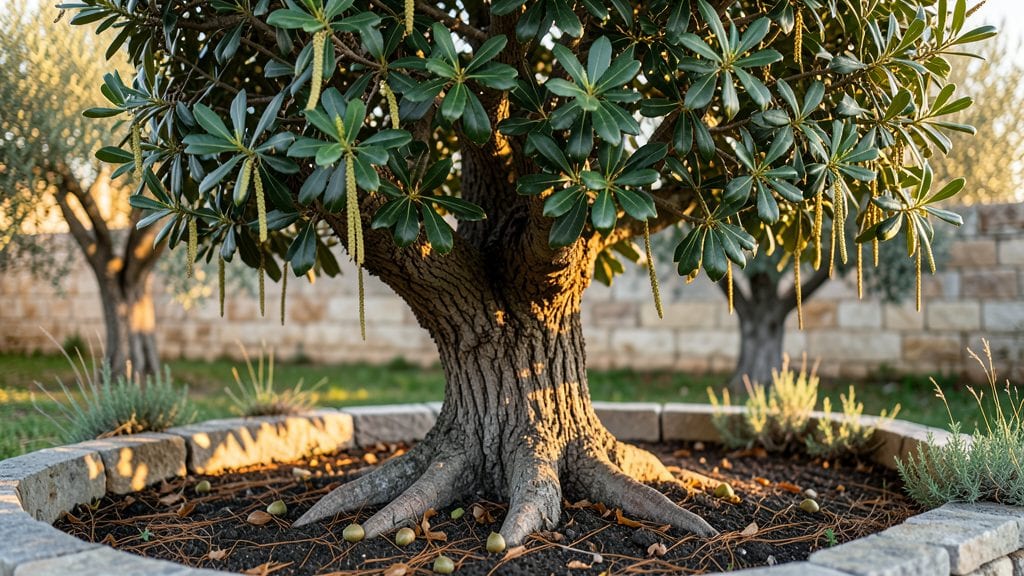
The Quercus ilex tree isn’t just another evergreen—it’s the Mediterranean’s secret weapon for year-round structure and drama. 🌿 I’ve pruned mine for five years, and the difference between a wild, scraggly specimen and a sculpted, lush focal point comes down to timing, technique, and a little patience.
This isn’t about hacking branches randomly; it’s about shaping growth while preserving that signature dark green density.
Here’s the thing—holm oaks thrive on minimal intervention once established, but strategic pruning in late winter or early spring keeps them dense and disease-free.
You’ll need sharp bypass pruners, a ladder if your tree’s over 10 feet tall, and a clear vision for your tree’s role: whether it’s a privacy screen, a standout specimen, or a low-maintenance hedge. The key?
Prune just outside the branch collar, never flush cuts, and never remove more than 25% of the canopy in one go.
What you end up with is a tree that looks as good in January as it does in July—no seasonal browning, no sparse spots, just that rich, velvety foliage year-round. The branches develop a natural, graceful shape over time, and you’ll notice fewer pests clinging to overgrown areas.
Plus, holm oaks handle pruning better than most oaks, so you can get creative with shapes without risking stress.
Works equally well in coastal climates, urban landscapes, or rural Mediterranean-style gardens. Whether you’re shaping a single specimen or maintaining a hedge, the same principles apply—just adjust the scale. Let’s get to the step-by-step blueprint that keeps these trees looking effortlessly elegant.
📚 In This Guide
- What you need
- Instructions
- Tips and common mistakes
- Wrapping up and next steps
What you need
- ● Pruning shears: Bypass shears (4–6" blades) for clean cuts on small branches.
- ● Loppers: 1 pair (8–12" cutting capacity) for thicker branches (½"–1.5" diameter).
- ● Pruning saw: 1 (10–12" curved blade) for branches >1.5" thick.
- ● Hand pruners: 1 pair (anvil-style for stubborn branches).
- ● Ladder: Extendable (16–20 ft) or sturdy step stool (for ground-level pruning).
- ● Gloves: 1 pair (heavy-duty, cut-resistant) to protect from thorns and rough bark.
- ● Disinfectant: 70% isopropyl alcohol or pruning sealant (to prevent disease spread).
- ● Heavy-duty trash bags: 2–3 (for debris disposal).
- ● Workwear: Long sleeves/pants (thorn-proof fabric recommended).
- ● Pole pruner: 1 (for high branches, 10–15 ft reach).
- ● Branch spreader: 1 (to gently separate dense growth).
- ● Tree wound dressing: (Only if pruning large wounds; skip for small cuts!).
- ● Camera/phone: 1 (to document "before" and "after" transformations!).
- ● You’ve checked local regulations (some areas restrict pruning during nesting seasons, typically spring–summer).
- ● You’ve scouted the tree for pests/diseases (look for holes, oozing sap, or unusual leaf spots).
- ● You’ve scheduled pruning on a dry, overcast day (avoid wet or windy conditions).
- ● You’ve gathered a helper (for safety with ladders or large branches).
Step-by-step guide to pruning Quercus ilex trees for structural health
Mastering this Mediterranean evergreen’s pruning reveals its natural elegance while keeping it vigorous.
✂️ Step 1: Time Your Pruning for Optimal Healing
Prune your Quercus ilex in late winter to early spring—just as new growth begins but before buds swell. This timing ensures you remove dead wood while stimulating fresh foliage. Avoid pruning in fall, as new growth won’t harden off before winter’s chill.
Here’s the thing—holly oaks bleed sap when cut, but this isn’t harmful. Just schedule your work on a dry, overcast day to minimize stress. I always check the forecast first; wet conditions can invite fungal infections through fresh cuts.
✂️ Step 2: Remove Dead, Diseased, or Crowded Branches First
Start by eliminating dead, diseased, or crossing branches—these compete for energy and create entry points for pests. Use clean, sharp bypass pruners to make 45-degree cuts just outside the branch collar (the swollen area where the branch meets the trunk). Never leave stubs; they invite decay.
Look for branches growing inward or rubbing against others. These are prime candidates for removal. If a branch is larger than ½ inch in diameter, use a pruning saw instead. I mark branches with flagging tape first—it helps visualize the tree’s new shape before making cuts.
✂️ Step 3: Thin the Canopy for Light Penetration
Step back and assess the tree’s overall shape. Holly oaks thrive with an open, airy canopy—this prevents dense shading that leads to weak, leggy growth. Remove 10-20% of the foliage by selectively thinning branches from the inside outward, starting at the bottom.
Focus on branches that block light from reaching the lower canopy. You’ll see where sunlight struggles to penetrate—those are the spots needing attention. Avoid shearing; this encourages dense, weak growth. Instead, remove entire branches to maintain the tree’s natural form.
✂️ Step 4: Shape Gradually to Avoid Shock
If your Quercus ilex needs structural shaping, do it gradually over 2-3 years. Never remove more than ⅓ of the canopy in a single season, or you risk shocking the tree. Start with light reductions to assess how it responds before committing to major changes.
Use the "third cut rule" for larger branches: make the first cut about 12-18 inches out on the branch, then the second cut just outside the branch collar. This prevents the branch from tearing. For smaller branches, a single cut suffices. Always sterilize your tools between cuts with 70% isopropyl alcohol to prevent disease spread.
⏰ Step 5: Post-Pruning Care for Rapid Recovery
After pruning, apply a layer of mulch (2-3 inches deep) around the base, keeping it 6 inches away from the trunk. This retains moisture and regulates soil temperature. Water deeply to compensate for the tree’s increased transpiration after pruning.
Monitor the tree for new growth in 4-6 weeks. Healthy Quercus ilex will show bright green flushes at branch tips. If you notice yellowing leaves or wilting, reduce watering—overhydration stresses newly pruned trees. Fertilize lightly with a balanced, slow-release fertilizer in early spring to support recovery.
Tips & tricks for pruning Quercus ilex trees
These insights will help you transform your holly oak into a thriving, picturesque specimen with minimal stress.
Seasonal Timing Precision: The late winter to early spring window is non-negotiable for Quercus ilex. I've seen trees stressed when pruned too early—wait until you notice those first tiny buds forming along the branches. This timing ensures you're not removing growth that could harden off before winter. For Mediterranean climates, aim for February to early March when daytime temps consistently stay above freezing.
Branch Assessment Technique: When evaluating branches in Step 2, use the "knock test" before cutting: tap branches with your pruners. A hollow sound indicates dead wood, while a solid thud means it's alive. For branches larger than ½ inch, I always make my first cut 12-18 inches out—this prevents the branch from tearing when it falls. The third cut rule is your friend here, especially for branches thicker than your wrist.
Canopy Visualization Hack: Step back and squint at your tree when assessing canopy thickness. Your goal is to see light filtering through the branches like sunlight through a lace curtain. I find it helpful to stand in different positions around the tree—what looks dense from one angle might reveal perfect light penetration from another. Remember, you're aiming for that 10-20% reduction, not aggressive thinning that could shock the tree.
Post-Pruning Recovery Strategy: After your work, the 2-3 inch mulch layer is your tree's insurance policy. I always use finely shredded hardwood mulch because it breaks down slowly while improving soil structure. The key is keeping that mulch 6 inches from the trunk—piling it against the base invites rot. For newly pruned trees, I recommend a slow-release fertilizer with a 12-12-12 ratio to provide balanced nutrition during recovery.
Pro Tips for Quercus Ilex Tree
- These insights will help you transform your holly oak into a thriving, picturesque specimen with minimal stress.
- Seasonal Timing Precision: The late winter to early spring window is non-negotiable for Quercus ilex.
- Branch Assessment Technique: When evaluating branches in Step 2, use the "knock test" before cutting: tap branches with your pruners.
Frequently asked questions
Got questions about pruning your Quercus ilex (holly oak) tree? You’re not alone!
Here are the most common queries—and their answers—to keep your Mediterranean evergreen thriving year-round.
When is the best time to prune a Quercus ilex tree?
The ideal window is late winter to early spring (February–March), just before new growth begins. Avoid pruning in fall or winter, as wounds take longer to heal in cooler months. For light shaping, summer pruning is fine—but never cut during drought or extreme heat. Pro tip: If you must prune in summer, do it in the early morning to reduce stress on the tree.
How much can I trim back a Quercus ilex tree without harming it?
You can safely remove up to 25% of the tree’s foliage in one session, but avoid heavy pruning (over 30%) unless absolutely necessary. Holly oaks are resilient, but excessive cuts can weaken the tree or invite disease. For large reductions, spread pruning over 2–3 years to minimize shock. Focus on removing dead, diseased, or crossing branches first.
Why is my Quercus ilex tree bleeding sap after pruning?
Sap bleeding (or "weeping") is normal for Quercus ilex trees, especially in spring. It’s the tree’s way of sealing wounds and isn’t harmful. To reduce mess, prune on a dry day and avoid cutting into large branches. If bleeding is excessive or accompanied by yellowing leaves or oozing, your tree may be stressed—adjust your pruning approach or check for pests.
Can I prune a Quercus ilex tree in containers or small gardens?
Yes! Container-grown holly oaks need regular pruning (every 1–2 years) to control size and shape. Use sterilized, sharp shears for clean cuts, and repot every 2–3 years to refresh soil. Avoid root-pruning unless necessary—focus on structural pruning to maintain balance. For small gardens, opt for standard or espalier shapes to save space.
What’s the difference between pruning Quercus ilex and other oak trees?
Quercus ilex (holm oak) differs from deciduous oaks (like Quercus robur) in timing and technique:
- Timing: Prune Q. ilex in dormancy (winter/early spring), while deciduous oaks are best pruned in late winter before buds swell.
- Bleeding: Q. ilex bleeds sap; deciduous oaks rarely do.
- Growth: Evergreen oaks grow slower—avoid aggressive pruning.
Wrapping up and next steps
The Quercus ilex tree is a stunning Mediterranean evergreen that thrives with the right pruning care—transforming it into a year-round beauty with minimal effort! By mastering timing, technique, and tools, you’ll encourage lush foliage, strong growth, and even pest resistance.
Whether you’re trimming for shape, health, or aesthetics, consistency is key.
Ready to give your Quercus ilex the love it deserves? Start small—pick one season to practice, then expand your skills. Before you know it, your tree will be the envy of the neighborhood! 🌿✨