
Pruning
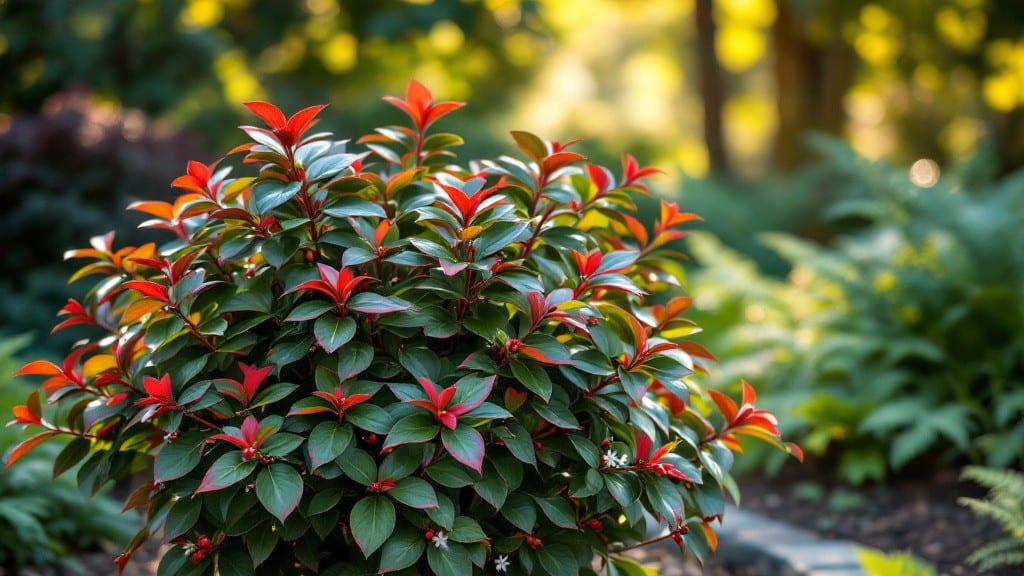
Your red-tipped photinia tree’s bold new growth could be the showstopper of your landscape—if you prune it right. 🌿 The key isn’t just trimming back; it’s understanding how frost and timing shape its vibrant foliage.
I’ve learned the hard way that aggressive cuts in winter shock these trees, while strategic pruning in early spring unlocks that signature red flush all season.
Most gardeners focus on when to prune, but soil and sunlight matter just as much. Plant in well-draining soil with afternoon shade in hot climates—too much sun scorches those delicate new leaves.
Water deeply but infrequently; photinias hate soggy roots. The payoff? A tree that stays lush even after a late frost, with those fiery red tips lasting months longer than most shrubs.
You’ll end up with a tree that’s both pest-resistant and drought-tolerant once established. The secret’s in the pruning: cut back no more than one-third of the branches at a time, always just above a leaf node.
Do this in late winter or early spring, and you’ll see fresh red growth within weeks—no harsh chemicals or constant watering required.
Works for urban yards, foundation plantings, or even large containers. The same principles apply whether you’re shaping a hedge or a single specimen. Here’s how to keep yours thriving through every season—without the guesswork.
📚 In This Guide
- What you need
- Instructions
- Tips and common mistakes
- Wrapping up and next steps
What you need
- ● Pruning shears – Bypass pruners (for small branches, 3-6 inches in diameter). Look for sharp, high-quality blades to avoid tearing.
- ● Loppers – For medium branches (up to 2 inches in diameter). Opt for long-handled loppers for better leverage.
- ● Pruning saw – A bow saw or pruning saw for thick branches (2+ inches). Choose a saw with a fine-toothed blade to minimize splintering.
- ● Gloves – Heavy-duty gardening gloves to protect your hands from thorns and rough bark.
- ● Disinfectant – A 10% bleach solution (1 part bleach to 9 parts water) or rubbing alcohol to sterilize tools between cuts (prevents disease spread).
- ○ Pruning sealant – Optional but recommended for large cuts (1+ inch diameter) to prevent infection. Look for a latex-based or wax-based sealant.
- ● Ladder or step stool – If your tree is taller than 6 feet, use a stable, non-slip ladder or a foldable step stool with a weight limit of at least 250 lbs.
- ● Trash bags or bucket – For collecting pruned branches and debris.
- ● Sharpie or marker – To label branches if you’re doing structured pruning (e.g., for shaping).
- ● Work gloves with reinforced palms – For extra protection against thorns.
- ● Safety glasses – To shield your eyes from debris.
- ● Extension pole pruners – For high branches without a ladder.
- ● Tree wound dressing – Alternative to sealant for larger cuts (follow product instructions).
- ● Notebook & pen – To sketch your tree’s shape before pruning for reference.
- ● Hose or spray bottle – To clean tools and rinse off sap after pruning.
Step-by-step pruning guide for a healthy red-tipped photinia tree
Here’s how to keep your photinia lush and frost-hardy with simple, seasonal cuts.
✂️ Step 1: Prune in Late Winter for Strong New Growth
Start your pruning 2-3 weeks before your last frost date, when the tree is still dormant but the ground has thawed. This timing ensures you don’t stimulate new growth too early, which frost can damage. Use clean, sharp pruning shears to make cuts just above a leaf bud or branch collar—never leave stubs, as they invite disease.
Remove dead, diseased, or crossing branches first. These are easy to spot—they’re brown, brittle, or growing inward toward the center of the tree. Cut them back to healthy wood, and you’ll notice how much lighter and airier the canopy becomes. I always start at the bottom and work my way up to avoid standing on ladders longer than necessary.
🌿 Step 2: Shape in Early Spring for Full Sun Exposure
Once new growth appears—around late March or early April, depending on your climate—focus on shaping the tree. Photinias respond well to light pruning, so aim to remove no more than 25% of the foliage in a single session. Thin out crowded branches to improve airflow, which reduces fungal risks like leaf spot.
Look for branches growing straight up or outward from the center. These are the ones to trim back by one-third to encourage a fuller, bushier shape. Avoid cutting into old wood—you’ll know it’s too mature if the bark is thick and the center is hollow. A good rule of thumb: if the branch is thicker than your thumb, leave it unless it’s clearly dead or diseased.
☀️ Step 3: Light Maintenance in Summer for Frost Readiness
During the growing season, light pruning is key to keeping your photinia strong enough to handle winter frost. Remove any suckers—those vigorous shoots sprouting at the base or along the trunk—and any branches that rub against each other. These small adjustments prevent energy drain and reduce stress on the tree.
Watch for yellowing or wilting leaves—this is often a sign of overwatering or fungal issues. If you spot these, prune the affected branches immediately and improve drainage around the base. A healthy photinia should have vibrant red tips year-round, even after frost. If the color fades, it’s a sign the tree is struggling, and pruning alone won’t fix deeper issues like root rot.
⏰ Step 4: Final Frost Prep in Late Fall
About 6 weeks before your first expected frost, give your photinia one last check. Remove any weak, leggy growth that won’t survive winter. These branches are usually pale, thin, and lack the characteristic red tips. Cut them back to a strong lateral branch or bud to redirect the tree’s energy into frost-resistant wood.
After pruning, water deeply to help the roots establish before dormancy. Mulch the base with 2-3 inches of organic mulch (like shredded bark) to insulate the roots. Avoid piling mulch against the trunk—keep it 3-4 inches away to prevent rot. This final step ensures your photinia wakes up strong in spring, ready for another vibrant season.
Tips & tricks for perfect red-tipped photinia pruning
Here's what I learned after years of keeping my photinias vibrant through every season.
Timing is Everything: The 2-3 week window before your last frost date is non-negotiable. I once pruned too early in a warm winter, and my tree sent out tender new growth that got nipped by a late frost. Always check your local frost dates and mark your calendar—this single timing decision makes all the difference for frost resistance. The dormant-but-thawed ground is also crucial; frozen soil can damage roots when you're working around the base.
Tool Technique: Your pruning shears matter more than you might think. I upgraded to bypass pruners with a 45-degree angled blade, and the difference in clean cuts is night-and-day. Always sterilize your tools between cuts—just wipe with rubbing alcohol—to prevent spreading any potential diseases between branches. And remember, those clean cuts just above the branch collar? They heal faster and look far more professional than jagged stubs that invite rot.
Visual Cues for Healthy Wood: When shaping in spring, look for branches that are thicker than your thumb—these are your structural supports that shouldn't be cut. For the one-third trim, count the leaf nodes: cutting back to where you see three sets of leaf scars (the little bumps where leaves used to be) gives you that perfect one-third reduction without guessing. The vibrant red tips should appear within 6-8 weeks of proper spring pruning if your tree is healthy.
Seasonal Checklist: Make this your summer maintenance mantra: "Suckers out, rubbing branches removed, yellow leaves pruned." I keep a small pruner in my gardening bag and do quick checks every time I'm out there—those little adjustments prevent big problems later. And when you see those pale, leggy branches in fall, cut them back aggressively. Your tree will thank you by putting all its energy into frost-hardy wood rather than weak growth that'll freeze back anyway.
Pro Tips for Red Tipped Photinia Tree
- Here's what I learned after years of keeping my photinias vibrant through every season.
- Timing is Everything: The 2-3 week window before your last frost date is non-negotiable.
- Tool Technique: Your pruning shears matter more than you might think.
Frequently asked questions
Got questions about keeping your red-tipped photinia healthy and vibrant? You’re not alone! Here are answers to the most common questions—from pruning tips to frost concerns—so you can enjoy its stunning foliage all year.
How cold can a red-tipped photinia tree handle?
The red-tipped photinia (Photinia fraseri) is hardy to USDA Zones 7-10, meaning it can tolerate temperatures down to 0°F (-18°C) with proper care. In colder climates (Zone 6 or lower), mulch the base and water deeply before winter to protect roots. Young trees or newly planted specimens may need extra winter wraps for safety!
When is the best time to prune for vibrant red tips?
Prune in late winter or early spring (just before new growth starts) to encourage fresh, red-tipped foliage. Avoid heavy pruning in fall—it can stimulate tender growth vulnerable to frost. For light shaping, prune after flowering (spring to early summer) to maintain density without sacrificing color.
Why are my red tips turning brown or falling off?
Brown or dropping leaves often signal frost damage, fungal issues (like entomosporium leaf spot), or over-pruning. Check for black spots or yellowing—if present, remove affected branches and apply fungicide in wet seasons. Over-pruning weakens the tree; stick to no more than 25% of the canopy per year.
Are there drought-tolerant alternatives to red-tipped photinia?
Yes! If your climate is too dry, consider these low-maintenance, drought-resistant shrubs with similar vibrancy:
- Dwarf Yaupon Holly (Ilex vomitoria ‘Nana’) – Glossy leaves, berries, and tolerance for Zone 7-11.
- Crape Myrtle (Lagerstroemia) – Bold colors, minimal pruning, thrives in Zones 6-9.
- Oakleaf Hydrangea (Hydrangea quercifolia) – Stunning fall foliage, Zone 5-9 friendly.
How fast does a red-tipped photinia grow, and how big should I trim it?
This fast-growing shrub can add 12–24 inches per year with ideal conditions. Mature size is 6–10 feet tall and wide, but regular pruning keeps it smaller. For a hedge, trim to 3–5 feet tall by cutting back 1/3 of the new growth in spring. Use clean, sharp shears to avoid tearing branches!
Wrapping up and next steps
The red-tipped Photinia tree is a stunning, low-maintenance addition to any landscape—especially when pruned correctly to thrive in colder climates. With the right tools, timing, and techniques, you can keep its vibrant foliage year-round while ensuring long-term health. 🌿✨
Now that you’re armed with expert tips, take action! Grab your pruners, mark your calendar for late winter or early spring, and give your Photinia the care it deserves. Watch it flourish and become the standout feature of your outdoor space—you’ve got this!