Blooming
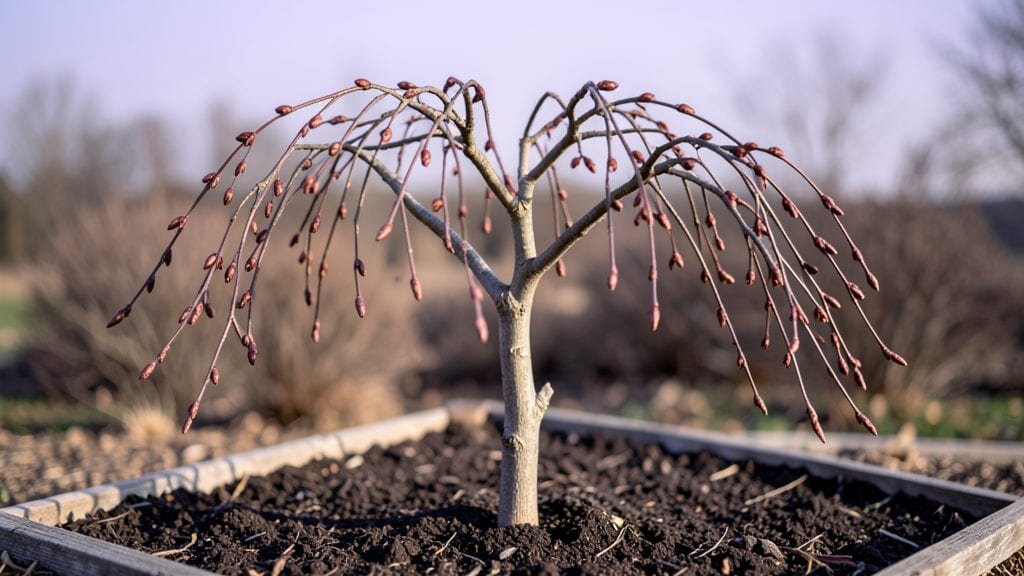
The redbud tree before bloom is a quiet beauty waiting for its moment to shine in early spring. 🌱 Its peeling bark and clustered buds hold secrets to a stunning floral display, but only if you tend to it right now.
This is your chance to shape next year's blooms by pruning while the tree is dormant.
In the Pacific Northwest, redbuds begin budding in late winter, with blooms appearing by March or April. Look for tight clusters of buds along branches—these are your cues to prune.
The bark, often exfoliating in papery layers, adds winter interest, but the real magic happens when you trim away dead wood and thin crowded branches.
With the right cuts, you'll encourage vibrant pink blooms that cover branches like confetti. Focus on removing crossing branches and any dead wood first, then shape the tree for better airflow.
The goal is to keep it open and airy, so those spring flowers get maximum sunlight and show off their best.
Timing is everything—prune after the first hard frost but before buds swell. In the PNW, that’s typically January or early February. A little effort now means a redbud that bursts into color earlier and more dramatically than ever before.
📚 In This Guide
- What you need
- Instructions
- Tips and common mistakes
- Wrapping up and next steps
What you need
- ○ Pruning shears: Bypass pruners (sharp, clean, and disinfected) for small branches (1/4”–1” diameter). Optional: Loppers for thicker branches (1”–2”).
- ● Hand saw: Pruning saw with a fine-toothed blade for branches 2”+ in diameter.
- ● Gloves: Heavy-duty gardening gloves (cut-resistant for safety).
- ● Disinfectant: 70% isopropyl alcohol or rubbing alcohol + paper towels to sterilize tools between cuts.
- ○ Pruning sealant: Tree wound sealant (optional but helpful for larger cuts to prevent disease).
- ● Ladder or step stool: For reaching higher branches (ensure it’s stable and non-slip).
- ● Trash bags: Heavy-duty bags (2–3) for collecting pruned branches.
- ● Notebook & pen: To jot down notes on cuts made (helpful for tracking growth!).
- ● Timing: Prune before bloom (late winter to early spring, ideally in dormant season—Feb–March in the PNW). Avoid pruning when the tree is actively growing or flowering.
- ● Weather: Choose a dry, calm day (no rain forecasted for 24 hours). Humidity can spread disease.
- ● Tree health check: Inspect the redbud for dead, diseased, or crossing branches before starting.
- ● Safety gear: Safety glasses (to protect from debris) and long sleeves/pants (for branch protection).
- ● 🔥 Sharpen your tools! Dull blades tear bark—always test your shears on a small branch first.
- ● 🌡️ Work when temps are above freezing (PNW winters can be chilly; avoid pruning in frost).
- ● ✨ Mark your cuts: Use chalk or tape to outline branches you’ll remove for a cleaner look.
How to prune redbud trees before bloom in the Pacific Northwest
Here's my go-to method for shaping redbuds so they burst with vibrant blooms every spring.
🌿 Step 1: Time Your Pruning for Optimal Growth
Prune your redbud tree late winter to early spring, just as buds begin to swell but before any flowers appear. In the Pacific Northwest, this typically falls between late February and March, when daytime temperatures hover around 50-55°F. Pruning too early risks damaging dormant buds, while waiting too long removes next year's blossoms.
Look for tight, plump buds along the branches—these are your signal that it's time to act. Avoid pruning after buds open, as you'll sacrifice the stunning pink blooms that define redbuds. I always mark my calendar with the last frost date and schedule pruning 2-3 weeks before that date for safety.
✂️ Step 2: Remove Dead, Damaged, or Crossing Branches
Start by cutting out any dead or diseased branches using clean, sharp pruners. These limbs are easy to spot—they're brown, brittle, or lack leaves. Cut back to the collateral bud (a side bud) just beyond the branch's base to encourage healthy regrowth. For larger branches over 1 inch thick, use loppers and make your cut just outside the branch collar.
Next, remove crossing or rubbing branches that grow toward each other. These create wounds where disease can enter and limit airflow. If two branches are competing for the same space, keep the healthier, more vigorous branch and cut the other at its point of origin. I always step back after each cut to visualize the tree's shape—this helps me spot problem areas before they become serious.
🌱 Step 3: Thin Out Overcrowded Areas for Better Airflow
Redbuds naturally grow with an open, airy habit, but some branches can become too dense. Focus on thinning out the center of the tree first—this improves airflow and reduces disease risk. Remove up to 25% of the total branches, prioritizing those that grow inward or upward. Aim for a vase-like shape with a strong central leader and evenly spaced branches.
When thinning, cut branches back to a strong lateral branch or the main trunk. Avoid leaving stubs—always make clean cuts just outside the branch collar. If you're unsure which branch to keep, choose the one with the healthiest growth pattern and most vibrant foliage. I like to work from the bottom up, removing smaller branches first to avoid overloading the tree.
☀️ Step 4: Shape for Sunlight Exposure and Bloom Display
Redbuds bloom best when they receive full sun to partial shade, with at least 4-6 hours of direct sunlight daily. After pruning, step back and check that no large branches cast excessive shade on others. If a branch is blocking sunlight from inner growth, trim it back to one-third of its length to open up the canopy.
To enhance bloom visibility, avoid heavy pruning on flowering branches—these are the ones that produce the most vibrant pink blossoms. Instead, focus on structural branches that shape the tree's outline. I often prune redbuds to create a multi-stemmed look, which makes them stand out in the landscape. Just be sure to leave at least 3-5 main stems for stability.
Tips & tricks for perfect redbud tree pruning before bloom
Here's what I've learned after years of pruning redbuds in the Pacific Northwest—these tricks will help you get it right the first time.
Timing is Everything: The late winter to early spring window is critical for redbuds. I schedule my pruning 2-3 weeks before the last frost date to ensure buds have time to swell but haven't yet opened. In the PNW, this typically means working between late February and March when temperatures hover around 50-55°F. If you're unsure about frost dates, check your local agricultural extension service—they provide precise frost predictions for your area.
Visual Cues for Pruning: When examining branches in Step 1, look for three key indicators: tight, plump buds that feel firm to the touch, brown or brittle branches that snap easily (these are dead), and crossing branches that rub against each other. I like to use a small magnifying glass to check buds closely—this helps me avoid cutting too early when buds are still dormant but not yet ready for pruning.
Pruning Technique Matters: For branches over 1 inch thick, use loppers and make clean cuts just outside the branch collar—this is the swollen area where the branch meets the trunk. I find it helpful to mark the cut line with a piece of masking tape before cutting, as this prevents accidental damage to the branch collar. For smaller branches, sharp pruners work perfectly, but always sterilize your tools with rubbing alcohol between cuts to prevent spreading disease.
Shape with Purpose: When creating your vase-like shape in Step 4, focus on maintaining an open center that allows sunlight to reach all branches. I often sketch a rough outline of my desired shape on paper first—this helps me visualize where to make cuts. Remember, redbuds naturally grow with a graceful, arching habit, so avoid creating a rigid, geometric shape that looks unnatural. The goal is to enhance their natural beauty while ensuring vibrant blooms.
Pro Tips for Redbud Tree Before Bloom
- Here's what I've learned after years of pruning redbuds in the Pacific Northwest—these tricks will help you get it right the first time.
- Timing is Everything: The late winter to early spring window is critical for redbuds.
- I like to use a small magnifying glass to check buds closely—this helps me avoid cutting too early when buds are still dormant but not yet ready for pruning.
Frequently asked questions
Got questions about your redbud tree before it blooms?
Here are some common concerns Pacific Northwest gardeners have—and the answers you need to prep for stunning spring blooms!
When is the best time to prune a redbud tree before bloom?
Prune your redbud tree after it blooms in late spring or early summer (May–June in the PNW). Avoid pruning in fall or winter, as this can stimulate new growth that’s vulnerable to cold damage. Early pruning before bloom can remove diseased branches but may reduce flower production. Timing is key!
Can I prune a redbud tree in late winter or early spring?
While late winter (February) is a common pruning window for many trees, redbuds are late bloomers. Pruning too early can remove next year’s flower buds, which form on old wood. Wait until after the tree has bloomed to avoid sacrificing those iconic pink blooms. Patience pays off!
What if my redbud tree hasn’t bloomed yet—is it dying?
Not necessarily! Redbuds can take 3–5 years to bloom after planting. If your tree is healthy (green leaves, no pests, steady growth), give it time. Young trees focus on root and branch development first. If it’s been 5+ years with no blooms, check for nutrient deficiencies or disease.
How do I prune a redbud tree in rainy PNW weather?
Rainy conditions can make pruning messy, but it’s not a deal-breaker! Use sharp, sterilized tools to prevent disease spread, and prune on drier days (even if overcast). Seal cuts with pruning sealant if needed, but avoid heavy pruning during wet spells. Think of it as a maintenance trim—not a major overhaul.
Are there alternatives to redbud trees for early spring color?
Yes! If redbuds aren’t your style, consider these PNW-friendly alternatives for early blooms:
- Pacific Dogwood (white blooms, thrives in shade)
- Oregon Grape Holly (evergreen, yellow flowers)
- Western Redbud’s cousin: Japanese Redbud (smaller, more compact)
- Coralberry (Symphoricarpos) (pink blooms, drought-tolerant)
Wrapping up and next steps
Watching your redbud tree transform before bloom is a rewarding experience—and with the right early pruning, you’ll set the stage for stunning purple blossoms in the Pacific Northwest.
Remember, timing, tools, and technique are your allies: prune in late winter or early spring, use sharp shears, and focus on open growth and airflow to keep your tree thriving. 🌸
Now that you’re armed with the knowledge, grab those pruners and give your redbud the care it deserves! Next up: Keep an eye on its progress and adjust as needed—your future blooms will thank you. Happy gardening! 🌿