
Blooming
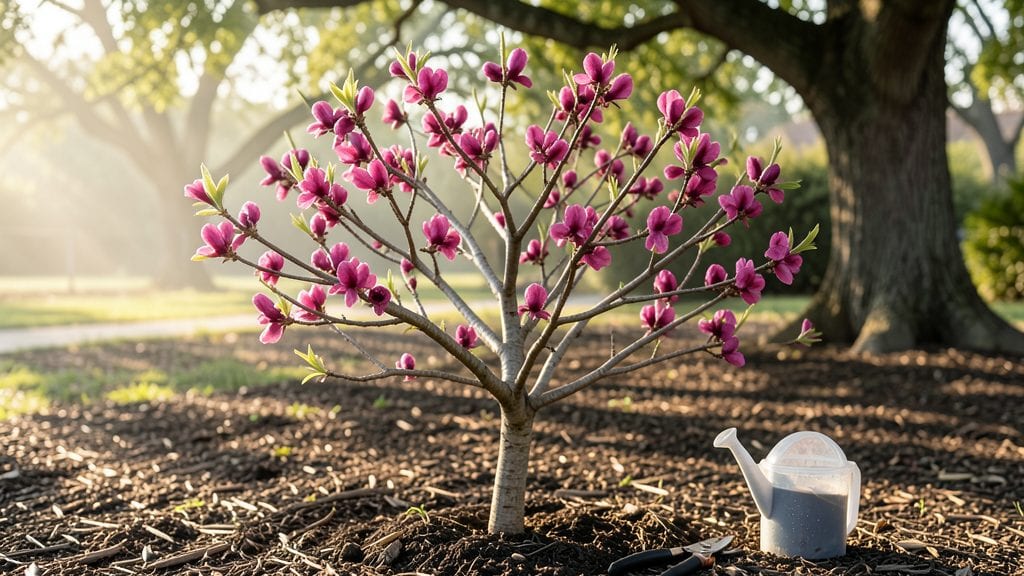
The Pacific Northwest’s frost-resistant spring canopy starts with redbud trees in bloom—those delicate pink-purple bursts that turn bare branches into living art. 🌸 I’ve watched them transform my yard from a winter-gray landscape into a soft, floral wonderland within weeks, and they do the same for any garden lucky enough to host them.
What makes them special isn’t just their early spring show—it’s how they pair with everything. Plant them near hostas or ferns for a layered look, or let their cascading blooms spill over a retaining wall.
They’re the first to announce spring, giving pollinators their first feast of the year while keeping their glossy green leaves all summer.
You’ll end up with a garden that feels alive from the moment the first pink petals appear. The contrast of their vibrant flowers against dark bark or evergreen shrubs creates drama no other tree matches.
Plus, they thrive in partial shade, making them perfect for spots where other spring bloomers would struggle.
Whether you’re filling a sunny border or adding height to a woodland garden, redbuds bring effortless elegance. Their adaptability means they’ll shine in your space—just give them room to spread and watch the magic unfold.
📚 In This Guide
- What you need
- Instructions
- Tips and common mistakes
- Wrapping up and next steps
What you need
- ● Redbud tree seedlings or saplings: 1–3 trees (depending on desired coverage; spacing: 15–20 feet apart for mature growth).
- ● Choose Cercis occidentalis (Western redbud) for PNW suitability.
- ● Planting site: Full sun to partial shade (6+ hours of sunlight daily).
- ● Well-draining soil (amend with compost if clay-heavy).
- ● Sheltered from harsh winds (young trees are delicate!).
- ● Tools: Shovel or trowel (for digging holes 2–3x wider than the root ball).
- ● Garden gloves (to protect hands from thorns and soil).
- ● Watering can or hose (with a gentle spray nozzle).
- ● Mulch (2–3 inches of wood chips or pine straw).
- ● Soil pH tester (ideal range: 6.0–7.0; adjust with lime or sulfur if needed).
- ● Fertilizer (balanced 10-10-10 or organic options like compost tea).
- ● Tree stakes & ties (for young trees in windy areas).
- ● Pruning shears (for shaping after blooming season).
- ● Drip irrigation system (for consistent moisture in dry spells).
Step-by-Step guide to planting and caring for redbud trees in the PNW
These stunning spring bloomers thrive with minimal fuss—here's how to set them up for years of color.
🌱 Step 1: Choose the Perfect Planting Spot
Redbuds love full sun to partial shade—at least 6 hours of sunlight daily—but in the Pacific Northwest's cooler climate, they'll tolerate morning sun with afternoon shade if you're in a hotter microclimate. I always look for areas with well-draining soil and shelter from strong winds, which can damage the delicate branches during bloom.
Here's the thing—redbuds have shallow roots, so avoid planting near large trees or structures that compete for moisture. A spot 10-15 feet from sidewalks or driveways gives them room to grow without future root conflicts. The first true leaves appear in early spring, signaling it's time to check for proper light exposure.
🪴 Step 2: Prepare the Soil and Plant with Care
Amend the planting hole with 2-3 inches of compost mixed into the native soil—redbuds prefer slightly acidic to neutral soil (pH 6.0-7.5). The hole should be twice as wide as the root ball but only as deep. I like to loosen the roots gently if they're circling before placing the tree in the hole.
Backfill with native soil mixed with compost, pressing lightly to remove air pockets. Water deeply to settle the soil and eliminate gaps. The top of the root ball should sit 1 inch above ground level—this prevents rot from sitting water. Mulch with 2-3 inches of wood chips, keeping it 6 inches away from the trunk to protect against moisture buildup.
☀️ Step 3: Water and Fertilize for Strong Growth
Water deeply once a week during the first growing season, aiming for 1-1.5 gallons per watering. You'll know you're doing it right when the top 6 inches of soil feel moist but not soggy. Redbuds are drought-tolerant once established, but young trees need consistent moisture to develop strong roots.
Skip fertilizer the first year—too much nitrogen can weaken the tree. In early spring of the second year, apply a balanced 10-10-10 fertilizer sparingly, following package instructions. Watch for new leaf growth in late spring—this is your sign the tree is thriving. If leaves appear yellow, it's often a sign of overwatering or poor drainage.
✂️ Step 4: Prune and Protect for Long-Term Beauty
Prune only in late winter or early spring before buds swell, removing dead, diseased, or crossing branches. I never cut more than 25% of the canopy in one season—redbuds bloom on old wood, so aggressive pruning reduces next year's flowers. Use clean, sharp pruners to make cuts just above a bud or branch collar.
The Pacific Northwest's frost can damage early blooms, so I recommend covering young trees with frost cloth if a late freeze is forecasted. Mature trees develop better cold hardiness, but young redbuds appreciate this extra protection. You'll see pink blossoms in early spring—this is your reward for proper care!
Tips & tricks for perfect redbud tree planting
A few key tricks will help your redbud thrive in the Pacific Northwest's unique climate.
Location is Everything: In Step 1, when choosing your planting spot, pay special attention to the 6 hours of sunlight requirement. If your yard has afternoon shade, position the tree to catch morning sun—this is especially important in cooler PNW microclimates where afternoon light can be limited. I've seen redbuds struggle when planted in pure shade; those delicate pink blossoms need light to develop properly.
Soil Prep Matters: For Step 2, don't skip the 2-3 inches of compost—this isn't just about nutrients. The compost helps break up native soil, especially if it's compacted from construction or foot traffic. I like to test soil pH first (aim for 6.0-7.5) because redbuds hate soggy, acidic conditions. A simple pH test kit from the garden center solves this before planting.
Watering Wisdom: The deep watering once a week in Step 3 might seem like a lot, but it's crucial. I've learned the hard way that shallow watering encourages shallow roots, which makes trees more vulnerable to drought. Use a moisture meter to check those top 6 inches—if it's dry, water again. This is especially important during our dry PNW summers.
Pruning Protection: When pruning in Step 4, remember that redbuds bloom on old wood. I've made the mistake of pruning too aggressively in late winter and ended up with fewer flowers the next spring. Stick to removing only dead or crossing branches, and always use clean pruners to prevent disease spread. The 25% canopy limit is your friend!
Pro Tips for Redbud Trees In Bloom
- A few key tricks will help your redbud thrive in the Pacific Northwest's unique climate.
- Location is Everything: In Step 1, when choosing your planting spot, pay special attention to the 6 hours of sunlight requirement.
- Soil Prep Matters: For Step 2, don't skip the 2-3 inches of compost—this isn't just about nutrients.
Frequently asked questions
Got questions about redbud trees in bloom? You’re not alone!
Whether you're planning a garden or just admiring their vibrant display, here are answers to the most common queries about these stunning spring stars.
When do redbud trees typically bloom in the Pacific Northwest?
Redbud trees usually burst into bloom in late winter to early spring, often between February and April, depending on local frost dates. In the PNW, their magenta-pink flowers often appear before leaves, creating a breathtaking contrast. Warmer microclimates (like urban areas) may see earlier blooms, while cooler zones might delay them slightly.
Are redbud trees frost-resistant, and how do I protect them from late frosts?
Yes! Redbuds are highly frost-tolerant and thrive in USDA Zones 4–9. However, late frosts can damage delicate flowers. To help them recover, avoid pruning until after blooming and water deeply if drought follows frost. Mulching in fall also insulates roots. Most trees bounce back robustly—just give them time!
Can I grow redbud trees in containers, or do they need to be planted in the ground?
While redbuds prefer permanent ground planting (they grow 20–30 feet tall/wide), dwarf varieties like ‘Alba’ or ‘Forest Pansy’ can thrive in large containers (20+ gallons) for 2–3 years. Use well-draining soil, a sturdy pot, and winterize with burlap wraps in cold climates. Expect slower growth but stunning seasonal color!
Why aren’t my redbud tree’s flowers as vibrant as they should be?
Dull or sparse blooms often stem from over-fertilizing (too much nitrogen), poor sunlight, or stress from drought/transplant shock. Try these fixes:
- Prune in late winter to improve airflow.
- Ensure 6+ hours of sun daily—they’re understory trees but bloom best in open spaces.
- Water deeply 1–2 times/week during dry spells.
What are some great companion plants for redbud trees in PNW gardens?
Pair redbuds with spring-blooming bulbs (daffodils, tulips) or shade-tolerant perennials like:
Avoid competitive roots like maples—redbuds prefer moderate moisture and well-draining soil.
Wrapping up and next steps
Watching redbud trees in bloom in the Pacific Northwest is a true gift—these vibrant bursts of pink and purple transform gardens into living art 🌸. Their frost resistance and early spring beauty make them a standout choice for any landscape, offering both practicality and joy.
Whether you're planting one for the first time or admiring their magic from afar, take pride in nurturing these resilient trees.
Ready to bring this spring spectacle to your yard? Start by selecting the right variety for your climate and soil, then plan your planting with care. The reward? A canopy of color that’ll leave your neighbors green with envy! 🌿