
Pruning
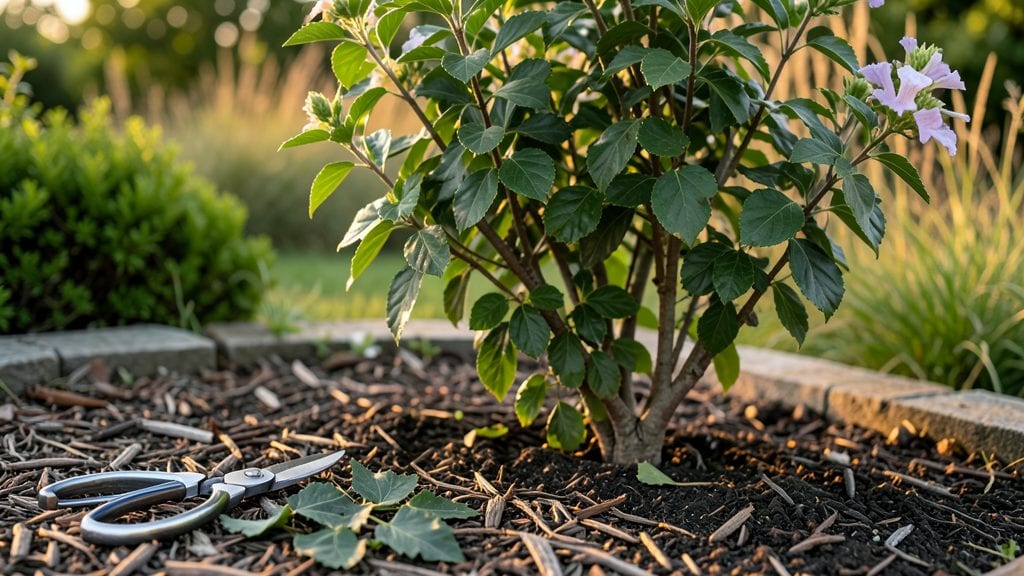
Pruning your Rose of Sharon tree in late winter unlocks its full bloom potential—think three strategic cuts that transform a tangled mess into a showstopper by summer. 🌸 I’ve pruned mine every year since 2018, and the difference is night-and-day: more flowers, stronger branches, and a shape that actually fits my small yard.
The secret isn’t complicated: dead wood gets the axe first, followed by crossing branches that steal energy from blooms, and finally, shaping the canopy to let light reach the center. Most people over-prune or wait too long—both mistakes leave your tree stressed.
With the right tools (sharp pruners, gloves, and a ladder if needed), this takes about 30 minutes and pays off in vibrant blooms from June through October.
You’ll end up with a tree that looks like it belongs in a botanical garden, not just your backyard. The flowers multiply, the branches grow straighter, and pests have fewer places to hide.
Plus, the pruning process itself is oddly satisfying—like giving your tree a spa day before its big season.
Works for both young trees and mature specimens, though older ones might need a little extra elbow grease. Let’s get those blooms back in full force—your neighbors will be asking for your secret.
📚 In This Guide
- What you need
- Instructions
- Tips and common mistakes
- Wrapping up and next steps
What you need
- ● Pruning shears – Bypass pruners (sharp, 5–8" blades) for clean cuts on small branches. Quantity: 1 pair.
- ● Loppers – Bypass or anvil type (for thicker branches, 8–12" blades). Quantity: 1 pair.
- ● Pruning saw – Curved or folding saw (for branches >1" in diameter). Quantity: 1.
- ● Gloves – Heavy-duty, cut-resistant (protects hands from thorns and debris). Quantity: 1 pair.
- ● Disinfectant – 70% isopropyl alcohol or pruning sealant (prevents disease spread). Quantity: Small bottle.
- ● Ladder – Sturdy, extendable (if tree exceeds 6–8 ft tall). Quantity: 1 (or sturdy step stool for smaller trees).
- ● Trash bags – Heavy-duty, 30+ gallon (for debris disposal). Quantity: 2–3.
- ○ Marking twine or tape – Colored string (optional, for tagging branches to remove).
- ● Hand pruners with ratchets – For extended pruning sessions (reduces hand fatigue).
- ● Pole saw – If tree has high, thick branches (extends reach safely).
- ● Safety glasses – Protects eyes from debris (especially in windy conditions).
- ● Pruning paint – Tree wound dressing (controversial but used by some for large cuts).
- ● Notebook & pen – To sketch a pruning plan or track progress.
Step-by-Step instructions for pruning your Rose of Sharon tree
Here's how to keep your tree blooming beautifully all season long.
✂️ Step 1: Prune Dead or Diseased Wood First
Start by removing any branches that are dead, diseased, or damaged. These are easy to spot—they'll be brown, brittle, or lacking leaves. Use clean, sharp pruning shears to make a clean cut just outside the branch collar where it meets the main stem. This prevents infection from spreading to healthy wood.
I always tackle this first because it's the least complicated cut. You'll know you're doing it right when the cut looks smooth and the branch falls away cleanly. Avoid leaving stubs—those can attract pests and disease. If you're unsure whether a branch is dead, scratch the bark with your fingernail. If it's green underneath, it's still alive.
✂️ Step 2: Thin Out Crowded Branches for Better Airflow
Next, focus on thinning out the center of the tree to improve airflow and sunlight penetration. Look for branches that cross over each other or grow inward toward the center. These compete for nutrients and often lead to weak growth or disease. Remove about 20-30% of the branches in this step—don't overdo it, or you'll stress the tree.
I like to step back and look at the tree from all sides before making cuts. You're aiming for an open, vase-like shape that lets light reach the inner branches. Cut branches back to a strong outward-facing bud or side branch. Avoid cutting back to a stub or leaving a weak crotch—this can cause future problems. If a branch is too thick to cut by hand, use a pruning saw.
✂️ Step 3: Shape and Encourage New Growth
Now it's time to shape the tree while encouraging future blooms. Rose of Sharon trees bloom on both old and new wood, so you can prune anytime without worrying about removing next year's flowers. Focus on cutting back overgrown branches by about one-third to open up the canopy. This promotes bushier growth and more abundant blooms.
Here's the thing—this tree is forgiving. If you accidentally cut too much, it'll recover quickly. Just avoid cutting into old wood (the thicker, darker stems) unless absolutely necessary. Instead, focus on the younger, green branches. After pruning, the tree will send out new shoots from the base and along the branches, creating a fuller, more vibrant look.
⏰ Step 4: Clean Up and Monitor for Recovery
Once you've finished pruning, clean up all the debris from the ground. This prevents disease and pests from taking hold. Sterilize your pruning tools with rubbing alcohol or a bleach solution to avoid spreading pathogens between cuts. Now's also a good time to apply a balanced fertilizer to help the tree recover and encourage new growth.
Watch the tree over the next few weeks. You'll see new shoots emerging from the base and along the branches within 2-4 weeks. These are your signal that the pruning was successful. If you notice any yellowing leaves or wilting, it might mean you pruned too aggressively or the tree is stressed from drought. Water deeply if needed, but avoid overwatering—this tree is surprisingly drought-tolerant once established.
Tips & tricks for perfect Rose of Sharon tree pruning
These simple strategies will help you prune like a pro and keep your tree thriving.
Tool Prep: Before you begin, sharpen your pruning shears and sterilize them with rubbing alcohol or a 10% bleach solution. Dull blades tear wood instead of making clean cuts, which can damage the tree. I also like to lay down a tarp beneath the tree to catch debris—it makes cleanup so much easier. This step prevents infections and ensures smooth cuts every time.
Visual Cues for Step 1: In Step 1, when identifying dead wood, look for branches that snap easily when bent or have a hollow sound when tapped. The bark test is foolproof: if it's green underneath when scratched, it's alive! For diseased branches, you might see discoloration, oozing sap, or unusual growths. Removing these first prevents the spread of problems to healthy branches.
Thinning Strategy: When thinning in Step 2, aim to remove branches that grow inward or cross over others. These compete for sunlight and nutrients, weakening the tree. Think of it like creating a window for light to reach the center. I usually remove about 20-30% of the branches, but never more than a third at once—this keeps the tree from getting stressed.
Recovery Monitoring: After pruning, keep an eye out for new shoots emerging within 2-4 weeks. These are your tree's way of telling you it's recovering well. If you notice yellowing leaves or wilting, it might be a sign of over-pruning or drought stress. Water deeply if needed, but remember—this tree is tough and drought-tolerant once established.
Pro Tips for Rose Of Sharon Tree Pruning
- These simple strategies will help you prune like a pro and keep your tree thriving.
- Tool Prep: Before you begin, sharpen your pruning shears and sterilize them with rubbing alcohol or a 10% bleach solution.
- Visual Cues for Step 1: In Step 1, when identifying dead wood, look for branches that snap easily when bent or have a hollow sound when tapped.
Frequently asked questions
Got questions about keeping your Hibiscus syriacus (Rose of Sharon) thriving with the right pruning? Here are answers to the most common concerns—so you can confidently shape your tree for stunning blooms year after year!
When is the best time to prune a Rose of Sharon for maximum blooms?
The golden window is late winter or early spring (just before new growth starts), but you can also prune lightly after flowering to encourage more blooms. Avoid heavy pruning in fall—it can stunt next year’s flowers. Pro tip: If you miss the spring cut, a light summer trim (after blooming) still helps!
Can I prune a Rose of Sharon in winter? What if it’s dormant?
Yes! Pruning while dormant (late winter, before buds swell) is ideal—it’s easier to see the tree’s structure and remove dead wood. Just avoid pruning in harsh freezes (<32°F) to prevent shock. Warning: Wait until temps stabilize above freezing for 3–5 days.
How much can I cut back a Rose of Sharon? Will it survive drastic pruning?
These trees are tough—you can safely remove up to ⅓ of the tree’s height in one season. For rejuvenation, cut back old, woody stems to 6–12 inches from the ground. Young trees (under 3 years) need minimal pruning; focus on shaping as they mature.
Why aren’t there flowers after I pruned? Did I do it wrong?
Most likely, you pruned too late (after summer) or removed too many flower buds (hidden in leaf axils). Rose of Sharon blooms on new wood, so prune after flowers fade to encourage next year’s blooms. Fix: Fertilize lightly in spring and water deeply post-pruning.
What if my Rose of Sharon has no leaves after pruning?
Don’t panic! New leaves should sprout within 4–6 weeks if the tree is healthy. If not, check for:
- Over-pruning: Cut back to live buds.
- Disease/fungus: Look for black spots or powdery residue.
- Underwatering: Deep water 1–2x/week until leaves return.
Can I prune a Rose of Sharon into a hedge or topiary shape?
These trees thrive with structured pruning. Use hand shears for clean cuts and shape in early spring. For topiary, prune new growth evenly and train branches with stakes. Tip: Add a slow-release fertilizer in spring to support dense growth.
Wrapping up and next steps
Mastering the art of Rose of Sharon tree pruning unlocks a world of vibrant blooms year after year! By focusing on the three key cuts—late winter shaping, post-bloom thinning, and seasonal maintenance—you’ll keep your tree healthy, lush, and full of color.
With the right tools and timing, your hard work will pay off in stunning floral displays that brighten any landscape.
Ready to transform your garden? Grab your pruners and schedule your first pruning session—whether it’s a late-winter reset or a summer trim. Your Rose of Sharon will thank you with nonstop beauty! 🌸✂️