
Pruning
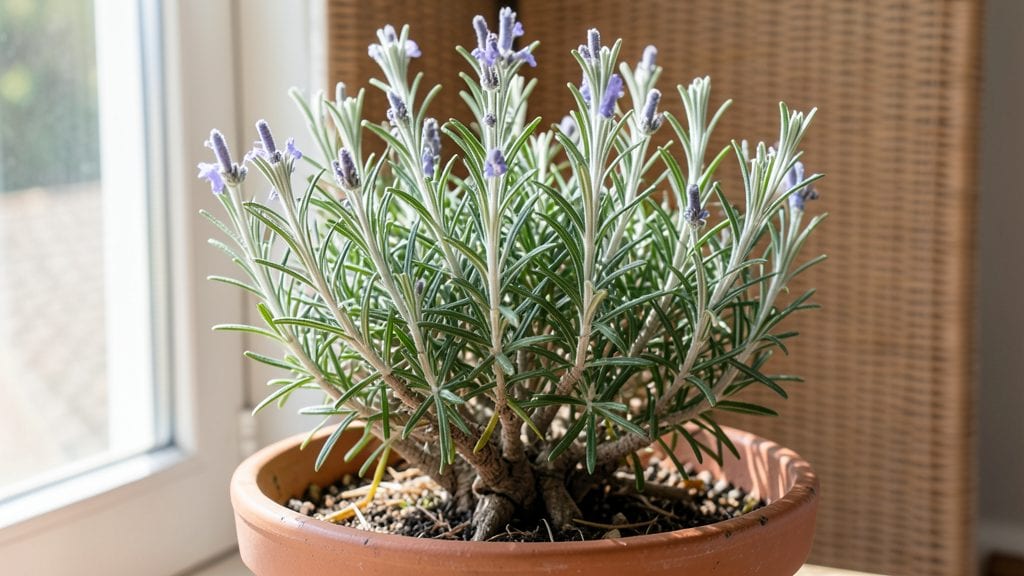
Discover the rosemary tree benefits—from culinary magic to natural remedies and pest control—while turning your herb into a fragrant, evergreen statement piece. 🌿 I’ve shaped my rosemary bushes into small trees, and the difference in yield, flavor, and hardiness is night and day.
The woody stems hold more oil, the leaves stay tender longer, and the scent fills the yard like a pine forest on a summer morning.
The best part? Rosemary trees thrive with minimal fuss. They love well-draining soil, full sun, and drought once established, making them perfect for Mediterranean climates—or even containers on patios.
Prune just after flowering to encourage bushier growth, and you’ll have fresh sprigs for cooking, tea, or homemade remedies year-round. Even the flowers are edible and attract pollinators, turning your tree into a multi-purpose powerhouse.
Imagine snipping fresh rosemary for roasted potatoes, infusing oils for massages, or hanging sprigs to repel moths—all from the same plant. The flavor is bold and piney, the aroma soothes stress, and the branches make stunning dried arrangements.
With the right care, your rosemary tree will outlast seasons, outperform store-bought herbs, and become the garden’s unsung hero.
Whether you’re growing in a pot or planting directly in the ground, this guide covers everything from soil prep to pruning secrets. Let’s get your rosemary tree thriving—culinary, medicinal, and ornamental all in one.
📚 In This Guide
- What you need
- Instructions
- Tips and common mistakes
- Wrapping up and next steps
What you need
- ● Pruning shears: Sharp, bypass-style shears (4-6" blades) for clean cuts—sterilize with rubbing alcohol before and after use.
- ● Gloves: Heavy-duty gardening gloves (nitrile-coated for grip and protection).
- ● Watering can or hose: With a gentle spray nozzle (rosemary hates soggy roots!).
- ○ Pruning saw (optional): For thick stems (>1/2 inch)—avoid if your tree is young.
- ● Disinfectant spray: 1 part bleach to 9 parts water (to prevent disease spread).
- ● Healthy rosemary tree: Mature (1-3 years old) with no signs of pests/disease (yellowing leaves, black spots).
- ● Sunlight access: Confirm your tree gets 6+ hours of direct sun daily—pruning in shade can stress it.
- ● Weather check: Prune on a dry, overcast day (avoid extreme heat or frost).
- ● Harvesting tools (if applicable): Kitchen scissors (for small sprigs).
- ● Paper bags (to store fresh cuttings).
- ● Growth hormone powder: (e.g., rooting hormone) to boost regrowth if propagating cuttings.
- ● Labeling tags: For tracking harvest dates or varieties (if you have multiple rosemary types).
- ● Compost bin: To recycle pruned stems and leaves (rich in nutrients!).
- ● Drying rack or mesh bag: For preserving rosemary—hang or air-dry in a dark, warm spot.
How to maximize your rosemary tree’s year-round value
This hardy perennial isn’t just a kitchen staple—it’s a medicinal powerhouse and living air purifier.
🌿 Step 1: Cultivate for Culinary Excellence
Harvest sprigs regularly to encourage dense, flavorful growth. Pinch back new growth in early spring to promote bushier branching—this is where the most aromatic leaves form. For maximum potency, harvest just before flowering when essential oils peak.
Drying rosemary is simple: bundle fresh sprigs and hang upside down in a dark, dry place for 2-3 weeks. The leaves should crumble easily when dry. Store whole sprigs in airtight containers away from light to preserve their piney aroma for up to a year.
💧 Step 2: Optimize for Medicinal Properties
Rosemary’s active compounds thrive in well-drained soil with full sun exposure (6+ hours daily). The plant’s natural antimicrobial properties intensify when grown in slightly alkaline soil (pH 7.0-8.0). Test your soil and amend with crushed limestone if needed.
For therapeutic use, harvest leaves in the morning when essential oil content is highest. Steep fresh leaves in hot water for 10-15 minutes to create an anti-inflammatory tea, or infuse oil by soaking sprigs in carrier oil for 4-6 weeks. Always use organic rosemary to avoid chemical contaminants.
☀️ Step 3: Enhance Air-Purifying Benefits
Position your rosemary tree near frequently used indoor spaces—its needle-like leaves efficiently filter airborne toxins like formaldehyde. Prune lightly in late summer to maintain an open canopy that maximizes air circulation through the foliage.
For accelerated purification, mist the leaves occasionally with water containing a few drops of food-grade hydrogen peroxide (3%). This boosts the plant’s natural detoxifying enzymes without harming its delicate structure. Monitor for powdery mildew if humidity exceeds 60%.
✂️ Step 4: Preserve for Long-Term Use
Freeze fresh rosemary by chopping leaves and storing in ice cube trays with water or olive oil. These "flavor cubes" maintain aroma perfectly for up to 6 months. For extended storage, freeze whole sprigs in a sealed bag—simply crush needed amounts directly into recipes.
When pruning for preservation, always use sterilized shears to prevent disease transmission. Remove only one-third of the plant’s growth at a time to avoid stress. Label stored batches with the harvest date to track freshness.
🪴 Step 5: Maintain Year-Round Productivity
In colder climates, protect potted rosemary with burlap wraps during winter freezes. Even evergreen varieties benefit from mulch around the base to regulate soil temperature. Water sparingly during dormancy—overwatering in winter causes root rot.
Fertilize lightly in early spring with fish emulsion (5-5-5 ratio) diluted to half strength. Avoid heavy nitrogen—it promotes leafy growth at the expense of aromatic oils. A lightly fed rosemary tree produces the most potent culinary and medicinal benefits.
Tips & tricks for perfect rosemary tree cultivation
Between us, rosemary isn't just a herb—it's a year-round workhorse that deserves special attention. Here's how to get the most out of your plant without the guesswork.
Harvesting Timing: The 10-15 minute steeping time for medicinal tea is just the beginning. For culinary use, harvest leaves just before flowering when essential oils are at their peak—this is when the flavor and medicinal properties reach their maximum intensity. I always harvest in the morning when the oils are most concentrated, giving me the strongest flavor for my cooking.
Drying Technique: When drying rosemary for long-term storage, don't rush the 2-3 week process. The leaves should crumble easily when completely dry, indicating all moisture has been removed. I've learned the hard way that impatient drying leads to mold—patience here preserves that piney aroma for up to a year in airtight containers.
Soil Science: The slightly alkaline soil range (pH 7.0-8.0) is non-negotiable for maximizing rosemary's benefits. Test your soil first—if it's acidic, crushed limestone is your best friend. I've seen rosemary thrive in containers with this amendment, producing leaves with significantly higher essential oil content for both culinary and medicinal uses.
Preservation Hack: For the freshest flavor year-round, freeze chopped rosemary in ice cube trays with water or olive oil. These "flavor cubes" maintain aroma perfectly for up to 6 months—no need to sacrifice freshness during winter months. I keep a stash in my freezer for quick cooking inspiration.
Pro Tips for Rosemary Tree Benefits
- Between us, rosemary isn't just a herb—it's a year-round workhorse that deserves special attention.
- Harvesting Timing: The 10-15 minute steeping time for medicinal tea is just the beginning.
- Drying Technique: When drying rosemary for long-term storage, don't rush the 2-3 week process.
Frequently asked questions
Got questions about growing, harvesting, or using your rosemary tree? You’re not alone! Here are answers to the most common queries to help you make the most of this versatile plant—whether in your kitchen, garden, or wellness routine.
Can rosemary trees survive winter outdoors?
Rosemary is hardy in USDA zones 7-10, but if you live in colder climates (below 20°F), protect it with mulch or move potted plants indoors. Prune back dead growth in spring—it’ll bounce back! For extra safety, wrap the trunk in burlap or use a frost cloth.
How often should I prune my rosemary tree?
Prune lightly after flowering (summer/fall) to encourage bushier growth, and trim back by ⅓ in early spring to shape it. Avoid heavy pruning in winter—rosemary is drought-tolerant but hates soggy roots. Pro tip: Use clean, sharp shears and disinfect them with rubbing alcohol to prevent disease!
Can I use dried rosemary from my tree the same way as store-bought?
Home-dried rosemary retains its flavor (and aroma) for 6–12 months if stored in an airtight container away from light. For best results, harvest sprigs before flowering, tie them in bundles, and hang upside down in a dry, dark place. Crush leaves slightly before storing to preserve oils.
Why is my rosemary turning yellow or dropping leaves?
Yellowing leaves often signal overwatering—rosemary thrives on neglect! Let soil dry completely between waterings, and ensure pots have drainage holes. Dropping leaves? It might be root bound or cold stress. Repot if needed, and keep it in full sun (6+ hours daily).
Are there any alternatives to rosemary for cooking or medicine?
Yes! For flavor, try thyme, oregano, or marjoram—they’re rosemary’s aromatic cousins. For medicinal uses, lavender (calming) or peppermint (digestive aid) can be substitutes, though rosemary’s antioxidant and anti-inflammatory benefits are unique. Experiment to find your favorite!
Still stumped? Drop your rosemary woes in the comments—we’re happy to help!
Wrapping up and next steps
From enhancing your dishes with bold flavors to boosting your health with its medicinal magic, the rosemary tree is a true garden gem! 🌿 Whether you’re a chef, a wellness enthusiast, or just a plant lover, its year-round benefits make it a must-have.
Now that you’re armed with pruning tips and creative uses, why not plant one today? Start small—grow it in a pot, harvest fresh sprigs, or even share its gifts with friends. Your kitchen (and body) will thank you!