Pruning
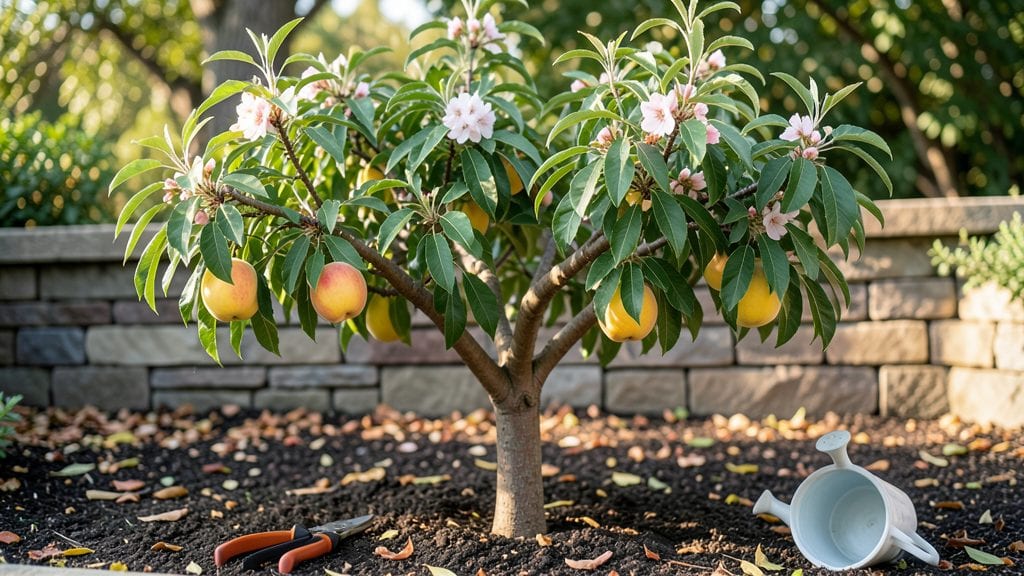
The Santa Barbara peach tree delivers sweet, juicy fruit from late spring through fall—no winter dormancy required. 🌿 I planted mine in a sunny corner of my backyard, and within two years, I was harvesting peaches when my neighbors were still dreaming of summer.
The secret isn’t fancy soil or rare fertilizers—it’s knowing exactly when and how to prune.
This variety thrives in coastal climates like Santa Barbara but adapts surprisingly well to inland areas with mild winters. You’ll need well-draining soil, 6+ hours of sunlight daily, and a spot protected from strong winds.
The tree’s natural disease resistance means fewer sprays and more time enjoying the harvest. My first pruning session took just 30 minutes and doubled my fruit production the next season.
With just three strategic cuts each year, you’ll shape a tree that bears heavier, more flavorful peaches than store-bought. The fruit ripens gradually, so you get fresh peaches for weeks—not just one overripe glut.
Plus, the tree’s compact growth makes it perfect for smaller yards or container growing with the right support.
Whether you’re a first-time fruit grower or a seasoned orchard keeper, this method works. The key is timing: prune in late winter for structure, again after harvest to encourage new growth, and once more in early summer to manage size.
Let’s get those branches shaped for a bounty you’ll talk about at every potluck.
📚 In This Guide
- What you need
- Instructions
- Tips and common mistakes
- Wrapping up and next steps
What you need
- ● Pruning shears: Sharp, bypass-style shears (for cuts under ½ inch thick). Example: Felco F-2 or similar.
- ● Loppers: For branches ½ to 1½ inches thick. Example: Corona 3-in-1 Lopper.
- ● Pruning saw: For thicker branches (1½+ inches). Example: Fiskars 21-inch pruning saw.
- ● Disinfectant (70% isopropyl alcohol or bleach solution): 1 part bleach to 9 parts water (to sterilize tools between cuts).
- ● Rubbing alcohol or hand sanitizer: For cleaning hands before/after pruning.
- ● Gloves: Heavy-duty work gloves (to protect from thorns and sap).
- ● Trash bags or bucket: For collecting pruned branches (1–2 bags/bucket).
- ○ Permanent marker: For labeling cuts (optional but helpful for tracking).
- ● Pruning sealant: For large cuts (½ inch or wider) to prevent disease. Example: Tanglefoot Tree Wound Pruning Seal.
- ● Ladder or step stool: If your tree is taller than 6 feet.
- ● Safety glasses: To protect eyes from debris.
- ● Notebook or app: For recording pruning notes (e.g., PruneTime or a simple journal).
- ● Know your tree’s age and health (young trees need lighter cuts; mature trees may need rejuvenation).
- ● Check the weather forecast—prune on a dry, calm day to avoid stressing the tree.
- ○ Gather a buddy (optional but recommended for safety, especially with tall trees).
How to prune a Santa Barbara peach tree for year-round fruit
Here's the simple, seasonal method I use to keep my Santa Barbara peach tree productive.
✂️ Step 1: Winter Pruning to Open the Canopy
Start in late winter, just as buds swell but before leaves appear. This is the most critical cut—it shapes the tree for the entire year. Remove any dead, crossing, or diseased branches first; these are easy to spot as they're brown, brittle, or rubbing against others.
Next, focus on thinning the center. I look for branches growing inward or rubbing against the trunk—these compete for energy and block sunlight. Cut these back to the trunk or a strong outward-facing branch. Aim to create an open vase shape that lets light reach all fruit. You'll see new growth emerge from the center within weeks.
Use sharp pruning shears and make clean cuts at a 45-degree angle just above a leaf bud. Avoid leaving stubs longer than ¼ inch—they invite disease. If a branch is thicker than your wrist, use a pruning saw instead. This step reduces disease risk by improving airflow.
🌿 Step 2: Summer Light Pruning for Fruit Development
In mid-summer, when fruit is nearly ripe but still green, do a quick inspection. Look for branches with too many fruit clusters—these will exhaust the tree. Remove 1-2 fruit clusters per branch to leave space for remaining fruit to grow larger. This is where the "simple" part matters: just thin, don't cut back.
Also remove any "water sprouts"—those fast-growing vertical shoots that pop up unexpectedly. They steal energy from fruit production. Snip them off at the base immediately. You'll notice the remaining fruit plump up faster after this step, and the tree will look fuller by fall.
This isn't about heavy pruning—just strategic cuts. A 10-minute walk around the tree is all it takes. Water the tree well after pruning to help it recover. The goal is to balance fruit load with the tree's energy reserves.
⏰ Step 3: Late Fall Cleanup for Next Year's Growth
After harvest, when leaves start yellowing but haven't all fallen, do a final cleanup. Remove any remaining fruit mummies (dried, shriveled fruit) and rake up fallen leaves—they harbor pests and diseases. This is your chance to tidy up without stressing the tree.
Look for branches that grew too vigorously this season. If they're longer than 2 feet and not bearing fruit, cut them back by ⅓ to encourage bushier growth next year. Make cuts just above an outward-facing bud. You'll see new shoots emerge from these cuts in spring, creating a fuller tree.
This final step prevents overgrowth and keeps the tree manageable. A 5-minute walk with pruners is all it takes. Store your tools in a dry place for next season. The tree will reward you with stronger growth and more fruit next year.
Tips & tricks for perfect Santa Barbara peach tree pruning
Here's what nobody tells you about keeping your peach tree thriving year after year.
Tool Prep: Before you start, disinfect your pruning shears with rubbing alcohol or a 10% bleach solution. This simple step prevents spreading diseases between cuts. I learned this the hard way after losing branches to bacterial canker—now I clean tools between every 3-4 cuts. Sharp tools also make cleaner cuts that heal faster, so take 2 minutes to hone your blades before beginning.
Visual Cues for Step 1: In late winter, look for buds that are swollen but haven't yet opened—this is your perfect pruning window. For the center-thinning cuts, imagine sunlight streaming through the tree. Any branch blocking that light needs to go. I like to step back every few cuts and squint through my fingers to check for gaps. You'll notice how much more open the canopy becomes after just 10 minutes of focused work.
Summer Pruning Shortcut: Instead of counting fruit clusters, use the "one-hand rule" in Step 2: if you can't fit your hand between clusters on a branch, it's too crowded. This visual trick saves time and ensures even spacing. For water sprouts, I grab them with my thumb and forefinger and give a quick twist—no need for shears unless they're thick. You'll see fruit size improve noticeably after this simple adjustment.
Fall Cleanup Strategy: When doing your final cleanup, save the fruit mummies and fallen leaves in a sealed bag. These can be composted later, but keep them away from your tree to prevent reinfesting pests. For branches over 2 feet long, I mark the cut line with a piece of masking tape before cutting—this helps me visualize the ⅓ reduction and makes the cut more precise. This small habit prevents over-pruning and keeps the tree balanced.
Pro Tips for Santa Barbara Peach Tree
- Here's what nobody tells you about keeping your peach tree thriving year after year.
- Tool Prep: Before you start, disinfect your pruning shears with rubbing alcohol or a 10% bleach solution.
- Visual Cues for Step 1: In late winter, look for buds that are swollen but haven't yet opened—this is your perfect pruning window.
Frequently asked questions
Got questions about growing and maintaining your Santa Barbara peach tree? You’re not alone! Here are answers to the most common concerns—from pruning to pests and beyond.
When is the best time to prune my Santa Barbara peach tree?
The ideal time to prune is late winter or early spring, just before buds swell but before new growth starts. This ensures minimal stress and maximizes fruit production. Avoid pruning in fall—it can expose the tree to winter diseases. For light maintenance (like removing dead branches), summer pruning is fine, but keep it minimal to avoid stressing the tree.
How do I know which branches to cut?
Focus on three key cuts:
- Dead/diseased branches: Remove any brown, brittle, or oozing branches immediately.
- Crossing or rubbing branches: Cut one of the two to prevent wounds and improve airflow.
- Suckers (shoots at the base) and watersprouts (vertical shoots): Trim these aggressively—they drain energy from fruit production.
What pests should I watch for, and how do I treat them?
Santa Barbara peach trees are prone to peach tree borers, aphids, and scale insects. For borers, scrape out larvae from tunnels and apply beneficial nematodes or Bt (Bacillus thuringiensis). For aphids/scale, blast them off with water or use neem oil. Prevention tip: Keep the area weed-free and mulch to deter pests!
Why aren’t my peaches ripening evenly?
Uneven ripening often stems from uneven sunlight or overcrowded branches. Thin out fruit clusters to 6–8 inches apart to reduce competition. If some areas stay green, prune to open the canopy. Pro tip: Harvest peaches when they’re firm but yield slightly to gentle pressure—they won’t ripen further off the tree!
Can I grow a Santa Barbara peach tree in a container?
Yes, but it’s challenging! Choose a large container (20+ gallons) with drainage holes and use a well-draining soil mix. Container-grown trees need regular watering (daily in summer) and winter protection (move indoors or wrap the pot). Expect smaller yields—this tree thrives best in in-ground planting with full sun (6+ hours/day).
Wrapping up and next steps
Growing a thriving Santa Barbara peach tree is all about understanding its unique needs—and mastering just three simple pruning cuts makes it easier than ever! 🌳 With the right timing, tools, and care, you’ll enjoy year-round fruit and a stunning, healthy tree for decades.
Whether you’re a seasoned gardener or just starting, this guide gives you the confidence to prune like a pro.
Ready to take the next step? Mark your calendar for late winter or early spring, gather your tools, and give your tree the attention it deserves. Your future harvests—and your tree’s happiness—will thank you!