
Trees
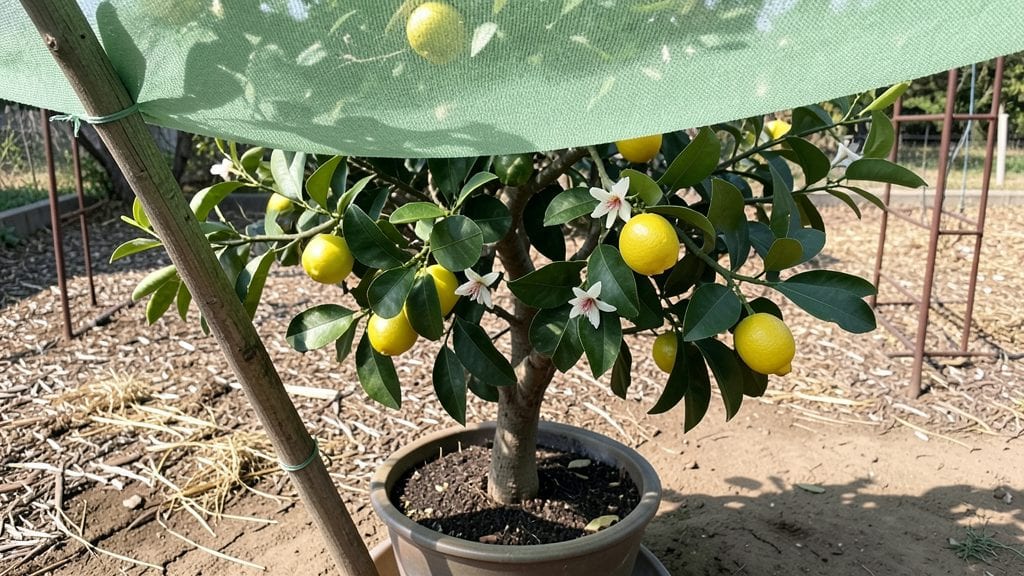
Citrus trees in hot climates need shade cloth to survive—otherwise, their leaves turn crispy and fruit rots before ripening. 🌿 I’ve seen firsthand how a simple piece of fabric can mean the difference between a thriving tree and one struggling under relentless sun.
The right percentage blocks just enough light to protect tender leaves while letting enough through for photosynthesis.
Start with 30-50% shade cloth for young trees or intense afternoon sun, and adjust based on your climate. Heavy-duty fabric with UV protection lasts years, and you’ll avoid the heartbreak of sunburned branches or bitter-tasting fruit.
Installation is easier than you think—just drape it loosely over a frame or trellis, leaving room for airflow.
You’ll notice healthier foliage within weeks, with glossy green leaves that stay vibrant all season. Fruit production improves too, as the tree focuses energy on growth instead of fighting stress. Plus, shade cloth deters some pests by making the tree less appealing to sun-loving insects.
Use it year-round in extreme heat zones, but remove it during winter if your climate gets chilly. Troubleshoot by checking for gaps or sagging fabric—proper tension keeps protection even. With the right setup, your citrus trees will thrive even in the harshest summers.
📚 In This Guide
- What you need
- Instructions
- Tips and common mistakes
- Wrapping up and next steps
What you need
- ● Shade cloth: 30-50% density (50% is ideal for citrus; adjust based on sun intensity). Measure your tree’s canopy to determine the square footage needed (e.g., a 10’x10’ tree requires ~100 sq ft of cloth).
- ● T-posts or stakes: 6-8 ft tall, spaced 6-8 ft apart around the tree’s perimeter (quantity depends on tree size; ~8-12 for small trees).
- ● Garden twine or UV-resistant zip ties: 100+ ft (for securing cloth to stakes).
- ● Scissors or utility knife: For cutting cloth to size.
- ● Measuring tape: 25+ ft (to ensure precise cloth dimensions).
- ○ Staple gun (optional but helpful): For attaching cloth to a frame or stakes.
- ● Wooden dowels or PVC pipes: 4-6 ft sections (to create a frame for larger trees).
- ● Heavy-duty clips or bungee cords: For adjustable tension on cloth.
- ● Ground anchors or sandbags: To weigh down stakes in windy areas.
- ● Spray bottle with water: To dampen cloth edges and reduce fraying.
Step-by-step guide to installing shade cloth for citrus trees
Here's how to protect your citrus trees from harsh sun while keeping them thriving.
🌿 Step 1: Measure and Select the Right Shade Cloth Density
Citrus trees need 30-50% shade cloth in hot climates—anything lighter won’t protect against sunburn, while heavier cloth blocks too much light. Measure the tree’s canopy height and width, then add 2 feet extra on all sides for proper coverage. For example, a 10-foot-tall tree needs a 12-foot-wide cloth to drape evenly without gaps.
I always check the albedo rating (percentage of light blocked) on the shade cloth label. A 40% cloth lets through just enough light for photosynthesis while preventing leaf scorch. If your tree is young or in an extremely hot zone, opt for 50% density—older trees can handle 30%. Avoid white or reflective cloths; they increase heat rather than diffusing it.
☀️ Step 2: Install the Support Structure Before Attaching Cloth
Use T-posts or sturdy metal stakes (driven 1 foot into the ground) to create a frame around the tree. Space them 6 feet apart for small trees, 8-10 feet apart for mature citrus. Attach galvanized wire or PVC pipes horizontally between posts to form a grid—this keeps the cloth taut and prevents sagging, which creates hot spots where sunlight burns through.
Here’s the trick: angle the support slightly outward from the tree’s center. This creates a pyramid shape that directs rainwater off the cloth instead of pooling on leaves. I also add zip ties or heavy-duty clips at each post to secure the cloth edges tightly. Loose cloth flutters in wind and tears quickly.
🪴 Step 3: Drape and Secure the Shade Cloth Evenly
Start at the top of the tree and drape the cloth downward, letting it overlap by 6 inches on all sides. For a 40% cloth, you’ll see a soft, diffused light filtering through—no harsh shadows on the leaves. If you notice bright spots where sunlight pierces, adjust the cloth or add extra supports until the coverage is uniform.
Secure the cloth with UV-resistant straps or clips every 2 feet along the edges. Avoid staples or nails—they puncture the fabric and weaken it over time. I like to leave 12-18 inches of slack at the bottom so the cloth can billow slightly in wind without tearing. This also allows for airflow, preventing fungal issues from trapped humidity.
⏰ Step 4: Adjust Seasonally for Optimal Protection
Remove the shade cloth gradually in late summer when temperatures drop—start by rolling it up 10% per week to let the tree acclimate. I’ve seen trees go into shock when suddenly exposed to full sun after months of shade. By October, most citrus can handle full morning sun with afternoon shade, depending on your climate zone.
In winter, you might reduce coverage to 20-30% if your area gets cold snaps. Citrus need some sunlight even in cooler months to stay productive. Check leaf color weekly: yellowing or crispy edges mean the cloth is too dense, while pale, stretched leaves signal it’s too thin. Adjust as needed—this is a dynamic process, not a set-it-and-forget-it solution.
Tips & tricks for perfect shade cloth installation
Common mistakes can turn your shade cloth setup into a sunburn disaster—here’s how to avoid them.
Cloth Density Decisions: The 30-50% range isn't arbitrary—it balances photosynthesis with protection. For young trees or extreme heat zones, I've found that 50% cloth prevents leaf scorch while still allowing enough light for growth. If you're unsure, start with 40% density and monitor leaf color weekly. Yellowing leaves mean you need slightly less coverage, while pale, stretched leaves signal it's too thin.
Support Structure Stability: The pyramid shape isn't just aesthetic—it's functional. Angling supports outward prevents water pooling on leaves, which can lead to fungal issues. I've learned the hard way that skipping this step leads to sagging cloth and uneven coverage. Use T-posts driven 1 foot deep for maximum stability, especially in windy areas. For mature trees, add an extra post at the center for even tension.
Seasonal Adjustment Strategy: That gradual 10% weekly reduction in late summer is critical. I've seen citrus trees go into shock when suddenly exposed to full sun after months of shade. Start the acclimation process in September by rolling up just 10% of the cloth, then increase by 10% each week until full exposure by October. This mimics natural seasonal changes and prevents stress on the tree.
Material Matters: UV-resistant straps are a game-changer for longevity. Regular plastic ties degrade quickly under sun exposure, leading to torn cloth. I've been using galvanized wire for the horizontal supports because it won't rust like cheaper alternatives. For the cloth itself, look for polypropylene fabric—it's more durable than polyester and won't degrade as quickly in harsh sunlight.
Pro Tips for Shade Cloth For Citrus Trees
- Common mistakes can turn your shade cloth setup into a sunburn disaster—here’s how to avoid them.
- Cloth Density Decisions: The 30-50% range isn't arbitrary—it balances photosynthesis with protection.
- Support Structure Stability: The pyramid shape isn't just aesthetic—it's functional.
Frequently asked questions
Got questions about using shade cloth for your citrus trees?
You’re not alone! Here are some of the most common concerns—plus straightforward answers to help you grow thriving, sunburn-free citrus.
What shade cloth density works best for citrus trees?
For citrus trees, opt for 30-50% shade cloth—this balances sun protection with enough light for photosynthesis. Pro tip: Start with 30% in hotter climates (like Arizona or Florida) and bump to 50% if your trees show signs of stress (yellowing leaves or leaf scorch). Avoid heavy 70%+ cloth, which can stunt growth.
When is the best time to install shade cloth?
Install shade cloth before extreme heat hits—typically in late spring or early summer (May-June in most U.S. zones). If your citrus is already showing sunburn (brown patches on leaves/fruit), act fast! Pro tip: Secure cloth before peak summer to prevent midday heat spikes from damaging young trees.
Is shade cloth a one-time purchase, or do I need to replace it?
Shade cloth lasts 3-5 years if made from high-quality polypropylene or polyethylene. Over time, UV rays degrade the fabric, reducing effectiveness. Check for brittleness or fading—if it looks worn, replace it. Budget hack: Buy a few rolls now and rotate them seasonally to extend their lifespan.
Can I use alternatives like tarps or burlap instead of shade cloth?
While tarps (especially white ones) can work in a pinch, they’re not ideal—they trap too much heat and lack breathability. Burlap offers minimal shade and rots quickly when wet. Shade cloth is the gold standard because it’s permeable, UV-stabilized, and designed for plant health. If cost is a concern, start with a 30% cloth and layer it with drip irrigation for extra cooling.
My citrus leaves are yellowing under shade cloth—what’s wrong?
Yellowing leaves usually mean too much shade or poor airflow. First, check if the cloth is tightly stretched (loose fabric creates pockets of stagnant air). Next, ensure your tree gets at least 4-6 hours of direct sun daily—citrus needs light to thrive. If needed, adjust the cloth’s angle or remove it for a few hours on cloudy days. Red flag: If yellowing spreads to new growth, test soil pH (citrus prefers 6.0-7.0).
How do I clean and store shade cloth when not in use?
Clean cloth with a mild soap solution and water, then rinse thoroughly to remove dust/debris. Storage tip: Fold it flat in a dry place (like a garage) to prevent mildew. Avoid rolling it tightly, which can cause creases that reduce effectiveness. Pro move: Treat cloth with a vinegar-water spray (1:3 ratio) before storage to deter mold.
Wrapping up and next steps
Protecting your citrus trees with shade cloth is a game-changer—especially in hot, sun-drenched climates! 🌞 By filtering harsh UV rays, reducing stress, and improving fruit quality, you’re setting your trees up for thriving growth.
Whether you’re a seasoned gardener or just starting out, this simple solution makes a big difference in yield and tree health.
Ready to take action? Start by selecting the right shade percentage for your region, then install your cloth with care. Watch your citrus trees flourish under the perfect balance of sun and shade—your future harvest will thank you! 🍊✨