Trees
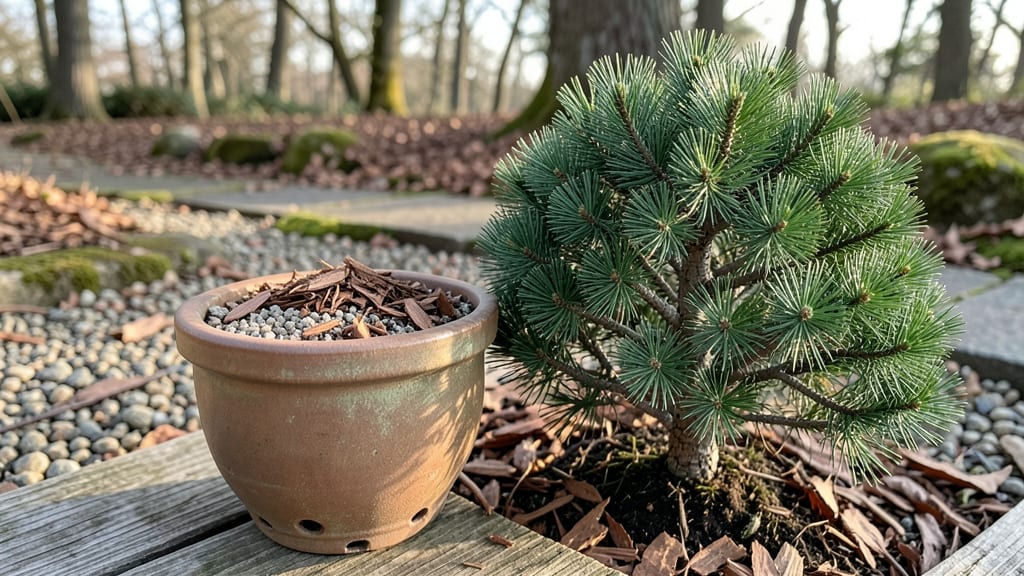
Growing small pine trees in pots transforms any balcony into a forest retreat—frost-resistant dwarf varieties thrive where most plants would freeze. I’ve battled winter winds with potted pines for years, and these tough little trees never fail to surprise me with their resilience.
The key? Choosing the right species like ‘Mugo’ or ‘Dwarf Scotch’ that stay compact yet sturdy, even when temperatures dip below freezing.
You’ll need well-draining soil, a pot with drainage holes at least 12 inches deep, and a sunny spot that gets 6+ hours of light daily. Most people overwater pines, but these trees prefer dry soil—think of them as desert survivors in a pot.
A terracotta container helps regulate moisture, while adding perlite to the mix prevents soggy roots that invite pests like spider mites.
By late fall, your pines will reward you with needles that stay vibrant through winter, their branches dusted with frost like tiny evergreen snowflakes. Prune in early spring to shape them, and move pots closer to walls for wind protection.
The best part? These trees keep growing for decades, becoming living heirlooms that outlast seasonal flowers.
Whether you’re on a city rooftop or a country porch, potted pines adapt—just avoid plastic containers that trap cold. Start with a 3-gallon pot for young trees, and upgrade every few years.
The secret to longevity? Less water, more sun, and winter prep—simple rules for a tree that lasts a lifetime.
📚 In This Guide
- What you need
- Instructions
- Tips and common mistakes
- Wrapping up and next steps
What you need
- ● Dwarf pine tree: Choose frost-resistant varieties like Pinus mugo (Mugo Pine), Pinus sylvestris 'Beuvronensis', or Pinus thunbergii 'Thunderhead'. Opt for a 1–3 gallon container-grown sapling for best results.
- ● Pot: A container with drainage holes (12–18 inches in diameter for mature dwarf pines). Terracotta or ceramic pots work well.
- ● Well-draining potting mix: 60% inorganic material (perlite, pumice, or coarse sand) + 40% organic matter (peat moss or coconut coir). Avoid garden soil—it compacts and causes root rot!
- ● Gravel or pebbles: For a 1–2 inch drainage layer at the pot’s base.
- ● Slow-release fertilizer: A balanced 10-10-10 or acidic fertilizer (like 8-3-9) designed for evergreens.
- ● Gloves & trowel: For handling soil and planting.
- ● Watering can with a narrow spout: To avoid disturbing the soil.
- ○ Mulch (optional): Pine bark or gravel to retain moisture and regulate temperature.
- ○ Plant support (optional): A small stake if your pine is top-heavy.
- ○ Spray bottle (optional): For misting needles in dry climates.
- ● Burlap or frost cloth: To wrap pots if temps drop below 20°F (-6°C).
- ○ Insulating pot sleeves (optional): For extra cold protection.
- ○ Anti-desiccant spray (optional): Like Wilt-Pruf to prevent needle browning.
How to grow frost-resistant dwarf pine trees in containers
Dwarf pines bring woodland charm to patios and balconies—here’s how to keep them thriving year-round.
Select the Right Dwarf Pine Variety and Pot
Choose cold-hardy dwarf pines like Mugo pine (Pinus mugo) or Japanese black pine (Pinus thunbergii), both of which tolerate down to -20°F once established. A 5-gallon container with drainage holes is ideal for the first 2–3 years, as dwarf pines grow slowly but need room for root expansion.
Ensure the pot has at least 3 drainage holes—pine roots rot quickly in soggy soil. I recommend terracotta pots for their breathability, though any container with drainage works. If using decorative pots, nestle them inside a nursery pot with holes for winter protection.
Prepare Well-Draining Soil and Plant Correctly
Mix equal parts potting soil, coarse sand, and perlite to create a fast-draining medium—pine roots need oxygen and hate sitting wet. Avoid garden soil, which compacts and suffocates roots. Fill the pot 2/3 full with this blend, leaving space for the root ball.
Gently remove the pine from its nursery pot and loosen any circling roots. Position it so the root flare (where roots meet the trunk) sits just above the soil line—burying it too deep causes rot. Backfill with soil, pressing lightly to eliminate air pockets. Water deeply until moisture runs from the drainage holes.
Provide Sunlight and Shelter for Winter Survival
Dwarf pines need full sun (6+ hours daily) for best color and vigor, but afternoon shade in hot climates prevents needle scorch. Place your pots where they get morning sun and partial shade from 1–4 PM if temperatures exceed 85°F. A south- or west-facing balcony works well in most regions.
For winter, move pots to a protected spot (e.g., against a north-facing wall) or wrap the container in bubble wrap to insulate roots. Mulch the top 2 inches with pine bark fines to retain moisture and shield roots from freezing-thaw cycles. In Zone 5 or colder, consider bringing pots indoors to an unheated garage or shed.
Water and Fertilize for Long-Term Health
Water only when the top 2 inches of soil feel dry—pines are drought-tolerant once established, but young trees need consistent moisture. Overwatering is the #1 killer; yellow needles signal either too much water or poor drainage. I use a soaker hose for even moisture without wetting the needles, which can cause fungal issues.
Fertilize once in early spring with a slow-release pine fertilizer (look for 10-10-10 or 16-4-8 NPK ratio). Avoid high-nitrogen fertilizers, which promote soft, disease-prone growth. Prune only to remove dead or crossing branches in late winter—never "shear" pines for shape, as they grow in whorls and won’t recover well.
Monitor for Pests and Adjust Care Seasonally
Check for spider mites or aphids (common on pines) by inspecting new growth weekly. A strong spray of water usually dislodges them, but neem oil works for stubborn infestations. Avoid chemical pesticides, which harm beneficial insects and can linger in the soil.
In summer, mist the needles occasionally if humidity drops below 40%—this mimics their natural forest environment. In fall, reduce watering as growth slows, and stop fertilizing entirely after Labor Day to harden the tree for winter. With these adjustments, your dwarf pine will thrive for decades in pots.
Tips & tricks for frost-resistant dwarf pine trees in containers
Here's what I've learned from years of growing these hardy little trees—tricks that'll keep your dwarf pines thriving through winter and beyond.
Root Care is Non-Negotiable: The 5-gallon container recommendation isn't arbitrary—dwarf pines grow slowly but need room to establish their root systems. If you're tempted to use a smaller pot, resist! Roots that circle or get crowded will eventually strangle the tree. I've seen pines in 3-gallon pots survive, but they'll struggle with moisture retention and nutrient uptake. For the first 2-3 years, stick with 5 gallons minimum, even if your tree looks small.
Soil Mix Secrets: That equal parts potting soil, coarse sand, and perlite blend is crucial for preventing root rot. I've found that adding a handful of orchid bark to the mix improves aeration even more—just mix it in with the perlite. The key is creating a medium that drains quickly but still holds enough moisture for the roots. Test your mix by squeezing a handful: it should crumble easily when dry, not stay compacted.
Winter Protection Hacks: For Zone 5 and colder, moving pots to an unheated garage isn't just about temperature—it's about protecting them from temperature swings. I've had pines survive winters in unheated garages with temps down to 15°F when properly wrapped. The bubble wrap insulation works wonders, but don't wrap the top of the tree. Instead, use a breathable frost blanket draped loosely over the top to protect new growth while allowing air circulation.
Sunlight Strategy: The 6+ hours of full sun requirement can be tricky on balconies with afternoon shade. I've found that positioning your pot on a south-facing balcony gives the best morning sun exposure. For afternoon shade, use a light-colored umbrella rather than dark fabric—it reflects heat rather than absorbing it. And remember, those 1-4 PM shade hours are critical when temps exceed 85°F—needle scorch happens fast in direct afternoon sun.
Pro Tips for Small Pine Trees In Pots
- Here's what I've learned from years of growing these hardy little trees—tricks that'll keep your dwarf pines thriving through winter and beyond.
- Root Care is Non-Negotiable: The 5-gallon container recommendation isn't arbitrary—dwarf pines grow slowly but need room to establish their root systems.
- Soil Mix Secrets: That equal parts potting soil, coarse sand, and perlite blend is crucial for preventing root rot.
Frequently asked questions
Got questions about growing small pine trees in pots?
You’re not alone! Here are answers to the most common queries to help you succeed with your frost-resistant dwarf varieties.
What’s the best time of year to plant dwarf pine trees in pots?
Plant your dwarf pines in early spring or late fall when temperatures are mild. Avoid extreme heat or cold, which can stress young roots. If planting in summer, choose a shady spot and water thoroughly to prevent shock. Pro tip: Container-grown pines adapt well year-round, but spring gives them time to establish before winter!
Can small pine trees in pots survive winter frost?
Yes! Many dwarf varieties (like Pinus mugo or Pinus sylvestris ‘Beuvron’) are frost-hardy down to -20°F (-29°C). Still, protect them by:
- Moving pots to a sheltered spot (e.g., against a wall or under an eave).
- Wrapping the container in bubble wrap or frost cloth for extra insulation.
- Avoiding wet soil—drainage holes prevent root rot in cold, damp conditions.
How often should I water potted dwarf pine trees?
Water when the top 1–2 inches of soil feel dry (stick your finger in to check!). In summer, this may mean every 5–7 days, but adjust for:
- Hot/dry weather: Water deeply in the morning to reduce evaporation.
- Winter: Cut back to once a month (unless in a windy or sunny spot).
- Overwatering risk: Pines hate soggy roots—ensure pots have drainage holes!
What if my dwarf pine turns brown or loses needles?
Brown needles usually signal overwatering, underwatering, or stress. Check these fixes:
Issue
Solution
Yellow/brown needles (bottom-up)
Reduce watering; improve drainage (add perlite to soil).
Dry, crispy needles (top-down)
Increase humidity (mist occasionally) or move to shade.
Needle drop in winter
Normal for some varieties—avoid fertilizing in cold months.
Are there alternatives to traditional pots for dwarf pines?
Get creative with containers that:
- Improve drainage: Terracotta pots, wooden barrels with holes, or fabric grow bags.
- Add style: Ceramic planters, hanging baskets (for trailing varieties like Pinus sylvestris ‘Glauca Globosa’), or even repurposed buckets with drainage added.
- Insulate roots: Thick-walled containers (like stone or concrete) retain heat better in winter.
Wrapping up and next steps
Growing small pine trees in pots is a rewarding way to bring a touch of nature to your balcony—even in colder climates! 🌲 With frost-resistant dwarf varieties like Pinus mugo or Pinus sylvestris, you can enjoy lush greenery year-round with minimal effort.
Whether you're a beginner or a seasoned gardener, these hardy plants thrive with the right care, brightening up your space without the hassle.
Ready to get started? Pick your favorite dwarf pine, gather your supplies, and give your balcony a cozy, evergreen upgrade today! 🌿 For extra inspiration, browse local nurseries or online plant shops to find the perfect match for your space.