
Light Requirements
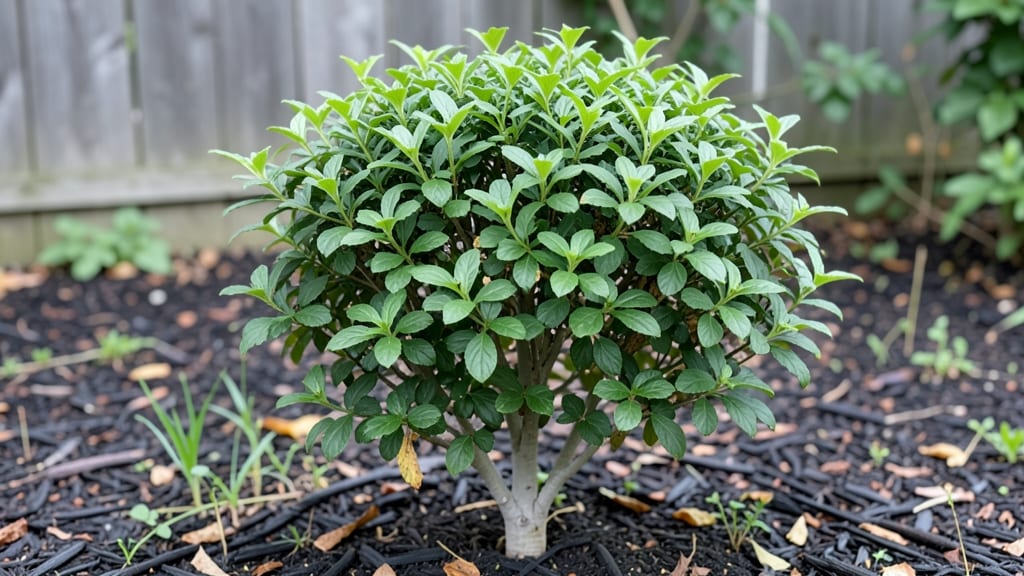
Finding small shade-tolerant trees that actually thrive in low-light spots can turn a dull corner of your yard into a lush, private retreat. ✨ I’ve planted these exact varieties in my own shaded garden—some as focal points, others to create natural privacy screens—and they’ve never let me down, even under the canopy of taller trees.
The key is choosing trees that grow 6 to 15 feet tall but still pack a punch with dense foliage or striking bark.
My go-to picks include dwarf fothergilla for its fragrant spring blooms, serviceberry for edible fruit and four-season interest, and inkberry holly for glossy evergreen leaves that block pesky views. All three handle shade like champions while adding texture and movement to the garden.
What you’ll end up with is a layered, living privacy screen that stays green year-round, even in the shadiest spots. The foliage softens hard lines, the bark adds winter intrigue, and the overall effect feels like a secret garden—just for you.
Plus, these trees attract birds and butterflies, turning your shade garden into a mini wildlife haven.
Whether you’re working with a tight urban lot, a wooded backyard, or just want to add height without sacrificing sunlight for other plants, these shade-tolerant stars deliver. Let’s dive into the best picks and how to place them for maximum impact.
📚 In This Guide
- What you need
- Instructions
- Tips and common mistakes
- Wrapping up and next steps
What you need
- ● Shade-tolerant tree seedlings or saplings: 3–5 plants (e.g., Dwarf Fothergilla, Japanese Maple, or Eastern Redbud)
- ● Size: 1–3 gallons (for faster establishment)
- ● High-quality potting soil or native soil mix: 1–2 bags (50 lbs each)
- ● Organic mulch (wood chips or pine straw): 1–2 cubic yards (for moisture retention)
- ● Slow-release fertilizer (balanced 10-10-10 or organic): 1–2 bags
- ● Watering can or hose with a gentle spray nozzle
- ● Garden gloves and knee pads (for comfort)
- ● Tree supports or stakes: 3–5 (for young, top-heavy trees)
- ● Soil amendments (compost or worm castings): 1–2 bags (boosts nutrients)
- ● Drip irrigation kit: (for consistent watering)
- ● Pruning shears: (for shaping and maintenance)
- ● Shade cloth (30–50% coverage): (if transplanting in hot conditions)
How to plant and care for small shade-tolerant trees
These low-light champions thrive where others fail—here's how to set them up right.
🌱 Step 1: Choose the Right Spot and Prepare the Soil
Select a location with dappled shade (3-6 hours of indirect light daily) or partial shade (morning sun, afternoon shade). Avoid deep, dense shade where trees struggle to photosynthesize. Test the soil by squeezing a handful—if it stays in a tight ball, it's too compact and needs 1-2 inches of compost mixed into the top 12 inches of soil.
Small shade-tolerant trees like dogwood or serviceberry prefer slightly acidic to neutral soil (pH 5.0-7.0). If your soil is heavy clay, amend it with 3-4 inches of organic matter (like leaf mold or well-rotted compost) before planting. Work the amendments into the soil until it feels loose and crumbly—you should be able to dig a hole with minimal effort.
🪴 Step 2: Dig the Hole and Plant Correctly
Dig a hole twice as wide as the tree's root ball but no deeper—planting too deep suffocates roots and causes stress. Loosen the sides of the hole with a shovel to encourage root spread. If your tree arrives in a container, gently squeeze the sides to loosen roots before removing it.
Place the tree in the hole so the top of the root ball sits level with the surrounding soil—never bury the trunk. Fill the hole with native soil (not amended mix) and tamp it down lightly with your hands. Water deeply to settle the soil and eliminate air pockets. You'll know it's right when the soil surface looks slightly firm but not rock-hard.
☀️ Step 3: Water and Mulch for Long-Term Success
Water the tree deeply every 7-10 days during the first growing season, providing 1-2 gallons per inch of trunk diameter. For example, a 3-inch tree needs 3-6 gallons per watering. Avoid shallow watering, which encourages weak roots. Check moisture by sticking your finger 2 inches into the soil—if it feels dry, it's time to water.
Spread 2-3 inches of mulch (like shredded bark or wood chips) over the soil surface, keeping it 6 inches away from the trunk to prevent rot. Mulch conserves moisture and regulates soil temperature, but don’t overdo it—too much mulch smothers roots. Replenish mulch annually as it breaks down, and avoid piling fresh mulch directly against the trunk.
✂️ Step 4: Prune and Protect for Healthy Growth
Prune only to remove dead, damaged, or crossing branches in the first year. Use clean, sharp pruners and make cuts just outside the branch collar (the swollen area where the branch meets the trunk). Avoid heavy pruning—small shade trees establish best with minimal stress. You'll see new growth in spring if the tree is happy.
Protect young trees from deer, rabbits, or voles with a tree guard (a wire mesh cylinder) for the first year. These pests often target small trees, and a single bite can kill a young plant. Check the guard monthly for damage and remove it once the tree reaches 6 feet tall, as it may restrict growth if left too long.
Tips & tricks for perfect small shade-tolerant trees
Took me a while to figure these out, so here goes—your shade trees will thank you.
Light Matters: The 3-6 hours of indirect light mentioned is crucial. If your spot gets less than 3 hours, consider a more shade-tolerant variety like Japanese maple. I've seen dogwoods struggle in deep shade—watch for yellowing leaves, which means it's not getting enough light to photosynthesize properly.
Soil Prep Secret: When amending heavy clay soil with 3-4 inches of organic matter, mix it thoroughly into the top 12 inches. I use a garden fork to break up compacted layers—this prevents water pooling around roots. The goal is soil that holds moisture but drains well, like a well-wrung sponge.
Planting Depth Check: The top of the root ball should sit level with the surrounding soil—never bury the trunk. I test this by placing the tree in the hole, then using a level tool to ensure it's perfectly straight. A buried trunk can cause rot, while an exposed root flare leads to stress and poor growth.
Watering Wisdom: Those 7-10 day intervals are ideal, but check soil moisture first. I dig a small hole 2 inches deep—if it's dry, water deeply. Overwatering is just as bad as underwatering, especially in containers where roots can suffocate. A moisture meter helps if you're unsure.
Pro Tips for Small Shade Tolerant Trees
- Took me a while to figure these out, so here goes—your shade trees will thank you.
- Light Matters: The 3-6 hours of indirect light mentioned is crucial.
- Soil Prep Secret: When amending heavy clay soil with 3-4 inches of organic matter, mix it thoroughly into the top 12 inches.
Frequently asked questions
Got questions about small shade-tolerant trees?
You’re not alone! Here are answers to the most common queries to help you pick and care for the perfect low-light champion for your space.
What are the best small shade-tolerant trees for urban yards with limited sunlight?
Top picks include Japanese maple (Acer palmatum), Dwarf fothergilla (Fothergilla gardenii), and Eastern redbud (Cercis canadensis). These thrive in dappled shade and offer year-round interest with flowers, foliage, or bark. For deep shade (under 2 hours of sunlight), opt for inkberry holly (Ilex glabra) or dwarf dogwood (Cornus florida ‘Eddie’s White Wonder’).
How long does it take for a small shade-tolerant tree to provide meaningful privacy?
Most small varieties grow 6–12 inches per year, so expect noticeable privacy in 3–5 years for a 6-foot-tall tree. Faster growers like serviceberry (Amelanchier) may offer quicker coverage, while slower growers (e.g., dwarf Korean lilac) take longer. Plant in clusters to speed up the effect!
Can I plant a shade-tolerant tree under existing trees, or will it compete for roots?
Yes, but choose non-invasive roots like dwarf flowering cherry (Prunus serrulata ‘Kwanzan’) or inkberry holly. Avoid planting directly under large oaks or pines—their root systems can smother shallow-rooted trees. Instead, place your new tree 10–15 feet away from the trunk for better success.
Do shade-tolerant trees need less water than sun-loving varieties?
Not necessarily! While they tolerate low light, most still need consistent moisture, especially in the first year. Water deeply 2–3 times per week during dry spells, then taper to 1–2 times weekly once established. Mulch heavily (3 inches) to retain soil moisture—just keep it 6 inches away from the trunk.
What should I do if my shade-tolerant tree’s leaves turn yellow or wilt?
Yellowing leaves often signal overwatering, poor drainage, or fungal issues. Check the soil—it should be moist but not soggy. If wilting persists, inspect for root rot (common in clay soil) or powdery mildew (white dust on leaves). Adjust watering, improve airflow, and prune affected branches. For stubborn problems, a soil test can pinpoint deficiencies.
Still unsure? Tag us in your garden pics—we’d love to help you troubleshoot!
Wrapping up and next steps
Small shade-tolerant trees are the unsung heroes of low-light gardens, offering beauty, privacy, and resilience without demanding sunshine. Whether you're working with a shady yard, a tight space, or just love the charm of understory plants, these trees prove that great things grow in the shade too! 🌿
Ready to transform your space? Start by sketching your design—measure your area, note sunlight patterns, and pick 2-3 trees that fit your style and needs. Then, roll up your sleeves and plant with confidence! Your future self (and your neighbors) will thank you.