Pruning
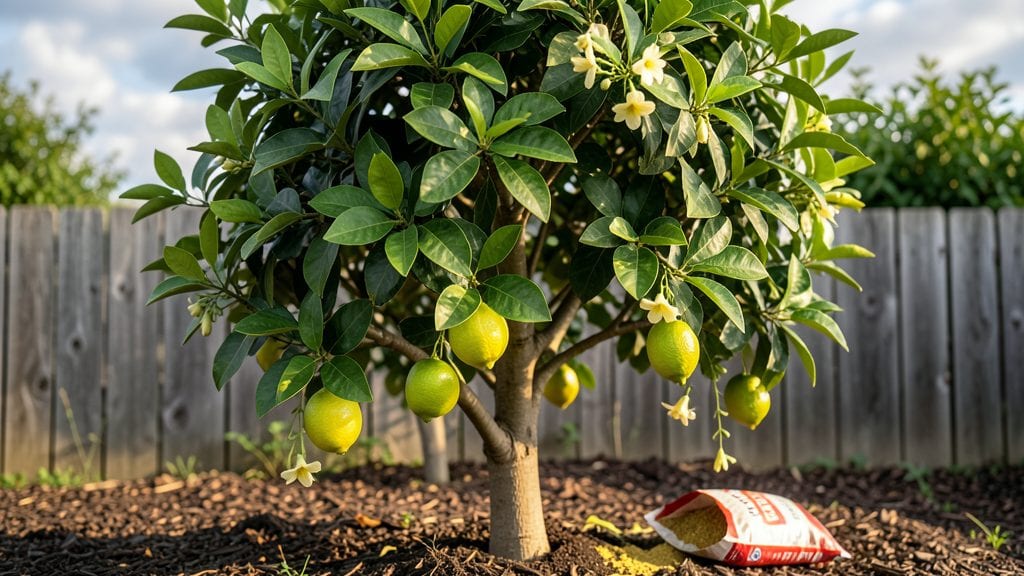
Growing a sweet lime tree in the Pacific Northwest isn't just possible—it can thrive with the right care, and I’ve learned that firsthand after nurturing mine through three winters in my Seattle garden.
The key isn’t just frost resistance; it’s knowing when to protect those tender leaves and how to coax fruit from a tree that wants to play hard to get.
My first harvest was just six tiny limes, but now I’m up to a dozen—enough to make a tangy marmalade that neighbors beg for recipes.
The trick starts with well-draining soil and a spot that gets full sun for at least six hours a day, even if you’re growing it in a container.
I use a mix of potting soil and perlite to keep roots happy, and I’ve found that 15-gallon pots work perfectly for container trees—big enough to support growth but manageable when winter rolls in.
Overwatering is the silent killer here, so let the top inch of soil dry out between waterings, and always use a pot with drainage holes.
Pruning in late winter is where the magic happens—shape your tree to encourage airflow and fruit production, and don’t be shy about cutting back leggy growth.
My tree now has a compact, bushy shape that produces fruit along every branch, and the scent of blossoms in spring is worth the effort. With consistent care, you’ll see those first limes forming by mid-summer, and by fall, you’ll be wondering why you didn’t start sooner.
Whether you’re planting in the ground or keeping it in a pot, the Pacific Northwest’s mild winters make this citrus gem surprisingly adaptable.
Just remember: bring containers indoors when temperatures dip below 20°F, and watch for signs of stress like yellowing leaves—usually a sign it’s time to adjust your watering or light exposure. The payoff? A tree that keeps giving, year after year.
📚 In This Guide
- What you need
- Instructions
- Tips and common mistakes
- Wrapping up and next steps
What you need
- ● Sweet lime tree: Choose a Citrus × aurantium (sweet lime) sapling or bare-root plant from a reputable nursery. Look for frost-hardy varieties or grafted citrus designed for cooler climates.
- ● Large container (15–20 gallons): Use a durable, frost-proof pot with drainage holes (e.g., ceramic, plastic, or fabric grow bags). Pro tip: 💡 Ensure it’s at least 12–18 inches deep to support root growth.
- ● Well-draining potting mix: A blend of 50% citrus-specific soil, 30% perlite or pumice, and 20% compost works best. Avoid garden soil—it compacts and holds too much moisture!
- ● Slow-release citrus fertilizer: A balanced 6-6-6 or 8-3-6 NPK ratio (e.g., Osmocote or Miracle-Gro Shake ’n Feed Citrus). Apply once every 3–4 months in spring and summer.
- ○ Mulch (optional but helpful): Use straw or wood chips around the base (but avoid piling against the trunk) to retain moisture and insulate roots in winter.
- ● Pruning tools: Bypass pruners (for small branches)
- ● Loppers (for thicker stems, up to ½ inch)
- ● Sterilizing solution (70% isopropyl alcohol or bleach water)
- ● Gloves & safety gear: Wear gardening gloves and safety goggles when pruning to avoid thorns and sap irritation.
- ○ Support structure (optional): A small trellis or stake if your tree grows tall or leggy (common in containers).
- ● Frost protection: Frost cloth or row covers (rated for 20–25°F)
- ● String lights or heat lamp (for extreme cold snaps)
Instructions for cultivating a thriving sweet lime tree in cold climates
This hardy citrus thrives where others fail—here’s how to coax its sweet, fragrant fruit from your Pacific Northwest yard.
Select the Right Variety and Planting Location
Choose a ‘Meyer’ or ‘Improved Meyer’ sweet lime—these cold-hardy hybrids tolerate brief dips to 20°F without severe damage. Avoid standard limes; they’ll succumb to frost within hours. Plant in a sheltered spot near a south-facing wall or fence, where reflected heat extends the growing season.
Your site needs full sun exposure (6–8 hours daily) and well-draining soil. If your yard has heavy clay, amend with 3–4 inches of compost and a 5-gallon mix of sand and organic matter to prevent root rot. Test soil pH—sweet limes prefer 6.0–7.0. If your soil runs acidic, add dolomitic lime at planting to adjust gradually.
Prepare the Planting Hole and Transplant
Dig a hole twice as wide as the root ball but only as deep as the container’s base. This prevents root suffocation from buried soil. Gently remove the tree from its nursery pot and loosen any circling roots with your fingers—these will strangle growth if left intact.
Place the tree in the hole so the root flare (where roots meet trunk) sits just above soil level. Backfill with native soil mixed with 1 cup of slow-release citrus fertilizer, tamping lightly to eliminate air pockets. Water deeply until moisture reaches 12 inches down, then let the soil settle for 24 hours before mulching. Apply 3 inches of wood chips in a 3-foot radius, keeping mulch 6 inches away from the trunk to prevent rot.
Establish Frost Protection and Winter Care
Young trees need winter protection their first two years. Install a 4-foot-tall frost cloth wrap around the trunk and branches in late fall, securing it with twist ties. For older trees, wrap the trunk with burlap or tree guard and mound 6 inches of straw mulch around the base in December. This insulation helps roots survive 15°F dips without damage.
Prune lightly in early spring (March) to open the canopy for airflow, removing only dead or crossing branches. Avoid heavy pruning—sweet limes fruit on new growth, and aggressive cuts reduce next year’s harvest. Fertilize in early April with ½ pound of 6-6-6 granular fertilizer, spreading it 6 inches from the drip line and watering it in immediately.
Maintain Soil Moisture and Pest Vigilance
Water deeply once weekly during the first growing season, aiming for 1–1.5 inches of moisture per week. Use a soil probe to check depth—moisture should reach 10 inches down after watering. In summer, increase frequency to twice weekly if temperatures exceed 85°F, but never let water pool at the base. Sweet limes hate soggy roots.
Monitor for aphids and scale insects, which thrive on citrus. Spray leaves with neem oil solution (1 tablespoon per gallon of water) every 2 weeks during peak growing months (May–September). For severe infestations, apply horticultural oil in early spring before new growth emerges. Yellowing leaves? It’s often iron deficiency—apply chelated iron supplement to the soil in early June and again in August.
Harvest and Prune for Long-Term Productivity
Sweet limes ripen in late fall (October–November) when they turn bright yellow and yield slightly to gentle pressure. Harvest by twisting gently—the fruit should separate cleanly from the stem. Store unwashed fruit in a cool (55–60°F), humid environment for up to 2 weeks. Never refrigerate until fully ripe; cold accelerates spoilage.
After harvest, prune to shape the tree and encourage next year’s fruit. Remove sucker growth at the base and weak, inward-growing branches. Thin the canopy to allow sunlight to penetrate the center—this prevents fungal diseases like citrus greening. Apply a second round of fertilizer (¼ pound of 6-6-6) in early September to support root strengthening before winter.
Tips & tricks for cultivating a frost-resistant sweet lime tree
Here's what I've learned from years of growing sweet limes in cold climates—these details make all the difference between a struggling plant and a thriving citrus tree.
Location is Everything: That south-facing wall isn't just about aesthetics—it creates a microclimate that can add 5-10°F of protection during cold snaps. I've seen trees planted against brick walls survive 15°F dips when identical trees in open areas suffered damage. If you don't have a wall, use a large evergreen tree as windbreak on the north side. The key is creating a sheltered spot where cold air pools are minimized.
Root Ball Preparation: When loosening circling roots in Step 2, I've found that using a sharp knife to make 2-3 vertical cuts around the root ball's perimeter helps break up compacted soil that might form during nursery growth. This mimics natural root spread and gives your tree a better start. After planting, I always do a "soil compression test"—press firmly around the edges of the hole with your foot. If it springs back, you've got air pockets that need more tamping.
Winter Protection Strategy: The frost cloth wrap in Step 3 works best when installed before the first 32°F night of the season. I've learned to err on the side of early protection—last year, I wrapped a tree in mid-November after a 28°F night, and it survived unscathed. For older trees, I add an extra layer of bubble wrap around the trunk under the burlap for that final 5°F of protection during extreme cold snaps. The straw mulch should be added after the ground freezes to prevent rot from lingering moisture.
Watering Wisdom: The 10-inch moisture depth check in Step 4 is critical, but I've found that using a soil moisture meter gives more reliable readings than a probe, especially in clay soils. In summer heat above 85°F, I water in the early morning to prevent fungal issues from prolonged leaf wetness. For the first two years, I always water 25% more than the guidelines suggest—young trees need that extra moisture to establish deep roots.
Pro Tips for Sweet Lime Tree
- Here's what I've learned from years of growing sweet limes in cold climates—these details make all the difference between a struggling plant and a thriving citrus tree.
- Location is Everything: That south-facing wall isn't just about aesthetics—it creates a microclimate that can add 5-10°F of protection during cold snaps.
- This mimics natural root spread and gives your tree a better start.
Frequently asked questions
Got questions about growing your own sweet lime tree? You’re not alone! Here are some of the most common queries—and their answers—to help you cultivate a thriving citrus gem in the Pacific Northwest.
How cold can a sweet lime tree tolerate?
A sweet lime tree is one of the most frost-resistant citrus varieties, handling temperatures down to 15–20°F (-9 to -7°C) with proper care. In the PNW, protect young trees with frost cloth or move potted trees indoors during hard freezes. Mature trees (3+ years) often survive winter outdoors with mulch and sun exposure.
How long does it take for a sweet lime tree to bear fruit?
With ideal conditions, expect your first sweet limes in 3–5 years, though some trees may take up to 7 years. Patience pays off! Ensure full sun (6+ hours/day), well-draining soil, and consistent watering. Dwarf varieties may fruit slightly sooner (2–4 years) but produce smaller yields.
Can I grow a sweet lime tree in a container?
Sweet lime trees thrive in containers, making them perfect for patios, balconies, or greenhouses. Use a 15–20 gallon pot with drainage holes, a citrus-specific potting mix, and repot every 2–3 years. Place in a sunny spot and bring indoors if temps drop below 30°F (-1°C). Just remember: container-grown trees need more frequent watering and fertilizer.
What pests should I watch for on my sweet lime tree?
The biggest threats are aphids, citrus leaf miners, and scale insects. Check leaves regularly for sticky residue (honeydew) or yellowing. Treat mild infestations with neem oil or insecticidal soap. For severe cases, consult a local nursery for organic or chemical solutions. Prevention tip: Encourage beneficial insects like ladybugs and lacewings!
Why aren’t my sweet lime leaves turning yellow?
Yellow leaves often signal overwatering, nutrient deficiency, or root rot. Check soil moisture—citrus prefers slightly dry soil between waterings. Yellowing with brown edges? Likely underwatering or salt buildup. Flush the soil with water and adjust your watering schedule. For chronic issues, test soil pH (ideal: 6.0–7.0) and amend with citrus fertilizer.
Pro Tip:
Need a faster harvest? Prune your tree in late winter to improve airflow and fruit production. Remove dead or crossing branches, but avoid heavy pruning—sweet lime trees fruit on new growth! Bonus: Use pruned branches for propagation or fresh lime zest in cocktails.
Wrapping up and next steps
Growing a sweet lime tree in the Pacific Northwest is a rewarding journey—one that brings vibrant foliage, fragrant blossoms, and delicious citrus to your backyard. 🌱 Whether you’re pruning for shape, health, or harvest, remember that patience and care yield the sweetest results.
Now that you’re armed with the right tools and techniques, it’s time to roll up your sleeves and give your tree the love it deserves!
Ready to take the next step? Start small:
- 📅 Schedule your first pruning session in early spring or late winter.
- 👀 Monitor your tree’s growth and adjust as needed.
- 🌟 Celebrate each milestone—from buds to fruit!