
Blooming
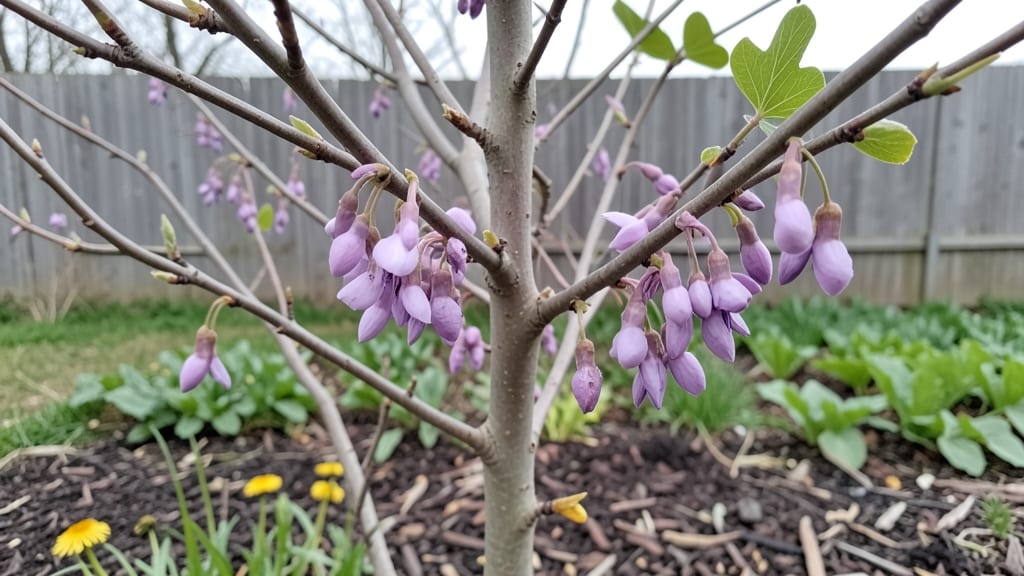
A tree blooming pink flowers in your Pacific Northwest garden isn’t just a dream—it’s a frost-resistant reality with the right choices. 🌸 I’ve seen these starburst canopies transform yards from ordinary to showstopping, especially when paired with the region’s lush greenery.
The key? Trees like the Korean dogwood or Pacific dogwood that thrive in cooler climates and burst with color even after chilly nights.
These trees aren’t just pretty—they’re low-maintenance workhorses that handle rain, wind, and even light frost. Plant them near patios or entryways where their cascading blooms create a welcoming focal point. Pair them with ferns, rhododendrons, or hellebores for a layered look that stays vibrant from spring through early summer.
Imagine waking to soft pink hues peeking through morning mist, then watching the blooms fade into textured foliage that keeps the drama going. The best part? These trees grow into shade-providing giants, giving you both beauty and function.
Whether you’re designing a cottage garden or a modern landscape, they’re the secret weapon for year-round interest.
For Pacific Northwest gardens, timing matters—plant in early fall for established roots before winter. And if you love color combos, try mixing with white-flowering trees or deep purple foliage for a striking contrast. The possibilities are endless once you pick the right tree for your space.
📚 In This Guide
- What you need
- Instructions
- Tips and common mistakes
- Wrapping up and next steps
What you need
- ● Tree sapling: 1–3 frost-hardy pink-blooming trees (e.g., Amelanchier, Prunus serrula, or Cercis canadensis ‘Alba’). Choose a 1–3 gallon container-grown specimen (3–6 ft tall) for best establishment.
- ● Well-draining soil: Mix 50% native soil, 30% compost, and 20% perlite/sand (1–2 cubic yards per tree). Pacific Northwest clay? Amend with peat moss for aeration.
- ● Organic mulch: 3–4 inches of cedar chips or pine bark (avoid dyed mulch—it’s toxic!). Cover a 3-foot radius around the base.
- ● Slow-release fertilizer: 10-10-10 or 5-10-10 (organic options like fish emulsion or kelp meal work too!). Use 1 lb per inch of trunk diameter at planting.
- ● Shovel & spade: Round-point shovel (for digging) and transplanting spade (to minimize root damage).
- ● Pruners: Bypass pruners (for clean cuts) + loppers (if branches are thick). Sterilize with rubbing alcohol before use!
- ● Garden hose or watering can: 5-gallon capacity for deep watering. A soaker hose is a game-changer for new plantings.
- ● Garden gloves: Heavy-duty (nitrile-coated for durability) to protect against thorns (some Prunus species have them!).
- ○ Staking system (optional but helpful): 2–3 wooden stakes + flexible tree ties (if planting in windy areas).
- ● Sunlight: 6+ hours of full sun per day. Partial shade (4–6 hours) is tolerable but may reduce bloom intensity.
- ● pH & soil test: Ideal pH: 6.0–7.0. Test your soil with a home kit or send a sample to your local extension office (PNW’s acidic soils often need lime amendments).
- ● Water source: Ensure consistent access to water for the first 2 growing seasons (drought stress = fewer blooms!).
- ● Pest/disease prevention: Neem oil (for aphids) and copper fungicide (to prevent leaf spot). Keep on hand before planting.
- ● Tree guard: Plastic spiral wrap to protect young trunks from voles/squirrels.
- ● Mulch volcano blocker: 6-inch ring of rocks around the trunk to prevent mulch from touching bark (reduces rot).
- ● Drip irrigation kit: Automates watering and saves time (ideal for larger gardens).
- ● Frost cloth: Lightweight row cover for young trees during late frosts (24–36 inches width).
Step-by-step guide to planting a frost-resistant pink-flowering tree
Here’s how to establish a stunning, resilient tree that thrives in Pacific Northwest’s chilly climate.
🌱 Step 1: Choose and Prepare the Planting Site
Select a location with partial sun to full sun—at least 6 hours of sunlight daily—and well-draining soil. The tree’s starburst canopy will shine best in open spaces where it can spread naturally. Avoid low spots where frost lingers or water pools, as soggy roots invite rot.
Test your soil’s drainage by digging a 12-inch hole and filling it with water. If it drains in under 30 minutes, the site is ideal. If not, amend the soil with 3-4 inches of compost (from your materials list) to improve aeration. I always mix in a handful of bone meal at planting time—it boosts root development and frost hardiness.
🪴 Step 2: Dig and Plant the Tree
Dig a hole twice as wide as the root ball but no deeper—this prevents soil compaction around the roots. Gently loosen the tree’s roots if they’re circling tightly (a common nursery issue). Place the tree in the hole so the top of the root ball sits 1 inch above ground level—this prevents water from pooling at the base during heavy rains.
Backfill with the native soil, tamping lightly every 3 inches to remove air pockets. Water deeply to settle the soil, then add a 3-inch layer of mulch (from your materials list) around the base, keeping it 6 inches away from the trunk. This insulates roots in winter and retains moisture in summer. Avoid piling mulch against the trunk—it traps moisture and invites disease.
☀️ Step 3: Water and Protect Through Establishment
Water the tree deeply every 5-7 days for the first 6 months, ensuring the soil stays 2-3 inches moist but not soggy. A drip irrigation system (if available) is ideal—it delivers consistent moisture without wetting the foliage, which reduces fungal risks. Young trees need 20-30 gallons of water per week during dry spells.
In the first winter, wrap the trunk with tree guard (if using) to protect it from animal damage and fluctuating temperatures. Prune any dead or crossing branches in late winter, but avoid heavy pruning—this stresses the tree when it’s just waking up from dormancy. The goal is to encourage a balanced, open canopy that lets sunlight reach lower branches for even flowering.
⏰ Step 4: Maintain for Long-Term Frost Resistance
Apply a balanced fertilizer (like 10-10-10) in early spring and again in mid-summer, following label rates. This supports steady growth without encouraging tender, frost-sensitive shoots. Monitor for aphids or scale—common pests on flowering trees—and treat early with neem oil (if needed). A healthy tree resists pests better than a stressed one.
By year three, your tree should establish a frost-resistant framework with vibrant pink blooms. Prune lightly in late winter to shape the canopy, but avoid heavy cuts—this disrupts the tree’s energy reserves just as it’s preparing for spring growth. With proper care, your tree will become a showstopping Pacific Northwest landmark for decades.
Tips & tricks for perfect pink-flowering tree planting
Here's what I've learned after planting these showstopping trees in my own Pacific Northwest yard—tricks that make all the difference for vibrant blooms and frost resilience.
Site Selection Secret: The 6 hours of sunlight requirement isn't just about blooms—it's about preventing winter dieback. I've seen trees planted in "mostly sunny" spots (under 6 hours) struggle with weak canopies and poor flowering. If your yard has limited sun, choose the southernmost location possible and consider a smaller variety with slightly lower light needs. The starburst canopy you're after needs that full sun to develop properly.
Root Ball Preparation: Before planting, soak the root ball for 1-2 hours in a bucket of water—this prevents transplant shock. I also make a small slit in the bottom of the root ball with a knife if it's tightly bound, which helps roots spread faster. This is especially important in our damp climate where roots need to establish quickly to avoid waterlogging. The goal is to mimic natural root spread as closely as possible.
Mulching Mastery: That 3-inch layer of mulch isn't just decoration—it's your tree's winter blanket. I always use coarse wood chips rather than fine mulch because they insulate better and resist compaction. The key is to maintain that 6-inch clearance from the trunk—this prevents moisture buildup that can rot the bark. In our rainy winters, proper mulching can mean the difference between a thriving tree and one struggling with fungal issues.
Watering Wisdom: The 5-7 day watering schedule assumes average Pacific Northwest rainfall. During our dry summers, I've found that checking soil moisture with a trowel is more reliable than counting days. Stick the trowel 2-3 inches deep—if it comes out dry, it's time to water. The 20-30 gallons per week is a guideline, but your tree's actual needs depend on soil type and weather. Sandy soils dry faster and need more frequent watering.
Pro Tips for Tree Blooms Pink Flowers
- Here's what I've learned after planting these showstopping trees in my own Pacific Northwest yard—tricks that make all the difference for vibrant blooms and frost resilience.
- Site Selection Secret: The 6 hours of sunlight requirement isn't just about blooms—it's about preventing winter dieback.
- Root Ball Preparation: Before planting, soak the root ball for 1-2 hours in a bucket of water—this prevents transplant shock.
Frequently asked questions
Got questions about growing a stunning tree with pink flowers that thrives in the Pacific Northwest’s chilly climate? You’re in the right place! Here are answers to the most common queries—from timing to troubleshooting—so you can create your dream frost-resistant canopy with ease.
When do pink-flowering trees bloom in the PNW?
Most frost-resistant pink-flowering trees, like Amelanchier alnifolia (Saskatoon berry) or Prunus serrulata ‘Kanzan’, bloom in early to mid-spring (March–April), often before leaves emerge. Cooler PNW climates may delay blooms slightly, but these varieties are bred to handle light frosts (20°F) without damage.
Are these trees truly frost-resistant? What’s the trick?
Yes! Trees like Cercis canadensis ‘Alba’ (white flowering dogwood) or Magnolia ‘Pinkie’ survive down to -15°F once established. The secret? Plant in well-draining soil, mulch heavily in winter, and avoid late-spring frosts by choosing early-blooming cultivars. Young trees may need burlap wraps for extra protection.
What’s the best pink-flowering tree for small yards?
For compact spaces, opt for Amelanchier lamarckii (20–30 ft tall) or Cornus mas (dogwood, 15–20 ft). Both offer vibrant pink blooms, edible berries (for Amelanchier), and thrive in partial shade. Avoid Prunus cherries—they’re larger and need more space.
My pink-flowering tree isn’t blooming! What went wrong?
Common culprits: over-fertilizing with nitrogen (promotes leaves, not flowers), poor sunlight (most need full sun), or stress from drought/transplant shock. Prune in late winter to encourage blooms, and ensure 6+ hours of sun daily. If the tree is young, patience!—some take 3–5 years to flower.
Can I grow pink-flowering trees in containers?
Dwarf varieties like Cercis ‘Lavender Twist’ or Prunus ‘Shirotae’ (Japanese cherry) adapt well to 5-gallon+ containers. Use fast-draining mix (cactus soil + perlite) and repot every 2–3 years. Winterize with insulation wraps and move to a sheltered spot.
Still stumped? Drop your specific tree type or PNW zone in the comments—we’re happy to help!
Wrapping up and next steps
Watching a tree bloom pink flowers in the Pacific Northwest’s chilly climate isn’t just a dream—it’s a reality with the right choices! From the hardy Amelanchier to the vibrant Cercis canadensis, these frost-resistant beauties bring color, texture, and life to your garden year after year.
Whether you’re a seasoned gardener or just starting, these trees offer low-maintenance elegance and a splash of seasonal joy.
Ready to transform your outdoor space? Start small: research one tree that fits your yard’s size and sunlight, then plant it this spring! 🌱 Your future self—and your neighborhood—will thank you.