
Trees
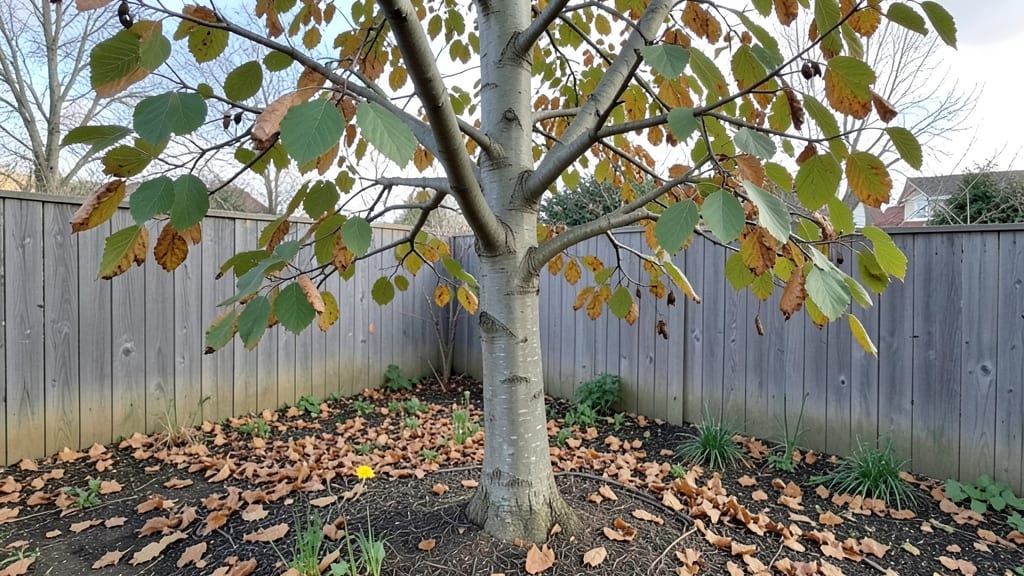
When your tree starts dropping leaves unexpectedly, it’s not just an eyesore—it’s a cry for help. 🌳 I’ve seen firsthand how a few simple checks can turn a messy yard into a thriving one, whether it’s adjusting water, fighting pests, or fixing soil issues.
The key is acting before the problem spreads.
Start by checking the leaves: yellowing? Brown spots? Or just falling without warning? Each clue points to a different fix—like deep watering for drought stress or neem oil for pests. My 5-minute diagnostic saved my oak last fall, and it can work for yours too.
📚 In This Guide
- What you need
- Instructions
- Tips and common mistakes
- Wrapping up and next steps
What you need
- ● Heavy-duty trash bags – 5–10 bags (30–50 gallon size, reinforced for durability). Pro tip: 💡 Opt for biodegradable bags if composting!
- ● Rake – 1 (bend-resistant, 24–36" width, with sturdy tines for thick leaf piles). Pro tip: 🌡️ A leaf blower attachment can save time if you have one!
- ● Garden gloves – 1 pair (waterproof, cut-resistant for protection).
- ● Wheelbarrow or large bin – 1 (for hauling leaves to disposal/compost areas).
- ● Pruners or shears – 1 pair (for trimming stubborn branches if needed).
- ● Safety gear – 1 pair of safety glasses and ear protection (if using power tools).
- ● Leaf vacuum or blower – Speeds up cleanup for large areas.
- ● Compost bin – Turn leaves into nutrient-rich mulch!
- ● Knee pads – For comfort during long raking sessions.
- ● Work boots – For stability on wet or uneven ground.
- ● Helpful neighbor/friend – Makes heavy lifting a breeze! 😉
How to manage falling leaves and protect your yard
Here's the simple approach I use to keep my yard clean and healthy while preventing leaf buildup.
🌿 Step 1: Understand Why Leaves Fall and When to Act
Most deciduous trees drop leaves naturally in fall, but excessive shedding can happen anytime due to stress, pests, or disease. Watch for clusters of leaves falling in one season—that's your cue to investigate. Healthy trees shed gradually over weeks; sudden heavy drops mean something's wrong.
I check the soil moisture first—dry spells or sudden watering changes stress roots, triggering leaf drop. Also, inspect for pests like spider mites or aphids on the undersides of leaves. If you see webbing or tiny bugs, that’s your first clue.
💧 Step 2: Adjust Watering and Soil Care
If your tree is dropping leaves due to drought stress, water deeply once a week until the soil is moist 12 inches down. Use a soil probe or dig a small hole to check—dry soil at this depth means roots aren’t getting enough moisture. Avoid shallow watering; it only wets the surface and encourages shallow root growth.
For trees with waterlogged roots, improve drainage by adding 2-3 inches of compost around the drip line (the edge of the tree’s canopy). This helps roots breathe and reduces stress. Mulch with 3-4 inches of organic mulch (like wood chips) to retain moisture and regulate soil temperature.
✂️ Step 3: Prune Strategically to Reduce Leaf Drop
Thinning out crowded branches in late winter or early spring reduces stress on the tree. Focus on removing dead, diseased, or crossing branches—these compete for resources and can trigger leaf drop. Use clean, sharp pruners to make cuts just outside the branch collar (the swollen area where the branch meets the trunk).
Never remove more than 25% of the tree’s canopy at once. Over-pruning shocks the tree and leads to excessive leaf drop. If you’re unsure, hire an arborist—proper pruning makes a huge difference in long-term health.
🪴 Step 4: Use Mulch and Ground Covers to Catch Falling Leaves
Spread a 3-4 inch layer of mulch under the tree’s canopy to protect roots and reduce leaf buildup. I use shredded bark or wood chips because they break down slowly and improve soil over time. Keep mulch 6 inches away from the trunk to prevent rot.
For heavy leaf drop, lay down cardboard or landscape fabric under the tree in fall. This catches leaves and prevents them from smothering grass or compacting soil. Remove leaves weekly to keep the area tidy—wet leaves left too long can harbor fungi and pests.
⏰ Step 5: Monitor and Maintain Year-Round
Check your tree every 2-4 weeks during growing seasons for new signs of stress. Healthy leaves should be vibrant and firmly attached—if they pull off easily, the tree needs attention. Fertilize in early spring with a balanced, slow-release fertilizer to support new growth.
Real talk: Some leaf drop is normal, but sudden changes mean your tree is asking for help. The key is catching issues early—whether it’s adjusting water, pruning, or just keeping the area clean. A little maintenance now saves hours of cleanup later.
Tips & tricks for managing falling leaves
A few simple strategies can transform leaf cleanup from a chore into easy maintenance.
Seasonal Timing: Start your leaf management routine in early fall when trees begin shedding. This gives you a head start on preventing buildup. I always set reminders for late September to begin weekly leaf removal—it's when most deciduous trees peak their natural drop. The key is consistency; don't wait until leaves smother your lawn or create slip hazards.
Equipment Upgrade: Invest in a lightweight leaf rake with a fine-toothed head for collecting leaves without tearing grass. I use a plastic rake because it's easier to clean and won't rust. For larger areas, consider a leaf blower—just be mindful of neighbors and use it early in the day when wind conditions are calm. The right tool makes all the difference in reducing cleanup time.
Composting Strategy: Instead of bagging leaves, create a leaf compost pile in your yard. Shred leaves first with a lawn mower (this speeds up decomposition) and mix with grass clippings. I keep mine in a designated corner near my garden—it becomes rich humus by spring. This not only reduces waste but also gives you free fertilizer for next year's plants.
Pest Prevention: Wet leaves create the perfect breeding ground for slugs, snails, and fungi. After each rain, I make it a point to clear leaves from garden beds and flower areas. A quick sweep with a broom or leaf rake prevents these pests from becoming a bigger problem. This simple habit saves me from dealing with damaged plants later in the season.
Pro Tips for Tree Dropping Leaves
- A few simple strategies can transform leaf cleanup from a chore into easy maintenance.
- Seasonal Timing: Start your leaf management routine in early fall when trees begin shedding.
- Equipment Upgrade: Invest in a lightweight leaf rake with a fine-toothed head for collecting leaves without tearing grass.
Frequently asked questions
Got questions about why your trees are dropping leaves—or how to handle the mess? You’re not alone! Here are some of the most common concerns, answered clearly and concisely to help you tackle the problem like a pro.
Why is my tree dropping leaves early?
Early leaf drop is often a sign of stress from drought, pests, disease, or nutrient deficiency. It can also happen if the tree is transitioning to dormancy early due to weather changes. Check for yellowing leaves, holes, or wilting branches—these clues can help pinpoint the issue. If the problem persists, consult a local arborist for a diagnosis.
How can I stop leaves from piling up in my yard?
Prevent leaf buildup with a few simple tricks: mulch leaves (they’ll break down naturally), use a leaf blower or rake regularly, or invest in a mulching mower to shred leaves into the lawn. For heavy leaf producers, consider installing gutter guards to reduce runoff from roofs. A little prevention goes a long way!
When is the best time to clean up fallen leaves?
The ideal time to remove leaves is after they’ve fallen but before winter (typically late fall). This prevents mold growth, pests, and smothering grass. If leaves accumulate on lawns, tackle them every 1-2 weeks during peak drop season. Pro tip: Compost the leaves—they’re nutrient-rich for your garden!
Are there trees that drop fewer leaves?
Yes! If you’re tired of leaf cleanup, opt for evergreen trees (like pines or spruces) or deciduous varieties with smaller canopies, such as Japanese maples or dwarf fruit trees. Even among deciduous trees, some (like serviceberry or witch hazel) have finer foliage that sheds less messily. Always research a tree’s mature size and leaf habits before planting!
Can fallen leaves attract pests or rodents?
Wet leaves create moist, sheltered spots that attract slugs, snails, and rodents (like mice or voles). To deter pests: keep leaves raked up, avoid piling them near your home’s foundation, and consider natural repellents like cedar mulch or diatomaceous earth. A clean yard = fewer unwanted visitors!
Wrapping up and next steps
Seeing trees dropping leaves can feel like a seasonal challenge—but it doesn’t have to be! With the right tools and a little prep, you can keep your yard clean and safe with ease.
Whether you’re tackling a small garden or a sprawling landscape, consistency is key to staying ahead of the fall cleanup game.
Ready to take action? Grab your supplies, schedule a quick check-in every few weeks, and watch the difference! 🌳✨ Your future self (and your lawnmower) will thank you.