
Pruning
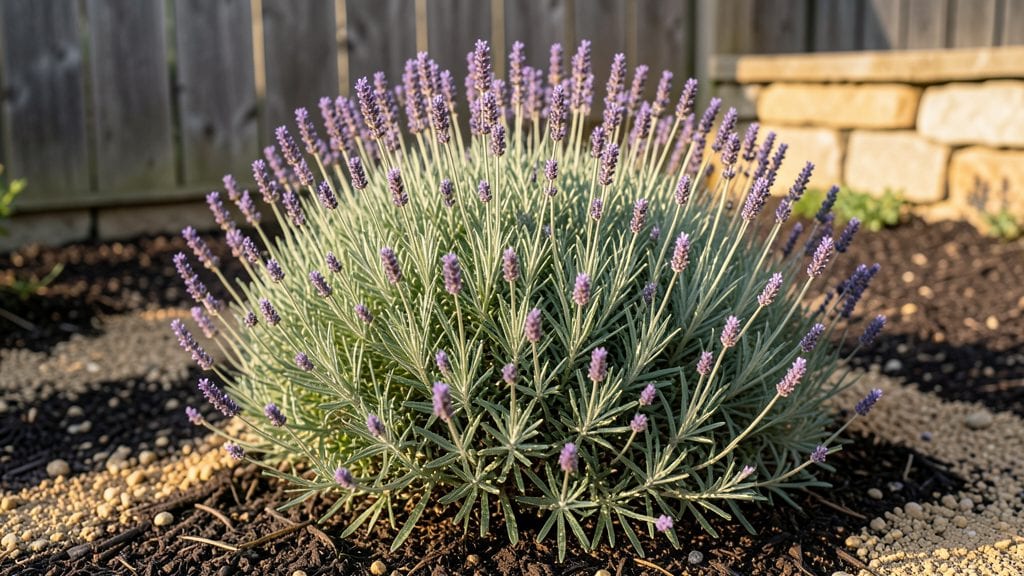
Creating tree form lavender transforms your Pacific Northwest garden into a fragrant vertical masterpiece that thrives year-round. 🌿 The secret lies in selecting the right variety—like 'Hidcote' or 'Grosso'—and pruning techniques that encourage that iconic, woody trunk while maintaining lush foliage.
I’ve shaped mine into a striking focal point that smells like a Provençal summer even in rainy Seattle winters.
The process starts with well-draining soil and full sun—critical for lavender’s health—then moves to strategic pruning after flowering. You’ll need sharp shears, a sturdy stake for support, and patience as the plant develops its signature silhouette over 2-3 years.
The result? A 4-6 foot aromatic tree that outshines traditional shrubs with its layered branches and silvery-blue foliage.
Once established, tree form lavender demands minimal care: occasional pruning to maintain shape, moderate watering (never soggy soil), and no fertilizer. The payoff? A fragrant, drought-tolerant centerpiece that attracts pollinators and repels pests—all while requiring less space than you’d expect. Your neighbors will ask how you did it.
Perfect for Pacific Northwest gardens where traditional lavender struggles in cooler climates, this method works equally well in containers or as a standalone specimen. The key is consistency: prune at the right time, and you’ll have a year-round fragrant statement piece that outperforms any nursery-bought shrub.
📚 In This Guide
- What you need
- Instructions
- Tips and common mistakes
- Wrapping up and next steps
What you need
- ● Lavender plants: Choose dwarf or compact varieties like Lavandula angustifolia 'Hidcote' or 'Munstead' (3-5 plants per tree form, spaced 12-18 inches apart).
- ● Well-draining soil: Mix 50% native soil with 50% coarse sand or perlite (avoid clay-heavy soil!).
- ● Pruning shears: Sharp, bypass-pruners (size 6-8 inches) for precise cuts.
- ● Garden gloves: Heavy-duty, cut-resistant gloves to protect your hands.
- ● Stakes & twine: 3-4 bamboo stakes (3-4 ft tall) and soft twine for support during training.
- ● Organic mulch: 2-3 inches of gravel or crushed stone (lavender hates organic mulch!).
- ● Slow-release fertilizer: Low-nitrogen, phosphorus-rich fertilizer (e.g., 5-10-10 ratio).
- ● Hand pruners for smaller trims.
- ● Hose with adjustable nozzle for gentle watering.
- ● Drip irrigation kit for consistent moisture control.
- ● Pruning sealant (for larger cuts to prevent disease).
- ● Sunlight meter to ensure your lavender gets 6+ hours of direct sun daily.
How to cultivate tree form lavender in the Pacific Northwest
This unique lavender form thrives with precise pruning and care—here's how to coax it into a stunning, fragrant tree.
🌱 Step 1: Select and Prepare Your Lavender Starter Plant
Choose a healthy English lavender (Lavandula angustifolia) or Portuguese lavender (Lavandula × intermedia) plant, as these varieties respond best to tree-form training. Look for a specimen with multiple strong stems at the base—this gives you the structural foundation for branching. I always pick plants with at least 3-4 mature stems to ensure a fuller, more stable tree shape.
Remove the plant from its container and gently tease apart the roots if they're tightly bound. This encourages outward growth rather than a single dominant stem. Trim any damaged or weak stems back to healthy growth points. The goal here is to start with a balanced plant that can support the weight of future pruning.
✂️ Step 2: Establish the Central Leader and Primary Branches
Select the strongest, most upright stem to serve as your central leader—the vertical backbone of your tree. Use sharp pruning shears to cut back all side branches on this stem to about 4-6 inches from the base. This forces the plant to focus its energy on vertical growth. I like to make these cuts just above a set of healthy leaves to encourage new growth from that point.
Next, identify 3-4 additional strong stems at the base of the plant. These will become your primary scaffold branches. Prune these back to about 2-3 inches from the base, cutting at a 45-degree angle just above a leaf node. This angled cut helps water run off and prevents rot. Space these branches evenly around the central leader—think of them as the spokes of a wheel.
☀️ Step 3: Provide Ideal Growing Conditions for Tree Formation
The Pacific Northwest's cool, moist climate poses challenges for lavender, so site selection matters. Choose a location with full sun exposure (6+ hours daily) and well-draining soil. Lavender hates soggy roots, so I always amend the soil with 1 part sand or grit to 3 parts native soil to improve drainage. If your soil is heavy clay, consider planting in a raised bed or large container with drainage holes.
Water deeply but infrequently—once a week during the first growing season, allowing the top 2-3 inches of soil to dry out completely between waterings. Overwatering is the fastest way to kill lavender, so resist the urge to keep the soil moist. Once established, tree-form lavender becomes remarkably drought-tolerant. Here's the thing—lavender's fragrance actually intensifies under drought conditions, so embrace the dry spells.
⏰ Step 4: Annual Pruning to Maintain Tree Shape
Spring is the critical time for shaping your tree-form lavender. After the last frost but before new growth begins, prune back the central leader by about one-third to encourage bushier growth. Remove any weak or crossing branches that could interfere with airflow. I always make my cuts just above a set of leaves or a bud—this ensures new growth will sprout from that point.
To maintain the tree form, focus on keeping the lower branches shorter than the upper ones. This creates that classic tiered look. Prune side branches back to about half their length each year, cutting just above a leaf node. Avoid heavy pruning in fall or winter, as lavender needs its foliage to protect it from cold temperatures. Real talk: the first year's pruning might look drastic, but you'll see fuller, more compact growth within months.
🌿 Step 5: Long-Term Care for Year-Round Beauty
Tree-form lavender rewards patience. In the Pacific Northwest, you'll need to protect your plant during winter. Once the first hard frost arrives, wrap the top of the plant with burlap or frost cloth to prevent dieback. I also add a 2-3 inch layer of mulch around the base, but keep it away from the stem to prevent rot. This insulation helps the plant survive our wet winters while maintaining its structure.
Harvest sparingly to maintain the tree form. If you do harvest, cut back individual stems to just above a leaf node, and never take more than one-third of the plant's growth in a single season. The key to a fragrant, beautiful tree-form lavender is balance—prune to shape, water wisely, and protect it from winter's worst. With consistent care, your lavender will develop a stunning, woody trunk and fragrant branches that last for years.
Tips & tricks for perfect tree form lavender
Here's what nobody tells you about transforming lavender into a stunning tree form—details that make all the difference.
Pruning Precision: When establishing your central leader in Step 2, make your cuts just above a leaf node where you see a bud forming. This ensures new growth emerges from that exact spot, creating a stronger branch structure. I've seen beginners cut too close to the node, which can leave a wound that never heals properly. The 4-6 inch cut on the central leader might seem aggressive, but trust me—it's what creates that elegant vertical backbone.
Soil Science: The 1 part sand to 3 parts native soil ratio in Step 3 is non-negotiable for Pacific Northwest gardeners. Our clay-heavy soils retain too much moisture, and lavender roots will rot if they're not breathing. If you're planting in containers, use a mix that includes perlite or pumice for even better drainage. I've had lavender plants last decades in containers because of this simple soil adjustment—it's the foundation of everything else.
Winter Protection Strategy: That 2-3 inch mulch layer in Step 5 is crucial, but placement matters just as much as depth. Keep mulch at least 2 inches away from the stem to prevent rot. I've seen gardeners pile mulch right against the trunk, which creates a perfect environment for fungal growth. The frost cloth should cover the top but leave room for airflow—think of it like a cozy blanket that still lets the plant breathe.
Pro Tips for Tree Form Lavender
- Here's what nobody tells you about transforming lavender into a stunning tree form—details that make all the difference.
- Pruning Precision: When establishing your central leader in Step 2, make your cuts just above a leaf node where you see a bud forming.
- Soil Science: The 1 part sand to 3 parts native soil ratio in Step 3 is non-negotiable for Pacific Northwest gardeners.
Frequently asked questions
Got questions about growing tree form lavender? You’re not alone!
Here are answers to the most common queries to help you cultivate this fragrant beauty with confidence.
What’s the best time of year to prune tree form lavender?
Prune your tree form lavender right after flowering (late spring to early summer) to encourage bushier growth. Avoid heavy pruning in fall or winter—lavender is sensitive to cold and needs time to harden off before dormancy. A light trim in late summer (if needed) is fine, but stop by September to prevent new growth from being damaged by frost.
How do I shape tree form lavender without killing it?
Use sharp, clean pruners and cut just above a leaf node (bud) at a 45-degree angle to promote healing. Never trim more than one-third of the plant in a single session. Focus on removing dead or leggy stems first, then lightly shape the outer edges. Pro tip: If you accidentally over-prune, don’t panic—lavender is resilient! Just reduce watering and give it time to recover.
How often should I water tree form lavender?
Tree form lavender is drought-tolerant once established (after 1–2 years). Water deeply but infrequently—about once a week in dry spells, but never let it sit in soggy soil. Overwatering is the #1 killer of lavender! Mulch lightly with gravel or pine needles to retain moisture and deter weeds without suffocating roots.
Can I grow tree form lavender in containers?
Tree form lavender thrives in containers with well-draining soil (mix potting soil with perlite or sand). Choose a pot with drainage holes and size it for the plant’s mature height (12–18 inches deep). Place it in full sun (6+ hours daily) and move indoors during winter if temps drop below 20°F. Containers dry out faster, so monitor soil moisture closely.
Why is my lavender turning brown or crispy?
Brown, crispy foliage usually means overwatering, root rot, or winter damage. Check the soil—if it’s soggy, reduce watering and ensure the pot/bed has excellent drainage. If the damage is from frost, trim dead stems in early spring. Pest alert: Rarely, spider mites or aphids attack lavender. Spray with water or neem oil if you spot tiny webs or sticky residue.
Still stumped? Drop your lavender woes in the comments—we’re happy to help!
Wrapping up and next steps
Transforming your tree form lavender into a fragrant, year-round beauty isn’t just about pruning—it’s about patience, care, and a little creative flair! 🌿 With the right tools, timing, and techniques, you’ll enjoy a stunning, low-maintenance centerpiece that thrives in the Pacific Northwest’s climate.
Whether you’re a seasoned gardener or just starting, your lavender tree is now ready to reward you with months of blooms and that signature, soothing scent.
Ready to take the next step? Share your progress with fellow gardeners, experiment with companion plants, or even propagate cuttings to expand your lavender collection! 🌸 The best part? Your hard work will keep paying off for years to come.