Pruning
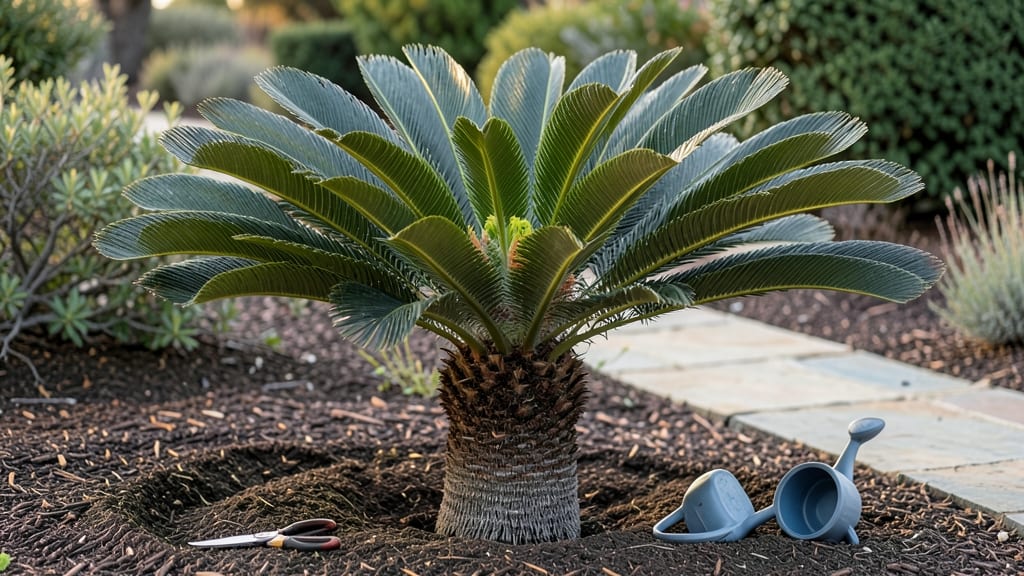
Your windmill palm tree care starts with a single, bold move: pruning the dead fronds at the base—not the top—before they turn brown. I learned this the hard way after watching my first palm struggle through winter with a tangled mess of dead leaves.
The key isn’t just cutting; it’s timing and technique that keep your palm looking sharp and healthy all year.
These palms thrive in USDA zones 7-10, but even zone 6 gardeners can grow them with winter protection. They love bright, indirect light—outdoors in partial shade or indoors near a south-facing window.
Overwatering kills them faster than cold does, so let the top 2 inches of soil dry out between waterings. Fertilize lightly in spring with a balanced palm food, and you’ll see new fronds unfurling by summer.
When done right, pruning transforms your palm from scraggly to stately in minutes. The secret is removing only the lower, dry fronds—never more than a third at once. This encourages fresh growth at the top while keeping the trunk clean.
Even indoor palms respond well, as long as you mimic outdoor conditions with humidity and light. The result? A palm that stays lush, vibrant, and full of life, no matter the season.
Cold snaps and pests are the real challenges. Windmill palms handle 20°F dips if dry, but wrap them in burlap for extra protection. Watch for spider mites on indoor plants—mist leaves weekly to deter them.
With these adjustments, your palm will reward you with year-round growth and that classic tropical look, even in cooler climates.
📚 In This Guide
- What you need
- Instructions
- Tips and common mistakes
- Wrapping up and next steps
What you need
- ● Pruning shears or loppers – Bypass pruners (for small fronds) or 20-24" loppers (for thicker stems)
- ● Heavy-duty pruning saw – 8-10" curved blade for thick fronds or dead wood
- ● Work gloves – Heavy-duty, cut-resistant (e.g., Mechanix or similar)
- ● Safety glasses – To protect against debris and sap
- ● Ladder or extension pole – Sturdy 12-16 ft. ladder (for tall palms) or a 10-12 ft. pole with a pruning hook
- ● Disinfectant (70% isopropyl alcohol or bleach solution) – 1 part bleach to 9 parts water (for sterilizing tools)
- ● Heavy-duty trash bags or bin – For disposing of pruned fronds (2-3 large bags)
- ● Rake or broom – To clean up fallen debris
- ● Pruning rope or harness – For extra stability when working high up
- ● Handheld leaf blower – To clear debris quickly
- ● Fertilizer (palm-specific, 8-2-12 NPK ratio) – For post-pruning nourishment
- ○ Pruning sealant – For large cuts (optional, but reduces disease risk)
- ● Camera or phone – To document progress or share with a pro if needed!
Step-by-Step guide for pruning your windmill palm tree
Here's how I keep my windmill palms looking vibrant all year—simple techniques that work for any size tree.
Assess the Tree for Pruning Needs
Start by examining your windmill palm in early spring, when new growth begins. Look for dead or brown fronds that hang limply—these are your first targets. Healthy fronds should be green and slightly leathery to the touch, while dead ones will crumble easily when you gently tug them.
I also check for fronds that are yellowing at the edges or have extensive brown patches. These indicate stress or disease and should be removed. Never prune more than one-third of the fronds at once, as this can shock the tree. Windmill palms are tough, but they still need balance to thrive.
Gather the Right Tools and Safety Gear
You'll need a sharp pruning saw for thicker fronds and clean, bypass pruners for finer cuts. I always sterilize my tools with rubbing alcohol before and after pruning to prevent spreading disease. Wear gloves—palm fronds can be razor-sharp, and the sap can irritate skin.
Safety first: Wear protective eyewear and long sleeves to shield against debris. Windmill palms can be aggressive when pruned, so I work on a clear day when the tree is stable. If your tree is near power lines or tall structures, consider hiring a professional—these palms grow fast and can get heavy.
Remove Dead or Damaged Fronds Properly
Begin by cutting each frond at its base, just above the leaf collar where it meets the trunk. Make a clean, 45-degree angle cut to prevent water from pooling and causing rot. Avoid leaving stubs—they can trap moisture and attract pests. For larger fronds, use the pruning saw to cut through the thick base in smooth, controlled strokes.
After removing a frond, I inspect the cut area for signs of disease or insect activity. If you see black or oozing spots, disinfect the tool again and consider treating the wound with copper fungicide to prevent further issues. Once all dead fronds are gone, the tree’s energy can focus on new, healthy growth.
Thin Out Overcrowded or Weak Fronds
Even healthy fronds sometimes need thinning to improve airflow and sunlight penetration. Look for fronds that are growing too close together or are smaller and weaker than others. These are prime candidates for removal. I prioritize the innermost fronds first, as they often get shaded and struggle to thrive.
Use the same cutting technique as before—clean cuts at the base. Avoid over-pruning in one session; spread it out over 2-3 weeks if needed. You’ll notice the tree’s canopy opens up, allowing more light to reach the center. This reduces the risk of fungal issues and encourages stronger new fronds to develop.
Clean Up and Monitor for Recovery
After pruning, gather all the debris and dispose of it in a sealed bag—never leave fronds on the ground, as they can harbor pests or diseases. I also wipe down the trunk with a damp cloth to remove any lingering sap or debris. This keeps the tree looking tidy and reduces the risk of infections.
Over the next 4-6 weeks, watch for new fronds to emerge from the center of the palm. These will be your signal that the tree is recovering well. If you see yellowing or wilting on the remaining fronds, it might be a sign of over-pruning or stress. In that case, hold off on further cuts and focus on consistent watering and balanced fertilization to help the tree bounce back.
Tips & tricks for pruning your windmill palm tree
Here's what I've learned through years of keeping my windmill palms thriving—simple tricks that make all the difference in their long-term health.
Timing is Everything: Early spring is the absolute best time to prune because that's when new growth begins. This gives your palm plenty of time to recover before summer heat sets in. I've seen too many people prune in late summer or fall, and their trees struggle to bounce back before winter. The one-third rule from Step 1 is critical—if you're unsure, err on the side of caution and remove fewer fronds.
Tool Care Prevents Problems: Sterilizing your tools with rubbing alcohol isn't just about disease prevention—it's about keeping your cuts clean. I've ruined perfectly good pruning sessions because I skipped this step and ended up with infected cuts. For stubborn fronds, I find that a sharp pruning saw makes all the difference. Dull tools crush the fibers instead of making clean cuts, which stresses the tree. Always carry a small bottle of rubbing alcohol in your tool bag for quick sterilization between cuts.
Visual Cues for Healthy Cuts: When making that 45-degree angle cut in Step 3, imagine you're slicing a pie—just above the leaf collar, not too close to the trunk. The cut should be smooth and clean, not jagged. If you see black or oozing spots after cutting, that's your signal to disinfect again and consider applying copper fungicide. I've learned the hard way that ignoring these signs leads to bigger problems down the road.
Recovery Monitoring: Those 4-6 weeks after pruning are crucial for monitoring recovery. Set a reminder to check your tree every week during this period. New fronds emerging from the center are a great sign, but watch for any yellowing or wilting on remaining fronds—this could mean you've over-pruned. In that case, focus on consistent watering and balanced fertilization to help your tree recover its strength.
Pro Tips for Windmill Palm Tree Care
- Here's what I've learned through years of keeping my windmill palms thriving—simple tricks that make all the difference in their long-term health.
- Timing is Everything: Early spring is the absolute best time to prune because that's when new growth begins.
- Tool Care Prevents Problems: Sterilizing your tools with rubbing alcohol isn't just about disease prevention—it's about keeping your cuts clean.
Frequently asked questions
Got questions about keeping your windmill palm tree thriving? You’re not alone—these tropical beauties need a little extra TLC to stay lush and healthy. Below, we’ve rounded up the most common questions (and answers!) to help you prune with confidence.
How often should I prune my windmill palm tree?
Prune your windmill palm once a year, ideally in late winter or early spring before new growth begins. This timing ensures you remove dead fronds without stressing the tree during dormancy. Skip heavy pruning in summer—it can slow growth or attract pests. Light trimming for safety (e.g., removing sharp fronds) is fine year-round!
What’s the best way to remove dead fronds without damaging the tree?
Use clean, sharp pruners or a handsaw to cut fronds at the base where they meet the trunk. Avoid tearing—this can leave unsightly stubs and invite disease. For stubborn fronds, score the base with a knife first to loosen it. Always disinfect tools with rubbing alcohol between cuts to prevent fungal spread. Pro tip: Wear gloves—windmill palms have spiky fronds!
Can I prune a windmill palm in full sun or shade?
Prune in morning sunlight (before 10 AM) to avoid heat stress on the tree. If your palm is in partial shade, wait until it’s fully acclimated to sunlight post-pruning—otherwise, sudden exposure can scorch new growth. Avoid pruning on windy days; secure loose fronds with twine temporarily if needed.
What should I do if my windmill palm turns yellow after pruning?
Yellowing fronds are normal if they’re old or diseased, but excessive yellowing post-pruning may signal over-trimming. Focus on removing only dead/damaged fronds—never cut more than 1/3 of the fronds at once. Check for pests like palm weevils or nutrient deficiencies (e.g., potassium). If yellowing persists, adjust watering—windmill palms hate soggy roots!
Are there alternatives to pruning if my windmill palm is too large?
If your palm is oversized for its space, consider gradual shaping over 2–3 years instead of drastic cuts. For safety hazards, remove only the lowest, sharpest fronds to reduce risk without altering the tree’s structure. If the palm is beyond saving, consult a local arborist—some windmill palms can be safely removed and replaced with dwarf varieties like Trachycarpus fortunei.
| Quick Troubleshooting | Likely Cause | Fix It! |
|---|---|---|
| Brown tips on fronds | Underwatering or fluoride buildup | Water deeply 2x/week; flush soil with rainwater to remove salts. |
| Blackened fronds | Fungal disease (e.g., Ganoderma) | Prune infected fronds immediately; apply copper fungicide. |
| Slow growth after pruning | Over-pruning or poor nutrients | Fertilize with palm-specific food (high in potassium); avoid heavy pruning next year. |
Wrapping up and next steps
Caring for your windmill palm tree is all about consistency and attentiveness—pruning at the right times, using the proper tools, and understanding its unique needs. With these tips, your palm will thrive year-round, showcasing vibrant fronds and robust growth that’s the envy of any landscape. 🌿✨
Now that you’re armed with the know-how, roll up your sleeves and schedule your next pruning session. Start small—even just trimming a few fronds can make a difference—and soon, your windmill palm will reward you with lush, healthy beauty. Happy gardening!