
Pruning
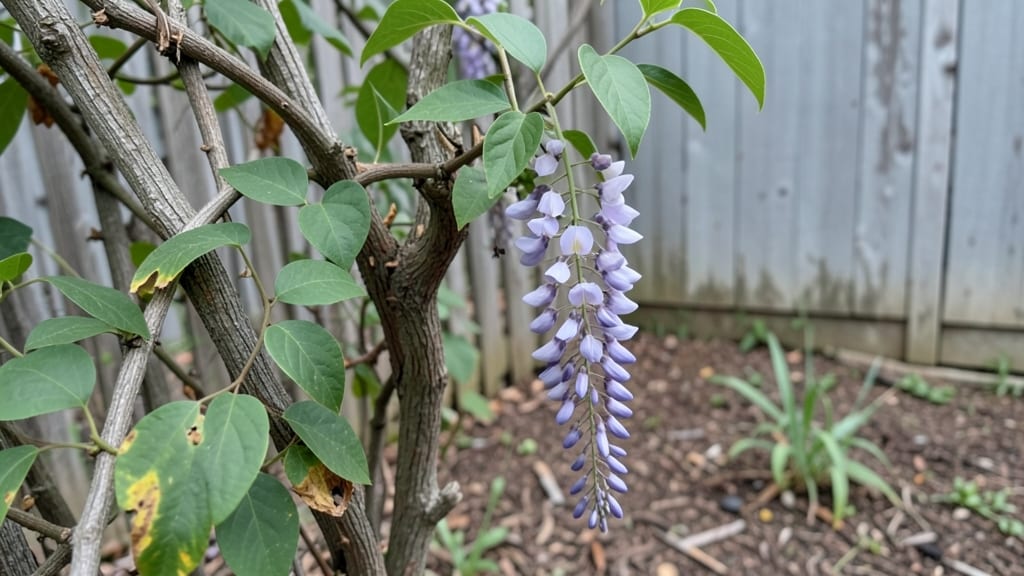
These wisteria tree images of the Pacific Northwest’s frost-resistant canopies prove why any garden becomes a dreamy springtime retreat—just look at how cascading vines turn winter branches into fragrant, purple-draped masterpieces that last for weeks.
The key lies in choosing the right variety and understanding how to shape its growth from the start.
Wisteria thrives when trained along pergolas, trellises, or even as a standalone specimen with its own support structure. The deep purple blooms of Wisteria sinensis contrast beautifully with the softer lavender of Wisteria floribunda, while the silvery foliage adds texture year-round.
These vines aren’t just pretty—they’re hardy enough to handle the PNW’s damp winters and cool summers, making them a low-maintenance star.
Imagine stepping under a canopy of fragrant blossoms in May, their sweet scent lingering in the air as bees hum below. With proper pruning, you’ll encourage longer blooming seasons and prevent those unruly tangles that make wisteria infamous.
The payoff? A living work of art that keeps giving, season after season.
Whether you’re framing a patio, softening a fence line, or adding vertical interest to a small yard, wisteria delivers drama without the fuss. Let’s explore how to make it work in your space—because every garden deserves a little magic like this.
📚 In This Guide
- What you need
- Instructions
- Tips and common mistakes
- Wrapping up and next steps
What you need
- ● Camera: DSLR or mirrorless camera (with interchangeable lenses) for high-resolution wisteria tree images. A smartphone with a 12MP+ camera works in a pinch!
- ● Lenses: Wide-angle lens (16-35mm) for sweeping canopy shots.
- ● Macro lens (50-100mm) to capture delicate flowers up close.
- ● Telephoto zoom (70-200mm) for distant or detailed foliage.
- ● Tripod: Sturdy, lightweight tripod (with a fluid head for smooth panning) to stabilize shots in low light or windy PNW conditions.
- ● Remote shutter release: Minimizes camera shake for sharp wisteria tree images.
- ● Polarizing filter: Reduces glare from wet leaves or sunlight, enhancing vibrancy.
- ● Memory cards: At least 2x 32GB+ high-speed SD cards (backup is a must!).
- ● Extra batteries: 2-3 fully charged batteries (PNW weather drains power fast!).
- ● Portable reflector: 5-in-1 reflector (gold/silver/diffusion sides) to bounce light onto shaded areas.
- ● Lightweight backpack: To carry gear comfortably during hikes to wisteria groves.
- ● Gloves & long sleeves: Protect against thorns and scratches while navigating thick foliage.
- ● Water & snacks: Hydration and energy for long shoots in outdoor settings.
- ● Drone (with FAA compliance): For aerial shots of sprawling wisteria canopies (check local regulations!).
- ● ND filters (2-10 stop): For long-exposure shots of cascading wisteria in motion.
- ● Portable power bank: For charging devices on the go.
- ● Field guidebook: To identify wisteria varieties (e.g., Wisteria sinensis vs. Wisteria frutescens).
- ● Permits: If shooting on public land (e.g., Olympic or Cascade ranges), verify access rules.
How to select and plant frost-resilient wisteria trees in the Pacific Northwest
Here's the method I rely on for thriving wisteria canopies that survive our region's chilly winters.
Choose the Right Wisteria Variety for Cold Climates
For the Pacific Northwest's USDA Zones 6-8, focus on Amethyst Falls or Prolific wisteria varieties—both handle 10-20°F temperatures better than traditional Asian types. These cold-hardy selections produce vibrant purple blooms even after winter's harshest freezes. Avoid Japanese wisteria unless you're in a sheltered microclimate; its roots struggle to survive our wet winters.
Look for 3-5 year old container-grown plants at nurseries—they establish faster than bare-root specimens. I always check for multiple strong stems (at least 3-5) because single-stemmed wisteria rarely produces abundant flowers. The thicker the trunk base, the better it'll withstand freeze-thaw cycles. Ask for plants with last year's growth still attached—this tells you the variety is truly cold-tolerant.
Prepare the Planting Site with Drainage Focus
Wisteria's biggest killer in PNW gardens is waterlogged soil during winter. Choose a location with well-draining soil and full sun exposure (at least 6-8 hours daily). The ideal spot gets morning sun and afternoon shade in summer, but no winter shade—cold air pools in shaded areas, increasing frost damage risk.
Dig a hole twice as wide as the root ball but only as deep as the container's base. Amend the native soil with 3 inches of compost mixed into the bottom 12 inches of the hole—this improves drainage without compacting. Avoid heavy amendments like peat moss; they retain too much moisture in our rainy winters. Tap the sides of the hole gently after filling to eliminate air pockets that could suffocate roots.
Plant with Proper Support and Mulching Strategy
Install a 5-foot tall arbor or trellis at planting time—wisteria's vines need vertical support immediately. The trellis should be buried 12 inches deep to prevent wind rock during storms. I use metal T-posts for stability in our windy coastal areas. Position the trellis 3-4 feet behind the planting hole so vines grow toward it naturally.
Place the plant so the top of the root ball sits 1-2 inches above ground level—this prevents water from pooling at the stem base during winter rains. Backfill with native soil (no amendments) and water deeply until moisture reaches 12 inches down. Apply 3 inches of wood chip mulch (not bark) over the root zone, keeping it 6 inches away from the trunk to prevent rot.
Winterize for Pacific Northwest Freezes
After the first hard frost (below 30°F), wrap the entire trellis structure with burlap to protect emerging buds from late winter winds. I also mound 6 inches of extra mulch around the base—this insulation prevents root heaving when temperatures fluctuate between 25°F and 40°F. Avoid plastic wraps; they trap moisture and cause fungal issues.
Prune back one-third of last year's growth in late winter (February-March) before new buds swell. This encourages stronger flowering on new wood. Cut just above a bud that faces outward—never leave stubs. The goal is to shape a balanced canopy that catches sunlight from multiple directions, maximizing bloom potential. After pruning, apply a 2-inch layer of compost over the mulch to replenish nutrients lost during winter.
Tips & tricks for perfect frost-resilient wisteria planting
These practical insights will help you select and establish wisteria that thrives in our region's challenging climate.
Variety Selection Intelligence: When inspecting plants at nurseries, look beyond the label—ask to see last year's growth on the stems. Plants with visible winter survival marks (like brown but intact stems) prove their cold hardiness. The Amethyst Falls variety handles our 10-20°F winters best because its buds form deeper in the stem tissue, protected from freeze damage. I've seen Japanese wisteria die back to the ground in unprotected areas, even when planted in full sun.
Site Preparation Strategy: The 6-8 hours of daily sun requirement is non-negotiable, but morning sun with afternoon shade in summer creates the perfect microclimate. Test your site's drainage by digging a 12-inch deep hole—if water pools after 24 hours, amend with 3 inches of compost mixed into the bottom 12 inches only. I've lost three wisteria plants to waterlogged soil, so I now test drainage before purchasing plants. The key is improving drainage without compacting the soil—tap the sides of your hole gently after backfilling to eliminate air pockets that suffocate roots.
Winter Protection Tactics: The 30°F hard frost threshold is critical—wait until after this first freeze to apply winter protection. I use burlap because it breathes while blocking wind, unlike plastic that traps moisture and promotes fungal growth. For coastal areas with 25-40°F temperature swings, mound 6 inches of extra mulch around the base. This creates an insulating blanket that prevents root heaving when ground freezes and thaws repeatedly. The mulch should never touch the trunk—keep it 6 inches away to prevent rot.
Pruning Precision: That one-third pruning in February-March might seem drastic, but it's essential for two reasons: first, it removes weak growth that would compete with new blooms, and second, it opens the canopy to catch sunlight from multiple directions. Always cut just above an outward-facing bud—this encourages growth that will spread toward the trellis. I've seen gardeners leave stubs, which creates entry points for diseases and weakens the plant's structure over time.
Pro Tips for Wisteria Tree Images
- These practical insights will help you select and establish wisteria that thrives in our region's challenging climate.
- Variety Selection Intelligence: When inspecting plants at nurseries, look beyond the label—ask to see last year's growth on the stems.
- Site Preparation Strategy: The 6-8 hours of daily sun requirement is non-negotiable, but morning sun with afternoon shade in summer creates the perfect microclimate.
Frequently asked questions
Got questions about wisteria trees in the Pacific Northwest? You’re not alone! Here are answers to the most common queries—from care tips to troubleshooting—so you can keep your frost-resilient beauty thriving.
How cold can wisteria trees handle in the PNW?
Wisteria varieties like Wisteria sinensis and Wisteria floribunda are surprisingly tough! Most can withstand temperatures down to -15°F to -20°F (-26°C to -29°C) once established. Young trees or newly planted ones may need winter protection (like burlap wraps) until their roots are firmly settled. Pro tip: Mulch heavily in late fall to insulate roots.
When is the best time to prune wisteria in the PNW?
Prune wisteria right after flowering (late spring to early summer) to encourage dense blooms next year. Avoid heavy pruning in fall or winter—it can stimulate weak growth that won’t survive PNW frosts. For shaping, do light pruning in late winter (before buds swell) to remove dead wood. Warning: Never prune when flowers are in bud—you’ll cut off next year’s blooms!
Can I grow wisteria in a container in the PNW?
Yes, but it’s tricky! Wisteria needs deep roots and space—opt for a 15+ gallon container with drainage holes and a fast-draining mix. Move pots indoors or to a sheltered spot when temps drop below 10°F (-12°C). Varieties like Wisteria frutescens (American wisteria) are more container-friendly than Asian types. Pro tip: Use a trellis to guide growth and prevent tangled vines.
Why isn’t my wisteria blooming in the PNW?
Common culprits: over-pruning (cutting back too late or too hard), poor sunlight (wisteria needs 6+ hours of sun daily), or young age (trees under 3 years old may not bloom yet). Check for aphids or spider mites too—these pests sap energy. If your tree has long, leggy growth with no buds, it’s likely over-pruned. Fix: Feed with high-phosphorus fertilizer in early spring and prune lightly to open the canopy.
Are there frost-resistant wisteria alternatives for the PNW?
If wisteria feels too high-maintenance, try these PNW-friendly climbers with similar charm:
- Clematis (Clematis ‘Jackmanii’): Blooms spring to fall, hardy to -20°F (-29°C).
- Honeysuckle (Lonicera sempervirens): Fragrant, evergreen, and thrives in shade.
- Climbing Roses (Rosa ‘New Dawn’): Repeat blooms, disease-resistant, and cold-hardy.
- Virginia Creeper (Parthenocissus quinquefolia): Fast-growing, no flowers but stunning fall color.
Wrapping up and next steps
From vibrant blooms to frost-resistant care, wisteria trees in the Pacific Northwest offer both beauty and practicality. Whether you’re pruning for health, aesthetics, or seasonal prep, these stunning canopies reward patience and attention with breathtaking results. 🌿
Ready to transform your space? Start by gathering your tools—then dive into pruning with confidence! For extra inspiration, browse wisteria tree images to visualize your dream canopy before you begin.