
Pruning
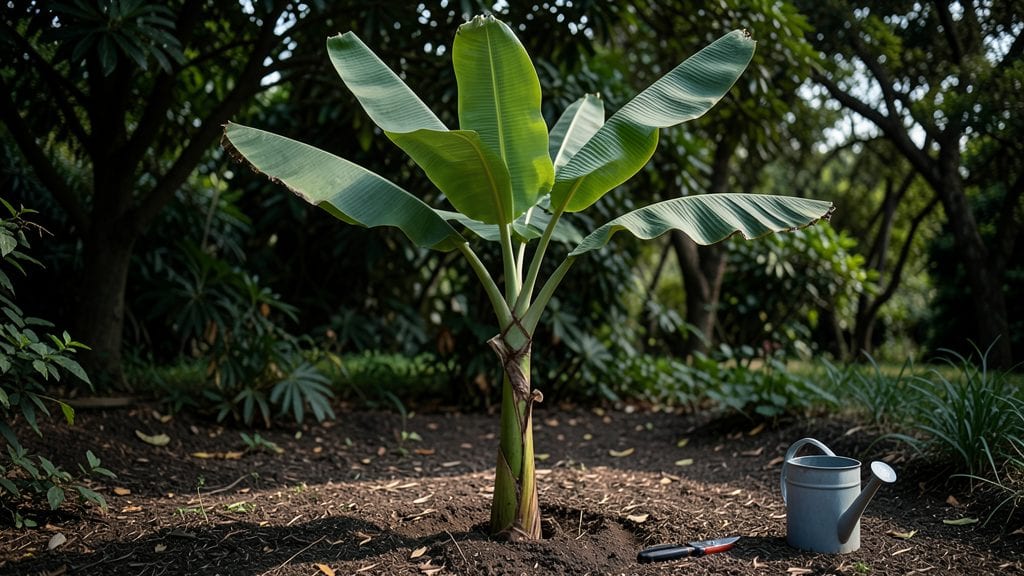
Pruning a young banana tree in the Pacific Northwest isn’t just about trimming—it’s about unlocking year-round growth when most plants take a winter break. ✨ I’ve watched my own Musa sprout new fronds in December, all because of the right cuts at the right time.
The key? Mimicking its tropical roots while working with our cooler, wetter climate.
You’ll need sharp pruners, a bucket for clippings, and a clear day to avoid fungal risks. Start by removing only the dry, yellow leaves—never more than a third of the plant at once.
The real magic happens in late winter, when you trim the sucker (the smaller shoot at the base) to one strong stem. This forces energy into the main trunk, not competing growth.
Within weeks, you’ll see bold new fronds pushing through, thicker stems, and even premature flowers in mild winters. The tree won’t just survive—it’ll thrive, producing fruit a full season earlier than unpruned plants.
And yes, even in Zone 8’s chillier pockets, this method works if you protect the crown with mulch.
Container growers, take note: Dwarf varieties like Musa acuminata ‘Dwarf Cavendish’ prune the same way but need 15-gallon pots minimum. The biggest mistake? Over-pruning. Trust the plant—it’ll tell you when it’s had enough. Now grab those shears and let’s get growing!
📚 In This Guide
- What you need
- Instructions
- Tips and common mistakes
- Wrapping up and next steps
What you need
- ● Pruning shears or loppers: Sharp, sterilized (1 pair, 6–8" blades for precision cuts)
- ● Hand pruners: Bypass-style (for smaller branches, 4–5" blades)
- ● Disinfectant (70% isopropyl alcohol or bleach solution): 1:10 dilution (to prevent disease spread)
- ● Gloves: Heavy-duty, cut-resistant (1 pair—banana sap is sticky!)
- ● Compost or mulch: Well-aged, organic (5–10 gallons for post-pruning care)
- ● Watering can or hose: With a gentle spray nozzle (for hydration after trimming)
- ● Extension pole saw: For taller trees (if your banana tree reaches 6+ feet)
- ● Rubbing alcohol wipes: For quick sterilization between cuts
- ● Plant food (balanced fertilizer, 10-10-10 NPK): 1–2 lbs (to replenish nutrients)
- ● Plastic sheeting: To protect surfaces (if pruning indoors or in high-traffic areas)
- ● Camera or phone: For before/after photos (track growth progress like a pro!)
Step-by-step guide to pruning your young banana tree
Here’s how to keep your Pacific Northwest banana tree thriving year-round with precise, climate-adapted pruning.
🌱 Step 1: Identify and Remove Dead or Diseased Fronds
Start by inspecting your banana tree for fronds that are completely brown, yellowed, or mushy at the base—these are dead or diseased and need removal. Use clean, sharp pruning shears to cut 1-2 inches above the point where the frond meets the trunk, ensuring you don’t leave stubs that can trap moisture and encourage rot.
Here’s the thing—banana trees are sensitive to over-pruning, so only remove fronds that are fully non-functional. If a frond is still green at the base but mostly brown, leave it be. You’ll know it’s ready to go when the entire leaf blade has dried out and the pseudostem feels hollow at the base.
✂️ Step 2: Prune Suckers at the Right Time and Location
Suckers—those smaller shoots growing from the base of the tree—are critical for propagation but must be managed carefully. In the Pacific Northwest’s mild winters, you can prune off all but one or two of the strongest suckers in early spring. Choose suckers that are at least 12 inches tall and growing upright; these will have the best chance of becoming vigorous replacements.
Use your shears to cut suckers at the base, leaving a clean slice. If you’re keeping a sucker for future growth, mark it with a small flag or ribbon so you don’t accidentally prune it later. This step is especially important in wet climates—too many suckers compete for resources and weaken the main plant.
☀️ Step 3: Trim Back Overly Long or Damaged Leaves
Banana trees in the Pacific Northwest can grow leggy if they don’t get enough light, especially in shaded areas. Trim back any fronds that are longer than 6 feet or show signs of excessive stretching by cutting them back to half their length. This encourages the tree to produce shorter, sturdier leaves and redirect energy to fruit production.
Focus on the outermost leaves first—these often get sunburned or torn in windy coastal areas. Avoid cutting into the pseudostem (the trunk-like structure), as this can harm the tree’s vascular system. After trimming, step back and assess the tree’s shape; you’re aiming for a balanced, open canopy that allows air to circulate.
🪴 Step 4: Clean Up and Protect the Tree for Year-Round Growth
After pruning, remove all debris from the base of the tree and surrounding area to prevent pests and diseases. In the Pacific Northwest’s damp climate, banana trees are particularly vulnerable to fungal issues, so sterilize your pruning tools with rubbing alcohol between cuts. This simple step can save your tree from costly infections.
Finally, apply a 2-inch layer of mulch around the base (but not touching the trunk) to retain moisture and regulate soil temperature. In winter, consider wrapping the base with burlap or frost cloth if temperatures dip below 30°F—banana trees are tropical and won’t tolerate frost. Monitor the tree weekly for new growth; healthy leaves should emerge within 4-6 weeks of pruning.
Tips & tricks for pruning young banana trees in Pacific Northwest climates
Pruning your banana tree right makes all the difference in the Pacific Northwest’s unique climate—here’s how to avoid common pitfalls and keep your tree thriving.
Timing is Everything: Early spring is ideal for pruning suckers, but don’t wait too long—banana trees in the Pacific Northwest can grow aggressively once temperatures rise above 50°F. If you miss the window, you risk overcrowding that weakens the main plant. I’ve seen trees go from healthy to struggling in just two months when suckers weren’t managed early enough.
Tool Prep Saves Trees: Sterilizing your pruning shears with rubbing alcohol between cuts isn’t just a suggestion—it’s critical in our damp climate. Fungal spores thrive here, and a single contaminated cut can spread disease throughout your tree. I keep a small bottle of alcohol handy and wipe down tools after every 3-4 cuts, especially when working with diseased fronds.
Visual Cues for Healthy Pruning: When deciding whether to remove a frond, look for these signs: completely dried leaf blades, a hollow sound when tapping the pseudostem, and no green at the base. In Step 1, I test this by gently squeezing the pseudostem—if it feels mushy, that frond needs to go immediately. This prevents rot from spreading to healthy tissue.
Winter Protection Hacks: If your area dips below 30°F, don’t just wrap the base—create a microclimate. I’ve used burlap wrapped around the entire lower trunk (not just the base) and even added a small heat lamp on milder nights. The key is keeping the pseudostem above 32°F at all times, as even brief exposure to frost can kill the growing point.
Pro Tips for Young Banana Tree
- Pruning your banana tree right makes all the difference in the Pacific Northwest’s unique climate—here’s how to avoid common pitfalls and keep your tree thriving.
- Timing is Everything: Early spring is ideal for pruning suckers, but don’t wait too long—banana trees in the Pacific Northwest can grow aggressively once temperatures rise above 50°F.
- Tool Prep Saves Trees: Sterilizing your pruning shears with rubbing alcohol between cuts isn’t just a suggestion—it’s critical in our damp climate.
Frequently asked questions
Got questions about nurturing a young banana tree in the Pacific Northwest? You’re not alone! Here are answers to the most common queries—from pruning to climate challenges—to keep your tropical friend thriving year-round.
How often should I prune a young banana tree in the PNW?
Prune your young banana tree once a year, ideally in late winter or early spring (February–March), before new growth begins. Focus on removing dead, damaged, or overly crowded leaves to redirect energy to fruit production. Avoid heavy pruning in fall—it stresses the plant before winter dormancy.
Can banana trees survive PNW winters? What if it gets too cold?
Most young banana trees (like Musa acuminata varieties) are hardy to USDA Zone 9-11, so PNW winters (Zone 7-9) can be tricky. Protect your tree by mulching heavily, wrapping the trunk in burlap, or moving potted plants to a garage/shed. If temps drop below 20°F (-7°C), expect leaf damage—but the plant often regrows in spring!
Will pruning my banana tree affect fruit production?
Pruning boosts fruit production by improving airflow and energy focus! However, over-pruning (cutting >30% of leaves) can reduce yields. For young banana trees, prioritize structural pruning (removing dead fronds) over aggressive trimming. Patience pays off—healthy trees produce better fruit in subsequent seasons.
What if my banana tree’s leaves turn yellow or brown?
Yellow/brown leaves often signal overwatering, nutrient deficiency, or fungal issues. Check soil moisture (banana trees hate soggy roots!) and adjust watering. For yellowing between veins, test for magnesium deficiency (Epsom salt spray helps). Brown edges? It could be cold stress or windburn—relocate or shield the tree if needed.
Are there cold-hardy banana tree alternatives for the PNW?
Yes! If you love bananas but hate winter risks, try these hardier varieties:
- Dwarf Cavendish (Zone 9, but can be overwintered indoors).
- Red Dacca (Zone 9, smaller but sweeter).
- Plantain varieties (tolerate cooler temps better than dessert bananas).
Wrapping up and next steps
Growing a thriving young banana tree in the Pacific Northwest takes patience, care, and a little creativity—but the rewards are oh-so-sweet! 🌱 By mastering pruning techniques, protecting it from cold snaps, and feeding it the right nutrients, you’ll unlock year-round growth and delicious harvests.
Remember, every trim is a step toward a stronger plant, and every season is a chance to refine your green thumb.
Ready to watch your banana tree flourish? Start small: pick one pruning technique to practice this month, then gradually expand your care routine. Before you know it, you’ll be sharing homegrown bananas with neighbors—and bragging rights! 🍌✨