
Pruning
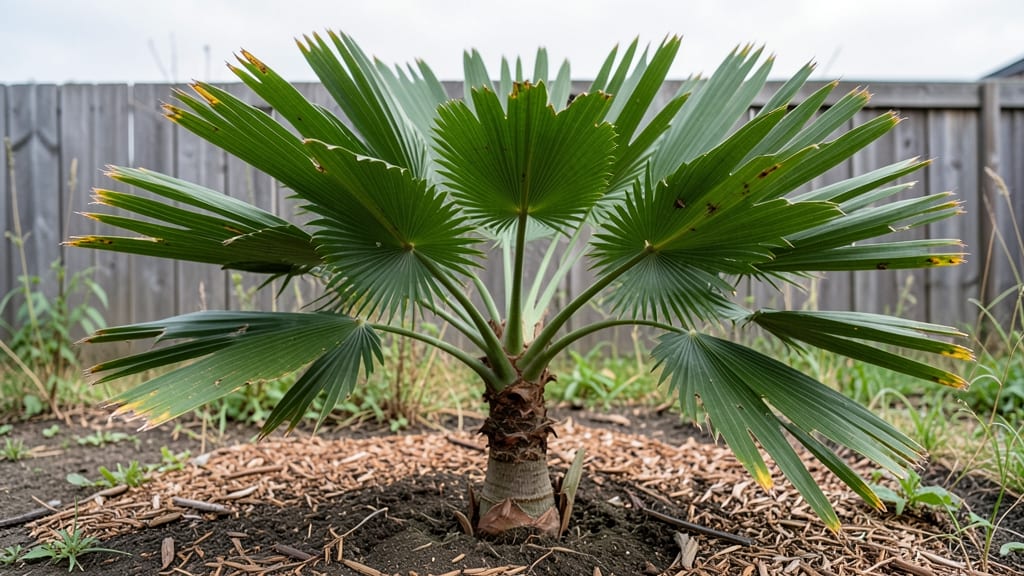
A 6-foot palm tree can transform your patio into a tropical escape—even in cold climates. 🌴 I’ve placed mine near the front door, where its fronds create instant curb appeal while shielding the entry from winter winds.
The key is choosing a cold-hardy variety like the Pygmy Date Palm or Windmill Palm, which survive down to 20°F with proper container care.
Start with a 15-gallon container and well-draining soil mix to prevent root rot. Place it where it gets morning sun and afternoon shade—this protects the fronds from scorching while keeping the roots cool.
Pair it with drought-tolerant plants like yucca or ornamental grasses to enhance that coastal vibe without extra maintenance.
By summer, you’ll have a lush focal point that draws compliments and hummingbirds alike. The trick is moving the container indoors (garage or shed) before temperatures drop below 25°F. With this approach, your palm stays vibrant year-round, proving that tropical style isn’t just for warm climates.
For extra drama, add solar-powered string lights or a weathered teak bench nearby. The palm’s height makes it perfect for framing walkways or anchoring a small garden bed. Just avoid overwatering—palms in containers dry out faster than you’d think!
📚 In This Guide
- What you need
- Instructions
- Tips and common mistakes
- Wrapping up and next steps
What you need
- ● Palm Tree Sapling: A cold-hardy variety like Trachycarpus fortunei (windmill palm) or Chamaedorea elegans (parlor palm) in a 3–5 gallon container.
- ● Large Container: A 5–10 gallon pot with drainage holes (width ≥ 18 inches for stability). Terracotta or fiberglass works best for heat retention.
- ● High-Quality Potting Mix: 60% peat moss or coconut coir (for moisture retention)
- ● 30% perlite or pumice (for aeration)
- ● 10% sand or orchid bark (for drainage)
- ● Slow-Release Fertilizer: Balanced 10-10-10 or palm-specific fertilizer (1–2 tbsp per gallon of soil).
- ● Mulch: Pine bark or straw (1–2 inches) to insulate roots in winter.
- ● Pruning Shears: Bypass pruners (sharp, sterilized) for trimming dead fronds.
- ● Garden Gloves: Heavy-duty to protect against thorns and rough fronds.
- ● Watering Can or Hose: With a gentle spray nozzle to avoid damaging fronds.
- ● Thermometer: Soil or air thermometer to monitor cold snaps (ideal range: 50–90°F).
- ○ Container Jacket (Optional):strong> Burlap or insulated sleeve for extra winter protection.
- ● Sunlight: 6+ hours of direct sun daily (south-facing spot ideal).
- ● Water Source: Access to dechlorinated water (rainwater or filtered tap water).
- ● Winter Prep: Move container to a garage or sheltered patio if temps drop below 20°F.
- ● Wrap pot in bubble wrap or frost cloth for added insulation.
- ● Patience: Palms grow 6–12 inches per year—consistency is key!
Step-by-step guide to growing a 6-Foot palm tree in cold-climate containers
Cold winters don’t have to stop you from enjoying a tropical palm—here’s how to grow one successfully in containers.
🪴 Step 1: Choose the Right Container and Drainage
Select a container with a minimum 2-foot diameter and depth to accommodate the palm’s root system. I prefer glazed ceramic or heavy plastic—they retain moisture while preventing root rot. Ensure it has multiple drainage holes at the base; if not, drill them yourself. A saucer or tray underneath catches excess water, which is critical in cold climates where soil stays damp longer.
Palms hate soggy roots, so I add a 2-inch layer of gravel or broken pottery at the bottom before filling with soil. This creates an air pocket that prevents waterlogging while allowing roots to breathe. If your container has wheels or is too heavy to move, plan for winter protection—you’ll need to relocate it indoors or into a sheltered garage when temperatures drop below 30°F.
🌱 Step 2: Use the Right Soil Mix for Tropical Growth
Palms thrive in well-draining, slightly acidic soil with a pH between 5.5 and 6.5. I mix 50% premium potting soil with 30% perlite and 20% coconut coir to mimic their native tropical environment. Avoid garden soil—it compacts easily and retains too much moisture, leading to root rot.
Fill the container 2/3 full with your mix, leaving room for the palm’s root ball. Tap the sides gently to eliminate air pockets, then water thoroughly until moisture drains from the bottom holes. Let it sit for 10 minutes to ensure excess water escapes—this prevents the roots from sitting in water, which is especially dangerous in cold climates where drainage slows.
☀️ Step 3: Plant and Position for Maximum Light
Carefully remove the palm from its nursery pot and loosen the roots if they’re circling. Place it in the center of your container, ensuring the top of the root ball sits 1 inch below the rim. Fill the remaining space with soil, pressing lightly to secure the plant without compacting the mix.
Palms need bright, indirect light—at least 6 hours of sunlight daily. In cold climates, a south- or west-facing location works best. If you’re growing indoors near a window, rotate the container quarter-turn weekly so the palm grows straight, not leaning toward the light. If leaves start yellowing or brown tips appear, it’s a sign of low humidity or inconsistent watering—common issues in dry indoor air.
💧 Step 4: Water and Fertilize for Year-Round Growth
Water deeply once a week in warm months, allowing 2 inches of soil to dry out between waterings. In winter, reduce to every 10-14 days—overwatering in cold weather suffocates roots. I check moisture by sticking my finger 2 inches into the soil; if it feels dry, it’s time to water. Always water at the base, avoiding the fronds to prevent fungal diseases like bud rot.
Feed your palm monthly from spring to fall with a balanced liquid fertilizer (10-10-10 or 20-20-20 diluted to half strength). In winter, cut back to every 6-8 weeks—palms grow slower in cooler months, and excess fertilizer can burn roots. If you notice yellowing leaves, it could mean over-fertilizing or nutrient imbalance; flush the soil with water to reset.
⏰ Step 5: Protect from Cold and Maintain Year-Round Health
When temperatures drop below 30°F, move your palm indoors or into a garage with unheated protection. If you can’t relocate it, wrap the container in burlap or frost cloth and place it against a south-facing wall for residual warmth. Avoid sudden temperature swings—palms hate drafts, so keep them away from doors or windows that open frequently.
Prune yellow or brown fronds at the base with sterilized pruners to encourage new growth. Never trim healthy fronds—this stresses the plant. Dust the leaves monthly with a damp cloth to help them absorb light efficiently. With proper care, your 6-foot palm will thrive in containers, bringing a taste of the tropics to even the coldest climates.
Tips & tricks for perfect cold-climate container palms
Here's what I've learned from years of growing tropical palms in chilly climates—these details make all the difference.
Container Mobility Strategy: Since your palm will need relocation when temperatures drop below 30°F, choose a container with built-in handles or a lightweight material like glazed ceramic. I've found that 20-gallon containers with handles are perfect—they're easy to move indoors or into garages while still providing enough space for a 6-foot palm's root system. If you're working with a heavier container, consider a dolly or ask a helper to assist with the move.
Soil Mix Precision: The 50-30-20 soil ratio (premium potting soil/perlite/coconut coir) is non-negotiable for cold-climate palms. I recommend adding a handful of orchid bark to the mix for extra aeration—this helps prevent compaction in winter when soil naturally becomes denser. When filling the container 2/3 full, use a ruler to ensure even distribution of each component for consistent moisture retention throughout.
Winter Watering Adjustment: The 10-minute drainage check after watering becomes even more critical in winter. Cold weather slows drainage significantly, so I recommend testing your setup first by watering and timing how long it takes for water to fully drain. If it takes longer than 10 minutes, consider adding more perlite to your mix or drilling additional drainage holes. Remember, soggy roots in winter can lead to fungal issues that healthy palms never encounter.
Light Optimization Hack: For indoor growing near windows, I've found that placing a reflective surface (like a white foam board) behind the container can increase light exposure by up to 20%. This is especially helpful in winter when daylight hours are shorter. Combine this with the quarter-turn weekly rotation to ensure even growth. If you notice new fronds leaning toward the light, it's time to adjust the position—palms grow toward their light source with remarkable determination.
Pro Tips for 6 Foot Palm Tree
- Here's what I've learned from years of growing tropical palms in chilly climates—these details make all the difference.
- Container Mobility Strategy: Since your palm will need relocation when temperatures drop below 30°F, choose a container with built-in handles or a lightweight material like glazed ceramic.
- Soil Mix Precision: The 50-30-20 soil ratio (premium potting soil/perlite/coconut coir) is non-negotiable for cold-climate palms.
Frequently asked questions
Got questions about growing a 6-foot palm tree in cold climates? You’re not alone! Here are some of the most common concerns—and their solutions—to help you keep your tropical beauty thriving year-round.
Can a 6-foot palm tree survive winter in a container?
Most 6-foot palm trees, like Dwarf Palmetto or Pygmy Date Palm, can handle light frosts (down to 20–25°F) when potted. For harsher winters (below 15°F), move your palm indoors near a bright window or wrap the pot in bubble wrap for insulation. Pro tip: Avoid sudden temperature swings—gradual acclimation prevents shock!
How often should I repot a 6-foot palm tree?
Repot every 2–3 years or when roots circle the pot. Choose a container 2–4 inches wider than the current one, with drainage holes. Spring is the best time to repot—avoid disturbing roots in winter. Warning: Overpotting can lead to soggy soil; opt for well-draining mix (pearlite + coconut coir).
What’s the best alternative for a cold-hardy palm?
If your zone’s winters are brutal (below 10°F), consider these cold-tolerant alternatives:
- Windmill Palm (Trachycarpus fortunei): Survives to 5°F!
- Needle Palm (Rhapidophyllum hystrix): Thrives in USDA Zone 6.
- Chinese Fan Palm (Livistona chinensis): Handles 15°F with protection.
Why are my palm fronds turning brown in winter?
Brown fronds in winter are often normal (old leaves dying back), but crispy, yellowing fronds signal cold stress or overwatering. Check these fixes:
- Move to a warmer spot (60–75°F ideal).
- Reduce watering—soil should dry out between waterings.
- Trim dead fronds at the base with sterilized shears.
How do I prune a 6-foot palm tree for container growth?
Prune only dead or yellow fronds—never healthy ones! Use clean, sharp pruners to cut at the base of the frond (avoid the trunk). For overcrowded growth, remove 1–2 oldest fronds per year. Safety first: Wear gloves—palm fronds can be spiky!
Wrapping up and next steps
A 6-foot palm tree in containers isn’t just a dream—it’s a tropical escape even in chilly climates! With the right pruning, soil, and winter care, you can keep your palm thriving year-round. Whether you’re trimming for shape, health, or safety, remember: patience and consistency are key.
Ready to level up your container garden? Start by revisiting your pruning toolkit or reviewing common challenges—then, give your palm the love it deserves! 🌿✨