
Pruning
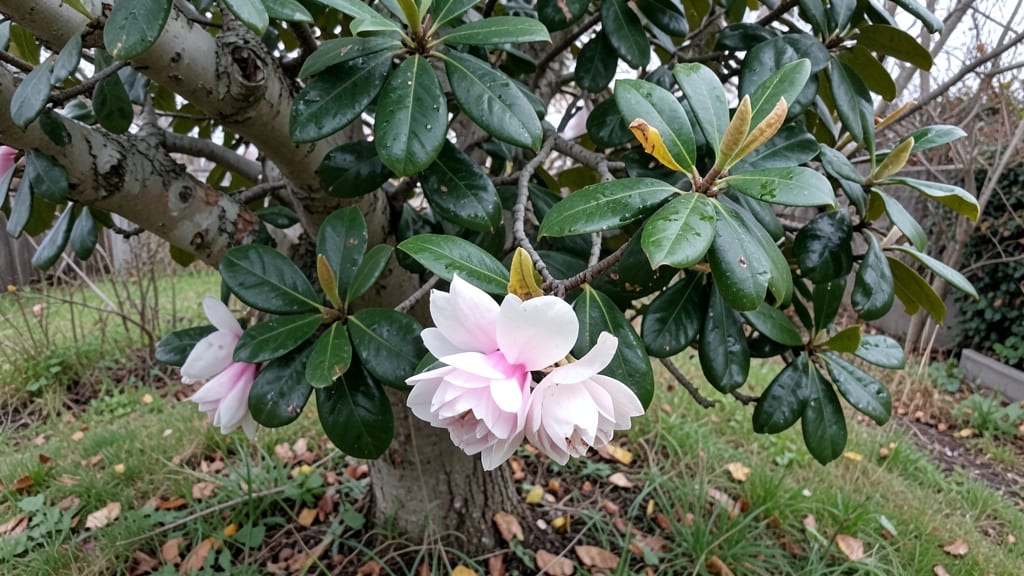
Your Alexandria magnolia tree can bloom year-round with just three strategic cuts—the secret to keeping this evergreen stunner looking its best. 🌿 I’ve pruned mine for five seasons now, and the difference between a ragged, overgrown shrub and a lush, fragrant centerpiece comes down to timing and technique.
The glossy leaves and creamy-white flowers make it worth the effort, but without the right approach, even the hardiest magnolia can lose its shape.
The best time to prune is late winter or early spring, right after the last frost but before new growth starts. You’ll want sharp bypass pruners, rubbing alcohol for sterilizing cuts, and a ladder if your tree is over 6 feet tall.
The goal is to open up the center for airflow and sunlight, which encourages more blooms and healthier foliage. Most gardeners skip this step—or do it too late—and end up with leggy branches and fewer flowers.
After pruning, your tree will reward you with darker green leaves and a denser canopy within weeks. The fragrant blooms return with vigor, and the glossy foliage stays pest-resistant.
Even in Zone 7 winters, this variety handles cold better than most, but a little extra mulch in December keeps roots cozy. The key is balancing pruning with patience—this tree grows slowly, so don’t rush it.
Works for both young trees and mature specimens, though older Alexandria magnolias need gentler cuts to avoid stress. The same principles apply whether you’re shaping a hedge or a single-stem specimen. Let’s get those shears ready—your tree’s next bloom cycle starts now.
📚 In This Guide
- What you need
- Instructions
- Tips and common mistakes
- Wrapping up and next steps
What you need
- ● Pruning shears: Bypass pruners with sharp, bypass blades (4-6" blades) for clean cuts on small branches (up to ½ inch thick). Must be sterilized with rubbing alcohol or a 10% bleach solution to prevent disease spread.
- ● Loppers: 8-10" bypass loppers for branches ½ to 1½ inches thick. Look for ratcheting or bypass designs for precision.
- ● Pruning saw: A curved-tooth pruning saw (8-10" blade) for branches 1½+ inches thick. Avoid tearing the bark—opt for a fine-toothed blade.
- ● Extension pole: A 6-10 ft telescoping pole with a pruner or saw attachment for high branches (safety first!).
- ● Garden gloves: Heavy-duty, cut-resistant gloves (e.g., 12-15 gauge) to protect hands from thorns and rough bark.
- ● Disposable pruning bags: 1-2 mesh or heavy-duty plastic bags (30-50 gallon capacity) to collect debris and prevent disease spread.
- ● Rubbing alcohol (70%+ isopropyl) or bleach solution: For sterilizing tools between cuts.
- ○ Tree wound dressing (optional but recommended): Pruning sealant (e.g., Tanglefoot Tree Wound Pruning Seal) for cuts larger than ½ inch in diameter.
- ● Ladder (if needed): A sturdy, extension ladder (20-30 ft) with a non-slip base and a spotter for safety.
- ● Safety gear: Safety glasses, long sleeves, and ear protection if using a chainsaw (for very large branches).
- ● Marking twine or paint: To tag branches for removal before cutting (great for complex pruning plans!).
- ● Sharpener: A file or sharpening stone to maintain tool edges mid-pruning.
- ● Hose or bucket of water: To clean tools between cuts and rinse off sap.
- ● Camera or sketchbook: To document branch structure before pruning (helpful for reference!).
How to prune an Alexandria magnolia for longer blooms
Here's the method I've used to keep my Alexandria magnolia flowering like clockwork, even after years of growth.
🌿 Step 1: Time Your First Cut After Spring Blooms
Wait until after all flowers have fallen in late spring—usually 4-6 weeks after the last bloom. This gives the tree time to set next year's flower buds. I always check for brown, papery petals on the ground as my signal it's time to prune.
Remove dead, crossing, or inward-growing branches first. These are the branches that rub against others or grow toward the center of the tree. Use clean, sharp pruners to make 45-degree cuts just above an outward-facing bud. This encourages new growth in the right direction.
Never remove more than 25% of the tree's canopy in one session. Alexandria magnolias are sensitive to heavy pruning, and you'll see stressed leaves or delayed blooming if you overdo it. I usually limit myself to 3-5 main branches per year.
✂️ Step 2: Thin the Canopy for Better Airflow
In early summer, when new growth is 6-8 inches long, do a second light pruning to thin the canopy. Focus on branches that are too close together—this improves airflow and reduces disease risk. I look for spots where leaves don't get full sun because of overlapping branches.
Make your cuts just above a leaf node where you see a small bump or bud. Avoid cutting into old wood—new growth comes from the current season's shoots. If you're unsure, I've found that slightly shorter cuts (about ½ inch above the bud) work better than aggressive pruning.
This step is about lightening up the tree, not reshaping it. You'll know you've done enough when sunlight can reach the inner branches without obstruction. A quick test: stand back and see if you can see through the canopy to the trunk.
⏰ Step 3: Do a Light Winter Pruning to Shape Growth
In late winter, before buds swell but after the worst cold passes, do a final pruning to shape the tree. This is when you can see the tree's natural form more clearly. Remove any dead wood (branches that are brittle, cracked, or have no leaves) first—these are easy to spot against the winter sky.
For shaping, I focus on balancing the tree's silhouette. If one side looks heavier, I remove a few branches from that side to even things out. Keep cuts clean and precise—ragged edges invite disease. I also remove any suckers (shoots growing from the base) immediately—they drain energy from the main tree.
This final cut should be minimal—just enough to maintain the tree's health and shape. If you see tight clusters of buds on a branch, leave it alone. These will become next year's flowers, and pruning them now removes potential blooms.
Tips & tricks for pruning Alexandria magnolias
Here's what I've learned after years of pruning these stunning trees—these tricks make all the difference for healthy growth and spectacular blooms.
Timing is Everything: That 4-6 week window after blooms is critical because it's when the tree sets next year's flower buds. I've seen gardeners rush this step and end up with sparse blooms the following spring. Mark your calendar based on when your tree finishes flowering—this varies slightly by region. If you're unsure, wait until you see brown, papery petals on the ground as your confirmation signal.
Pruning Technique Matters: When making those 45-degree cuts in Step 1, aim for just above an outward-facing bud. I learned this the hard way—cutting too close to the bud or at the wrong angle can leave ugly scars and stunt new growth. For tricky branches, I use a small mirror to check my angle before making the cut. And always use clean, sharp pruners—dull tools crush branches and invite disease.
Canopy Light Test: In Step 2, that sunlight test is more important than you might think. When you can see through the canopy to the trunk, you know you've achieved the perfect balance of airflow and light penetration. I've found that trees with proper airflow have fewer fungal issues and more vibrant foliage. If you're still unsure, take photos from different angles before and after pruning to track improvements.
Winter Pruning Wisdom: That late winter timing is crucial because you want to see the tree's natural form clearly, but avoid cutting when buds are already swelling. I've made the mistake of pruning too early in winter and accidentally removed potential blooms. If you're unsure about whether buds are swollen, gently press a few—if they feel firm, wait a few more weeks before pruning.
Pro Tips for Alexandria Magnolia Tree
- Here's what I've learned after years of pruning these stunning trees—these tricks make all the difference for healthy growth and spectacular blooms.
- Timing is Everything: That 4-6 week window after blooms is critical because it's when the tree sets next year's flower buds.
- Pruning Technique Matters: When making those 45-degree cuts in Step 1, aim for just above an outward-facing bud.
Frequently asked questions
Got questions about caring for your Alexandria Magnolia Tree? You’re not alone! This stunning bloomer needs a little extra love to thrive—and pruning is key. Below, we’ve rounded up the most common queries to help you keep your tree happy and flowering year-round.
When is the best time to prune my Alexandria Magnolia Tree?
The ideal window is late winter to early spring (just before buds swell) or right after blooming (late spring). Avoid pruning during fall or winter when the tree is dormant—this can stress it. If you must prune outside these times, do so immediately after flowering to preserve next year’s blooms.
Can I prune my Alexandria Magnolia Tree in summer?
Summer pruning is not recommended unless removing dead or diseased branches. Heavy pruning in summer can stimulate new growth that won’t harden off before winter, leaving your tree vulnerable to cold damage. If you spot a problem branch, trim it early in the season (June at the latest) and keep it minimal.
How do I encourage more blooms on my Alexandria Magnolia?
Blooms thrive on balanced pruning—focus on removing only dead, crossing, or weak branches (never more than 25% of the canopy at once). Thin the center to improve airflow, and avoid "heading back" (cutting back to a lateral branch), as this can reduce flowering. Feed with acidic, phosphorus-rich fertilizer in early spring for extra bloom power!
Why did my Alexandria Magnolia Tree stop blooming?
Common culprits include:
- Over-pruning (especially in fall/winter)
- Poor nutrition (lack of phosphorus or nitrogen)
- Stress from drought, pests, or disease
- Age (older trees may bloom less—consider rejuvenation pruning)
What if my Alexandria Magnolia Tree looks leggy or sparse?
Leggy growth often means it needs structural pruning to open the canopy and promote bushier habits. Focus on:
- Removing vertical shoots that grow straight up
- Thinning out dense inner branches to let light reach the center
- Pruning just above a outward-facing bud to encourage horizontal growth
Wrapping up and next steps
The Alexandria Magnolia Tree is a stunning addition to any garden, and with the right pruning techniques, you can ensure it stays vibrant and blooming year-round. By mastering the three strategic cuts—post-bloom shaping, late-winter thinning, and seasonal maintenance—you’ll keep its health and beauty thriving. 🌸
Now that you’re equipped with the knowledge, grab your pruners and give your magnolia the care it deserves. Start with a single, confident cut this weekend—your tree (and your neighbors!) will thank you.