
Pruning
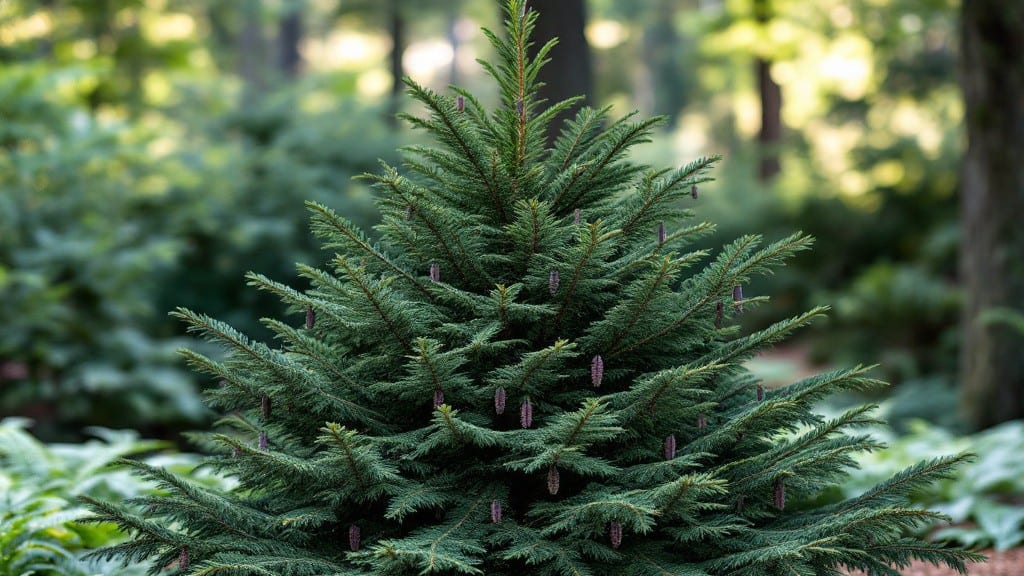
Pruning Florida fir trees isn't just about shaping—it's about fighting back against the state's relentless humidity and salt-laden winds. 🌿 The wrong cuts can turn your evergreen into a soggy mess, but I’ve learned which trims keep them thick, healthy, and storm-resistant year-round.
My Leyland cypress, for example, now handles Florida’s summer downpours like a champ after I stopped over-trimming the lower branches.
The key is selective pruning—never removing more than 25% of the canopy at once—and focusing on dead, crossing, or outward-growing branches first. Florida’s sandy soil drains fast, so mulching with 3-4 inches of pine bark helps retain moisture while keeping roots cool.
I also prune right after storms to remove salt damage before it spreads, which has saved my coastal cypresses from browning.
What you’ll end up with is a fir tree that stays dense and vibrant even through hurricane season, with fewer pests and diseases clinging to weak growth. The best part?
Proper trimming actually makes them more resilient—my trees recover faster after storms now than they did in their first five years. Let’s get those shears sharp and start shaping!
This works for Leyland cypress, slash pines, and even Eastern redcedar—just adjust the timing. Coastal varieties need pruning after salt exposure, while inland trees benefit from late-winter shaping before new growth starts.
Either way, you’ll avoid the common Florida pitfall of pruning too late in the season and inviting fungal infections.
📚 In This Guide
- What you need
- Instructions
- Tips and common mistakes
- Wrapping up and next steps
What you need
- ● Pruning shears: Bypass pruners (sharp, sterilized) for small branches (2–3" blades). Quantity: 1 pair.
- ● Loppers: For thicker branches (up to 2" diameter). Quantity: 1 pair.
- ● Pruning saw: For branches >2" in diameter. Quantity: 1 (handheld or folding).
- ● Disinfectant: 70% isopropyl alcohol or hydrogen peroxide (3%) to sterilize tools between cuts.
- ● Heavy-duty gloves: Cut-resistant (e.g., Pip Boys or Frogg Toggs) to protect hands from sap and splinters.
- ● Ladder or step stool: Extendable (8–12 ft) for tall trees. Safety tip: Use a stabilizer for balance!
- ● Trash bags: Heavy-duty (10–15 gallon) for debris. Quantity: 2–3.
- ○ Pruning sealant: Optional but recommended for Florida’s humidity (e.g., Tanglefoot Tree Wound Pruning Sealer).
- ● Workwear: Long sleeves/pants to avoid sap irritation.
- ● Safety glasses: Protect eyes from debris.
- ● Extension pole: For high branches (e.g., 24" telescoping pole saw).
- ● Camera/phone: Document the tree’s shape before trimming!
- ● Mulch: Shredded bark (2–3" layer) to retain moisture post-pruning.
Step-by-step guide to pruning fir trees in Florida’s humid climate
Here’s how to keep your fir trees healthy and vibrant all year—without inviting pests or disease.
🌿 Step 1: Time Your Pruning for Optimal Growth
Prune your fir tree in late winter to early spring, just as new growth begins. This timing lets the tree recover quickly before Florida’s summer heat sets in. Avoid pruning during extreme heat or drought—stressed trees handle trimming poorly.
Look for fresh, green growth at the tips of branches as your cue. If you see yellowing needles or sparse foliage, prune lightly to encourage new shoots. Never prune in fall, as this invites fungal infections common in Florida’s humidity.
✂️ Step 2: Use Sharp Tools and Proper Technique
Dull shears crush branches, leaving jagged wounds that attract pests. Grab your clean, sharp pruning shears and make cuts at a 45-degree angle, just outside the branch collar. This ensures clean healing and prevents water from pooling on the cut.
Focus on removing only dead, diseased, or crossing branches. Never remove more than 25% of the tree’s foliage in one session—fir trees are sensitive to heavy pruning. If you’re unsure, start with just the obvious problem areas.
💧 Step 3: Sterilize Tools and Monitor for Humidity Stress
Florida’s humidity is a double-edged sword—it keeps trees lush but also spreads fungal spores. Wipe your shears with 70% rubbing alcohol before and after pruning to prevent contamination. If you notice sticky residue on branches, it’s likely honeydew from sap-sucking pests—treat with neem oil if needed.
After pruning, water the base of the tree deeply to help it recover. Mulch with 2-3 inches of organic mulch (like pine bark) to retain moisture and regulate soil temperature. Keep mulch 6 inches away from the trunk to avoid rot.
☀️ Step 4: Adjust Light Exposure for Recovery
Fir trees thrive in partial shade, but pruning can temporarily expose inner branches to harsh sun. If you notice browning needles after trimming, move the tree to a spot with morning sun and afternoon shade for a few weeks. This helps the tree adjust without scorching.
Watch for new growth within 4-6 weeks. Healthy fir trees will show fresh, bright green needles along the pruned branches. If growth stalls or needles turn yellow, it’s a sign of over-pruning or stress—scale back next time.
Tips & tricks for pruning fir trees in Florida’s humid climate
Real talk: Florida’s humidity turns pruning into a balancing act—too much, and you risk stressing your fir tree; too little, and pests move in. Here’s how to nail it without turning your backyard into a fungal hotspot.
Timing Secret: The late winter to early spring window is non-negotiable for fir trees in Florida. This gives your tree time to recover before summer’s heat arrives, but don’t wait until buds are bursting—prune when you see those first fresh green tips. I’ve seen too many trees stressed by summer pruning, so mark your calendar for February or early March. If you miss this window, wait until fall—but only if you’re dealing with dead branches, not shaping. Fall pruning invites fungal infections that thrive in Florida’s damp air.
Tool Technique: That 45-degree angle cut isn’t just for looks—it’s about survival. Cut just outside the branch collar (that swollen area where the branch meets the trunk) to let the tree heal properly. I learned this the hard way after seeing sap ooze from improper cuts, which attracted pests. And for heaven’s sake, sterilize your shears with rubbing alcohol before and after—Florida’s humidity spreads fungal spores faster than gossip at a neighborhood potluck. A quick wipe with 70% rubbing alcohol keeps your tools clean and your tree healthy.
Recovery Strategy: After pruning, don’t just walk away. Water deeply at the base to help the tree recover, and mulch with 2-3 inches of organic material like pine bark. Keep that mulch 6 inches away from the trunk to avoid rot—trust me, soggy trunks are a nightmare. If you notice browning needles after trimming, it’s your tree’s way of saying, “Too much sun!” Move it to morning sun and afternoon shade for a few weeks. I’ve seen fir trees go from lush to crispy in days when left in full sun after pruning.
Visual Cues: Watch for new growth within 4-6 weeks as your success metric. Healthy fir trees show fresh, bright green needles along the pruned branches. If growth stalls or needles turn yellow, you’ve over-pruned or stressed the tree—scale back next time. And if you see sticky residue on branches after pruning, it’s likely honeydew from sap-sucking pests. Treat with neem oil to keep them at bay without harming your tree.
Pro Tips for Fir Tree Florida
- Real talk: Florida’s humidity turns pruning into a balancing act—too much, and you risk stressing your fir tree; too little, and pests move in.
- Timing Secret: The late winter to early spring window is non-negotiable for fir trees in Florida.
- Tool Technique: That 45-degree angle cut isn’t just for looks—it’s about survival.
Frequently asked questions
Got questions about keeping your fir tree in Florida thriving with humidity-resistant pruning? Here are some common concerns—and their answers—to help you maintain year-round lushness without stress.
When is the best time to prune a fir tree in Florida’s humid climate?
The ideal window is late winter to early spring (February–March), when the tree is dormant but before new growth starts. Avoid pruning in summer’s heat or during Florida’s hurricane season (June–November) to prevent stress or disease. Pro tip: If you must trim in summer, do it early in the morning to reduce heat shock.
How much can I trim a fir tree without harming it?
Never remove more than 25% of the tree’s foliage in a single session—fir trees are sensitive to over-pruning. Focus on shaping (removing dead or crossing branches) rather than heavy cuts. For Florida’s humidity, prioritize airflow to deter fungal issues. Warning: Avoid "shearing" (like hedges)—fir trees thrive with natural form!
How do I prevent fungal diseases after pruning in Florida’s wet conditions?
Florida’s humidity loves fungi, but you can fight back! Sterilize tools with rubbing alcohol between cuts, and avoid pruning when leaves are wet. After trimming, apply a copper-based fungicide to cuts (follow label instructions). Space pruning sessions 4–6 weeks apart to let wounds heal. Bonus: Mulch around the base to improve drainage.
Can I prune a fir tree in Florida’s heat without killing it?
Yes, but timing and technique are key. If you must prune in summer, water deeply 2–3 days before and avoid midday heat. Trim only lightly (10% or less) and never on a windy day—it dries the tree faster. Monitor for wilting or yellowing afterward; if severe, prune less aggressively next time. Best fix: Wait for cooler months!
Are there Florida-friendly alternatives to traditional fir trees?
If fir trees struggle in your humidity, consider these low-maintenance, drought-tolerant evergreens:
- Live Oak – Native, sturdy, and thrives in Florida’s climate.
- Sabal Palm – Hardy, pest-resistant, and loves humidity.
- Podocarpus – "Yew plum" trees handle heat and pruning well.
- Leucadendron – Drought-resistant and firewise!
Wrapping up and next steps
Pruning your fir tree in Florida doesn’t have to be a daunting task—especially when you embrace humidity-resistant techniques to keep it thriving year-round! 🌿 From choosing the right tools to mastering timing and technique, you now have all the insights to sculpt a lush, healthy tree that stands strong against Florida’s unique climate.
Whether you’re a seasoned gardener or a beginner, confidence in your green thumb is just a trim away!
Ready to take the next step? Mark your calendar for your first pruning session—spring or early fall—and watch your fir tree flourish with vibrant, year-round lushness. Happy trimming! 🌳✨