
Diseases
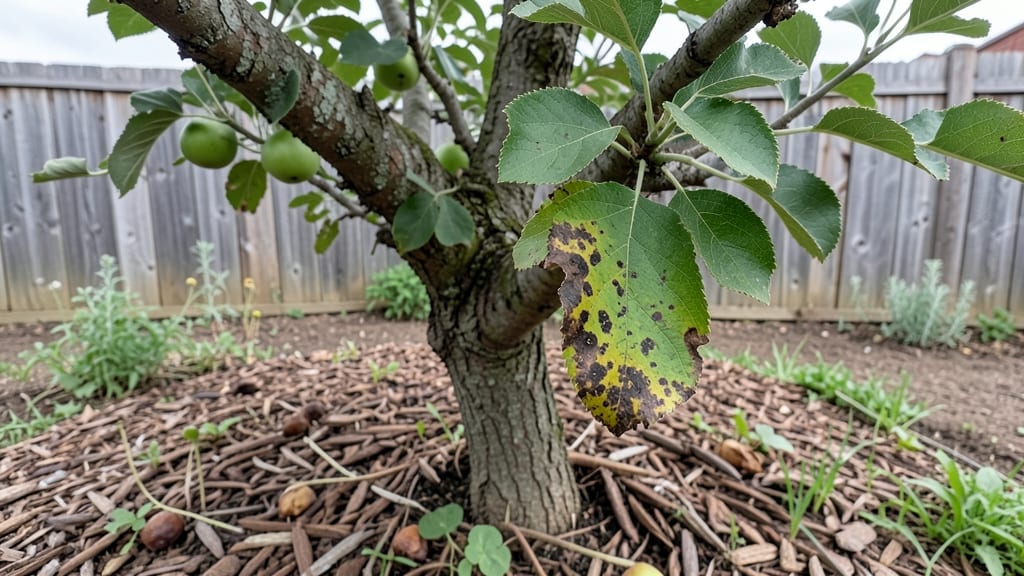
Spotting those first weird spots on apple leaves can feel like a gut punch—one season you’re picking crisp fruit, the next your tree looks like it’s fighting a losing battle. 🍏 Apple tree leaf diseases like scab and mildew don’t just ruin foliage; they weaken wood and cut yields by half if ignored.
The good news? Catching them early turns a potential disaster into a manageable fix.
Most problems start with water—too much rain or overhead sprinklers—and thrive when leaves stay damp for hours. That’s why the first step isn’t spraying, but checking undersides of leaves weekly after wet weather.
A 10-minute inspection with a magnifying glass (or even a phone camera) can save your harvest before symptoms spread to fruit.
📚 In This Guide
- What you need
- Instructions
- Tips and common mistakes
- Wrapping up and next steps
What you need
- ● Handheld magnifying glass (10x magnification) – for spotting tiny disease symptoms.
- ● Pruning shears (sterilized with rubbing alcohol) – to remove infected leaves/branches.
- ● Gloves (nitrile or rubber) – to protect your hands from spores and sap.
- ● Spray bottle (16 oz) – for applying fungicides or homemade remedies.
- ● Plastic bags or paper envelopes (10–20) – for collecting leaf samples.
- ● Notebook & pen – to log symptoms, dates, and treatment notes.
- ● Fungicide (copper-based or sulfur-based, e.g., Copper Fungicide or Neem Oil) – for treatment.
- ● Hose with nozzle – for thorough watering or rinsing leaves.
- ● Digital camera – to document symptoms for later reference.
- ● pH test kit – to check soil acidity (ideal range: 6.0–7.0).
- ● Compost or mulch (2–3 inches) – to improve soil health and reduce disease spread.
- ● Labeling tags – for marking treated vs. untreated branches.
- ● Extension ladder – if your tree is tall (safety first!).
Step-by-Step guide for identifying and treating apple tree leaf diseases
Protecting your tree starts with knowing what to watch for—here's how to spot issues early.
🌿 Step 1: Inspect Leaves for Early Signs of Stress
Begin by examining the top and bottom surfaces of leaves—this is where diseases often first appear. Look for tiny spots, discoloration, or unusual textures that stand out against healthy green. I start at the outer canopy edges and work inward, since sunlight and airflow make these areas more vulnerable to pathogens.
Pay special attention to new growth—young leaves are particularly susceptible. If you see yellowing between veins (called chlorosis), it could signal apple scab or nutrient deficiency. Run your fingers gently over the leaf surface: rough or powdery textures often indicate fungal infections like cedar-apple rust.
🌱 Step 2: Compare Symptoms to Common Apple Tree Diseases
Apple scab appears as olive-green to black spots that develop a velvety texture. These spots often have yellow halos and may merge into larger lesions. Cedar-apple rust shows up as orange, pustule-like growths on the undersides of leaves—these release spores that infect nearby cedar trees.
For powdery mildew, you'll notice white, powdery coatings on leaf surfaces, especially in shaded or crowded areas. Black spot disease creates dark, circular lesions with gray centers. Take a close-up photo of suspicious areas—comparing them to reference images helps confirm the diagnosis before treatment.
✂️ Step 3: Remove and Dispose of Infected Leaves
Collect all spotted, discolored, or distorted leaves using sterilized pruning shears or gloves. Place them in a sealed plastic bag to contain spores. I always wear long sleeves and a mask when handling heavily infected foliage—some fungal spores can irritate skin or lungs.
Never compost infected leaves—heat treatment is required to kill pathogens. Instead, double-bag the material and dispose of it in your yard waste bin or burn it (if local regulations allow). Clean your tools with 70% rubbing alcohol between cuts to prevent spreading disease.
💧 Step 4: Apply Targeted Fungicides at the Right Time
For preventive care, apply a copper-based fungicide or neem oil solution during bud swell (before leaves emerge) and again every 7-10 days during wet seasons. If you confirm apple scab, switch to a sulfur or myclobutanil fungicide—these are most effective when applied before rain to ensure the coating stays intact.
Water at the base of the tree (not overhead) to reduce leaf moisture, which fuels fungal growth. Prune for better airflow by removing crossing branches and thinning the canopy. I always prune in late winter or early spring to minimize stress on the tree.
☀️ Step 5: Monitor and Adjust Care Year-Round
Check leaves weekly during growing season—early detection is key. Healthy leaves should be deep green, firm, and free of blemishes. If you notice persistent issues, test your soil pH (ideal range for apples is 6.0-6.5) and adjust with lime or sulfur as needed.
Mulch around the base with 3-4 inches of organic mulch (like wood chips) to improve soil health and retain moisture. Avoid piling mulch against the trunk—this can trap moisture and encourage rot. A balanced fertilizer (like 10-10-10) applied in early spring supports overall tree vigor.
Tips & tricks for healthy apple tree leaves
Keeping your apple tree thriving starts with understanding what healthy leaves look like—and catching problems early. Here's how to give your tree the best care.
Timing is Everything: The weekly leaf checks mentioned in Step 5 are your best defense. I schedule these inspections for early morning when leaves are dry and dew isn't present. This makes it easier to spot early signs of disease before they spread. Use a magnifying glass if needed—some symptoms like powdery mildew are subtle at first.
Diagnostic Tools: When comparing symptoms in Step 2, I always keep a small notepad nearby. Jot down the location of each suspicious leaf (top, middle, bottom of tree) and its specific symptoms. This helps track progression over time. For example, if you notice cedar-apple rust only on the north side, you might have a nearby cedar tree contributing to the problem.
Safety First: The precautions in Step 3 about wearing gloves and masks are non-negotiable. Some fungal spores can cause skin irritation or respiratory issues, especially if you have allergies. I also recommend using a disposable apron when handling heavily infected foliage to prevent spores from contaminating your clothing.
Fungicide Application Strategy: For the fungicide schedule in Step 4, I've found that applying treatments in the early morning gives the product time to dry before potential afternoon rains. If you're using neem oil, mix it with a small amount of dish soap (just a teaspoon per gallon) to help it stick better to leaf surfaces. Always follow the product's specific instructions for dilution rates.
Pro Tips for Apple Tree Leaf Diseases
- Keeping your apple tree thriving starts with understanding what healthy leaves look like—and catching problems early.
- Timing is Everything: The weekly leaf checks mentioned in Step 5 are your best defense.
- Diagnostic Tools: When comparing symptoms in Step 2, I always keep a small notepad nearby.
Frequently asked questions
Got questions about keeping your apple tree leaves healthy?
Here are answers to the most common concerns—so you can act fast and save your tree!
What are the most common signs of apple tree leaf diseases?
Look for yellowing leaves, black or brown spots, premature leaf drop, or curling edges. Fungal diseases like apple scab often start as olive-green spots that turn dark, while bacterial spots appear as greasy, water-soaked marks. Catch these early!
When is the best time to treat apple tree leaf diseases?
Act before symptoms appear—spring (just before blooms open) is key for preventative sprays. If you spot issues, treat immediately to stop spread. Never spray when rain is forecast—it washes treatments away. Pro tip: Use a fungicide labeled for apple trees and reapply every 7–14 days during wet seasons.
Can I save my apple tree if it already has severe leaf disease?
Yes! Prune infected branches (sterilize tools with rubbing alcohol), remove fallen leaves, and apply a copper-based fungicide or neem oil. For bacterial diseases, avoid overhead watering to prevent spread. Severe cases? Consult a local arborist—they may recommend systemic treatments.
Are there natural remedies for apple tree leaf diseases?
Try these organic options:
- Baking soda spray: Mix 1 tbsp baking soda + 1 tsp oil + 1 tsp soap in 1 gallon of water (great for powdery mildew).
- Neem oil: Spray diluted neem oil (1–2%) to disrupt fungal growth.
- Compost tea: Boosts tree immunity—apply as a soil drench.
Note: Natural remedies work best as preventative measures, not cures for advanced infections.
How often should I inspect my apple tree for diseases?
Check leaves weekly during growing season (spring to fall). Focus on:
- Undersides of leaves (common fungal hideouts).
- New growth (early signs appear here).
- Fruit clusters (some diseases spread to apples).
Pro tip: Use a magnifying glass for tiny spots—early detection = easier treatment!
Wrapping up and next steps
Detecting apple tree leaf diseases early isn’t just about saving your tree—it’s about ensuring years of sweet harvests ahead! 🍏 By mastering the signs of apple scab, powdery mildew, and black spot, you’ve taken the first step toward proactive care.
Regular inspections, proper pruning, and organic treatments are your best tools for keeping those leaves lush and disease-free.
Ready to put your knowledge into action? Start with a quick check of your trees this weekend! Grab your magnifying glass, follow the tips you’ve learned, and give your apple trees the TLC they deserve. Healthy leaves today mean bountiful fruit tomorrow! 🌱