
Neem Oil
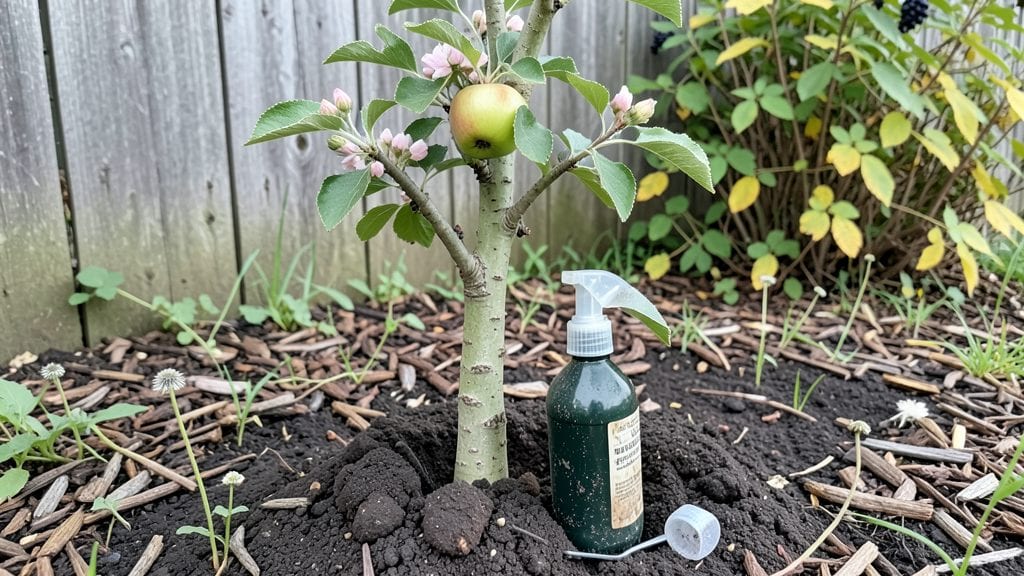
When your apple tree’s leaves start curling like a bad handwriting note, you know pests or disease are at work—and a fruit tree oil spray is your first line of defense. 🌳 I’ve saved more than a few trees from aphid invasions and fungal nightmares using this simple, non-toxic trick that works whether you’re dealing with peach leaf curl or scale insects.
The beauty of oil sprays is their versatility—neem oil, horticultural oil, or even a homemade blend with dish soap and water can smother pests and disrupt fungal spores without harming bees or beneficial insects.
The key is timing: apply it during the dormant season for maximum impact, or use a lighter spray when leaves are out to avoid leaf burn. My first attempt with neem oil on a struggling cherry tree turned it around in just two weeks.
You’ll end up with a thriving tree that looks like it’s been pampered by a professional arborist, not someone who just learned how to mix a spray. The leaves stay glossy, the fruit sets properly, and you skip the harsh chemicals that leave a bitter taste on your harvest.
Plus, it’s a one-time investment that pays off season after season.
Works for apples, peaches, plums, and even citrus—just adjust the concentration based on whether your tree is asleep in winter or bursting with new growth. Let’s get that spray bottle ready!
📚 In This Guide
- What you need
- Instructions
- Tips and common mistakes
- Wrapping up and next steps
What you need
- ● 1 tablespoon of pure, cold-pressed neem oil (organic, food-grade preferred—look for Azadirachta indica on the label).
- ● 1 teaspoon of mild liquid soap or castile soap (acts as an emulsifier to help the oil mix with water).
- ● 1 quart (32 oz) of distilled water (chlorine-free to avoid harming plants).
- ○ Optional: 1 teaspoon of garlic oil or cinnamon oil (natural fungicides and pest deterrents).
- ● Spray bottle or garden sprayer (1–2 gallons capacity, with a fine-mist nozzle).
- ● Measuring spoons and cups (for precise mixing).
- ● Wooden spoon or stir stick (avoid metal to prevent reactions).
- ● Protective gear: gloves, long sleeves, and goggles (neem oil can irritate skin and eyes).
- ○ Optional: Cheesecloth or fine strainer (if using whole garlic/cinnamon for infusion).
- ● Choose a cool, overcast day (or spray in the early morning/evening) to avoid burning leaves.
- ● Test the spray on a small branch or leaf 24 hours before full application (some trees may react to neem oil).
- ● Harvest time: Wait at least 3 days after spraying before picking fruit for consumption.
Step-by-Step instructions for homemade fruit tree oil spray
Here's how to make a powerful neem-based spray that keeps pests away.
🌿 Step 1: Mix the Base Solution
Combine 1 quart of warm water with 1 tablespoon of liquid dish soap in a large container. The soap helps the mixture cling to tree surfaces. Stir gently until fully dissolved—no suds should form. This creates the foundation for your spray, ensuring even coverage.
Add 2 tablespoons of raw, cold-pressed neem oil next. Neem oil is the active ingredient that disrupts pests' life cycles. Stir again, but avoid creating bubbles. If you see foam, let it settle for a few minutes before proceeding. The solution should look slightly cloudy but not frothy.
💧 Step 2: Dilute and Strain for Smooth Application
Pour the mixture into a spray bottle or pump sprayer and add 1 quart of cool water to dilute it. This reduces concentration while maintaining effectiveness. Shake gently to combine—neem oil can separate over time, so a quick shake right before use ensures consistency.
Strain the mixture through a fine mesh sieve or cheesecloth to remove any undissolved particles. This step prevents clogging your sprayer nozzle and ensures a smooth, even application. If you notice residue clinging to the cloth, give it one more rinse with a little water before discarding.
☀️ Step 3: Apply at the Right Time for Maximum Effect
Spray your fruit trees early in the morning or late afternoon when temperatures are below 85°F. Direct sunlight can cause the oil to burn leaves, so avoid midday applications. Start by lightly misting the undersides of leaves—this is where many pests hide and lay eggs.
Work your way up to the branches and trunk, ensuring full coverage. You'll know you've done it right when the leaves glisten slightly. Apply every 7-10 days or immediately after noticing pests. Consistency is key—this spray disrupts pests over time rather than eliminating them in one treatment.
✂️ Step 4: Store and Reuse for Ongoing Protection
Keep any leftover spray in a clean, airtight container in a cool, dark place. Neem oil degrades with light and heat, so avoid storing it in direct sunlight. Label your container with the date—this spray stays effective for about 2 weeks when refrigerated.
Reapply as needed, especially after rain or heavy watering, which can wash the spray off. For stubborn infestations, repeat applications every 5-7 days until pests disappear. The more you use it, the more you'll notice fewer pests and healthier-looking trees over time.
Tips & tricks for perfect fruit tree oil spray
Real talk: getting the most out of your homemade neem spray means paying attention to details that make all the difference between a good spray and a great one.
Mixing Precision: When combining the 1 quart of warm water with 1 tablespoon of liquid dish soap in Step 1, use a whisk instead of a spoon to avoid creating air bubbles. Those bubbles can break down the neem oil's effectiveness. Also, let the water cool slightly after heating—neem oil can separate if the water's too hot. The mixture should be room temperature when you add the oil.
Neem Oil Quality Check: Not all neem oil works the same! Look for 100% cold-pressed, raw neem oil with no additives. The oil should be dark green and have a strong, earthy aroma. If your oil smells faint or looks pale, it's likely been processed and won't be as effective. Using the full 2 tablespoons as specified gives you the best pest-fighting power without risking leaf burn.
Application Technique: In Step 3, when you're spraying, work in sections—start at the bottom of the tree and move upward. This prevents drips from running down and missing protected areas. For large trees, consider using a backpack sprayer for better coverage. And here's a pro move: add 1 teaspoon of vegetable oil to your spray bottle (optional) to help the neem oil stick better to leaves, especially on windy days.
Temperature Matters: The 85°F maximum temperature guideline in Step 3 is non-negotiable. Hotter conditions can cause leaf scorch, especially with neem oil. If you must spray during warmer days, do it in the early morning when temperatures are cooler. You'll know you've applied it correctly when leaves have a light, even coating that glistens slightly but doesn't look wet or dripping.
Pro Tips for Fruit Tree Oil Spray
- Real talk: getting the most out of your homemade neem spray means paying attention to details that make all the difference between a good spray and a great one.
- Mixing Precision: When combining the 1 quart of warm water with 1 tablespoon of liquid dish soap in Step 1, use a whisk instead of a spoon to avoid creating air bubbles.
- Neem Oil Quality Check: Not all neem oil works the same!
Frequently asked questions
Got questions about using fruit tree oil spray? You're not alone!
Here are some of the most common concerns—and straightforward answers—to help you get the most out of your neem oil treatment.
How often should I apply fruit tree oil spray?
For preventative care, apply every 2–4 weeks during peak pest seasons (spring and summer). If treating an active infestation, spray every 7–10 days until pests disappear. Always follow up with a second application 7 days later for best results. Pro tip: Early morning or late evening applications reduce sunburn risk on leaves!
How long does it take to see results?
Neem oil works gradually—you may notice reduced pest activity within 3–7 days, but full control can take 2–4 weeks of consistent use. For fungal diseases (like powdery mildew), improvement often appears in 5–10 days. Patience is key! Remember: It’s a preventative tool, not an instant fix.
Can I use fruit tree oil spray on edible fruit?
Yes, but with timing precautions! Avoid spraying directly on fruit if harvest is imminent (wait 1–2 weeks before picking to ensure residue safety). For pre-bloom applications, neem oil is organic-approved and safe. Always rinse fruit thoroughly before eating if sprayed recently. Safety note: Follow label instructions for edible crops.
What if pests come back after treatment?
Pests may return if reinfestation occurs or resistance builds up. Try these fixes:
- Rotate sprays: Alternate with insecticidal soap or horticultural oil.
- Improve tree health: Prune for airflow, water deeply, and fertilize.
- Reapply neem oil: Increase frequency to weekly for stubborn pests.
- Check for new pests: Inspect leaves/roots for hidden invaders.
Are there natural alternatives to neem oil spray?
Try these DIY pest-fighting sprays:
Solution
Best For
How to Use
Garlic spray (blended garlic + water + soap)
Soft-bodied pests (aphids, mites)
Strain and spray weekly; strong odor repels pests.
Chili pepper spray (peppers + water + oil)
Caterpillars, beetles
Spray directly on pests; reapply after rain.
Soap spray (mild castile soap + water)
General pests, fungal spores
Test on a small leaf first; avoid direct sun.
Wrapping up and next steps
Transforming your fruit trees into thriving, pest-free powerhouses is easier than you think!
With a simple neem oil spray, you’ve got a natural, eco-friendly shield against common threats—no harsh chemicals required. 🌱 Whether you’re a seasoned gardener or just starting out, this solution is your secret weapon for healthier trees and bountiful harvests.
Ready to take action? Grab your supplies, follow the steps, and watch your trees flourish! Start with one batch this weekend, and soon, your orchard will be the talk of the neighborhood. Happy spraying! 🍊✨