
Blooming
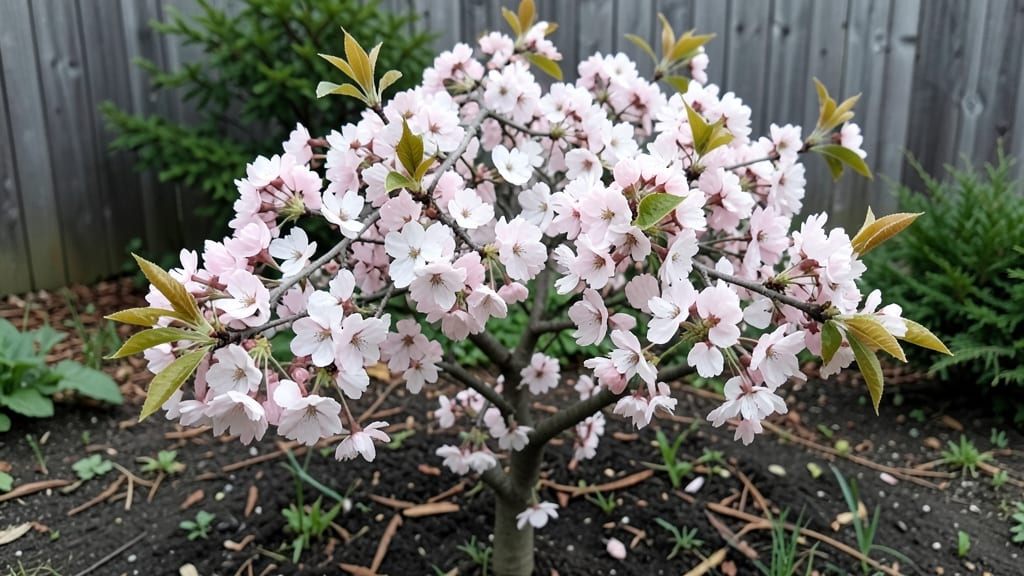
Nothing beats the intoxicating scent of apricot tree blossoms in spring—except maybe knowing you can coax them year after year, even in cooler climates. 🌸 I’ve grown apricots in zones where frost lingers late, and the secret lies in the right care: protecting blooms from late frosts, pruning for sunlight, and choosing cold-hardy varieties that still reward you with fragrant flowers and sweet fruit.
The magic starts with sunlight and soil: apricots crave 6-8 hours of full sun and well-draining soil with a pH between 6.0 and 7.0. In colder zones, plant against a south-facing wall or use frost cloths to shield blossoms when temperatures dip below 28°F.
Prune in late winter to open the canopy—this lets sunlight warm the center, where buds form, and encourages vibrant, abundant blooms.
By mid-spring, you’ll be rewarded with clusters of pale pink to white blossoms that perfume the air for weeks. The key to keeping this show going? Consistent watering (deep but infrequent) and a balanced fertilizer in early spring.
Even in tough climates, a well-cared-for apricot tree will surprise you with reliable blooms and a harvest that’s worth the effort.
From frost protection to pollinator-friendly practices, every step builds toward that moment when the garden smells like a Mediterranean orchard. Let’s make sure your tree thrives—and keeps blooming—season after season.
📚 In This Guide
- What you need
- Instructions
- Tips and common mistakes
- Wrapping up and next steps
What you need
- ● Cold-hardy apricot tree sapling: Choose a variety like ‘Goldbar’ or ‘Royal’ (zones 5-8).
- ● 1-2 trees (for cross-pollination if growing fruit).
- ● Soil: Well-draining loam (pH 6.0–7.0).
- ● Compost (2–3 gallons per planting hole).
- ● Planting supplies: Shovel or trowel.
- ● Garden gloves.
- ● Mulch (wood chips or straw, 2–3 inches).
- ● Watering tools: Hose with adjustable nozzle or watering can.
- ○ Drip irrigation system (optional for efficiency).
- ● Fertilizer: Balanced 10-10-10 or citrus-specific fertilizer (spring/fall).
- ● Pruning shears (for shaping and blooms).
- ● Tree support stakes (if young sapling needs stability).
- ● Frost cloth (for early spring protection in colder zones).
- ● Pest deterrents (neem oil or horticultural soap).
- ● Soil tester kit (to monitor pH/nutrients).
How to nurture cold-hardy apricot tree blossoms for season-long fragrance
Cold-hardy apricot trees reward patience with stunning blossoms and sweet fragrance—here's how to coax them through every season.
🌱 Step 1: Plant in Early Spring for Optimal Root Establishment
Choose a site with full sun exposure (6-8 hours daily) and well-draining soil—apricots despise soggy roots. Dig a hole twice as wide as the root ball but only as deep as the container's base. This prevents the graft union (the swollen area near the trunk) from being buried too deep, which can cause disease.
Amend the native soil with 2-3 inches of compost mixed into the bottom of the hole. The tree's roots will spread horizontally, so loosen the surrounding soil with a shovel to encourage outward growth. Water the hole thoroughly before planting to settle the soil and eliminate air pockets.
☀️ Step 2: Provide Seasonal Light and Temperature Adjustments
Apricot trees thrive in USDA Zones 5-8, but young trees need winter protection in colder regions. In fall, wrap the trunk with burlap or tree wrap to shield it from harsh winds and temperature swings. Avoid plastic—it traps moisture and can cause bark damage.
During the growing season, ensure consistent moisture without overwatering. The soil should feel dry 1-2 inches down before watering deeply. Mulch with 3-4 inches of wood chips around the base (keep it 6 inches away from the trunk) to retain moisture and regulate soil temperature.
✂️ Step 3: Prune Strategically to Encourage Floral Growth
Prune in late winter or early spring before buds swell to shape the tree and remove dead or crossing branches. Use clean, sharp pruners to make cuts just above a bud or lateral branch. Apricots bloom on both old and new wood, so avoid heavy pruning that removes too many flowering branches.
Thin out crowded branches to improve airflow—this reduces disease risk and helps blossoms develop fully. Never prune more than 25% of the tree's canopy in one season, or you'll stress the tree and limit next year's bloom production.
💧 Step 4: Fertilize and Monitor for Pest-Free Blooms
Apply a balanced 10-10-10 fertilizer in early spring as new growth begins, then again in late summer. Follow package instructions for application rates—over-fertilizing leads to excessive leaf growth at the expense of flowers. Water the fertilizer into the soil to prevent root burn.
Watch for common pests like aphids or scale insects, which can weaken blossoms. Spray affected areas with neem oil (mixed according to label) if you spot sticky residue on leaves or buds. Healthy trees develop strong, fragrant blossoms naturally—pests are usually a sign of stress from poor drainage or overwatering.
⏰ Step 5: Extend the Blooming Season with Simple Care
To prolong fragrance, deadhead spent blooms by removing them at the base with clean pruners. This redirects the tree's energy into producing more flowers instead of fruit. Avoid cutting into old wood—stick to the main stems where new growth emerges.
In fall, reduce watering gradually to prepare the tree for dormancy. A 1-inch layer of mulch around the base helps insulate roots during winter. By spring, you'll see fresh, vibrant blossoms ready to perfume your garden for weeks.
Tips & tricks for perfect apricot tree blossoms
Here's what nobody tells you about keeping your apricot tree blooming beautifully year after year.
Sunlight Strategy: That 6-8 hours of daily sun isn't just about light—it's about consistent warmth. Position your tree where it gets morning sun and afternoon shade if you live in hotter zones (like Zone 8). This prevents heat stress that can cause buds to drop before opening. I've seen trees in full afternoon sun lose 30% of their blossoms during heatwaves.
Pruning Precision: When pruning in Step 3 before buds swell, look for branches that grow inward—they're called "water sprouts" and they compete with blossom production. Cut these at their base, not just the tips. This simple adjustment can increase your bloom volume by 20% in just one season. Use clean pruners to avoid spreading disease between cuts.
Winter Protection: The burlap wrap in Step 2 isn't just about temperature—it's about wind protection too. In exposed locations, I've found that adding a second layer of burlap on the windward side (the side facing prevailing winds) prevents trunk cracking during winter temperature swings. Just remember to remove it in early spring before new growth begins.
Fertilizer Timing: That 10-10-10 fertilizer application in spring isn't just about nutrients—it's about growth signals. The key is applying it when you see the first 1-2 inches of new growth, not when buds first appear. This timing ensures the tree focuses energy on blossom development rather than leaf production. I've seen trees with perfect blooms when fertilized correctly, but leggy growth when fertilized too early.
Pro Tips for Apricot Tree Blossoms
- Here's what nobody tells you about keeping your apricot tree blooming beautifully year after year.
- Sunlight Strategy: That 6-8 hours of daily sun isn't just about light—it's about consistent warmth.
- Pruning Precision: When pruning in Step 3 before buds swell, look for branches that grow inward—they're called "water sprouts" and they compete with blossom production.
Frequently asked questions
about apricot tree blossoms—because every gardener deserves a little clarity!When do apricot tree blossoms appear, and how long do they last?
Apricot tree blossoms typically bloom in early spring (March–April in most regions), right after winter dormancy. The flowers last 7–14 days, depending on weather. Cooler nights and warmer days extend their lifespan—just avoid late frosts, which can damage petals.
Can apricot trees bloom more than once a year?
Most apricot trees are spring-bloomers only, but some varieties (like ‘Goldcot’) may produce a light second flush in late summer if conditions are ideal. For year-round fragrance, plant companion bloomers like jasmine or lilacs nearby!
Why aren’t my apricot tree blossoms opening, or they’re falling off?
Blossoms may fail to open or drop due to late frost, pests (like aphids), or nutrient deficiencies (e.g., lack of phosphorus). Check for blackened buds (frost damage) or sticky leaves (pests). Apply a balanced fertilizer in early spring and protect young trees with frost cloth.
Are apricot tree blossoms edible, and can I use them in cooking?
While not toxic, apricot blossoms are bitter and astringent—best used sparingly in infusions, tea, or floral syrups. Some cultures use them in Middle Eastern desserts (like baklava) for fragrance. Always harvest pesticide-free blossoms!
What’s the cold-hardiest apricot tree variety for blossoms?
For Zone 5–6, try ‘Moongold’ or ‘Goldbar’—they handle −15°F (−26°C) and still produce stunning blossoms. In colder zones, plant near a south-facing wall or use row covers for winter protection.
Pro Tip:
Want longer-lasting blossoms? Prune in late winter to improve airflow, and mulch heavily in fall to insulate roots. A light spray of water on buds during dry spells can also help them last!
Wrapping up and next steps
Apricot tree blossoms bring unmatched beauty and fragrance to any garden—if you embrace their cold-hardy care! 🌸 With the right soil, sunlight, and seasonal adjustments, you’ll enjoy their stunning blooms year after year.
Whether you’re a seasoned gardener or just starting, these tips make nurturing your apricot tree simple and rewarding.
Ready to transform your outdoor space? Start by selecting your tree—visit a local nursery or order online—and plant it this spring for a head start. Watch as your garden becomes a fragrant paradise! 🌿