Blooming
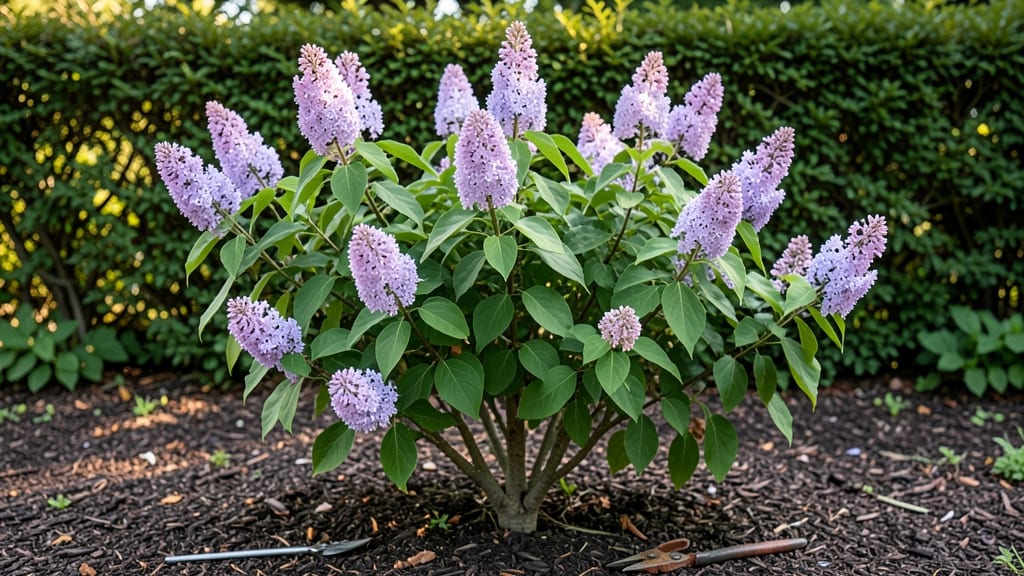
This reblooming lilac tree can burst into twice-yearly fragrance with the right timing and cuts—no magic involved. ✨ I’ve turned my once-a-year lilac into a fragrant showstopper by mastering a few key pruning tricks that most gardeners overlook.
The secret lies in when you cut and how you shape the branches, not how aggressively you prune.
Most people prune lilacs too late or too hard, which stunts reblooming. Instead, you’ll focus on light trims after the first flush of flowers and avoiding heavy cuts in late summer. A balanced fertilizer in early spring and consistent moisture keeps the tree energized for that second bloom.
My tree now puts on a second show in late summer, filling the yard with that classic lilac perfume.
You’ll end up with vibrant purple clusters appearing twice a year, and the tree stays healthy with fewer pests or dead branches. The key is patience—reblooming takes a season or two to establish, but once it does, it’s a game-changer for curb appeal and fragrance.
Let’s get those blooms coming back!
This method works for all lilac varieties, whether you’ve got a mature tree or a young one just starting. The same principles apply, so you won’t need to learn a whole new system. Ready to transform your lilac into a year-round star?
📚 In This Guide
- What you need
- Instructions
- Tips and common mistakes
- Wrapping up and next steps
What you need
- ● Pruning shears or loppers – Choose sharp, clean tools with bypass blades (avoid anvil shears to prevent crushing stems). A 5-7 inch pair is ideal for most lilacs.
- ● Rubbing alcohol (70% isopropyl) or bleach solution – For sterilizing tools between cuts (1 part bleach to 10 parts water).
- ● Garden gloves – Heavy-duty nitrile or leather gloves to protect against thorns and sap.
- ○ Pruning saw (optional but helpful) – For thicker stems over ½ inch in diameter.
- ● Trash bags or bucket – To collect pruned branches and debris.
- ● Hand pruners with a bypass blade – For precision trimming of smaller stems.
- ● Lilac fertilizer (balanced 10-10-10 or rose-specific) – Apply after pruning to encourage new growth.
- ● Mulch (shredded bark or compost) – Spread 2-3 inches around the base to retain moisture.
- ● Watering can or hose with a gentle spray nozzle – For post-pruning hydration.
- ● Notebook & pen – To track pruning dates and blooming progress!
Step-by-Step instructions for encouraging a lilac tree to rebloom
Here's the straightforward method I've used to keep my lilacs flowering twice a year.
✂️ Step 1: Prune After First Bloom
Wait until your lilac finishes its first flush of flowers and the blooms start to fade. This is your cue to prune—cutting back the spent flowers stimulates new growth that will produce the second bloom. I use clean, sharp pruning shears to make cuts just above a set of leaves or a bud that's facing outward. This ensures the plant directs energy to new growth rather than sealing off old stems.
Remove only the flowered stems, leaving the rest of the plant intact. The key here is precision: avoid cutting into old wood, which won't produce new blooms. You'll know you're doing it right when you see fresh green growth emerging from the pruned stems within a few weeks.
☀️ Step 2: Provide Optimal Growing Conditions
Reblooming lilacs thrive in full sun, so position your tree where it gets at least 6 hours of direct sunlight daily. If your tree is in partial shade, it may produce fewer blooms or skip the second flowering entirely. I've found that morning sun paired with afternoon shade works best in hot climates, as it prevents wilting while still providing enough energy for reblooming.
Ensure the soil stays consistently moist but well-drained. Lilacs hate soggy roots, so if your soil drains poorly, consider amending it with compost or planting in a raised bed. A 1-2 inch layer of mulch around the base (but not touching the trunk) helps retain moisture and regulate soil temperature—critical for encouraging a second bloom cycle.
💧 Step 3: Fertilize Strategically
After the first bloom, apply a balanced, slow-release fertilizer (like a 10-10-10 formula) in early summer to support new growth. I use about ½ cup per tree, spread evenly around the root zone and lightly worked into the top inch of soil. This timing is crucial—fertilizing too early can encourage leafy growth at the expense of flowers, while waiting too long may not give the plant enough energy for a second bloom.
Water deeply after fertilizing to help the nutrients penetrate the soil. Keep the soil moist but not waterlogged for the next 4-6 weeks, as this is when the tree is building the energy reserves needed for the second flowering. You'll notice new shoots forming along the pruned stems—these are your future blooms.
⏰ Step 4: Light Pruning Before Winter
In late fall, after the second bloom has faded, do a final light pruning to shape the tree and remove any dead or crossing branches. This keeps the tree healthy and prevents overcrowding, which can reduce flowering. I focus on thinning out the center to improve air circulation—this helps prevent fungal diseases that can weaken the tree and reduce blooming.
Stop fertilizing by mid-summer to allow the tree to harden off for winter. Lilacs are hardy, but they need time to prepare for dormancy. You'll see the leaves turn yellow and drop naturally, signaling that the tree is ready for winter. A light layer of mulch (about 2-3 inches) around the base will protect the roots from freezing temperatures.
Tips & tricks for encouraging lilac trees to rebloom
Took me years of trial and error to perfect these simple yet transformative tricks for coaxing that second bloom from your lilacs.
Pruning Precision: When you're ready to prune in Step 1, focus on cutting just above a leaf bud that faces outward—not just any bud. This outward-facing orientation ensures new growth will spread away from the center, creating a fuller, more open tree structure. I've seen too many lilacs develop dense centers that block sunlight and prevent future blooms. Use a sharp pair of pruning shears to make clean cuts at a 45-degree angle about 1/4 inch above the bud. This technique reduces the risk of disease entering the plant through jagged cuts.
Sunlight Strategy: The 6 hours of direct sunlight mentioned in Step 2 is non-negotiable for reblooming success. If your tree gets less than that, consider supplementing with a grow light during the critical spring and summer months when blooming occurs. I've had great results with LED grow lights placed about 18 inches above the tree for 12 hours daily. For existing shade issues, you might need to relocate the tree to a sunnier spot—lilacs are surprisingly adaptable if you give them proper light.
Fertilizer Timing: That ½ cup of 10-10-10 fertilizer in Step 3 should be applied right after the first bloom fades but before new shoots appear. This timing is crucial because it gives the tree energy to develop the flower buds for your second bloom. I've found that applying it too early can result in excessive leaf growth at the expense of flowers. After applying, water thoroughly to help the nutrients penetrate the soil. You'll notice the difference in just a few weeks when new growth appears along the pruned stems.
Mulch Magic: The 1-2 inch layer of mulch mentioned in Step 2 serves multiple purposes beyond just moisture retention. It also helps regulate soil temperature, which is particularly important during the critical 4-6 week period after fertilizing. I recommend using organic mulch like shredded bark or wood chips, which will break down over time and improve your soil's texture. Just be sure to keep it 2-3 inches away from the trunk to prevent moisture buildup that could lead to rot.
Pro Tips for Reblooming Lilac Tree
- Took me years of trial and error to perfect these simple yet transformative tricks for coaxing that second bloom from...
- Pruning Precision: When you're ready to prune in Step 1, focus on cutting just above a leaf bud that faces outward—no...
- Sunlight Strategy: The 6 hours of direct sunlight mentioned in Step 2 is non-negotiable for reblooming success. If yo...
Frequently asked questions
Got questions about keeping your lilac tree blooming all season? Here are some of the most common concerns—and their solutions!
Why doesn’t my lilac tree rebloom naturally?
Most lilacs bloom once in spring because they produce flowers on old wood (last year’s growth). To encourage reblooming, prune strategically after the first flush of flowers. Reblooming varieties (like ‘Dwarf Korean’ or ‘Miss Canada’) are bred for multiple blooms but still need proper care!
When is the best time to prune for reblooming?
Prune right after the first spring bloom (late May–early June) to avoid cutting off next year’s flower buds. Avoid heavy pruning in fall or winter—this removes potential blooms. Light shaping in early spring (before buds swell) is fine, but keep cuts minimal to preserve energy for flowers.
How much should I cut back to encourage reblooming?
Remove no more than 1/3 of the plant’s height at a time. Focus on dead, crossing, or overcrowded branches first. For reblooming, trim just above a set of leaf buds (not bare wood). Over-pruning stresses the tree and reduces flowers—think “less is more”!
Can I force a lilac to rebloom if I prune at the wrong time?
If you prune too late (after July), you’ll likely lose that year’s blooms. However, lilacs are resilient! With consistent care (watering, fertilizing, and proper pruning next season), they’ll bounce back. For immediate results, opt for reblooming varieties or use flowering sprays (like Apex) in early spring.
What if my lilac tree isn’t reblooming after pruning?
Check these fixes:
- Water deeply (1–1.5 inches/week) during dry spells.
- Fertilize in early spring with a balanced 10-10-10 or high-phosphorus formula.
- Ensure full sun (6+ hours daily)—shady spots weaken blooms.
- Watch for pests (aphids, borers) or disease (powdery mildew).
Wrapping up and next steps
Revitalizing your lilac tree to bloom year-round is simpler than you think—just a little pruning know-how and patience! With the right timing, tools, and techniques, you can enjoy that intoxicating fragrance well beyond its usual spring show. 🌸
Ready to transform your garden? Start by observing your tree this season—note its growth patterns and blooms. Then, grab your shears and follow our step-by-step guide to keep those flowers coming. Your future self (and your neighbors!) will thank you.
Pro tip: Share your reblooming lilac success with fellow gardeners—inspiration spreads like wildfire! ✨