
Flowers
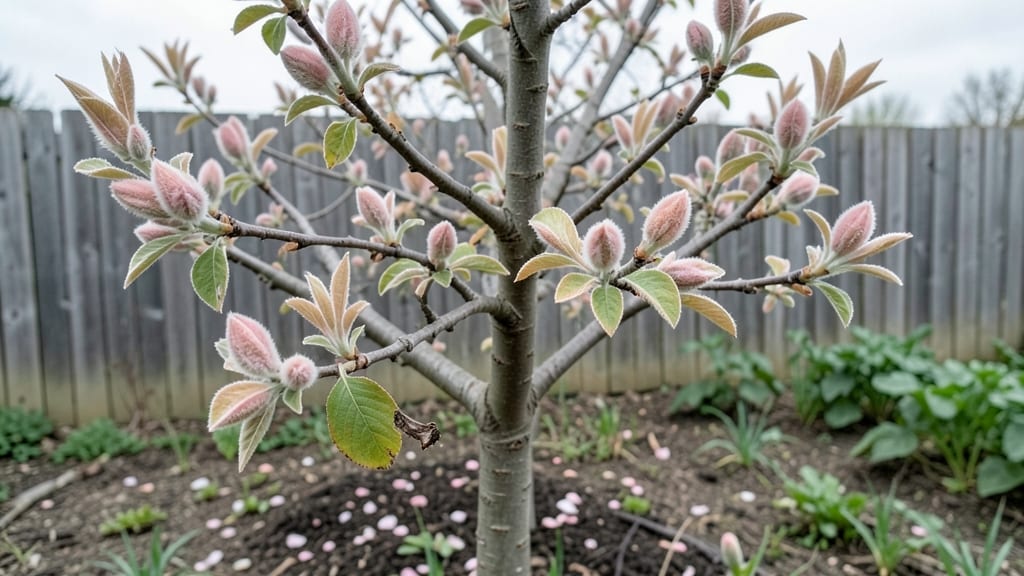
Apricot tree flowers in the Pacific Northwest are a gardener's secret weapon—frost-resistant blooms that turn your yard into a springtime spectacle while promising a summer harvest. 🌸 I’ve watched my own trees push through late frosts to reveal delicate pink blossoms that outshine many fruit trees in our chilly climate.
The key isn’t just planting the right variety, but understanding when those flowers appear, how to protect them from erratic weather, and how to coax the tree into producing year after year.
The magic happens in late March or early April, when temperatures stabilize above 35°F for at least a week. That’s when your tree’s flowers unfurl, drawing in bees for pollination—so timing matters.
You’ll need a well-drained spot with full sun, a pruning saw for shaping branches, and patience for the first few seasons while the tree establishes. The payoff? A tree that rewards you with juicy, late-season fruit while handling our region’s notorious frost pockets better than most.
What you’ll get is a tree that blooms reliably, even when neighbors’ fruit trees fail. The flowers themselves are stunning—soft pink clusters that perfume the air before the leaves even emerge.
With proper pruning (cutting back in late winter) and a little frost protection (like row covers for early blooms), you’ll maximize both beauty and harvest. The first year might be modest, but by year three, you’ll have pounds of apricots and a tree that’s the star of your spring garden.
Works for home gardens, urban yards, and even containers if you choose dwarf varieties. The same principles apply whether you’re in Seattle’s rainy climate or the drier eastern PNW—just adjust your frost protection timing. Let’s get those blooms thriving!
📚 In This Guide
- What you need
- Instructions
- Tips and common mistakes
- Wrapping up and next steps
What you need
- ● Apricot tree saplings or seeds: 1–3 frost-resistant apricot tree saplings (e.g., Prunus armeniaca varieties like ‘Gold Bar’ or ‘Royal Robin’). Check local nurseries for PNW-hardy options.
- ○ Optional: Seeds from organic apricots (requires 6–12 months for germination).
- ● Well-draining soil: Mix of 60% topsoil, 30% compost, and 10% perlite or coarse sand (pH 6.0–7.0).
- ● Fertilizer: 10-10-10 balanced fertilizer (1 lb per tree) or organic options like alfalfa meal (5 lbs per 100 sq ft).
- ○ Optional: Slow-release granules for spring planting.
- ● Hand trowel or transplanting spade (for saplings).
- ● Garden fork (to aerate soil).
- ● Pruning shears (sterilized with rubbing alcohol).
- ● Watering can or hose with a gentle nozzle (1–2 gallons per tree, 2–3x/week).
- ○ Optional: Mulch (wood chips or straw, 2–3 inches thick) to retain moisture.
- ● Frost cloth (for young trees in late spring/early fall).
- ● Soil moisture meter (to monitor watering needs).
- ● Location: Full sun (6+ hours/day) and protection from strong winds. Avoid frost pockets!
- ● Timing: Plant bare-root saplings in late winter/early spring (before buds swell).
- ● Sow seeds indoors 8–10 weeks before last frost (March–April in PNW).
- ● Cross-pollination: Plant at least two compatible apricot trees (e.g., ‘Gold Bar’ + ‘Royal Robin’) for fruit production.
Step-by-Step guide for encouraging apricot tree flowers in cold climates
Here’s how to coax vibrant blooms from your Pacific Northwest apricot tree—even when frost lingers.
🌱 Step 1: Prune for Sunlight and Airflow
Start in late winter or early spring before buds swell. Remove any dead, crossing, or diseased branches first—they steal energy from new growth. I like to make cuts just outside the branch collar, where the branch meets the trunk, to avoid leaving stubs that invite rot.
Next, thin out the canopy to let sunlight reach the center of the tree. Aim for an open, vase-like shape so air circulates freely. This prevents fungal diseases like brown rot, which can wipe out blossoms before they open. You’ll know you’ve done it right when you can see light filtering through the branches on a sunny day.
☀️ Step 2: Time Fertilizer for Bloom Season
Apply a balanced, slow-release fertilizer (10-10-10 or similar) in early spring, just as buds begin to swell. This gives the tree the nutrients it needs to push out strong, healthy flowers. I sprinkle it evenly under the drip line—about halfway between the trunk and the tree’s edge—and water it in deeply.
Skip summer fertilizing, though. Too much nitrogen now encourages leafy growth at the expense of next year’s flower buds. Instead, focus on organic matter like compost spread lightly around the base. The key is feeding when the tree is naturally preparing for bloom, not during its resting phase.
💧 Step 3: Water Deeply During Critical Phases
Water the tree deeply every 10-14 days during dormancy (winter) to prevent root stress. Then, ramp up to once a week as buds break in early spring. The soil should be moist 6 inches down—stick your finger in to check. If it feels dry, water again.
Here’s the thing—overwatering now can drown roots, but underwatering stresses the tree and weakens flowers. Look for wilted leaves or premature leaf drop as signs you’re off balance. A soaker hose or drip irrigation system keeps moisture even without soggy soil.
⏰ Step 4: Protect Flowers from Late Frost
Apricot trees bloom early, so late frosts are their biggest threat. Cover blossoms with frost cloth or row covers on nights when temperatures dip below 28°F. Secure the edges tightly so wind doesn’t tear it. Remove covers by mid-morning to let sunlight warm the tree naturally.
If frost hits after petals fall, don’t panic—some flowers may still set fruit. But if buds blacken or wilt, prune them off immediately to redirect the tree’s energy. This is where patience pays off; a few tough seasons build a stronger tree for future blooms.
Tips & tricks for perfect apricot tree flowers in cold climates
Here’s what I’ve learned after years of coaxing apricot trees into bloom in the Pacific Northwest’s unpredictable climate.
Pruning Precision: When you’re thinning the canopy in Step 1, aim to remove about 25-30% of the branches—this creates that ideal open shape without stressing the tree. I use sharp pruning shears and make clean cuts at a 45-degree angle just outside the branch collar. This prevents water from pooling and causing rot, which is especially important in our damp climate.
Fertilizer Timing: In Step 2, the key is applying that balanced fertilizer right as buds begin to swell, not before. I test my soil first to see if it needs nutrients—if it’s already rich, I might skip the fertilizer entirely and just add compost. Too much nitrogen too early can actually delay blooming, which is the last thing we want in our short growing season.
Frost Protection Strategy: For Step 4, I’ve found that removing frost cloth by mid-morning is crucial—even if temps are still chilly. The goal is to let sunlight warm the tree naturally, which helps prevent condensation buildup that can invite fungal diseases. I also like to use double layers of frost cloth for extra protection during our most brutal frost nights, especially when temps dip below 28°F.
Watering Wisdom: The 6-inch moisture check in Step 3 is non-negotiable. I’ve learned the hard way that soggy soil can be just as damaging as dry soil. If your tree’s leaves start wilting or dropping prematurely, it’s a sign you need to adjust your watering schedule. In our region, I often use a rain gauge to track natural precipitation and only supplement when we’ve had less than 1 inch of rain in two weeks.
Pro Tips for Apricot Tree Flowers
- Here’s what I’ve learned after years of coaxing apricot trees into bloom in the Pacific Northwest’s unpredictable climate.
- Pruning Precision: When you’re thinning the canopy in Step 1, aim to remove about 25-30% of the branches—this creates that ideal open shape without stressing the tree.
- Fertilizer Timing: In Step 2, the key is applying that balanced fertilizer right as buds begin to swell, not before.
Frequently asked questions
Got questions about nurturing apricot tree flowers in the Pacific Northwest? You’re not alone! Here are answers to the most common queries—from timing to troubleshooting—so you can enjoy those stunning blooms without the guesswork.
When do apricot tree flowers bloom in the PNW?
Apricot tree flowers typically bloom in early to mid-spring (March–April), depending on your exact location and microclimate. In the PNW, warmer valleys (like the Willamette Valley) may see blooms slightly earlier than cooler coastal areas. Frost-sensitive varieties benefit from protection strategies during this window.
How can I protect apricot flowers from late frosts?
Late frosts (<32°F) can damage delicate apricot blooms, but you can minimize risks with these steps:
- Cover plants with frost cloth or row covers when frost is forecasted.
- Use smoke or wind machines to raise temperatures slightly.
- Plant frost-resistant varieties like ‘Goldcot’ or ‘Royal’ apricots.
- Avoid overhead watering before frost—wet flowers freeze faster.
Can I grow apricot trees from seeds, or should I buy grafted trees?
While you can grow apricots from seeds, the trees won’t produce fruit true to the parent plant—expect unpredictable varieties and slower growth. For reliable blooms and fruit, opt for grafted nursery trees, which are disease-resistant and fruit-bearing within 3–5 years.
Do apricot tree flowers need pollinators?
Yes! Apricot trees are self-pollinating but benefit from bees. Planting a second apricot tree (or a compatible fruit tree like peach or plum) nearby can increase fruit set. If bees are scarce, hand-pollinate with a small brush on dry, sunny mornings when flowers are fully open.
Why aren’t my apricot tree flowers turning into fruit?
Missing fruit? Common culprits include:
- Frost damage to blooms or young fruit.
- Insufficient pollination (see above).
- Improper pruning (over-pruning reduces flowering).
- Nutrient deficiencies—test soil for nitrogen, phosphorus, and potassium.
- Pests like aphids or mites feeding on flowers.
Wrapping up and next steps
Apricot tree flowers bring a burst of color and resilience to the Pacific Northwest’s gardens, thriving even in cooler climates.
Whether you’re a seasoned gardener or just starting, these blooms reward patience with fragrant beauty and delicious fruit. Now’s your chance to plant the future—start by choosing the right variety, preparing your soil, and nurturing those delicate petals into a flourishing tree!
🌱 Ready to grow? Grab your gloves, pick a sunny spot, and take the first step—your apricot tree’s journey begins with you! 🌸