
Trees
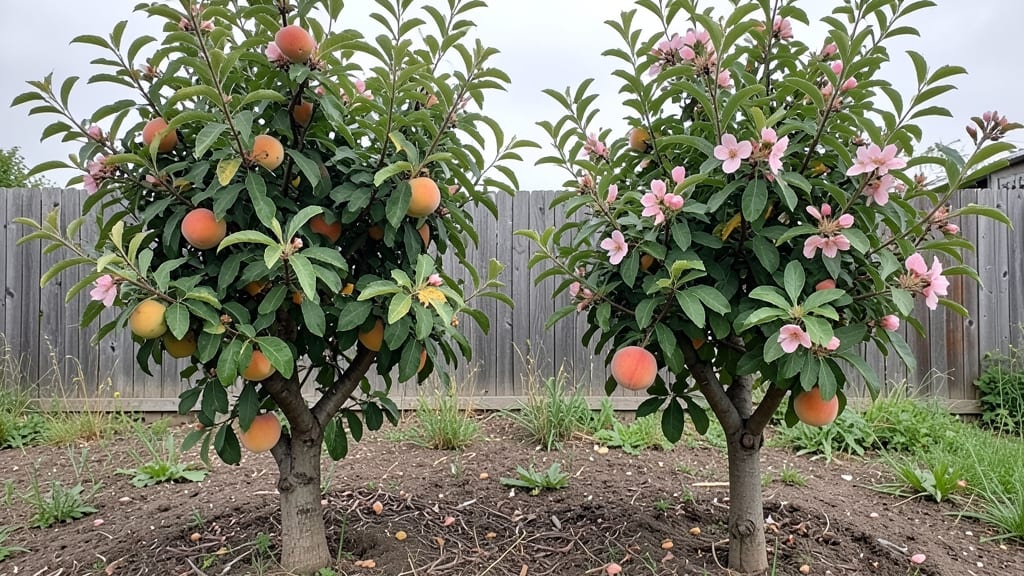
Peach trees don’t always need two for fruit—it depends on the variety. ✨ I’ve planted both self-pollinating and cross-pollinating types, and the difference in harvests is night-and-day. Some peaches set fruit solo, while others rely on a partner tree for better yields.
The key is checking your tree’s label or variety name before planting. Self-pollinating types like ‘Redhaven’ or ‘Elberta’ produce fruit alone, while cross-pollinators like ‘J.H. Hale’ need a neighbor within 50 feet for optimal fruit set. Even self-pollinators often produce more with a partner.
With the right variety, you’ll end up with juicy, sun-ripened peaches that taste nothing like store-bought. The secret is knowing your tree’s needs upfront—so you’re not left with blossoms but no fruit. Let’s break down the varieties and spacing that work best.
Whether you’re planting one or two, proper care makes all the difference. From pruning to pest control, these small steps turn a single tree into a productive peach powerhouse. Ready to grow your own harvest?
📚 In This Guide
- What you need
- Instructions
- Tips and common mistakes
- Wrapping up and next steps
What you need
- ● Peach tree varieties: At least one self-pollinating or early-blooming variety (e.g., ‘Elberta,’ ‘Redhaven’).
- ● One or two complementary pollinating varieties (e.g., ‘J.H. Hale’ pairs well with ‘Elberta’). Check local recommendations!
- ● Planting site: Full sun (6+ hours/day).
- ● Well-draining soil (pH 6.0–7.0).
- ● Space: 15–20 feet apart for mature trees.
- ● Tools: Shovel or spade.
- ● Garden trowel.
- ● Pruning shears (sterilized).
- ● Mulch (2–4 inches of organic material like wood chips).
- ● Fertilizer: Balanced 10-10-10 or citrus-specific fertilizer (follow package rates).
- ● Tree stakes and ties for support.
- ● Drip irrigation system for consistent watering.
- ● Bee-friendly plants (e.g., lavender, clover) to attract pollinators.
- ● Fruit tree spray (for pest/disease prevention).
Step-by-step guide to cross-pollinating peach trees for maximum fruit
Here's how to ensure your peach trees get the best chance at a fruitful harvest.
🌱 Step 1: Choose Compatible Peach Varieties for Pollination
Not all peach trees need a partner—some are self-pollinating, but they produce far fewer fruits. For the best results, plant two trees with overlapping bloom times. Varieties like 'Elberta' and 'Redhaven' pollinate each other beautifully, while 'Suncrest' or 'Relentless' can thrive alone but yield less. Check your local nursery for varieties labeled "self-fruitful" if space is limited.
Look for trees with similar bloom periods—if one blooms in early April and another in late April, they won’t help each other. The goal is to have both trees flowering at the same time so bees can transfer pollen efficiently. I always verify bloom dates before buying, and it’s saved me from disappointment more than once.
☀️ Step 2: Position Trees for Optimal Pollination
Plant your peach trees 15-20 feet apart—close enough for bees to fly between them but far enough to avoid root competition. Place them where they’ll get full sun (6-8 hours daily) and shelter from strong winds, which can damage blossoms. A south-facing location works best in most climates, but adjust based on your region’s sun patterns.
Bees are lazy—they won’t travel far if flowers are too spread out. If your yard is large, plant a third tree between the two to ensure even pollination. You’ll notice more bees buzzing between trees when they’re properly spaced, and that’s your sign it’s working.
💧 Step 3: Support Pollinators During Bloom
Peach trees rely on bees, so avoid pesticides during bloom season. If you must treat for pests, do it after dark when bees are inactive. Planting bee-friendly flowers like lavender or clover nearby also helps attract pollinators. Even a small patch of native wildflowers can make a difference in fruit set.
Water deeply once a week during bloom to keep soil moist but not soggy. Stress from drought or overwatering weakens flowers, reducing their ability to attract bees. A quick check—if the top 2 inches of soil feel dry, it’s time to water. Too much water, though, and roots suffocate.
✂️ Step 4: Prune for Better Airflow and Fruit Development
Thin out crowded branches in late winter or early spring before buds swell. Remove any dead, crossing, or diseased wood to improve airflow—this prevents fungal issues and helps bees navigate the tree. Aim for an open center so sunlight reaches all blossoms.
After pollination, thin fruits to 6-8 inches apart once they’re the size of a ping-pong ball. This ensures larger, healthier peaches instead of a heavy load that stresses the tree. I always leave the biggest, healthiest-looking fruits first—they’ll reward you with the best flavor.
Tips & tricks for perfect peach tree pollination
Real talk: Even with the right varieties, small mistakes can ruin your peach harvest. Here's how to maximize those sweet rewards.
Variety Verification: When choosing your two trees, don't just trust the nursery's word—call ahead to confirm their exact bloom dates. I learned this the hard way after planting 'Elberta' and 'Redhaven' only to discover their bloom windows overlapped by just 3 days. For guaranteed success, look for varieties with at least a 5-day overlap in bloom periods. The nursery might say they're compatible, but bloom charts tell the real story.
Pollinator Partnership: That third tree I mentioned? It's not just for large yards. Even in small spaces, planting a third variety with a slightly different bloom time creates a "pollination bridge" when early and late bloomers need extra support. For example, add 'Crimson Snow' between your 'Elberta' and 'Redhaven'—its mid-season bloom ensures continuous bee activity. You'll notice the difference in fruit set within weeks.
Pruning Precision: When thinning fruits to 6-8 inches apart, focus on removing the smallest and least healthy-looking peaches first. The biggest, firmest fruits with no blemishes are your winners. I always do this on a dry morning when the fruits are firm—wet conditions make them more fragile. This step isn't just about quantity; it's about quality. Those 6-8 inches apart give each peach room to grow to its full potential without competing for nutrients.
Seasonal Strategy: The once-a-week watering during bloom is critical, but don't stop there. After fruit set, reduce to every 10-14 days unless you're in extreme heat. Overwatering now can cause fruit split and fungal issues. I mark my calendar for bloom season (early April) and again for fruit development (June) to adjust my watering schedule accordingly. The key is keeping the soil consistently moist but never soggy—think of it as giving your trees a drink, not a bath.
Pro Tips for Do You Need Two Peach Trees
- Real talk: Even with the right varieties, small mistakes can ruin your peach harvest.
- Variety Verification: When choosing your two trees, don't just trust the nursery's word—call ahead to confirm their exact bloom dates.
- Pollinator Partnership: That third tree I mentioned?
Frequently asked questions
about needing two peach trees for successful pollination—and how to troubleshoot common challenges.Do all peach trees need two trees for fruit?
Not always! Some self-pollinating peach varieties (like 'Redhaven' or 'Elberta') can produce fruit alone, but yields are often 20-50% lower. For best results, plant two compatible trees (same blooming time) within 50–100 feet for optimal cross-pollination.
When should I plant a second peach tree?
Plant your second tree in late winter or early spring (before buds swell) or fall (6–8 weeks before frost). Avoid transplanting during active growth (spring/summer) to reduce shock. If adding a tree later, ensure it blooms within 2–3 days of your first tree for effective pollination.
Can I use a nectarine tree instead of a peach tree?
No—nectarines are self-sterile and cannot pollinate peaches (or vice versa). However, you can plant two nectarine varieties or one nectarine + one peach (if they bloom simultaneously). Check labels for cross-compatibility to avoid wasted effort!
What if my peach trees aren’t producing fruit?
Check these common issues:
- Poor pollination: Ensure bees visit (plant bee-friendly flowers nearby).
- Wrong varieties: Verify both trees bloom at the same time.
- Environmental stress: Drought, extreme heat, or frost can reduce flowering.
- Young trees: Peaches take 3–5 years to bear fruit.
Are there dwarf peach trees that work in pairs?
Yes! Dwarf varieties like 'Bonanza' or 'Flavor Grenade' thrive in containers or small yards and still need a pollinator. Space them 10–15 feet apart for airflow and plant two different varieties (e.g., one early-blooming, one late-blooming) to extend your harvest season.
Wrapping up and next steps
So, do you need two peach trees for a sweet harvest? The answer depends on your goals! 🌳 While some varieties thrive alone, most peaches benefit from a pollination partner—especially if you crave juicy, flavorful fruit.
If you’re ready to grow, pick complementary trees, plan their placement, and enjoy the rewards of nature’s teamwork.
Ready to take the next step? Start small—research your local climate, choose a few varieties, and watch your orchard (or even a single tree!) flourish. Happy planting! 🌱