Pruning
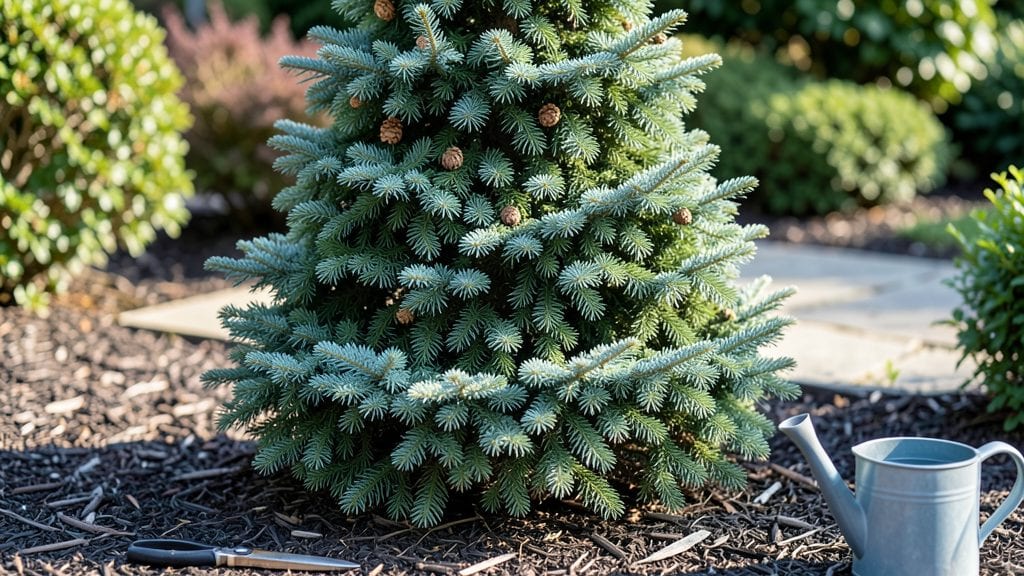
Proper arbor vitae tree care in the Pacific Northwest hinges on timing and technique—especially for frost-resistant varieties that flourish in your climate. 🌿 I’ve pruned these evergreens for years, and the key is working with their natural resilience while avoiding the common mistakes that leave trees looking ragged or stressed.
The right approach starts with sharp pruners and a clear plan: focus on shaping in late winter or early spring, when the tree isn’t under frost stress. Pacific Northwest arbor vitae need minimal pruning—just enough to remove dead branches, thin crowded growth, and maintain their signature pyramid shape.
Over-pruning weakens the tree, while proper cuts encourage dense, healthy foliage that resists winter damage.
By summer, you’ll see the payoff: vibrant green branches that stay lush even after heavy frost, and a tree that looks effortlessly structured without constant maintenance.
The secret is patience—arbor vitae respond best to gradual shaping rather than drastic cuts. Let’s get your tree looking its best for years to come.
This method works for both young saplings and mature trees, whether you’re dealing with a small yard or a larger landscape. The same principles apply whether you’re pruning a single tree or a row of them—just scale the effort to the size of your project.
Ready to transform your arbor vitae into a standout feature?
📚 In This Guide
- What you need
- Instructions
- Tips and common mistakes
- Wrapping up and next steps
What you need
- ● Pruning shears: Bypass pruners (for cuts up to ½ inch thick) – 1 pair (look for ergonomic, stainless-steel blades).
- ● Loppers: For branches ½ to 2 inches thick – 1 pair (long-handled for reach).
- ● Pruning saw: Curved-tooth saw for thicker branches (2+ inches) – 1 (avoid straight teeth to prevent tearing).
- ● Ladder: Extendable aluminum ladder (16–24 ft) – 1 (with non-slip feet and stabilizers).
- ● Gloves: Heavy-duty, cut-resistant gloves – 1 pair (gardening or pruning-specific).
- ● Disinfectant: 70% isopropyl alcohol or pruning sealant – small bottle (to prevent disease spread).
- ● Heavy-duty trash bags: For debris removal – 2–3 bags (or a wheelbarrow if hauling large branches).
- ○ Rope or harness: For securing yourself (if working high) – optional but recommended.
- ● Weather: Prune on a dry, calm day (avoid frost or rain within 24 hours).
- ○ Safety gear: Safety glasses and ear protection (if using a chainsaw for large branches) – optional.
- ○ Tree wrap: For young arbor vitae (to protect from sunscald in winter) – optional.
Step-by-Step arbor vitae tree care for Pacific Northwest climates
Here's how to keep your frost-resistant evergreen thriving through PNW winters.
🌿 Step 1: Assess Your Arbor Vitae's Health and Growth Habits
Start by examining your arbor vitae's overall condition in late winter or early spring before new growth begins. Look for any dead, brown branches—these will need removal to prevent disease spread. Healthy trees should have vibrant green foliage with no yellowing needles, which could indicate nutrient deficiencies or pests.
Check the tree's natural shape and growth pattern. Arbor vitae typically grow in a conical form, with branches extending outward. If you notice excessive inward growth or branches crossing each other, these will need pruning to maintain the tree's natural form and allow better air circulation. I always use a small flagging tape to mark branches for removal—it keeps me organized and prevents accidental cuts.
✂️ Step 2: Prune for Structure and Frost Resistance
Prune your arbor vitae during its dormant season, which in the Pacific Northwest typically runs from late fall through early spring. This timing helps the tree recover quickly and prevents frost damage from new cuts. Use clean, sharp pruning shears to make cuts just above a healthy bud or branch collar—never leave stubs, as they can invite disease.
Focus on removing about 10-15% of the tree's total volume in any single pruning session. For a mature arbor vitae, this means cutting back only the most problematic branches—those that are dead, diseased, or rubbing against others. Avoid heavy pruning, as arbor vitae respond poorly to aggressive cuts and may produce excessive water sprouts, which weaken the tree.
☀️ Step 3: Optimize Light and Airflow for Winter Survival
Thin out dense areas of the tree to improve light penetration and airflow. Arbor vitae in the Pacific Northwest often face damp, foggy conditions, so good airflow helps prevent fungal issues like needle blight. Step back and visualize the tree from all sides—you should see light filtering through the branches evenly. If one side looks too dense, that's where you'll focus your pruning.
Remove any branches growing straight upward or inward. These compete for energy and can create weak points in the tree's structure. Instead, encourage outward growth by selectively pruning upward branches back to a lateral branch. This creates a stronger, more resilient canopy that can better withstand winter winds and frost.
💧 Step 4: Water and Mulch for Frost Protection
After pruning, water your arbor vitae deeply to help it recover. In the Pacific Northwest's wet climate, arbor vitae typically don't need supplemental watering unless you're dealing with an unusually dry spell. However, a deep watering in early spring encourages root growth, which helps the tree withstand winter frost. Water at the base of the tree, keeping the soil moist but not waterlogged.
Apply a 2-3 inch layer of mulch around the tree's base, keeping it a few inches away from the trunk to prevent rot. Use organic mulch like wood chips or shredded bark, which will also break down over time and improve soil quality. Mulch helps insulate the roots during cold snaps, which is especially important in the PNW's unpredictable winter weather. Replenish the mulch annually to maintain its protective layer.
⏰ Step 5: Monitor and Maintain Year-Round
Check your arbor vitae regularly throughout the year for signs of stress or pests. In the Pacific Northwest, arbor vitae can sometimes face issues like spider mites or bagworms. If you notice webbing or discolored needles, address the problem immediately with appropriate treatments. I like to use horticultural oil for spider mites and manually remove bagworm cases when I spot them.
In late winter, before new growth begins, give your arbor vitae a light application of balanced, slow-release fertilizer. Arbor vitae aren't heavy feeders, so a small amount—about ½ pound of 10-10-10 fertilizer per 100 square feet of root zone—is plenty. This timing ensures the tree has the nutrients it needs to push out strong new growth in the spring, which is crucial for frost resistance.
Tips & tricks for perfect arbor vitae tree care
These simple but game-changing strategies will help your PNW arbor vitae thrive through every winter. Here's what I've learned from years of pruning these frost-resistant beauties.
Pruning Precision: When removing those 10-15% of branches in Step 2, focus on making cuts just above a healthy bud or branch collar—not where you think it looks right. I use a small ruler to measure exactly ¼ inch above the bud. This precise cut prevents water from pooling in the wound, which is crucial for preventing disease in our damp PNW climate. The cleaner the cut, the faster the tree heals.
Seasonal Timing Secret: The late fall through early spring window for pruning (Step 2) gives arbor vitae time to recover before summer heat stress. But here's what nobody tells you—if you must prune in summer, do it on a cool, cloudy day to reduce moisture loss. I've seen arbor vitae wilt dramatically after summer pruning on hot days, so timing matters more than you'd think.
Mulch Magic: That 2-3 inch layer of mulch in Step 4 isn't just about insulation—it's a moisture regulator too. In our wet winters, proper mulching prevents waterlogging while keeping roots warm. I like to use cedar mulch because it naturally repels pests while breaking down slowly. Just remember to pull it back a few inches from the trunk to prevent rot.
Fertilizer Formula: The ½ pound of 10-10-10 fertilizer per 100 square feet in Step 5 is perfect, but here's the trick: apply it when the soil is slightly moist—not soaking wet. I water the area first, then sprinkle the fertilizer, then water again to help it settle into the soil. This gives arbor vitae the gentle nutrient boost they need without overwhelming their delicate root systems.
Pro Tips for Arbor Vitae Tree Care
- These simple but game-changing strategies will help your PNW arbor vitae thrive through every winter.
- Pruning Precision: When removing those 10-15% of branches in Step 2, focus on making cuts just above a healthy bud or branch collar—not where you think it looks right.
- Seasonal Timing Secret: The late fall through early spring window for pruning (Step 2) gives arbor vitae time to recover before summer heat stress.
Frequently asked questions
Got questions about keeping your arbor vitae thriving in the Pacific Northwest’s chilly climate? Here are answers to the most common concerns—from pruning timing to frost resilience and troubleshooting.
When is the best time to prune arbor vitae in the PNW?
Prune your arbor vitae in late winter or early spring (February–March) before new growth starts. Avoid heavy pruning in fall or winter, as it can stress the tree and leave it vulnerable to frost damage. Light shaping in summer is fine, but focus on removing dead branches—never more than 25% of the foliage at once.
How do I protect my arbor vitae from frost and winter damage?
Arbor vitae is frost-resistant, but young trees or newly pruned branches may need extra care. Mulch the base with 2–3 inches of wood chips to insulate roots, and avoid pruning in late fall (after October). If heavy snow bends branches, gently prop them up—never force them back. Water deeply before winter to help roots withstand freezing.
Can I prune arbor vitae in summer, or will it harm the tree?
Light summer pruning (e.g., removing brown or crossing branches) is safe, but avoid heavy cuts. Summer pruning can stress the tree, making it more susceptible to spider mites or sunburn on exposed wood. If you must prune, do it on a cool, cloudy day and water afterward. Focus on health over aesthetics—never trim more than 10% of the canopy.
What should I do if my arbor vitae’s branches turn brown after pruning?
Brown branches post-pruning are usually normal—they’re dead or dying wood you’re removing. However, if new growth also browns, check for:
Yes! If arbor vitae isn’t your style, consider these PNW-friendly alternatives:
Water deeply and fertilize lightly in spring if growth seems stunted.
Are there alternatives to arbor vitae for frost-resistant, low-maintenance trees?
Tree
Why It Works
Douglas Fir (Pseudotsuga menziesii)
Tolerates frost, fast-growing, and drought-resistant once established.
Western Red Cedar (Thuja plicata)
Native, evergreen, and handles pruning well—great for hedges.
Colorado Blue Spruce (Picea pungens)
Cold-hardy, striking blue foliage, and thrives in urban areas.
Wrapping up and next steps
Caring for your arbor vitae tree in the Pacific Northwest doesn’t have to feel overwhelming—with the right tools, timing, and techniques, you’ll nurture a thriving, frost-resistant beauty that stands the test of time. 🌲✨ Remember, pruning in late winter or early spring and protecting young trees from harsh winds are your best allies.
Ready to roll up your sleeves? Start by inspecting your tree this season—look for signs of stress or damage—and schedule a pruning session before the next growing cycle begins. Your arbor vitae will thank you with lush, vibrant growth for years to come!