Propagation
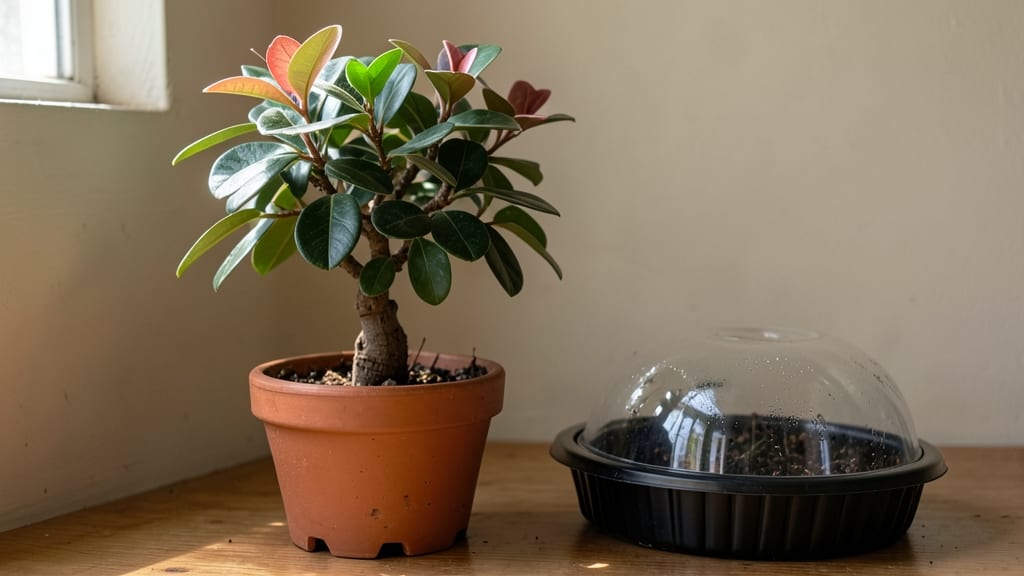
Growing a loquat tree from seed is like unlocking a tiny piece of paradise in your backyard—those first sweet-smelling blossoms will make every step worth it. 🌱 The process starts with fresh seeds from a ripe fruit (yes, you can eat them first), but here's the catch: seed-grown trees won't produce the same fruit as the parent.
Still, the journey is pure magic—watching those glossy leaves unfurl and the first branches form.
You'll need just a few supplies: a well-draining potting mix, a small pot with drainage holes, and patience (this isn't a fast-growing plant). The real secret? Keeping the soil consistently moist but never soggy during those first few weeks while the seed germinates.
Most seeds sprout within 4-6 weeks, though some stubborn ones take twice as long—don't give up!
Once your seedling appears, it's all about light and space. Place it in bright, indirect sunlight at first, then gradually introduce it to full sun as it grows. Within a year, you'll have a sturdy young tree ready for transplanting to the ground—if you're in a warm climate, that is.
Even if fruit quality varies, the lush foliage and fragrant flowers make it a winner.
Fair warning: loquat trees are sensitive to cold, so if you live in a chilly zone, plan to grow yours in a container and bring it indoors for winter. The payoff? A tree that thrives where others fail, with that tropical vibe year-round. Let's get those seeds started!
📚 In This Guide
- What you need
- Instructions
- Tips and common mistakes
- Wrapping up and next steps
What you need
- ● Loquat seeds: 3-5 fresh, plump seeds (harvested from ripe fruit—avoid store-bought seeds if possible, as they may not germinate well).
- ● Potting soil: 1 bag (1-2 cubic feet) of well-draining, sterile potting mix (look for a blend labeled for citrus or tropical plants).
- ● Small pots or seed trays: 3-5 biodegradable pots (3-4 inches in diameter) or a seed tray with individual cells.
- ● Plastic wrap or humidity dome: To create a mini greenhouse and retain moisture.
- ● Spray bottle: For gentle watering (avoid over-saturating the soil).
- ● Grow lights or sunny windowsill: A south-facing window or a 12-16 hour daily light source (LED grow lights work great).
- ● Seed scarification tool: Sandpaper (fine-grit, ~220-320) to lightly scratch the seed coat and encourage germination.
- ○ Heating mat (optional): A seedling heat mat (70-80°F) to speed up germination in cooler climates.
- ● Fertilizer: A balanced, water-soluble fertilizer (5-5-5 or 10-10-10 NPK ratio) for young seedlings.
- ● Pruning shears: Small, sharp scissors for trimming future growth.
- ● pH testing kit: To ensure your soil is slightly acidic (pH 6.0-7.0), ideal for loquat trees.
Step-by-step instructions for growing a loquat tree from seed
Here's how to nurture a tropical fruit tree from kitchen scraps—it's easier than you think.
🌱 Step 1: Extract and Prepare the Seed
Loquat seeds are nestled inside the fruit's large, flat pit. Crack open the pit with a nutcracker or hammer, then carefully pry out the single seed inside. Here's the thing—loquat seeds need stratification to break dormancy, so don't rush this step. Place the seed between two damp paper towels, roll them up, and secure with a rubber band.
Store the wrapped seed in a sealed plastic bag and refrigerate for 30-60 days. Check weekly—when the seed splits open slightly or shows a tiny root, it's ready. Cold stratification mimics winter conditions, tricking the seed into thinking it's time to grow. If you skip this, germination could take months or never happen.
💧 Step 2: Plant the Stratified Seed
Fill a 4-inch diameter pot with well-draining potting mix (loquats hate soggy roots). Plant the seed ½ inch deep—deeper than that, and it may rot before sprouting. Gently press the soil around it to remove air pockets. Place the pot in a warm spot with indirect light (a bright windowsill without direct sun).
Keep the soil consistently moist but not soggy—think of a wrung-out sponge. You'll know it's right when the top inch feels damp to the touch. Cover the pot loosely with plastic wrap to retain humidity, but remove it daily for 10 minutes to prevent mold. Germination can take 2-6 weeks, so patience is key. If nothing happens after 6 weeks, try stratifying the seed again for another 30 days.
☀️ Step 3: Provide Light and Gradually Acclimate
The instant the seedling emerges, move it to bright, indirect light for its first 2 weeks. Direct sun now will scorch tender new leaves. I like to place mine under a sheer curtain to filter harsh rays. Once the seedling has 2-3 sets of true leaves (not the first tiny cotyledons), it's ready for 4-6 hours of morning sun daily.
Loquat seedlings grow fast once they get light right. You'll see new leaves unfurl every 2-3 weeks—that's your signal everything's working. When the seedling reaches 6 inches tall, transplant it to a 6-inch pot with fresh potting mix. This prevents root-binding, which stunts growth. Real talk: Overcrowded roots mean weak trees that struggle to bear fruit later.
🪴 Step 4: Transition to Outdoor Conditions
After 3-4 months, when the seedling shows 4-5 sets of leaves, it's time to move it outside. Start by placing it in a sheltered spot (like under a patio cover) for 2 hours the first day. Gradually increase outdoor time by 1 hour daily over 10-14 days. This process is called "hardening off," and it's crucial—skipping it shocks the plant and causes leaf drop.
Choose a location with partial shade (loquats tolerate heat but need afternoon relief from intense sun). Water deeply 2-3 times weekly, letting the soil dry slightly between waterings. You'll know it's thirsty when the top inch feels dry to the touch. Once the seedling survives a full day outside without wilting, it's ready for its permanent spot. Loquats thrive in USDA Zones 8-11, but young trees can handle cooler temps if protected.
✂️ Step 5: Prune and Encourage Fruit Production
When your loquat reaches 3-4 feet tall, it's time to shape it. Use clean pruning shears to trim back any leggy growth or crowded branches. Cut just above a leaf node (the bump where leaves attach) at a 45-degree angle. This encourages bushier growth and better airflow, which prevents fungal diseases. I prune in late winter or early spring, right before new growth starts.
Loquat trees produce fruit on new wood, so regular pruning keeps them productive. Feed with a balanced citrus fertilizer (like 6-6-6) every 2 months during growing season. You'll see the first flowers in 3-5 years, but fruit may take even longer. Here's the payoff: Once established, a healthy loquat tree can yield 50-100 fruits per year—sweet, fragrant, and perfect for eating fresh or baking.
Tips & tricks for growing a loquat tree from seed
Here's what I learned after nurturing my own loquat tree from a kitchen scrap—these little details make all the difference.
Stratification Success: When checking your seed during the 30-60 day stratification period, look for a tiny white root emerging from the seed's bottom. This is your signal it's ready to plant. I've found that wrapping seeds individually in damp paper towels and storing them vertically in a small container keeps them organized and makes weekly checks easier. If your seed doesn't show signs of life after 60 days, don't give up—just give it another 30 days of cold treatment.
Lighting Strategy: That first 2 weeks of bright, indirect light is critical for young seedlings. I've had the best results using a grow light on a timer for 12 hours daily during this phase. If you don't have grow lights, place your seedling near an east-facing window where it gets gentle morning light. The sheer curtain trick works wonders for filtering harsh afternoon rays—just make sure it's breathable so the plant doesn't overheat.
Transplanting Timing: When moving your 6-inch seedling to its 6-inch pot, do it during the cloudy part of the day to reduce stress. I like to water the seedling thoroughly the day before transplanting, then again immediately after. This helps minimize shock. After transplanting, place the pot in a shaded spot for 24 hours before gradually introducing it to brighter conditions. The key is to prevent sudden environmental changes that could stunt growth.
Hardening Off Hack: For the 10-14 day hardening off process, I've found a simple spreadsheet helps track progress. Start with 2 hours of sheltered outdoor time on day one, then add 1 hour each subsequent day. Mark when your plant shows signs of stress (like wilting) and reduce time slightly. Once your seedling can handle a full day outside without issues, it's ready for its permanent spot. This gradual approach prevents the shock that causes leaf drop.
Pro Tips for Grow A Loquat Tree From Seed
- Here's what I learned after nurturing my own loquat tree from a kitchen scrap—these little details make all the diffe...
- Stratification Success: When checking your seed during the 30-60 day stratification period, look for a tiny white roo...
- Lighting Strategy: That first 2 weeks of bright, indirect light is critical for young seedlings. I've had the best re...
Frequently asked questions
about growing a loquat tree from seed—because even the best gardeners need a little extra help! Here are answers to the most common queries to keep your tropical adventure on track.How long does it take for a loquat seed to germinate?
Germination can take anywhere from 2 to 4 weeks, depending on temperature and moisture. Keep the soil consistently warm (around 70–80°F) and damp, but not soggy. Patience is key—some seeds may take even longer, especially if they’re fresh!
Will my homegrown loquat tree produce fruit?
Probably not in the first few years! Seed-grown loquats are slow to bear fruit—often 5 to 10 years—and may not match the quality of grafted trees. For faster, better fruit, consider grafting later or buying a young tree. Still, the journey is half the fun!
Can loquat trees survive cold winters?
Loquats are tropical/subtropical and thrive in USDA Zones 8–11. In colder climates, protect young trees with mulch, frost cloth, or containers you can move indoors. Mature trees can handle brief dips to 20°F, but prolonged cold may damage leaves or fruit.
What’s the fastest way to grow a loquat tree?
Skip seeds and buy a grafted nursery tree for instant growth and fruiting! If you’re set on seeds, soak them overnight before planting to speed up germination. For extra vigor, use a germination mat or bottom heat. Still, seeds take time—grafting wins for speed!
Why are my loquat seedlings dying?
Common killers include overwatering (root rot), underwatering (drought stress), or pests like aphids. Check soil moisture with your finger—it should feel damp but not wet. If leaves yellow or wilt, adjust care and inspect for pests. A neem oil spray can help if bugs are the issue!
Wrapping up and next steps
Growing a loquat tree from seed is a rewarding journey that connects you to nature’s bounty—even if it takes patience! While fruit quality may vary, nurturing a seedling into a thriving tree teaches resilience and the joy of homegrown success. 🌱
Now that you’re armed with the know-how, why not take the next step? Share your progress with fellow gardeners, experiment with grafting for better fruit, or simply savor the process of watching your tropical promise bloom. Happy growing!