
Pruning
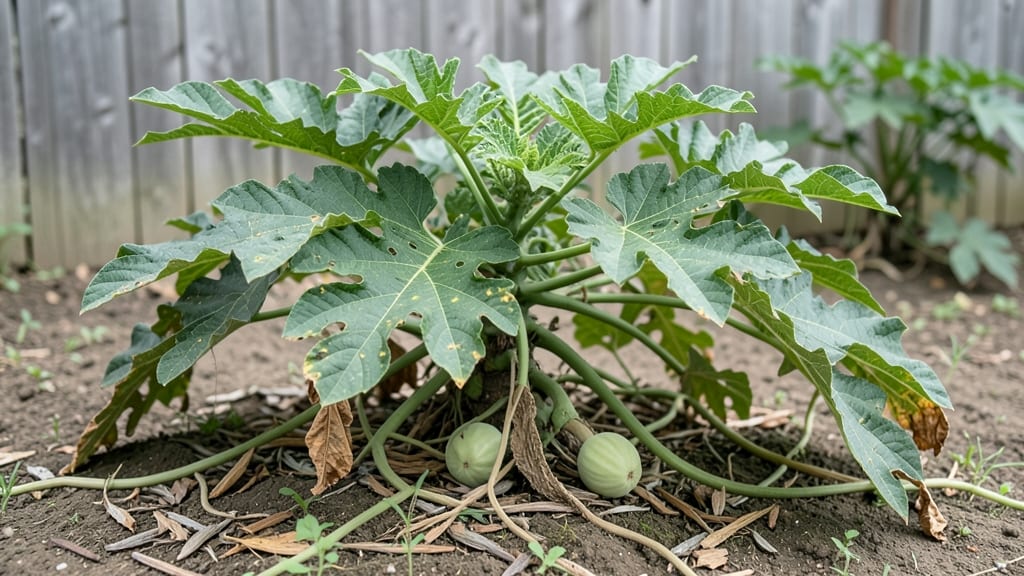
Pruning your babaco papaya tree isn’t just about shaping—it’s about survival in the Pacific Northwest’s unpredictable frost dips. 🌿 I’ve learned the hard way that these tropical hybrids need precise trimming to bounce back from cooler nights, and the right cuts make all the difference between a thriving plant and a sad, leggy shadow.
The key is timing and technique: prune just before spring’s last frost warning, always cutting just above a leaf node where new growth can sprout. Use sterilized shears to avoid disease, and never trim more than a third of the plant at once—babacos are delicate but resilient when treated right.
You’ll need gloves, too; their sap can irritate skin.
When done correctly, your babaco will reward you with glossy new leaves within weeks and fruit within months. The trees develop a bushier, stronger structure that handles our region’s chill better, and you’ll actually get those sweet, honey-flavored fruits instead of just decorative foliage.
It’s the difference between a garden ornament and a harvest.
This method works for container-grown babacos too—just scale back the cuts. The same principles apply whether you’re growing in a greenhouse or a sunny patio corner. Let’s get those pruners sharp and those branches trimmed the right way.
📚 In This Guide
- What you need
- Instructions
- Tips and common mistakes
- Wrapping up and next steps
What you need
- ● Pruning shears: Bypass pruners (sharp, clean, and sterilized with rubbing alcohol to prevent disease). Recommended: Felco F-2 or similar (for clean cuts).
- ○ Loppers: For thicker branches (1–2 inches in diameter). Optional: Ratchet-style for easier leverage.
- ● Hand saw: Pruning saw with a curved blade (for stubborn, larger stems).
- ● Gloves: Heavy-duty gardening gloves (protect against thorns and sap).
- ● Disinfectant: 70% isopropyl alcohol or bleach solution (1 part bleach to 9 parts water) for tool sterilization.
- ○ Sealing wax or pruning paste: (Optional) To coat cuts and prevent infection.
- ● Buckets or bags: For collecting pruned branches (compost or dispose of).
- ● Knowledge of tree structure: Identify main stems, fruiting branches, and dead wood (use a guide or consult a local PNW horticulturist).
- ● Weather check: Prune on a dry, mild day (avoid frost or rain within 24 hours).
- ● Support materials: Stakes or ties (if your tree needs structural support post-pruning).
- ○ Fertilizer: Balanced organic fertilizer (e.g., 10-10-10) for post-pruning recovery. Optional: Epsom salt (for magnesium boost).
- ● Mulch: Straw or wood chips (2–3 inches deep) to insulate roots in cold climates.
Step-by-Step guide for pruning your frost-resilient babaco papaya tree
Here’s how to keep your babaco papaya thriving in cooler climates—without losing next year’s fruit.
🌿 Step 1: Time Your Pruning for Maximum Recovery
Prune your babaco papaya in late winter or early spring, just as new growth begins but before the last frost. This timing lets the tree heal before summer heat arrives. In the Pacific Northwest, aim for February to March—when days start lengthening but nights remain chilly.
Wait until you see tight, green buds forming along the branches. These signal the tree is waking up from dormancy and can handle pruning without shock. If you prune too early, you risk exposing tender wood to frost; too late, and you’ll cut back growth that could’ve produced fruit.
✂️ Step 2: Remove Dead or Damaged Wood First
Start by inspecting the tree for brown, brittle branches or any with blackened tips—common after frost. Use clean, sharp pruning shears to cut these back to the nearest healthy node (the bump where leaves or branches grow). Never leave stubs; they invite rot and disease.
Look for crossing branches rubbing together—these weaken the tree and should be removed entirely. If a branch is hollow or oozing sap, it’s already compromised and must go. Discard all cuttings immediately to prevent reinfection.
🌱 Step 3: Shape for Airflow and Light Penetration
Babaco papayas thrive with open, airy canopies. Step back and visualize the tree’s structure—remove suckers (shoots growing from the base) unless you’re propagating new plants. These drain energy from the main trunk.
Cut back overly dense growth to let sunlight reach the center. Focus on outward-facing branches to create a vase-like shape. Avoid heavy pruning—never remove more than 25% of the canopy at once. You’ll see new leaves unfurl within 2-3 weeks if the cuts were made correctly.
💧 Step 4: Sterilize Tools and Monitor for Stress
After pruning, wipe your shears with rubbing alcohol to kill bacteria. Babaco papayas are sensitive to fungal infections, so sterilization is non-negotiable. Water the tree deeply at the base the day after pruning to reduce shock.
Watch for yellowing leaves—this could mean over-pruning or stress. If you see this, trim back slightly more and provide morning sun only for a week. The tree should bounce back within 4-6 weeks, with new growth appearing along the remaining branches.
Tips & tricks for pruning your frost-resilient babaco papaya tree
Here's what I've learned from years of pruning babaco papayas in the Pacific Northwest—these tricks will help your tree recover faster and produce better fruit next season.
Timing is Everything: The February to March window is critical because it gives your tree time to heal before summer's heat stress. I always check for those tight green buds—if they're not there yet, wait another week. In my experience, pruning too early exposes tender wood to late frosts, while waiting too long risks cutting back potential fruit-bearing branches. Between us, I've learned this the hard way after losing two trees to over-zealous early pruning!
Cutting Technique Matters: When you're removing those brown, brittle branches in Step 2, make your cuts at a 45-degree angle just above a healthy node. This prevents water from pooling on the cut and causing rot. I also recommend using a clean, sharp pair of pruning shears—dull blades crush the wood instead of making clean cuts. Pro tip: Wipe your shears with rubbing alcohol between cuts to prevent spreading disease between branches.
Shape for Success: Step 3's open canopy approach is where many people go wrong. I've seen trees become so dense that sunlight never reaches the center, leading to weak growth. When shaping, focus on creating that vase-like form by removing inward-growing branches first. This allows air to circulate and sunlight to penetrate all the way to the trunk—exactly what your babaco papaya needs to thrive in our cooler climate.
Post-Pruning Care: After you've finished, don't just walk away! The day after pruning, give your tree a deep watering at the base to help it recover. I've noticed that trees I watered properly after pruning showed new leaves within 2-3 weeks, while those I neglected took twice as long. And if you see yellowing leaves appear, it's not too late—just trim back slightly more and provide morning sun only for a week to help it recover.
Pro Tips for Babaco Papaya Tree
- Here's what I've learned from years of pruning babaco papayas in the Pacific Northwest—these tricks will help your tree recover faster and produce better fruit next season.
- Timing is Everything: The February to March window is critical because it gives your tree time to heal before summer's heat stress.
- Cutting Technique Matters: When you're removing those brown, brittle branches in Step 2, make your cuts at a 45-degree angle just above a healthy node.
Frequently asked questions
How cold can babaco papaya trees tolerate, and when should I prune for frost?
Babaco papayas are semi-frost-resistant but struggle below 25°F (-4°C). In the PNW, prune late summer to early fall (August–September) to harden the tree before winter. Remove weak branches and thin foliage to improve airflow—this helps reduce frost damage. If a freeze is forecast, cover young trees with frost cloth or row covers.
Can I prune babaco papaya trees too much? What’s the ideal shape?
Yes! Over-pruning stresses the tree, especially in its first year. Aim for a balanced, open canopy—remove no more than 20–30% of foliage per session. Focus on:
- Dead or crossing branches (to prevent disease).
- Leggy stems (cut back to encourage bushier growth).
- Suckers at the base (redirect energy to the main trunk).
Will pruning reduce my babaco fruit yield?
Not if done right! Pruning actually boosts fruit production by improving air circulation and sunlight penetration. However, avoid heavy pruning during flowering/fruiting seasons (spring–early summer). Focus on structural pruning in off-seasons to maximize yield long-term.
Are there alternatives to babaco papaya for frost-prone climates?
If babaco proves too finicky for your PNW microclimate, consider these frost-tolerant tropical fruit alternatives:
- Hardy kiwi (Actinidia arguta): Survives down to -15°F (-26°C) and produces edible kiwis.
- Fig trees (Ficus carica): Some varieties tolerate 15–20°F (-9 to -7°C) with mulch.
- Jostaberry (a blackcurrant-gooseberry hybrid): Thrives in cold zones and is highly productive.
My babaco tree’s leaves are yellowing after pruning—what’s wrong?
Yellowing leaves post-pruning are usually normal (the tree’s stress response), but check for:
- Overwatering (brown edges + yellow centers).
- Nutrient deficiency (feed with balanced fertilizer like 10-10-10 in spring).
- Pests (inspect undersides for mites or aphids).
Wrapping up and next steps
Growing a frost-resilient babaco papaya tree in the Pacific Northwest is absolutely doable with the right pruning techniques! By following the steps outlined—like selective trimming, seasonal adjustments, and protection from cold snaps—you’ll ensure a thriving, productive tree year after year. 🌱✂️
Ready to take the next step? Start small: pick one season to practice pruning, and observe how your tree responds. Over time, you’ll master the art of nurturing this tropical gem—even in cooler climates. Happy pruning! 🌟