
Pruning
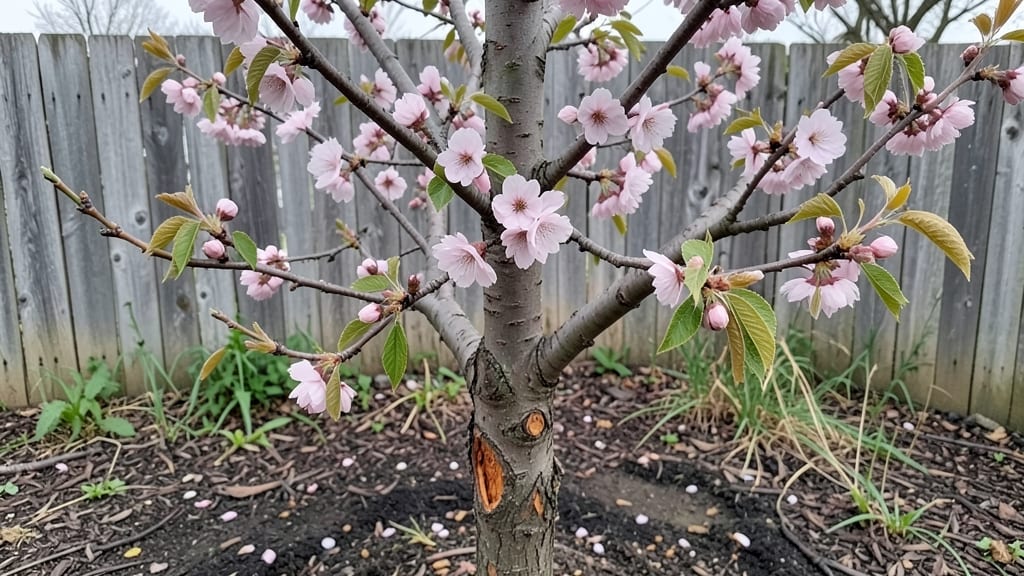
A backyard peach tree thrives even in the Pacific Northwest’s chilly winters—if you prune it the right way. I’ve grown these trees for years in my Zone 8 garden, and the secret to their survival isn’t fancy tools or expensive soil amendments.
It’s understanding how cold snaps trigger dormancy and how to shape the tree so it sheds less weight during storms. The first year, I nearly lost mine to winter dieback until I learned this one pruning technique that keeps branches healthy through frost.
The key is timing and technique: prune in late winter before buds swell, but after the worst cold passes. You’ll need sharp pruners, a ladder (for taller trees), and a clear day to work—no soggy wood or icy branches.
My tree now produces 30-40 pounds of fruit annually, and the branches stay strong enough to hold the harvest without breaking. The real magic happens when you open the tree’s center to sunlight, which ripens fruit faster and prevents fungal rot in damp Pacific Northwest summers.
By summer’s end, you’ll see plump peaches hanging heavy on the branches, their golden skins blushing pink. The trees handle our region’s 30-degree nights better than most, and with proper pruning, they live for decades.
The first harvest tastes sweeter than anything you’ll find in stores, and neighbors always ask how I do it—now you can too. Let’s get started with the steps that’ll keep your tree thriving through every season.
This method works for both dwarf and standard varieties, though spacing matters: plant dwarf trees 15 feet apart, standard trees 25 feet. If you’ve got limited space, container growing is possible for smaller varieties, though fruit yields will be lighter. The biggest mistake?
Pruning too late in spring—wait until after the last frost date for your area, or you’ll encourage new growth that winter will kill. With these adjustments, your peach tree will outlast the Pacific Northwest’s coldest winters and reward you with fruit for years.
📚 In This Guide
- What you need
- Instructions
- Tips and common mistakes
- Wrapping up and next steps
What you need
- ● Peach tree sapling: 1–2 frost-hardy varieties (e.g., ‘Reliance,’ ‘Redhaven,’ or ‘Elberta’—check local nurseries for PNW-recommended types).
- ● Pruning tools: 1 sharp bypass pruners (for clean cuts on small branches).
- ● 1 pruning saw (for thicker branches, 2"–3" diameter).
- ● 1 sterilizing solution (70% isopropyl alcohol or bleach water to prevent disease).
- ● Protective gear: 1 pair gloves (cut-resistant for safety).
- ● 1 long-sleeved shirt (to avoid thorn pricks).
- ● Soil amendments: 5–10 lbs well-draining compost (mix with native soil for planting).
- ● 1 slow-release fertilizer (10-10-10 or organic option like alfalfa meal).
- ● Winterization supplies: 1 tree wrap (to protect bark from frost cracks).
- ● 2–3 burlap sacks or frost cloth (for young trees in harsh winters).
- ● 1 mulch (3–4 inches of straw or wood chips to insulate roots).
- ● 1 drip irrigation kit (for consistent moisture in dry PNW summers).
- ● 1 tree spray (organic neem oil or copper fungicide for pest/disease prevention).
- ● 1 soil pH tester (peaches prefer slightly acidic soil, pH 6.0–6.5).
- ● 1 stake and ties (if planting in windy areas).
Step-by-Step guide to pruning a frost-resistant peach tree in the Pacific Northwest
Here's how to shape your tree for resilience against our region's chilly nights.
Time Your Pruning for Maximum Frost Resistance
Prune your peach tree in late winter or early spring, just as buds begin to swell but before new growth starts. This timing gives the tree time to heal before the last frost hits. In the Pacific Northwest, aim for February or March, when daytime temperatures hover around 45-50°F. Avoid pruning in fall or winter—open wounds left on the tree can invite disease when cold, wet weather arrives.
If you missed the window, wait until late spring after the last frost date in your area. You'll know it's safe when the tree shows fresh leaf growth and flowers begin to appear. Pruning too early leaves the tree vulnerable to frost damage on new growth.
Remove Dead, Diseased, or Weak Wood First
Start by cutting out any dead, diseased, or crossing branches—these are the first to compromise the tree's health. Use clean, sharp pruning shears to make cuts just outside the branch collar, the swollen area where the branch meets the trunk. This ensures the tree can seal the wound properly. Look for branches that are gray, brittle, or oozing sap—these need immediate removal.
Next, identify any branches growing inward or rubbing against others. These create weak points where bark can be damaged, inviting pests and disease. Thin out these branches first, working from the center of the tree outward. You'll see a stronger, more open canopy emerge as you go.
Shape the Tree for Airflow and Sunlight
Peach trees thrive with good airflow and sunlight—both critical for preventing fungal diseases like brown rot, which is common in our damp climate. Aim to create a rounded, vase-like shape by removing branches that grow straight up or outward too aggressively. Cut back these branches to a side bud or outward-facing branch to encourage a balanced structure.
Focus on removing no more than 25% of the tree's foliage in one season. Over-pruning stresses the tree and reduces its ability to withstand frost. If you're unsure, err on the side of caution—you can always prune more next year. Watch for water sprouts, or fast-growing vertical shoots, and remove them entirely—they drain energy from the tree.
Thin Out Overcrowded Branches for Frost Protection
In the Pacific Northwest, dense canopies trap cold air, increasing frost damage risk. Thin out branches to allow light and air to penetrate the center of the tree. Start by removing the smallest branches first, working your way up to larger ones. Leave 3-4 main scaffold branches evenly spaced around the trunk—these will support the tree's structure as it matures.
Pay special attention to branches growing too close together. These compete for sunlight and nutrients, weakening the tree's overall resilience. Cut back the weaker of the two branches, making your cut just above a bud that faces outward. This encourages stronger, more frost-resistant growth in the coming season.
Clean Up and Protect the Tree
After pruning, sterilize your tools with rubbing alcohol to prevent spreading disease. Remove all pruned branches and debris from the area—this reduces hiding spots for pests and disease. If you have time, apply a thin layer of tree wound sealant to larger cuts, but avoid sealing smaller wounds—the tree benefits from natural sealing.
Finally, water the tree deeply after pruning to help it recover. Mulch around the base with 2-3 inches of organic mulch, keeping it a few inches away from the trunk to prevent rot. This helps insulate the roots against late-season frosts and retains moisture for the tree's new growth.
Tips & tricks for frost-resistant peach tree pruning
These practical insights will help you navigate the unique challenges of pruning peach trees in our region.
Timing is Everything: The February-March window for pruning is critical because it allows the tree to heal before our unpredictable late frosts. I've learned the hard way—pruning too early leaves fresh cuts vulnerable to winter diseases, while waiting too long risks frost damage on new growth. Check the forecast for those 45-50°F days when buds are just starting to swell, not when they're already open. This timing gives the tree about 6-8 weeks to seal wounds before potential frost.
Branch Collar Precision: When removing branches in Step 2, focus on cutting just outside the branch collar—the swollen area where the branch meets the trunk. This might seem like a small detail, but it's what allows the tree to naturally seal the wound. I've seen too many pruning jobs where cuts were made too close to the trunk, creating permanent entry points for pests. Use a clean, sharp pruning shear and make your cut at a slight angle just outside that collar—this gives the tree the best chance to heal properly.
Visualizing the Vase Shape: Creating that rounded, vase-like shape in Step 3 might sound abstract, but there's a simple way to visualize it. Imagine looking at your tree from above—you want branches spreading outward like spokes on a wheel, not growing straight up like a Christmas tree. For each branch you're considering removing, ask yourself: "Does this branch help create that open center?" If it's growing straight up or inward, it's likely a candidate for removal. This open center is what prevents cold air from settling and damaging fruit.
Post-Pruning Care: After you've finished pruning, don't just walk away! The deep watering and mulching in Step 5 are just as important as the cuts you made. I've seen trees that looked perfectly pruned but struggled because they weren't given proper post-care. Water deeply to help the tree recover from the stress of pruning, then apply that 2-3 inches of organic mulch—just keep it a few inches away from the trunk to prevent rot. This combination helps insulate roots against late frosts and keeps moisture where it's needed most.
Pro Tips for Backyard Peach Tree
- These practical insights will help you navigate the unique challenges of pruning peach trees in our region.
- Timing is Everything: The February-March window for pruning is critical because it allows the tree to heal before our unpredictable late frosts.
- Branch Collar Precision: When removing branches in Step 2, focus on cutting just outside the branch collar—the swollen area where the branch meets the trunk.
Frequently asked questions
Got questions about growing a frost-resistant peach tree in your Pacific Northwest backyard? You’re not alone! Here are answers to the most common queries—from pruning to pests and everything in between.
When is the best time to prune my peach tree in the PNW?
The ideal time to prune is late winter or early spring (January–March) before buds swell but after the coldest frosts. Avoid pruning in fall—it can leave wounds vulnerable to disease. For frost-prone areas, wait until after the last hard freeze (check your USDA Hardiness Zone) to minimize stress on the tree.
How do I protect my peach tree from late spring frosts?
Use row covers, frost cloths, or even a sprinkler system to create a microclimate. Wrap the tree in burlap or use tree wraps for young trunks. Prune strategically to open the canopy for better airflow, reducing cold pockets. If frost hits, cover blossoms with lightweight fabric before sunset.
What pests should I watch for in PNW peach trees?
Common culprits include:
- Peach tree borers: Look for sawdust-like frass near the trunk. Treat with beneficial nematodes or neem oil in early spring.
- Leaf curl: Fungal disease causing puckered leaves. Prune infected branches in dormant season and sterilize tools.
- Aphids: Clustered on new growth. Blast off with water or use insecticidal soap.
Monitor regularly—prevention (like mulching) is key!
Will my peach tree produce fruit in its first year?
Probably not! Peach trees typically take 2–3 years to bear fruit after planting. Focus on establishing roots first—prune lightly to encourage a sturdy structure. Patience pays off: A well-cared-for tree can yield 50+ lbs of peaches annually in the PNW!
Can I grow a peach tree in a container in the PNW?
Yes, but it’s challenging due to frost and space needs. Choose a dwarf variety (like ‘Bonanza’ or ‘Redhaven’) and use a 50+ gallon pot with drainage. Move containers to a protected spot (e.g., against a south-facing wall) for winter. Expect smaller yields and more maintenance.
What if my peach tree’s branches keep dying back?
Common causes:
- Over-pruning: Stick to 1/3 of the canopy max per year.
- Fungal/bacterial infections: Sterilize tools and remove dead/diseased wood.
- Poor drainage: Amend soil with compost and avoid waterlogging.
- Frost damage: Prune out blackened, mushy branches in spring.
If issues persist, test soil pH (6.0–7.0 ideal) and adjust with lime or sulfur.
Wrapping up and next steps
Growing a backyard peach tree in the Pacific Northwest is totally doable—especially with the right frost-resistant pruning techniques! By choosing cold-hardy varieties, timing your cuts carefully, and protecting young branches, you’ll set your tree up for years of sweet, juicy rewards. 🌱❄️
Now that you’re armed with the know-how, roll up your sleeves and get pruning! Start with a single branch this season, observe how your tree responds, and gradually expand your skills. Before you know it, you’ll be harvesting homegrown peaches straight from your own backyard—what’s not to love?