Propagation
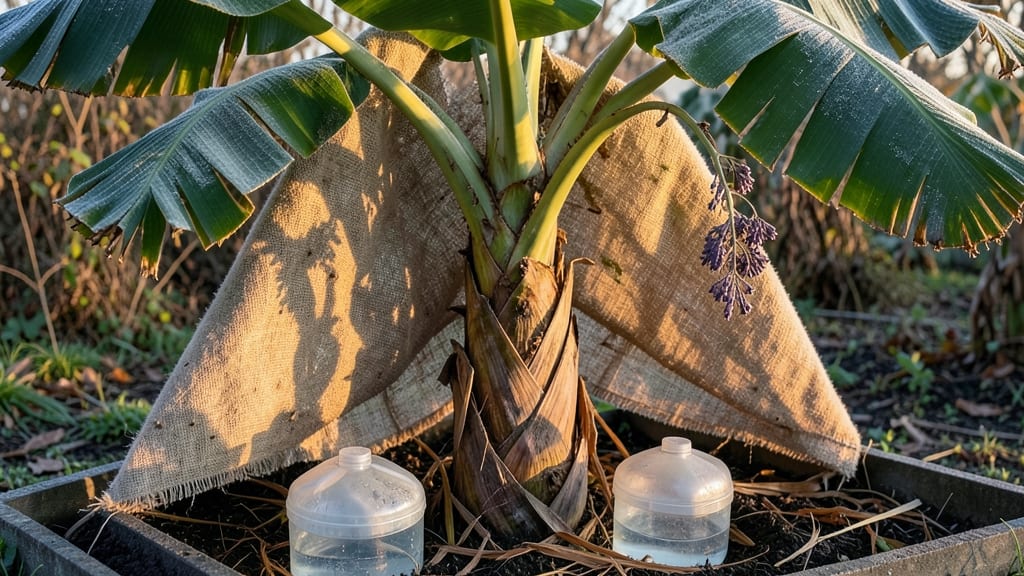
Learn how to protect your banana tree from frost with this simple trick—wrapping the trunk in thick insulation saved mine after a brutal freeze. The key is acting before temperatures drop below 28°F, when even cold-hardy varieties struggle.
I’ve since protected three trees through winter using this method, and they’ve rebounded stronger each spring.
Your supplies should include burlap, cardboard, or frost cloth (avoid plastic—it traps moisture and causes rot), plus a thermometer to track overnight lows. For potted plants, move them to a sheltered spot against a south-facing wall, where residual heat lingers.
In-ground trees need extra protection: mound soil around the base and wrap the trunk tightly, leaving only the top few inches exposed to prevent suffocation.
After the frost passes, inspect the leaves for blackened edges or mushy spots—these are signs of irreversible damage. Prune only the dead tissue with sterilized shears, and avoid cutting into healthy green areas, which can harbor disease.
Fertilize lightly with a balanced 10-10-10 formula in early spring to encourage recovery, but hold off until new growth appears to avoid stressing the plant.
In USDA zones 9–11, where frost is rare but possible, preventive measures matter most: choose Musa acuminata ‘Dwarf Cavendish’ or Musa balbisiana varieties, which tolerate brief cold snaps better than tropical types.
Mulch heavily in fall to insulate roots, and monitor forecasts—even a 24-hour warning gives you time to act. The goal isn’t perfection; it’s giving your tree a fighting chance to bounce back.
📚 In This Guide
- What you need
- Instructions
- Tips and common mistakes
- Wrapping up and next steps
What you need
- ● Burlap sacks or frost cloth: 2–3 large sheets (minimum 3x4 feet each; breathable but insulating). Pro tip: Avoid plastic—it traps moisture and can harm the plant!
- ● Straw or dry leaves: 1–2 bales (or enough to create a 6–8 inch thick mulch layer around the base).
- ● Garden twine or zip ties: 1 small roll (for securing wraps).
- ● Scissors or pruning shears: 1 pair (to trim damaged leaves if needed).
- ● Watering can or hose: 1 (for pre-frost hydration).
- ○ Thermometer (optional but helpful): A soil or air thermometer to monitor temps (aim for readings above 28°F/-2°C).
- ● Plastic sheeting (clear or black): 1–2 sheets (for temporary low tunnels or covering the ground).
- ● Christmas lights (incandescent or LED): String lights wrapped around the trunk to add gentle warmth.
- ● Cardboard boxes: 2–3 (to create a windbreak or insulate the base).
- ● Anti-transpirant spray: 1 bottle (to protect leaves from drying out).
- ● Heat lamps or space heaters (safely placed): For extreme frost warnings—keep at least 3 feet away!
Step-by-Step instructions for frost protection on banana trees
Here's my battle-tested method to shield banana trees when temperatures plunge below freezing.
Assess the Threat Level and Gather Supplies
First, check your local forecast for the exact low temperature and duration of the freeze. Banana trees begin suffering damage at 28°F and will die back completely at 20°F or below. Gather burlap sacks, frost cloth, or old bedsheets—these will become your tree's thermal blanket. You'll also need rope, twine, or clothespins to secure everything in place. I keep these supplies on hand year-round because frost can strike unexpectedly, even in mild climates.
If your tree is in a container, move it to a sheltered location like a garage or under an overhang before wrapping. For in-ground plants, focus on protecting the trunk and pseudostem—these are the most vulnerable parts. The wider the trunk, the more material you'll need to fully encase it. A 4-foot-tall tree might require two 3-foot-wide burlap sheets, while a 6-foot specimen could need three sheets layered carefully.
Wrap the Trunk and Pseudostem in Layers
Start by wrapping the pseudostem (the thick, false trunk) first, working your way up to the crown where leaves emerge. Use burlap or frost cloth—these materials allow some airflow while trapping heat. Overlap each layer by at least 6 inches to eliminate gaps where cold air could seep in. Secure the wrap tightly with rope or twine, but avoid pulling so tight that it restricts growth. You want snug, not constricting.
Extend the wrap 12-18 inches above the highest leaves to protect the growing point. If your tree has large, broad leaves, fold them downward gently and tuck them into the wrap. This reduces surface area exposed to the cold and prevents them from snapping under ice weight. For extra insulation, add a second layer of frost cloth over the burlap, especially if temperatures are forecasted to drop below 25°F. The more layers, the better the heat retention.
Create a Thermal Dome for Added Protection
Once the trunk and leaves are wrapped, construct a thermal dome around the entire plant. Use PVC hoops, wire frames, or even sturdy branches bent into a half-circle shape and positioned 18-24 inches above the crown. Cover the frame with clear plastic sheeting or frost cloth, securing it tightly with clothespins or weights to prevent wind from tearing it away. This dome traps radiant heat rising from the ground and creates a microclimate 5-10°F warmer than the surrounding air.
For container-grown banana trees, place the pot inside a large cardboard box lined with bubble wrap or newspaper before covering with plastic. Seal any gaps with duct tape to block drafts. If your tree is in the ground, mound 6-12 inches of mulch around the base to insulate the roots. Use straw, leaves, or wood chips—avoid wet mulch, as moisture conducts cold. Check the mulch the next morning; if it's icy, remove it to prevent further chilling.
Monitor and Adjust During the Freeze
Stay awake or set a phone alarm to check on your tree every 2-3 hours during the night. If temperatures drop below 25°F, add an extra layer of frost cloth or blankets over the dome. Avoid using heat lamps or open flames, as they can create hot spots that stress the plant or even ignite the protective materials. Instead, rely on passive insulation—the more layers, the better.
Watch for ice formation on the plastic dome. If ice builds up, gently tap it off with a broom to prevent the weight from collapsing the structure. Avoid touching the leaves or trunk directly, as this can cause unnecessary stress. In the morning, remove the dome and outer layers gradually—start with the plastic or frost cloth, then unwind the burlap over 1-2 hours to allow the plant to acclimate. Sudden exposure to sunlight or wind after a freeze can shock the tree further.
Tips & tricks for protecting banana trees from frost
Here's what I've learned from years of saving banana trees during unexpected freezes—these small adjustments make all the difference.
Layering is Everything: When wrapping the pseudostem in Step 2, think of it like building a thermal blanket for your tree. The key is creating an air pocket between layers that traps heat. For temperatures below 25°F, I recommend adding a third layer of frost cloth over the burlap—this can raise the protected temperature by an additional 5°F. Remember, the goal is to mimic the tropical microclimate these trees thrive in, even if just for a night.
Dome Positioning Matters: In Step 3, positioning the thermal dome 18-24 inches above the crown creates that crucial 5-10°F warmer microclimate. I've found that using PVC hoops works best because they maintain shape better than wire frames when heavy frost builds up. For extra stability, especially in windy conditions, anchor the hoops to stakes driven into the ground. This prevents the dome from collapsing under ice weight, which can happen surprisingly fast during overnight freezes.
Monitoring During the Night: The 2-3 hour check-ins in Step 4 aren't just about adding layers—they're about assessing the effectiveness of your setup. I've learned to look for condensation inside the dome as a good sign; it means the insulation is working by trapping moisture that releases heat. If you notice ice forming on the plastic, gently tap it off immediately—even a thin layer can add significant weight. The gradual removal in the morning (over 1-2 hours) prevents temperature shock that can be just as damaging as the freeze itself.
Container-Specific Adjustments: For potted banana trees, the cardboard box technique in Step 3 works wonders, but here's the pro move: add a layer of bubble wrap between the box and the plastic covering. This creates an additional insulating barrier that can make the difference between survival and damage when temperatures approach 20°F. Just be sure to seal all gaps with duct tape—even a small opening can let in enough cold air to compromise the entire setup.
Pro Tips for Protect Banana Tree From Frost
- Here's what I've learned from years of saving banana trees during unexpected freezes—these small adjustments make all...
- Layering is Everything: When wrapping the pseudostem in Step 2, think of it like building a thermal blanket for your ...
- Dome Positioning Matters: In Step 3, positioning the thermal dome 18-24 inches above the crown creates that crucial 5...
Frequently asked questions
Got questions about frost-proofing your banana trees?
You’re not alone—frost can be tricky, especially for tropical plants like bananas! Here are answers to the most common concerns to help you keep your trees thriving even in chilly weather.
How cold is too cold for banana trees?
Banana trees can’t tolerate frost—they start suffering at temperatures below 32°F (0°C). Prolonged exposure to 28°F (-2°C) or lower can kill leaves, stunt growth, or even damage the pseudostem. If frost is forecasted, act fast to protect your tree!
When should I start frost protection?
Begin preparing 24–48 hours before frost is expected. If temps are dropping overnight, immediate action is key. Monitor weather alerts—protection like row covers or wrapping should be in place before frost hits, not after.
Can I save a banana tree after frost damage?
Yes! If only the leaves are damaged, the corm (base) may still be alive. Trim dead foliage, mulch heavily, and fertilize lightly once new growth appears. If the pseudostem is mushy or black, the tree is likely dead—remove it to prevent disease.
What’s a quick fix if I don’t have frost cloth?
No frost cloth? No problem! Use old blankets, cardboard, or even plastic sheeting (secured loosely to allow airflow). Avoid sealing the tree completely—trapped moisture can cause rot. Pair it with mulch or a heat source (like a Christmas light string) for extra warmth.
Will my banana tree recover if I protect it late?
Late protection can still help, but the longer frost lingers, the more damage occurs. Focus on minimizing stress: water lightly (don’t drown roots), cover the corm, and avoid fertilizing until spring. Patience is key—recovery depends on how much the plant was affected.
Wrapping up and next steps
Protecting your banana tree from frost doesn’t have to be a stressful task—just a quick, thoughtful effort!
With the right materials like frost cloth, mulch, or even DIY wraps, you can shield your plant from chilly damage and give it a fighting chance to thrive. Remember, early prep is key: monitor weather forecasts and act fast when frost is forecasted.
Now that you’re armed with these emergency wrap-up techniques, take action before the next cold snap hits! Check your banana tree’s health regularly, and if you’ve already lost some leaves, don’t worry—with care, new growth will return. Happy gardening! 🌱❄️