
Pruning
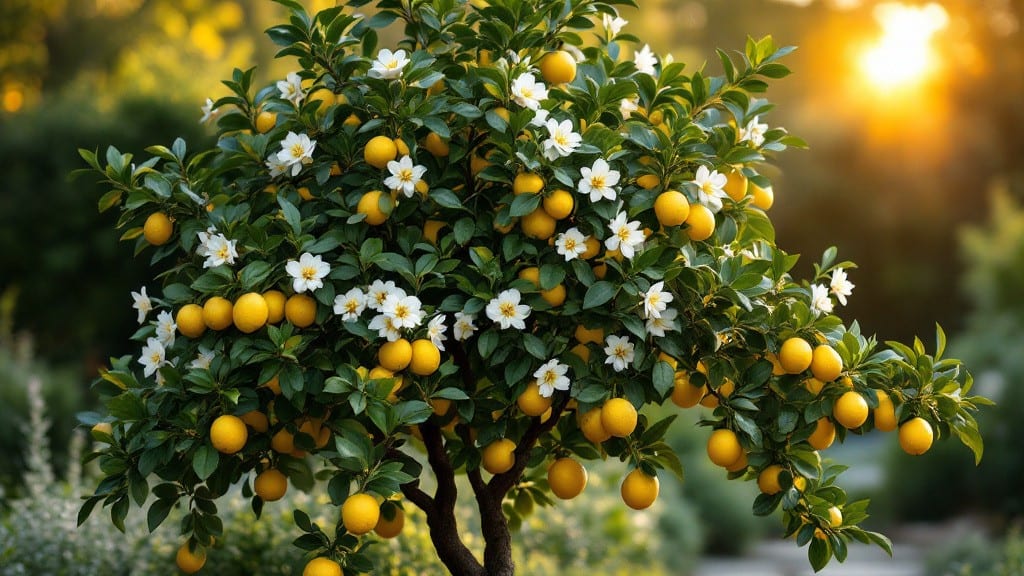
Growing a balcony lemon tree that actually bears fruit takes more than just sunshine and a pot—it’s about mastering frost-resistant pruning to keep your tree productive through cold snaps.
I’ve watched my Meyer lemon tree survive Chicago winters by learning when to trim, how to protect tender wood, and which cuts encourage fruit set. The difference between a tree that gives up and one that keeps producing lemons comes down to these pruning secrets.
Start with the right variety—Meyer lemons are the frost-hardiest choice for balconies, handling dips to 20°F with proper care. You’ll need a 5-gallon container at minimum (7+ gallons for mature trees), well-draining soil, and a spot that gets 6+ hours of sunlight daily.
The pruning itself is simple once you know the three key cuts: removing dead wood, thinning crowded branches, and shaping for airflow. Skip this, and your tree will either get leggy or freeze back to the ground.
When done right, your tree will reward you with harvests from June through October, even in cooler climates. The lemons stay sweet, the branches stay sturdy, and you avoid the heartbreak of winter dieback.
The real magic happens in late winter: pruning just before buds swell forces the tree to focus energy on fruit instead of regrowing lost branches. It’s how I’ve gone from one lonely lemon to a dozen in a single season.
This method works for any balcony—whether you’re in a high-rise in Phoenix or a rooftop in Portland. The only rule is consistency: prune at the same time each year, protect young trees with frost cloth, and never let the soil dry out completely.
Your tree will thank you with glossy leaves, sturdy branches, and enough lemons to make homemade lemonade for the whole neighborhood.
📚 In This Guide
- What you need
- Instructions
- Tips and common mistakes
- Wrapping up and next steps
What you need
- ● Balcony lemon tree (Citrus × meyeri or frost-hardy variety) – Choose a dwarf or semi-dwarf variety (3–5 ft tall) for container growing.
- ● Large container (15–20 gallons) – Ensure it has drainage holes and is at least 18–24 inches deep.
- ● High-quality potting mix – Use a blend of cactus/succulent mix (60%) + perlite/pumice (30%) + compost (10%) for drainage.
- ● Pruning shears or bypass pruners – Sharp, sterilized tools with 4–6 inch blades for clean cuts.
- ● Garden gloves – Protect your hands from thorns and sap.
- ● Frost cloth or bubble wrap – For lightweight coverage during cold snaps (10–15°F tolerance).
- ● Slow-release fertilizer (10-10-10 or citrus-specific) – Granular or spikes for balanced nutrients.
- ● Self-watering planter – Reduces maintenance for busy balconies.
- ● Heating mat (for pots) – Extends growing season in below 40°F zones.
- ● Pruning sealant – Covers cuts to prevent disease (e.g., tree wound paint).
- ● Balcony trellis or support – Helps manage heavy branches as the tree matures.
- ● pH test kit – Ensures soil stays in the 6.0–7.0 range for citrus.
How to prune your balcony lemon tree for cold-resistant fruit
Here’s how I keep my lemon tree thriving through seasonal shifts—no green thumb required.
Time Your Pruning for Frost Protection
Prune your lemon tree in early spring, just as new growth begins but before the last frost date. This timing lets the tree harden off over summer and store energy for winter resilience. Avoid pruning in fall—new growth won’t mature before cold snaps hit, leaving branches vulnerable to frost damage.
Look for swollen buds along branches as your cue. These indicate the tree’s natural growth cycle is restarting. If you prune too early, you risk stimulating tender shoots that won’t survive winter. Wait until you see 3-4 buds along stems before cutting—this ensures enough energy remains in the tree.
Remove Weak or Damaged Branches First
Start by inspecting the tree for dead, crossing, or diseased branches. These compete with healthy growth and invite pests. Use sterilized pruning shears to make clean cuts at a 45-degree angle, about ¼ inch above a leaf node or outward-facing bud. This prevents water from pooling and rotting the wound.
If a branch is larger than ½ inch thick, make the cut just outside the branch collar—the swollen area where the branch meets the trunk. Never leave stubs; they invite decay. For smaller branches, snip just above a bud pointing in the direction you want new growth to go.
Thin Out Crowded Growth for Airflow
Lemon trees need good airflow to prevent fungal diseases like citrus blight. Focus on removing branches that grow inward or rub against others. Aim to leave an open center—this mimics the tree’s natural shape and lets sunlight penetrate to lower branches.
Cut back overly dense areas by up to ⅓ of the branch length, but never remove more than 25% of the tree’s total foliage in one session. You’ll see more evenly spaced leaves and better fruit set after pruning. If you’re unsure, err on the side of lighter pruning—lemon trees recover well from minimal cuts.
Shape for Sun Exposure and Frost Resistance
Shape the tree into a rounded, vase-like form to distribute sunlight evenly and reduce frost pockets. Remove any branches growing straight upward—these are prone to frost damage and weak wood. Instead, encourage outward-facing branches by pruning just above buds that point away from the center.
For balcony trees, keep the height manageable—no taller than 6 feet—so branches don’t become too heavy or difficult to protect in cold snaps. After pruning, step back and visualize sunlight paths. The goal is no shaded areas where fruit might develop unevenly or rot.
Clean Up and Protect for Winter
Rake up all pruned branches and dispose of them in the trash—not the compost—since diseased wood can spread pathogens. Wipe down tools with rubbing alcohol to prevent cross-contamination. Once pruned, apply a 2-inch layer of mulch around the base (but not touching the trunk) to insulate roots from temperature swings.
If frost is forecast, cover young trees with frost cloth or a lightweight blanket secured with clips. Water deeply before cold snaps to help the tree retain moisture. With proper pruning, your lemon tree will bounce back stronger—ready to fruit year after year.
Tips & tricks for perfect balcony lemon tree pruning
Balcony lemon trees need special care to survive seasonal shifts—here’s how to avoid common pruning mistakes and maximize frost resistance.
Timing is Everything: Early spring is your window, but don’t rush—wait until you see those swollen buds along the branches. I’ve learned the hard way that pruning too early can stimulate tender new growth that won’t survive winter. Look for 3-4 buds along each stem before cutting; this ensures your tree has enough energy stored for cold snaps. If your last frost date is uncertain, check your local weather service and plan to prune 2-3 weeks before the average date.
The 25% Rule: Never remove more than 25% of your tree’s total foliage in one session, especially for balcony trees with limited space. I once pruned too aggressively and ended up with a tree that struggled to recover. Focus on removing dead, crossing, or diseased branches first—these compete with healthy growth and invite pests. For crowded areas, cut back by up to ⅓ of the branch length, but always leave some leaves to maintain photosynthesis.
Shape for Sun and Frost: Lemon trees thrive when shaped like a rounded vase—this distributes sunlight evenly and reduces frost pockets. Remove any branches growing straight upward, as these are prone to frost damage and weak wood. Instead, encourage outward-facing branches by cutting just above buds pointing away from the center. For balcony trees, keep the height under 6 feet to prevent branches from becoming too heavy or difficult to protect during cold snaps.
Cleanup Prevents Disease: Rake up all pruned branches and dispose of them in the trash, not compost—diseased wood can spread pathogens. I used to compost prunings, and the next year my tree had more fungal issues. Wipe down your pruning shears with rubbing alcohol after each cut to prevent cross-contamination. This simple step can save your tree from serious problems down the line.
Pro Tips for Balcony Lemon Tree
- Balcony lemon trees need special care to survive seasonal shifts—here’s how to avoid common pruning mistakes and maximize frost resistance.
- Timing is Everything: Early spring is your window, but don’t rush—wait until you see those swollen buds along the branches.
- The 25% Rule: Never remove more than 25% of your tree’s total foliage in one session, especially for balcony trees with limited space.
Frequently asked questions
Got questions about growing and pruning a frost-resistant lemon tree on your balcony?
Here are answers to the most common concerns to help you keep your citrus thriving year-round.
How cold can my balcony lemon tree tolerate before frost damage occurs?
A frost-resistant lemon tree (like Citrus × meyeri or Citrus × limon hybrids) can handle brief dips to 25–28°F (-4 to -2°C), but prolonged exposure below 20°F (-6°C) risks damage. Move potted trees indoors or wrap them in frost cloth for extra protection. Mulch the pot base to insulate roots!
When is the best time to prune my lemon tree for frost resilience?
Prune late winter or early spring (just before new growth starts) to remove dead/diseased wood and shape the tree. Avoid heavy pruning in fall—it stimulates tender growth vulnerable to frost. Focus on open-center shaping to improve airflow and sunlight penetration, which helps frost recovery.
Can I grow a lemon tree in a small balcony pot long-term?
Yes! Use a 15–20 gallon pot with drainage holes and well-draining soil (cactus/succulent mix works well). Lemon trees are adaptable but need 5+ hours of sunlight daily. Rotate the pot monthly for even growth. Just ensure the pot is at least 12 inches wide for stability and root health.
Why aren’t my lemon tree’s fruits ripening on the balcony?
Lemon trees need full sun (6+ hours/day) and consistent warmth (60–80°F) to set fruit. If temps drop below 50°F or sunlight is limited, fruits may fall off or stay green. Try a grow light in winter or move the tree to a sunnier spot. Overwatering or poor drainage can also stress the tree—check soil moisture!
What should I do if my lemon tree’s leaves turn yellow after frost?
Yellowing leaves after frost are often waterlogged roots or cold shock. Trim any blackened branches, repot if roots smell sour, and water lightly (overwatering worsens stress). Fertilize with a balanced citrus mix in spring to encourage recovery. Most trees bounce back with proper care!
Wrapping up and next steps
Growing a frost-resistant lemon tree on your balcony isn’t just possible—it’s a rewarding journey that brings fresh citrus to your doorstep year-round! With the right pruning techniques, you’ll ensure a healthy, productive tree that thrives even in cooler months.
Whether you’re trimming for shape, encouraging fruit, or protecting against frost, every snip brings you closer to a bountiful harvest.
Ready to take the next step? Start small—prune once a month during the growing season, and don’t forget to monitor your tree’s health after each trim. Soon, you’ll be savoring homegrown lemons, and maybe even sharing the joy with neighbors! 🍋✨